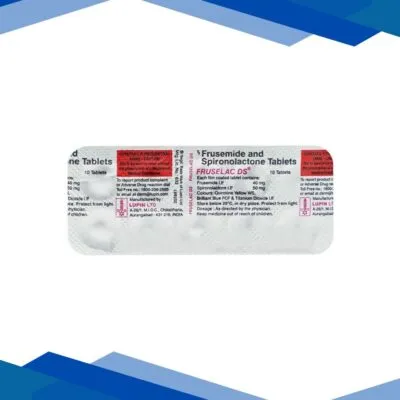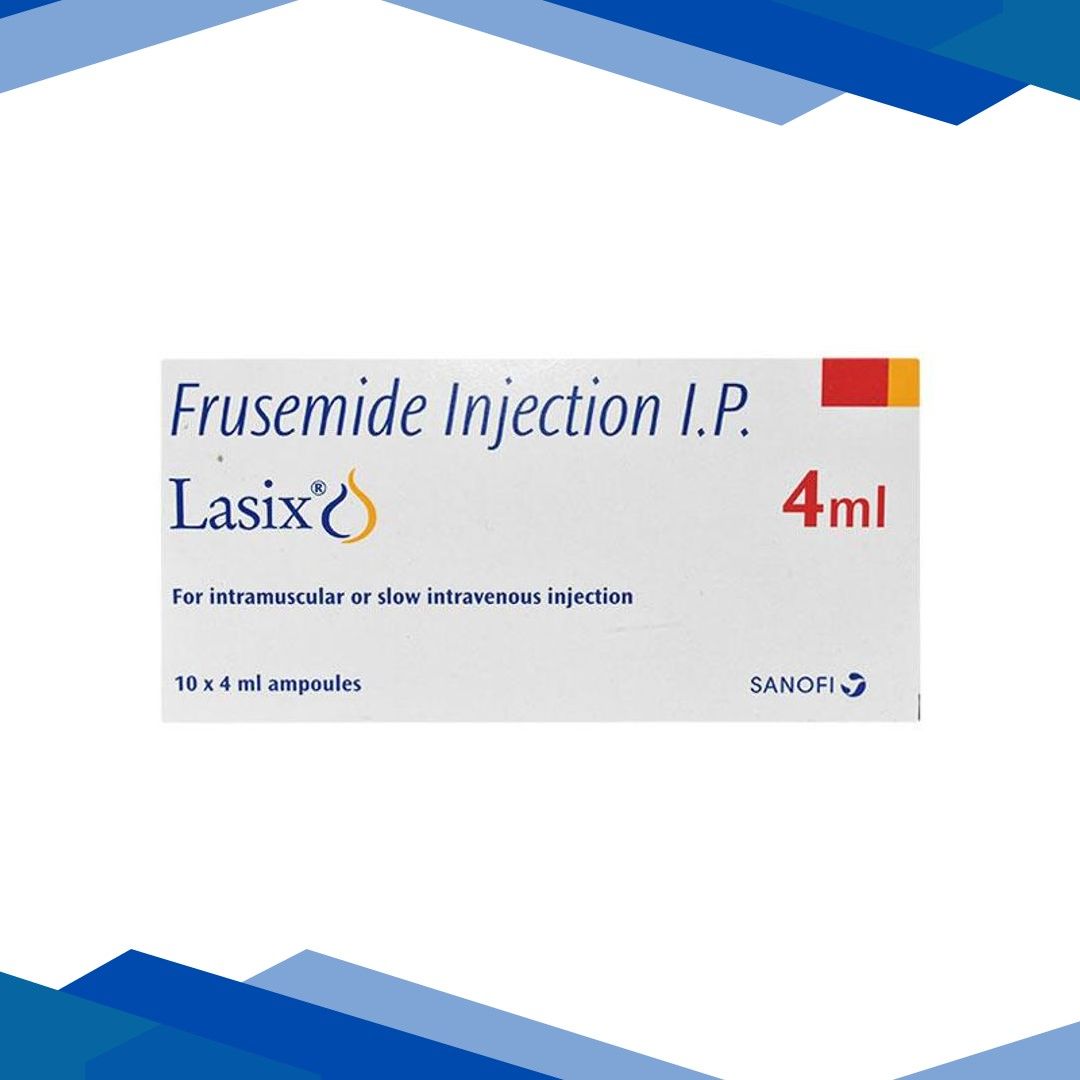
LASIX Injection 4ml
LASIX Injection is a medicine used to help the body get rid of extra salt and water through urine. It belongs to a group of medicines called diuretics, often known as “water tablets.” LASIX Injection works by acting on the kidneys to reduce fluid buildup, which can help lower swelling and ease the strain on the heart and blood vessels. It is commonly used to treat edema, or fluid retention, caused by conditions such as heart failure, liver disease, or kidney problems. It may also be used to help manage high blood pressure in some people. Because it affects fluid balance, LASIX Injection should be used under medical guidance to make sure it is safe and effective for each person.
Description
LASIX Injection is a commonly used medicine that helps the body get rid of extra fluid and, in some cases, lowers high blood pressure. it belongs to a group of medicines called loop diuretics, which are often referred to as “water tablets.” LASIX Injection works by increasing the amount of urine the kidneys produce, helping remove excess salt and water from the body. this makes it especially useful when fluid builds up in the legs, lungs, abdomen, or other tissues due to conditions such as heart failure, liver disease, or kidney problems.
to understand how LASIX Injection works, it is helpful to know that the kidneys filter blood and decide how much water and salt to keep or remove. LASIX Injection acts on a specific part of the kidney called the loop of henle, where it blocks the reabsorption of sodium, chloride, and water. as a result, more fluid is passed out in the urine. this can reduce swelling, ease breathing when fluid has collected in the lungs, and relieve pressure on the heart and circulatory system. because it can also lower blood pressure, it may be used in people whose hypertension is related to fluid overload, though it is not always the first choice for long-term blood pressure control.
this medicine is typically used in adults and, in some cases, children under medical supervision. it is especially helpful in people who have edema, which means swelling caused by fluid retention. LASIX Injection can provide rapid relief when fluid overload needs to be treated promptly, but because it changes the body’s salt and fluid balance, it must be used carefully. regular monitoring of blood pressure, kidney function, and electrolyte levels may be needed, especially in people with chronic illnesses or those taking other medicines that affect the kidneys or heart.
LASIX Injection is not a cure for the underlying cause of fluid retention. instead, it helps control symptoms and reduce complications while the underlying condition is managed. for example, if swelling is due to heart failure, LASIX Injection may help the patient breathe more comfortably and reduce leg swelling, but additional treatment is still needed for heart function. because of its strong effect on fluid balance, patients should use it exactly as advised by a healthcare professional and should seek medical help if symptoms of dehydration, dizziness, muscle cramps, or severe weakness occur.
ingredients
- LASIX Injection: the active ingredient that produces the diuretic effect. it works by reducing sodium and water reabsorption in the kidneys, which helps remove excess fluid from the body and can reduce swelling, breathlessness, and fluid-related strain on the heart.
- tablet or formulation excipients: depending on the manufacturer, the medicine may also contain inactive ingredients such as fillers, binders, disintegrants, and coating materials that help form the tablet or solution, maintain stability, and allow proper administration. these ingredients do not provide the therapeutic effect but support the medicine’s structure and delivery.
key uses
- edema due to heart failure: LASIX Injection helps reduce excess fluid that accumulates when the heart cannot pump efficiently. this may lessen swelling in the legs and abdomen and improve breathing when fluid affects the lungs.
- fluid retention related to liver disease: in conditions such as cirrhosis, fluid may collect in the abdomen and legs. LASIX Injection can help remove extra fluid and relieve discomfort when used as part of a broader treatment plan.
- edema due to kidney disorders: some kidney conditions cause the body to hold onto salt and water. LASIX Injection may be used to manage swelling, although response can vary depending on kidney function.
- high blood pressure: by reducing fluid volume in the bloodstream, LASIX Injection may lower blood pressure in certain patients, especially when fluid overload contributes to hypertension.
- acute pulmonary edema: in urgent situations where fluid rapidly builds up in the lungs, LASIX Injection may be used under medical supervision to help remove fluid and ease breathing.
- other medically supervised fluid overload states: it may be prescribed in other situations where removing excess fluid is clinically necessary, based on a doctor’s assessment.
how to use
LASIX Injection should be taken exactly as prescribed by a healthcare professional. it is usually taken by mouth, though in some cases it may be given by injection in a hospital setting. the timing is important because the medicine increases urination. many people are advised to take it earlier in the day, such as in the morning, to reduce the chance of needing to urinate frequently at night. if a second dose is prescribed, it is often taken in the afternoon rather than late evening, unless the doctor advises otherwise.
the medicine may be taken with or without food, but taking it with food can help reduce stomach upset in some people. swallow tablets with water unless instructed differently. since LASIX Injection can cause a noticeable increase in urine output, it is important to plan for easy access to a bathroom after taking it. do not take more than directed, even if swelling does not improve immediately. the dose may need adjustment over time based on response, kidney function, blood pressure, and blood test results.
because LASIX Injection affects the body’s fluid and electrolyte balance, some people may be told to monitor their weight regularly. a sudden increase or decrease in body weight can reflect changes in fluid status. healthcare professionals may also recommend periodic checks of sodium, potassium, creatinine, and other laboratory values. if the medicine causes excessive thirst, dizziness, fainting, severe weakness, or very low urine output, medical advice should be sought promptly.
safety information
- warnings: LASIX Injection can cause dehydration, low blood pressure, and electrolyte imbalances such as low potassium or low sodium. these changes can be serious and may lead to muscle weakness, cramps, irregular heartbeat, confusion, or fainting. people with reduced kidney function, liver disease, diabetes, gout, or severe heart disease may need closer monitoring. rapid fluid loss can be harmful if the body becomes over-diuresed.
- side effects: common side effects may include frequent urination, thirst, dizziness, lightheadedness, headache, nausea, and mild stomach upset. more serious side effects can include severe dehydration, hearing problems or ringing in the ears, allergic reactions, very low blood pressure, kidney function worsening, abnormal heart rhythms, and significant electrolyte disturbances. if swelling suddenly worsens, breathing becomes difficult, or the person feels faint or confused, urgent medical evaluation is needed.
- precautions: LASIX Injection should be used carefully in people who are dehydrated, have very low blood pressure, are unable to urinate, or have severe electrolyte abnormalities. extra caution is needed in older adults, since they may be more sensitive to fluid loss and dizziness. people with a history of sulfonamide allergy may need medical advice before use. those with gout should be monitored because LASIX Injection may raise uric acid levels and trigger attacks.
- pregnancy/breastfeeding: during pregnancy, LASIX Injection should only be used if a healthcare professional decides the expected benefit outweighs possible risks. it is not a routine medicine for pregnancy-related swelling. during breastfeeding, it may reduce milk production because it decreases fluid volume, so caution is advised and medical guidance is important.
- interactions: LASIX Injection may interact with alcohol, which can increase dizziness and lower blood pressure. it can also interact with other blood pressure medicines, lithium, digoxin, aminoglycoside antibiotics, nsaids such as ibuprofen, corticosteroids, and other diuretics. some interactions may increase toxicity, reduce effect, or worsen electrolyte problems. always tell the healthcare professional about all medicines, supplements, and herbal products being used.
additional information
- storage: store LASIX Injection in a cool, dry place away from direct light and moisture. keep it in the original container, tightly closed, and out of reach of children. do not store it in the bathroom unless the packaging specifically allows it, since humidity may damage the medicine.
- missed dose: if a dose is missed, take it as soon as remembered unless it is close to the time for the next dose. if it is already late in the day, it may be better to skip the missed dose to avoid nighttime urination, but this should be guided by the prescriber’s instructions. do not double the dose to make up for a missed one.
- overdose: an overdose can cause extreme dehydration, severe dizziness, very low blood pressure, confusion, fainting, electrolyte imbalance, and reduced kidney function. in serious cases, it may lead to abnormal heart rhythms or collapse. if an overdose is suspected, seek emergency medical help immediately or contact poison control without delay.
- habit forming: no. LASIX Injection is not considered habit-forming or addictive. however, the body may become dependent on it for control of fluid overload, which is different from addiction. it should not be stopped suddenly without medical advice if it is being used for a chronic condition.
frequently asked questions
Q: what is LASIX Injection mainly used for?
A: LASIX Injection is mainly used to remove excess fluid from the body and reduce swelling caused by heart failure, kidney disease, or liver disease. it may also be used in certain cases of high blood pressure or fluid buildup in the lungs.
Q: how quickly does LASIX Injection work?
A: it usually starts working relatively quickly, often within a short time after taking it by mouth, and it increases urine output for several hours. the exact timing can vary based on the dose, form, and the person’s medical condition.
Q: why should LASIX Injection be taken earlier in the day?
A: it increases urination, so taking it earlier helps reduce sleep disruption from nighttime bathroom trips. if a second dose is prescribed, it is often taken earlier in the afternoon rather than late at night.
Q: can LASIX Injection cause dehydration?
A: yes. because it removes fluid from the body, it can cause dehydration if too much fluid is lost. signs may include extreme thirst, dry mouth, dizziness, weakness, or reduced urine output. medical advice should be sought if these occur.
Q: does LASIX Injection affect potassium levels?
A: yes. LASIX Injection can lower potassium, which may cause muscle cramps, weakness, or irregular heartbeat. doctors may monitor blood tests and recommend dietary changes or supplements if needed.
Q: can i take LASIX Injection with food?
A: yes, it can generally be taken with or without food. some people prefer taking it with food if it causes stomach upset. the most important thing is to take it consistently as advised by the healthcare professional.
Q: is LASIX Injection safe for older adults?
A: it can be used in older adults, but they may be more sensitive to side effects such as low blood pressure, dehydration, and dizziness. careful monitoring is often needed.
Q: what should i do if i feel dizzy after taking LASIX Injection?
A: sit or lie down right away to avoid falling. dizziness may be a sign of low blood pressure or fluid loss. if it is severe, persistent, or associated with fainting, contact a healthcare professional promptly.
Q: can LASIX Injection be used during pregnancy?
A: it should only be used during pregnancy if a healthcare professional believes it is clearly needed. it is not a routine treatment for normal pregnancy-related swelling, so medical guidance is essential.
Q: can LASIX Injection be taken with painkillers?
A: some painkillers, especially nsaids like ibuprofen or naproxen, can reduce the effect of LASIX Injection and may worsen kidney-related risks. it is important to ask a healthcare professional before combining them.
Q: does LASIX Injection interact with alcohol?
A: yes. alcohol can increase dizziness and lower blood pressure, making side effects worse. limiting or avoiding alcohol may be recommended while taking LASIX Injection.
Q: can LASIX Injection be stopped once swelling improves?
A: not without medical advice. stopping suddenly may allow fluid to build up again if the underlying condition is still present. a doctor should decide if and when the medicine can be reduced or stopped.
this information is for educational purposes only and should not be considered medical advice. always consult a qualified healthcare professional before use.
At Gem Pharmacy, we make every effort to provide accurate, expert-written, and thoroughly reviewed information related to medicines. However, this information should not be considered a substitute for professional medical advice, diagnosis, or treatment from a qualified doctor.
The purpose of this information is to educate users and improve communication between patients and healthcare professionals. It should not be used to diagnose or treat any condition.
Always consult a certified healthcare professional before taking any medication.


Related products