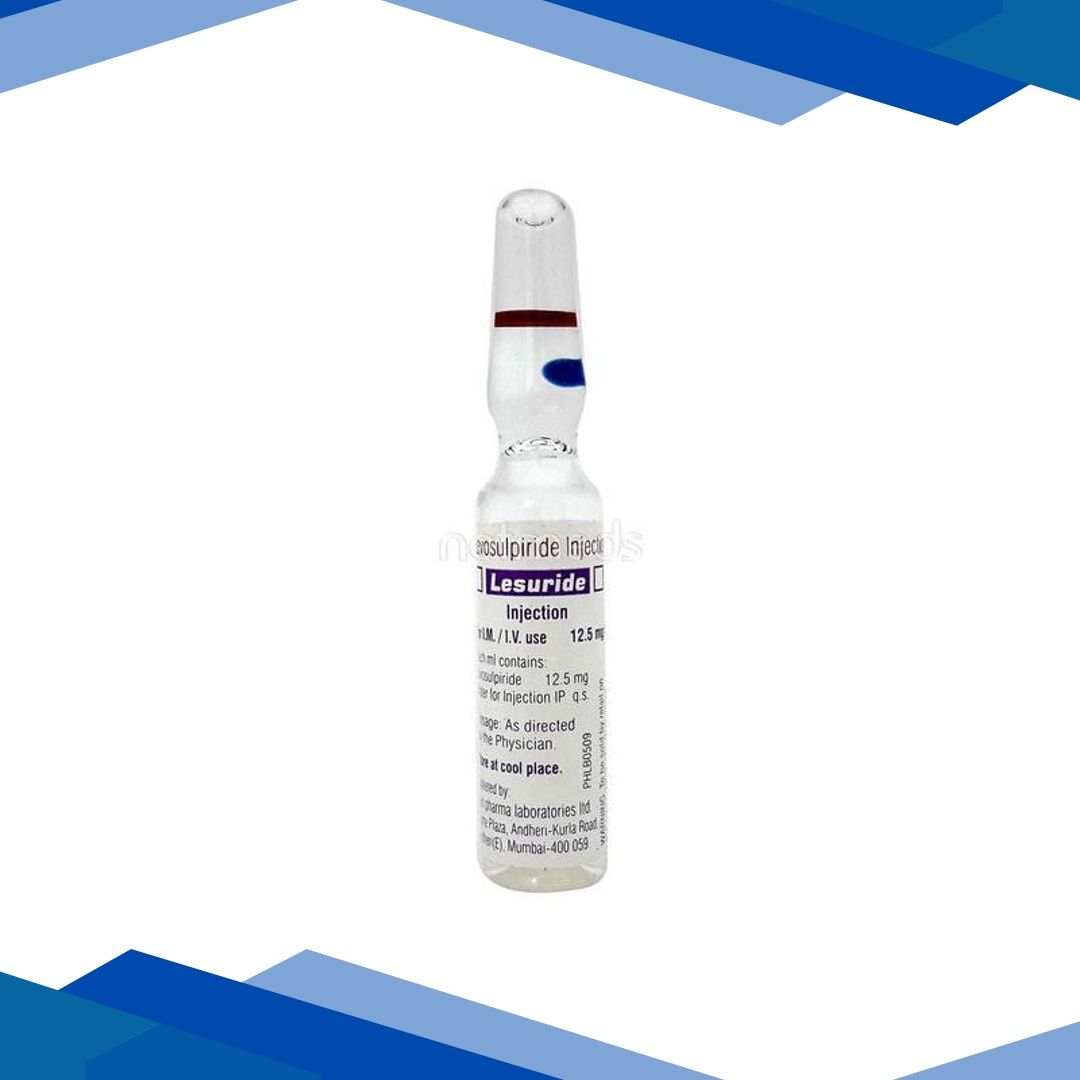
Lesuride Injection 2ml
Lesuride Injection is a combination medicine used to help control diarrhea, especially when symptoms may be caused by infection. Diphenoxylate slows down the movement of the intestines, which helps reduce the number of loose stools and eases urgency. Atropine is included in a small amount to discourage misuse and can also support the anti-diarrheal effect. Furazolidone is an antimicrobial medicine that helps fight certain bacteria and parasites that may be causing the infection. Together, these ingredients work to reduce diarrhea, abdominal cramping, and discomfort while treating the underlying cause in some cases. This medicine should be used only when advised by a healthcare professional, as not all types of diarrhea need the same treatment.
Description
Lesuride Injection is a combination medicine used mainly for the short-term treatment of diarrhea, especially when diarrhea is believed to be related to infection or when controlling frequent loose stools is necessary under medical supervision. it combines three active components that work in different ways: diphenoxylate helps slow down bowel movement, atropine is added in a very small amount mainly to discourage misuse and may also contribute mild antispasmodic effects, and furazolidone acts against certain bacteria and some protozoal organisms. because of this combined action, the medicine can reduce stool frequency, decrease urgency, and help relieve abdominal discomfort associated with infectious diarrhea in appropriate cases.
the diphenoxylate component acts on the intestines to reduce peristalsis, which means the natural wave-like movement of the bowel slows down. this gives the intestine more time to absorb water and electrolytes, resulting in firmer stools. atropine is an anticholinergic medicine; in this combination it is present in a small amount and can cause unpleasant effects if the medicine is taken in excess, which helps discourage abuse. furazolidone is an antimicrobial agent that can inhibit the growth of certain microorganisms responsible for diarrheal illness. together, these ingredients may help manage symptoms when the cause is likely sensitive to this treatment and when a clinician considers the benefits to outweigh the risks.
this medicine is not meant for every type of diarrhea. it should be used only when appropriate, because diarrhea can sometimes be a protective response of the body to eliminate harmful germs or toxins. in some situations, slowing the bowel too much may worsen infection or delay recovery. for that reason, Lesuride Injection is generally reserved for selected patients and should be used with caution, especially in children, older adults, and people with fever, blood in the stool, severe abdominal pain, or dehydration. medical advice is important to determine whether the diarrhea is infectious, noninfectious, or caused by another underlying condition.
people who may be prescribed this medicine are usually those with troublesome diarrhea who need symptom control and, when appropriate, treatment aimed at susceptible infectious causes. it may be considered in cases where a healthcare professional believes both slowing bowel activity and addressing a possible microbial cause are necessary. however, it is not a substitute for rehydration. maintaining fluids and electrolytes remains one of the most important parts of diarrheal care, regardless of the medication used.
ingredients
- atropine: atropine is an anticholinergic agent included in this combination in a small amount. it helps reduce excessive intestinal secretions and can contribute to a mild slowing of bowel activity. its presence also helps discourage overuse of diphenoxylate because higher-than-recommended intake may cause unwanted atropine effects such as dry mouth, blurred vision, fast heartbeat, or confusion.
- diphenoxylate: diphenoxylate is an antidiarrheal opioid derivative that works primarily in the gut to reduce intestinal motility. by slowing the movement of stool through the intestines, it allows more water to be absorbed, which helps decrease stool frequency and improve stool consistency. it is intended for symptomatic relief and should be used carefully to avoid constipation or bowel slowing that is too strong.
- furazolidone: furazolidone is an antimicrobial medicine with activity against certain bacteria and protozoa that can cause gastrointestinal infections. it is used to help treat some infectious causes of diarrhea when the causative organism is likely susceptible. it should only be used under medical guidance because not all diarrhea is bacterial or parasitic, and inappropriate use can be ineffective or harmful.
key uses
- short-term control of diarrhea: this medicine helps reduce the number of loose stools and the urgency to pass stool, which can be useful when diarrhea is frequent and disruptive. it is typically used for symptom relief rather than long-term bowel management.
- management of certain infectious diarrheal conditions: furazolidone may help when diarrhea is caused by susceptible bacteria or protozoa. a healthcare professional should decide whether an antimicrobial component is suitable based on the likely cause of infection.
- reduction of bowel hyperactivity: diphenoxylate slows intestinal movement, helping stool remain in the bowel longer so that fluid can be absorbed. this can reduce watery stools and improve comfort in carefully selected cases.
- supportive treatment of abdominal cramping associated with diarrhea: by calming intestinal motility, the medicine may reduce cramping and the sensation of bowel urgency, though it is not a specific pain medicine.
how to use
Lesuride Injection should be used exactly as directed by a healthcare professional. it is generally taken by mouth, with or without food, depending on the product instructions and individual tolerance. because the medicine can affect the bowel and may cause nausea or stomach upset in some people, taking it with a small amount of food may be more comfortable for certain patients. the tablets or capsules should be swallowed whole with water unless the product label or a clinician instructs otherwise.
this medicine is usually intended for short-term use, and it is important not to continue taking it longer than recommended without medical review. diarrhea can be caused by many different problems, including infections, food intolerance, medicines, inflammatory bowel disease, and other gastrointestinal conditions. if symptoms do not improve, worsen, or are accompanied by warning signs such as high fever, blood in the stool, severe dehydration, or persistent vomiting, medical evaluation is necessary. rehydration with oral fluids and electrolyte solutions is often essential alongside any prescribed treatment.
alcohol should be avoided while taking this medicine, particularly because furazolidone can cause dangerous reactions with alcohol and certain foods or medicines. also, the bowel-slowing effect of diphenoxylate means the medicine should not be used if a person has symptoms suggesting a serious intestinal infection or obstruction unless a doctor specifically instructs it. follow all label directions carefully, and do not use extra doses to speed recovery.
safety information
- warnings: this medicine can mask or worsen certain serious intestinal infections if used incorrectly. it should not be used in people with bloody diarrhea, high fever, or suspected invasive infection unless a clinician determines it is appropriate. excessive slowing of the bowel may lead to constipation, abdominal bloating, or rarely ileus. furazolidone may interact with alcohol and some drugs, and it can cause serious adverse reactions when combined with certain antidepressants or other interacting medicines.
- side effects: common side effects may include dry mouth, nausea, vomiting, constipation, abdominal discomfort, dizziness, drowsiness, and headache. more serious effects can include severe constipation, abdominal distension, fast or irregular heartbeat, confusion, trouble urinating, allergic reactions, worsening diarrhea with blood or mucus, severe weakness, or signs of dehydration. if unusual sleepiness, difficulty breathing, agitation, or mental confusion occurs, urgent medical attention is needed.
- precautions: people with glaucoma, urinary retention, bowel obstruction, severe liver disease, myasthenia gravis, or a history of drug sensitivity should use this medicine only under close supervision or may need to avoid it. it should be used carefully in older adults, who may be more sensitive to anticholinergic effects and constipation. children are especially vulnerable to serious side effects, and this medicine is generally not suitable unless specifically prescribed by a pediatric specialist.
- pregnancy/breastfeeding: safety data may be limited, so use during pregnancy or breastfeeding should only occur if a healthcare professional believes the benefits outweigh the risks. the medicine may not be appropriate in all pregnant individuals, and furazolidone and atropine-related effects may raise concern depending on the clinical situation. a doctor or pharmacist should be consulted before use.
- interactions: this medicine may interact with alcohol, sedatives, opioids, anticholinergic drugs, certain antidepressants, and other medicines that affect the nervous system or bowel function. furazolidone may also interact with mao inhibitors and foods containing high levels of tyramine, potentially causing harmful increases in blood pressure. because interaction risk can be serious, patients should share a full medication list with their healthcare professional, including prescription drugs, over-the-counter medicines, and herbal products.
additional information
- storage: store the medicine in a cool, dry place away from moisture, heat, and direct sunlight. keep it in the original container, tightly closed, and out of reach of children and pets. do not store it in the bathroom unless the label specifically allows it.
- missed dose: if a dose is missed, it should generally be taken as soon as remembered unless it is almost time for the next dose. if it is close to the next scheduled dose, skip the missed dose and continue with the regular schedule. do not double the dose to make up for a missed one.
- overdose: overdose may cause severe drowsiness, confusion, very dry mouth, flushing, blurred vision, irregular heartbeat, breathing problems, severe constipation, urinary retention, or, in serious cases, coma. overdose should be treated as a medical emergency, and emergency services or poison control should be contacted immediately.
- habit forming: yes, there can be misuse potential because diphenoxylate is related to opioid-type medicines. although atropine is added to discourage abuse, this combination should still be used only as prescribed. taking more than recommended can lead to dangerous side effects and dependence-related behaviors in some individuals.
frequently asked questions
Q: what is Lesuride Injection used for?
A: it is used to help manage diarrhea, especially when symptom control is needed and a healthcare professional believes an infectious cause may also need treatment. it should be used only when appropriate, because not all diarrhea should be treated with bowel-slowing medicines.
Q: can i take this medicine for simple stomach upset or food poisoning?
A: not always. some forms of stomach upset and food poisoning improve best with fluids and rest alone. if diarrhea is severe, bloody, accompanied by fever, or lasts more than a short time, a clinician should evaluate the cause before this medicine is used.
Q: does this medicine stop diarrhea immediately?
A: it may reduce stool frequency and urgency relatively quickly in some people, but the response depends on the cause of diarrhea and the individual’s condition. it does not replace hydration or treatment of dehydration.
Q: can i drink alcohol while taking Lesuride Injection?
A: no, alcohol should generally be avoided. furazolidone can interact with alcohol and may cause unpleasant or dangerous reactions, so abstaining during treatment is important.
Q: what should i do if i have fever or blood in my stool?
A: seek medical advice promptly. fever, blood, or mucus in the stool may suggest a more serious infection or intestinal inflammation, and medicines that slow the bowel may not be safe without professional evaluation.
Q: can children use this medicine?
A: children are more sensitive to the side effects of diphenoxylate and atropine, so this medicine is generally not used in young children unless specifically directed by a qualified healthcare professional.
Q: will this medicine cause constipation?
A: it can. constipation is one of the common effects because diphenoxylate slows bowel movement. if stool becomes too hard, abdominal bloating develops, or there is no bowel movement, medical advice is needed.
Q: why does this medicine contain atropine?
A: atropine is included in a small amount mainly to discourage misuse of diphenoxylate. if too much of the medicine is taken, atropine side effects become noticeable, which helps deter overuse.
Q: can i take it with other diarrhea medicines?
A: you should not combine it with other antidiarrheal medicines unless a healthcare professional specifically tells you to. using multiple bowel-slowing medicines can increase the risk of constipation, dehydration, or bowel blockage.
Q: what if my diarrhea does not improve?
A: if symptoms continue, worsen, or come back repeatedly, you should consult a healthcare professional. persistent diarrhea can be caused by infection, dehydration, medication side effects, inflammatory disease, or other conditions that need different treatment.
Q: is furazolidone an antibiotic?
A: furazolidone is an antimicrobial medicine with activity against certain bacteria and protozoa. it is not appropriate for every infection, and its use depends on the suspected cause of diarrhea and clinical judgment.
Q: should i keep taking the medicine if i feel better?
A: do not continue longer than prescribed just because you feel improvement. since this medicine is usually for short-term use, follow your clinician’s instructions carefully and stop only as advised.
Q: can this medicine cause drowsiness?
A: yes, some people may feel sleepy, dizzy, or less alert, especially because diphenoxylate can affect the nervous system. use caution when driving or operating machinery until you know how it affects you.
Q: what signs mean i should get urgent help?
A: get urgent help if you have trouble breathing, severe abdominal swelling, confusion, fainting, signs of severe dehydration, allergic swelling, or diarrhea with heavy blood, black stool, or high fever.
Q: does this medicine replace oral rehydration?
A: no. rehydration is a key part of diarrhea treatment. oral fluids and electrolyte solutions are often necessary even when this medicine is used.
Q: can people with glaucoma take this medicine?
A: people with glaucoma should use caution because atropine can worsen certain types of eye pressure problems. a healthcare professional should evaluate safety before use.
Q: what foods should be avoided?
A: because furazolidone may interact with tyramine-containing foods, patients may need to avoid or limit certain aged, fermented, or highly processed foods depending on medical advice. ask a pharmacist or doctor for specific dietary guidance.
Q: is this medicine suitable for long-term use?
A: it is generally not intended for long-term use. ongoing diarrhea needs evaluation to identify and treat the underlying cause rather than relying on repeated symptom suppression.
Q: can i take it if i am already using antidepressants?
A: some antidepressants can interact dangerously with furazolidone or increase side effect risks. always check with a healthcare professional before combining this medicine with antidepressants or any nervous system medicine.
Q: what is the most important thing to remember when using this medicine?
A: use it only when prescribed or recommended by a healthcare professional, avoid alcohol and interacting medicines, and seek help if diarrhea is severe, bloody, or associated with fever or dehydration.
this information is for educational purposes only and should not be considered medical advice. always consult a qualified healthcare professional before use.
At Gem Pharmacy, we make every effort to provide accurate, expert-written, and thoroughly reviewed information related to medicines. However, this information should not be considered a substitute for professional medical advice, diagnosis, or treatment from a qualified doctor.
The purpose of this information is to educate users and improve communication between patients and healthcare professionals. It should not be used to diagnose or treat any condition.
Always consult a certified healthcare professional before taking any medication.


Related products