
LIZERTON B6 200 ml
No Prescription yet? Don’t worry! Click Here to Get Online Consultation
Lizerton B6 Orange Flavour Sugar Free Oral Solution is used in the treatment and prevention of kidney stones and renal tubular acidosis. It works by increasing urinary pH and levels of potassium, magnesium, and citrate, helping prevent crystallization and accumulation of stone-forming salts. For more details kindly click on Medicine Salts below:
Potassium Citrate
POTASSIUM CITRATE
Overview:
Potassium citrate is a drug that assists in the urine becoming less acidic. In doing so, it prevents the production of some forms of kidney stones (such as uric acid and calcium oxalate stones) as well as treatment of diseases brought about by excess acid in the body. It acts by providing potassium and alkali-fying the urine, rendering the environment less conducive to the growth of the stones.
Classification: Urinary alkalinizer
Uses:
- Prevents and treats kidney stones (especially uric acid and calcium oxalate stones).
- Used to correct metabolic acidosis in people with chronic kidney disease.
- Used in renal tubular acidosis to correct acid-base imbalance.
- Provides potassium supplementation in people with low potassium levels.
- Reduces the risk of stone recurrence by keeping urine alkaline.
How it works:
Potassium citrate works by alkalizing the urine. After administration, it releases potassium ions (K⁺) and citrate ions. The citrate is metabolized to bicarbonate in the liver, which raises systemic and urinary pH, making the urine less acidic. This environment prevents the formation of uric acid and calcium oxalate kidney stones and helps correct metabolic acidosis. It helps replace potassium in the body, which may be low in certain kidney conditions or acid-base imbalances.
Dosage: As prescribed by your doctor.
Side Effects:
- Stomach upset, nausea, or vomiting
- Diarrhea or loose stools
- Abdominal pain or cramps
- Gas or bloating
Precautions:
Potassium citrate should be taken exactly as your doctor tells you. It’s important to drink plenty of water to help it work properly and prevent kidney stones. People with kidney problems need to be careful, because too much potassium can build up in the body. Regular check-ups for potassium levels and kidney function are important, and you should avoid taking extra potassium from other medicines or salt substitutes unless your doctor approves.
Disclaimer:This content is for informational purposes only. Always consult a healthcare provider for medical advice and proper dosage.
Pyridoxine Hydrochloride
Pyridoxine Hydrochloride (Vitamin B6) Tablets
Pyridoxine Hydrochloride is the hydrochloride salt form of Pyridoxine, a vital water-soluble Vitamin B-complex nutrient. It plays a key role in over 100 metabolic enzyme reactions, especially in protein metabolism. It is essential for neurotransmitter production (like serotonin), red blood cell formation, and maintaining a healthy nervous and immune system.
Indications
Vitamin B6 Deficiency: Treatment and prevention of nutritional deficiencies
Drug-Induced Neuropathy: Used with Isoniazid to prevent nerve damage
Vomiting in Pregnancy: Helps manage morning sickness (often with Doxylamine)
Sideroblastic Anemia: Supports hemoglobin synthesis
Metabolic Support: Helps manage homocysteine levels for heart health
Key Highlights
Neuro-Protective: Maintains myelin sheath integrity
Metabolic Regulator: Aids in energy production from nutrients
Mood & Sleep Support: Supports serotonin and melatonin synthesis
Dosage & Administration
Adult Dose: Typically 10–50 mg daily (higher for specific conditions)
Administration: Swallow whole with water; take after meals
What If I Miss a Dose?
Take it when remembered; skip if close to next dose
Do not double dose
Possible Side Effects
Nausea or stomach pain
Headache or drowsiness
Mild tingling or numbness (paraesthesia)
Loss of appetite
Precautions & Warnings
Neurological Monitoring: High doses (>200 mg/day) may cause sensory neuropathy
Levodopa Interaction: May reduce effectiveness in Parkinson’s treatment
Allergy: Inform doctor if allergic to B-complex vitamins
Lactation: Passes into breast milk—use under supervision
Frequently Asked Questions (FAQs)
Q: Can I take Pyridoxine without a prescription?
Yes, for general supplementation (OTC); higher doses need prescription
Q: Why is it given with TB medication?
Prevents nerve-related side effects of Isoniazid
Q: Does it help with PMS?
May improve mood symptoms—consult a doctor
Q: Is it safe in pregnancy?
Commonly used for nausea, but only under medical supervision
Q: Can diet provide enough Vitamin B6?
Foods like chickpeas, poultry, fish, bananas, and fortified cereals are good sources
Expert Advice
Storage: Store in a cool, dry place (below 25°C) away from sunlight
Patient Tip: Take at the same time daily; avoid excess alcohol
Disclaimer
This information is for educational purposes only and should not replace professional medical advice
At Gem Pharmacy, we make every effort to provide accurate, expert-written, and thoroughly reviewed information related to medicines. However, this information should not be considered a substitute for professional medical advice, diagnosis, or treatment from a qualified doctor.
The purpose of this information is to educate users and improve communication between patients and healthcare professionals. It should not be used to diagnose or treat any condition.
Always consult a certified healthcare professional before taking any medication.


Related products
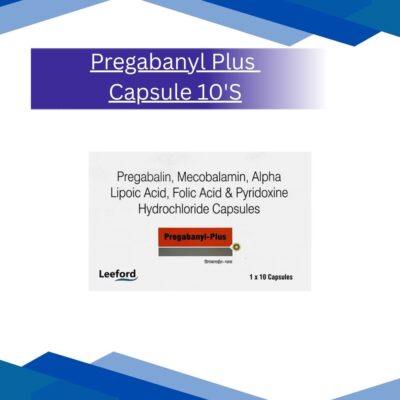
Pregabanyl Plus Capsule 10’S