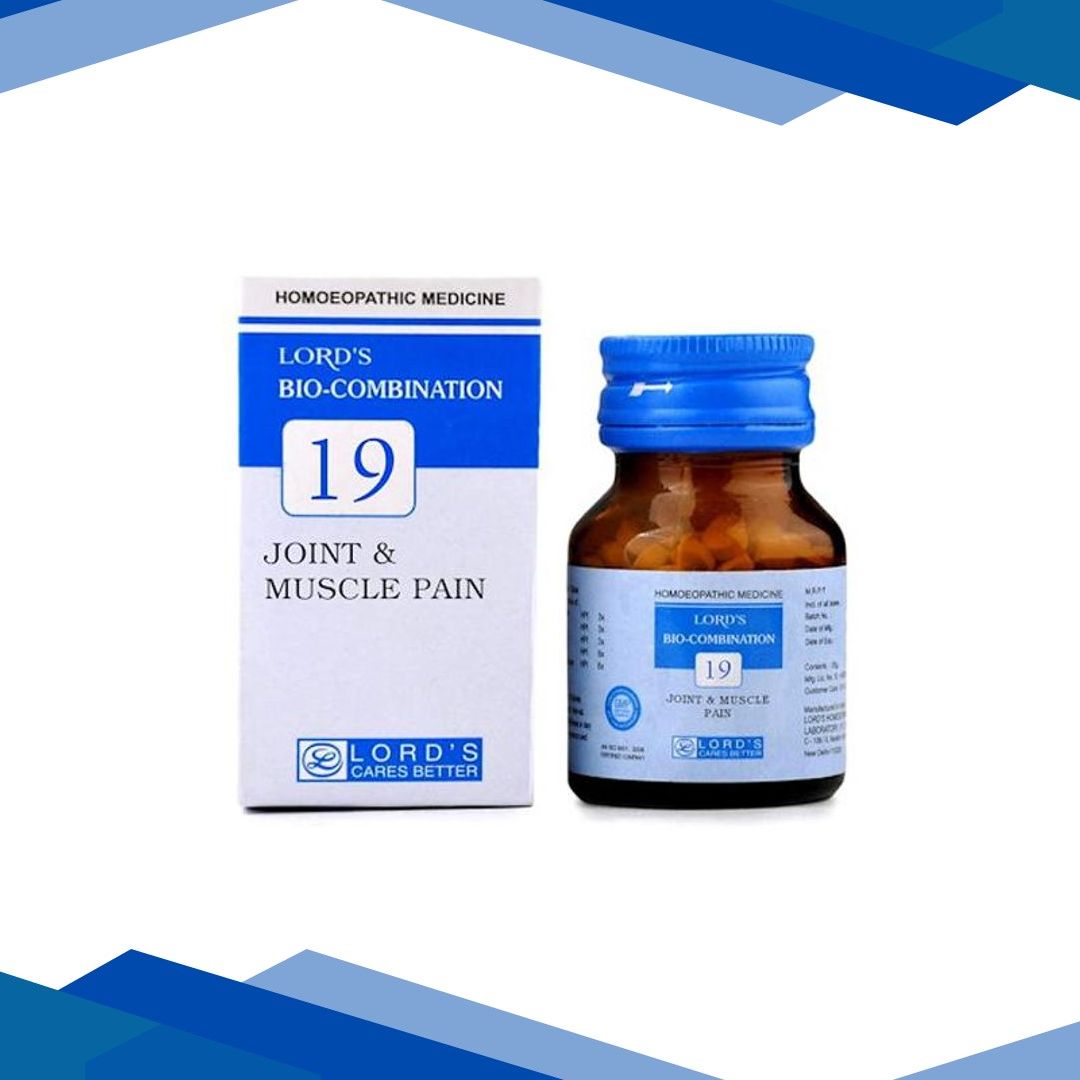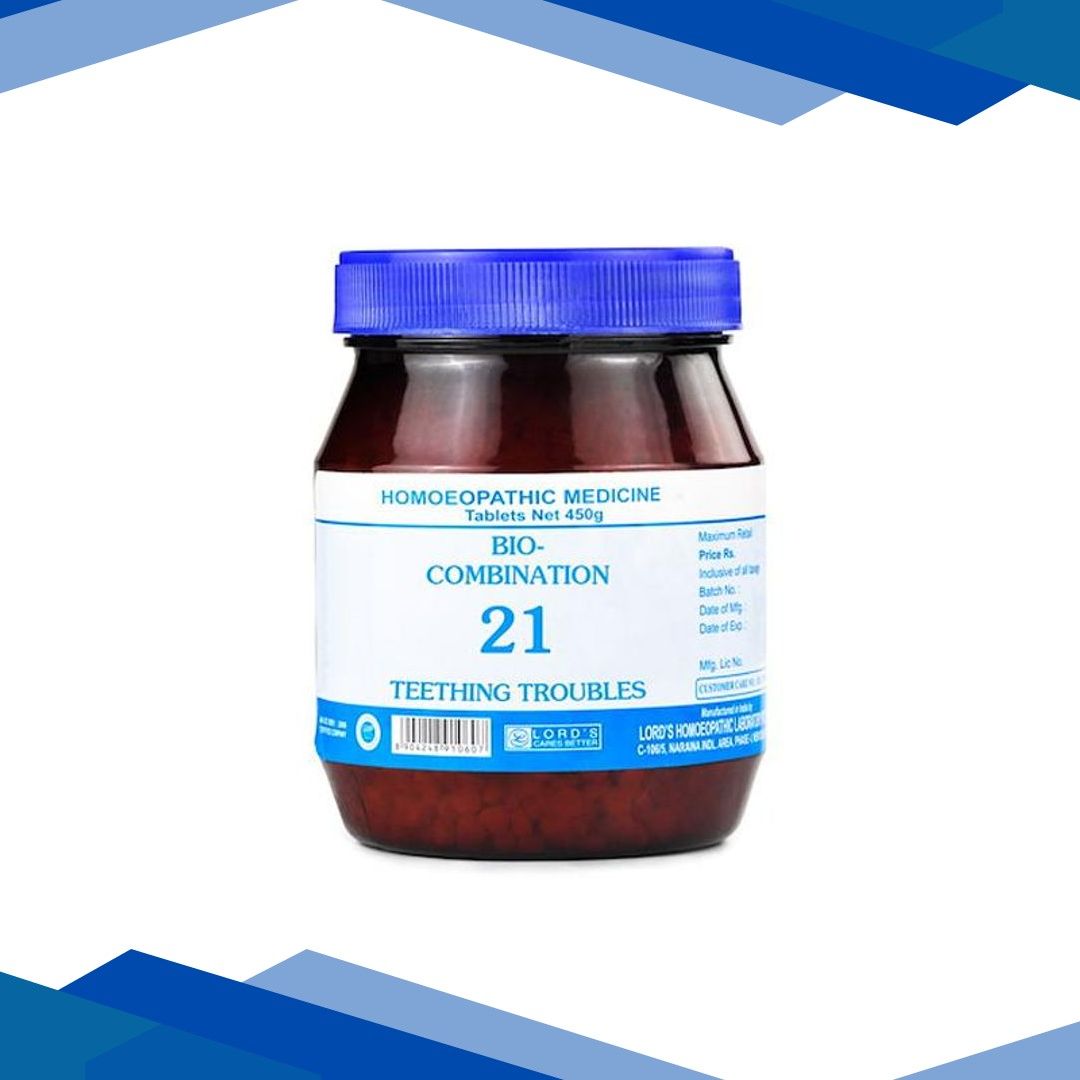
Lord’s Bio-Combination No 21 Tablet 450 gm
❌ Due to high demand, this product is currently out of stock. New stock will be available shortly.
👉 Click here to Buy Same Salt medicine
Lord’s Bio-Combination No 21 Tablet 450 is an intravenous fluid used to replace water and essential electrolytes in the body. It works by helping restore normal fluid balance, support nerve and muscle function, and maintain proper heart rhythm and blood pressure. The sodium salts help replenish body salts and fluids, while potassium and calcium support muscle activity and other vital body processes. Sodium lactate is also converted by the body into bicarbonate, which may help correct mild acid-base imbalance. This medicine is commonly used in hospitals for dehydration, fluid loss after surgery or illness, and situations where electrolytes need to be corrected. It should be given under medical supervision to ensure safe and appropriate use.
Description
Lord’s Bio-Combination No 21 Tablet 450 is a sterile electrolyte and fluid replacement preparation commonly used in medical settings to help restore the body’s fluid balance and essential mineral levels. it is typically given intravenously, which means it enters the bloodstream directly under the supervision of a healthcare professional. this type of formulation is often used when a person has lost body fluids due to illness, surgery, burns, vomiting, diarrhea, or other conditions that cause dehydration and electrolyte imbalance.
this medicine works by replacing important ions that the body needs for normal cell function, nerve signaling, muscle contraction, heart rhythm, and acid-base balance. sodium and chloride help maintain fluid distribution and support the body’s circulating volume. potassium is essential for proper muscle and nerve activity, especially the heart. calcium plays a critical role in muscle function, blood clotting, and nerve transmission. lactate acts as a buffering component that the body can convert into bicarbonate, helping support normal ph balance in some clinical situations.
because this is an intravenous electrolyte solution, it is not intended for self-administration in routine home use. it is used by trained healthcare providers in hospitals, emergency departments, surgery centers, and infusion settings. the exact choice of this fluid depends on the patient’s hydration status, blood tests, kidney function, heart function, and overall medical condition. it is especially useful when a balanced replacement of fluids and electrolytes is needed rather than plain water or a simple saline solution alone.
this medicine is for people who require medical correction of fluid loss or electrolyte depletion. it may be used in adults and, in some situations, children, depending on clinical need and professional judgment. careful monitoring is important because giving too much fluid or electrolyte replacement can be harmful, especially in people with kidney disease, heart failure, liver disease, or conditions affecting salt and mineral balance.
ingredients
- sodium lactate: this component helps provide a buffer that can support acid-base balance in the body. after metabolism, lactate can be converted into bicarbonate, which may help correct mild metabolic acidosis in appropriate clinical situations. it also contributes sodium, which is important for maintaining fluid volume and nerve function.
- sodium chloride: this is a major source of sodium and chloride, two essential electrolytes that help regulate hydration, blood pressure, nerve impulses, and the balance of fluids inside and outside cells. it is commonly used to replace sodium losses due to dehydration or fluid loss.
- potassium chloride: potassium is vital for the electrical activity of muscles and nerves, especially the heart. this ingredient helps prevent or correct low potassium levels, which can cause weakness, cramps, fatigue, and abnormal heart rhythms. it must be used carefully because both low and high potassium levels can be dangerous.
- calcium chloride: calcium supports bone and muscle function, nerve transmission, blood clotting, and normal heart activity. in intravenous solutions, it helps replace calcium losses and may be especially important in situations where calcium levels are reduced or when rapid correction is needed under supervision.
- water for injection / vehicle: the liquid base allows the electrolytes to be delivered directly into the bloodstream in a controlled and sterile manner. it ensures accurate dosing and rapid distribution throughout the body.
key uses
- fluid replacement in dehydration: used to restore body fluids when dehydration occurs due to vomiting, diarrhea, fever, excessive sweating, or reduced oral intake. it helps improve circulation and supports organ function.
- electrolyte replenishment: helps correct or prevent losses of sodium, potassium, calcium, and chloride. this is important when blood tests show imbalances that may affect the heart, muscles, or nervous system.
- support during surgery or acute illness: often given when patients cannot take enough fluids by mouth or need intravenous support during or after surgery, trauma, or severe illness.
- maintenance of hydration in hospitalized patients: may be used as part of ongoing fluid therapy when patients need controlled replacement of water and electrolytes over time.
- management of acid-base balance: the lactate component may help support buffering of excess acidity in the body, depending on the patient’s condition and lab results.
- replacement after fluid losses: helpful after burns, bowel losses, drainage, or other conditions that lead to significant loss of body fluids and minerals.
how to use
this medicine is administered only by a doctor, nurse, or other trained healthcare professional, usually through an intravenous line. it should be used exactly as prescribed or ordered in a clinical setting. the infusion rate, total amount, and duration depend on the patient’s age, weight, medical condition, fluid losses, and laboratory values. it is not meant for casual use, and the infusion should never be started, stopped, or changed without professional guidance.
before and during treatment, healthcare providers may monitor blood pressure, heart rate, urine output, and blood tests such as electrolytes, kidney function, and acid-base status. this monitoring helps ensure the body is responding safely and that the solution is not causing sodium overload, potassium abnormalities, calcium disturbances, or fluid buildup. if symptoms such as swelling, breathing difficulty, chest discomfort, or unusual weakness occur during infusion, the healthcare team should be informed immediately.
the solution is generally given in a hospital or clinic where sterile technique can be maintained. it should not be mixed or combined with other medicines unless a healthcare professional confirms compatibility. some drugs can react with calcium-containing solutions or may not be suitable for co-infusion in the same line. if you are a patient or caregiver, follow the instructions of the treating team carefully and do not attempt home administration unless specifically trained and directed.
safety information
- warnings: this product must be used cautiously because incorrect dosing or rapid infusion can lead to fluid overload, electrolyte imbalances, or heart rhythm problems. extra caution is needed in patients with kidney disease, heart disease, high blood pressure, edema, liver disease, or conditions affecting potassium or calcium levels. it should be monitored carefully in people receiving other electrolyte therapies.
- side effects: common side effects may include mild discomfort at the injection site, vein irritation, redness, or swelling. some patients may experience nausea, flushing, or a feeling of fullness from fluid administration. serious side effects can include severe electrolyte imbalance, fluid overload, shortness of breath, chest pain, abnormal heartbeat, high blood pressure, confusion, muscle weakness, seizures, or signs of allergic reaction such as rash, itching, swelling, or trouble breathing.
- precautions: use with caution or avoid if you have severe kidney impairment, untreated high potassium, high calcium, severe fluid retention, uncontrolled heart failure, or conditions where the body cannot properly handle electrolytes. older adults may be more sensitive to fluid overload. patients who are dehydrated but also have cardiac or renal disease need close medical supervision.
- pregnancy/breastfeeding: this type of iv fluid may be used during pregnancy or breastfeeding when medically necessary, but only under professional supervision. the benefits and risks should be assessed by the healthcare provider, especially if the mother has blood pressure problems, kidney disease, or pregnancy-related complications. do not use without medical advice.
- interactions: drug interactions can occur with medicines that affect potassium, calcium, or fluid balance. examples include diuretics, ace inhibitors, arbs, potassium-sparing drugs, corticosteroids, digoxin, and certain antibiotics or intravenous medications that are incompatible with calcium-containing solutions. alcohol is not directly combined with this medicine, but alcohol use can worsen dehydration and electrolyte imbalance. always tell your healthcare team about all medicines, supplements, and herbal products being used.
additional information
- storage: store in the original container as directed by the manufacturer or healthcare facility, usually at controlled room temperature and away from excessive heat, freezing, and direct light. do not use if the solution is cloudy, discolored, leaking, or contains visible particles. sterility must be preserved.
- missed dose: if a scheduled infusion is missed, do not self-administer or double the dose. contact the healthcare provider or infusion center for instructions. the need for the missed dose depends on the clinical situation and blood test results.
- overdose: overdose may lead to excess fluid in the body, swelling, raised blood pressure, worsening breathing, or dangerous changes in sodium, potassium, or calcium levels. symptoms may also include confusion, weakness, irregular heartbeat, or reduced urine output. seek urgent medical attention immediately if overdose is suspected.
- habit forming: no. this medicine is not habit forming or addictive. it is a medical replacement fluid used for short-term or monitored correction of dehydration and electrolyte disturbances.
frequently asked questions
Q: what is Lord's Bio-Combination No 21 Tablet 450 used for?
A: it is used to replace fluids and essential electrolytes in people who are dehydrated, have lost body fluids, or need intravenous support during illness or surgery. it may also help maintain acid-base balance in some cases.
Q: is this medicine the same as regular drinking water or oral rehydration?
A: no. it is an intravenous medical solution given by healthcare professionals. it is used when oral fluids are not enough or not possible, and it provides a controlled balance of electrolytes that differs from drinking water or standard oral rehydration.
Q: can Lord's Bio-Combination No 21 Tablet 450 cause side effects?
A: yes. possible side effects include vein irritation, swelling, fluid overload, and abnormal electrolyte levels. serious reactions are uncommon but can occur, especially if the solution is used too quickly or in patients with kidney, heart, or electrolyte problems.
Q: who should be careful before receiving this medicine?
A: people with kidney disease, heart failure, high blood pressure, swelling, high potassium, high calcium, or severe liver problems should be closely monitored. the healthcare provider may adjust treatment based on blood tests and overall condition.
Q: can this medicine be taken at home without a doctor?
A: no. it must be given intravenously by trained healthcare professionals in a sterile setting. self-administration is not recommended because incorrect use can be dangerous.
Q: does this medicine contain potassium and calcium?
A: yes, it contains both potassium chloride and calcium chloride. these minerals are essential but must be used carefully because too much can cause serious complications.
Q: what should i tell my doctor before receiving this fluid?
A: tell your doctor about kidney problems, heart disease, blood pressure issues, swelling, liver disease, pregnancy, breastfeeding, and all medicines you take, especially diuretics, blood pressure medicines, and heart medications.
Q: can this medicine interact with other intravenous drugs?
A: yes. some medicines may not be compatible with calcium-containing iv solutions or may require a different line or timing. healthcare professionals should always check compatibility before mixing or co-infusing drugs.
Q: what are signs that too much of this fluid is being given?
A: signs may include swelling, difficulty breathing, sudden weight gain, headache, confusion, or a fast or irregular heartbeat. these symptoms require prompt medical attention.
Q: is this medicine addictive or habit forming?
A: no. it is not addictive. it is a medical replacement fluid used for hydration and electrolyte management under supervision.
Q: can pregnant or breastfeeding women use it?
A: it may be used if a healthcare professional decides it is necessary. the decision depends on the medical condition, the need for fluid replacement, and the patient’s overall health status.
Q: why are electrolytes like sodium, potassium, chloride, and calcium important?
A: they help regulate hydration, nerve signals, muscle contraction, heart rhythm, acid-base balance, and blood clotting. losing them can cause weakness, dizziness, cramps, and serious medical problems.
Q: will i feel immediate effects after receiving it?
A: some people may feel better as dehydration improves, but the response depends on the severity of fluid loss and the underlying illness. lab monitoring is often needed to confirm correction.
Q: can this solution be used in kidney disease?
A: it may be used only with caution and close monitoring. kidney disease can make it harder to remove excess fluid and electrolytes, so treatment must be individualized by a healthcare professional.
Q: why is lactate included in the solution?
A: lactate can act as a buffer and may help the body support normal ph balance after it is metabolized. it is one of the features that makes the solution useful in certain clinical settings.
this information is for educational purposes only and should not be considered medical advice. always consult a qualified healthcare professional before use.
At Gem Pharmacy, we make every effort to provide accurate, expert-written, and thoroughly reviewed information related to medicines. However, this information should not be considered a substitute for professional medical advice, diagnosis, or treatment from a qualified doctor.
The purpose of this information is to educate users and improve communication between patients and healthcare professionals. It should not be used to diagnose or treat any condition.
Always consult a certified healthcare professional before taking any medication.


Related products

Lord’s Bio-Combination No 7 Tablet 450 gm
Lord’s Bio-Combination No 23 Tablet 450 gm

Lord’s Bio-Combination No 21 Tablet 25 gm