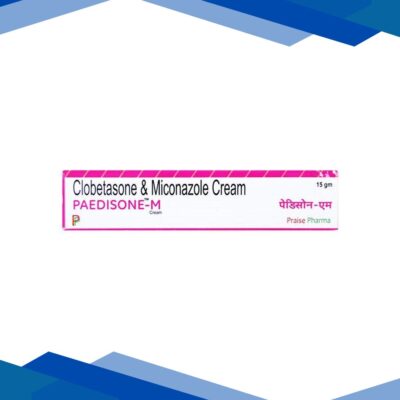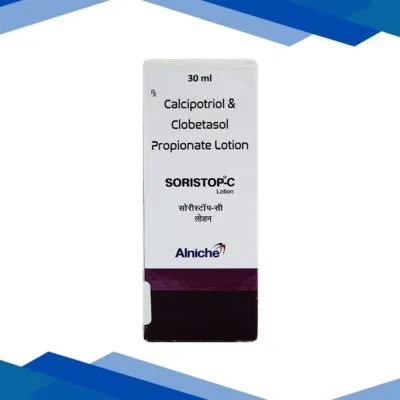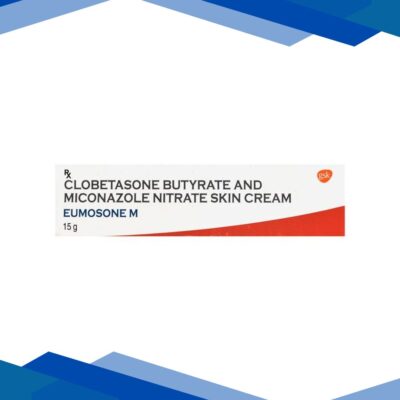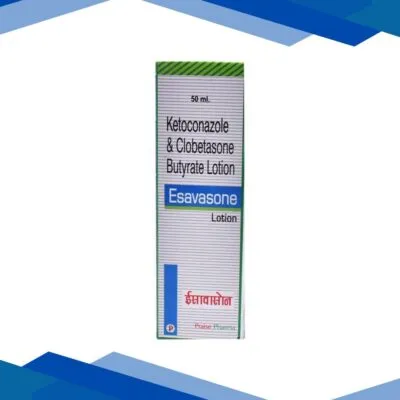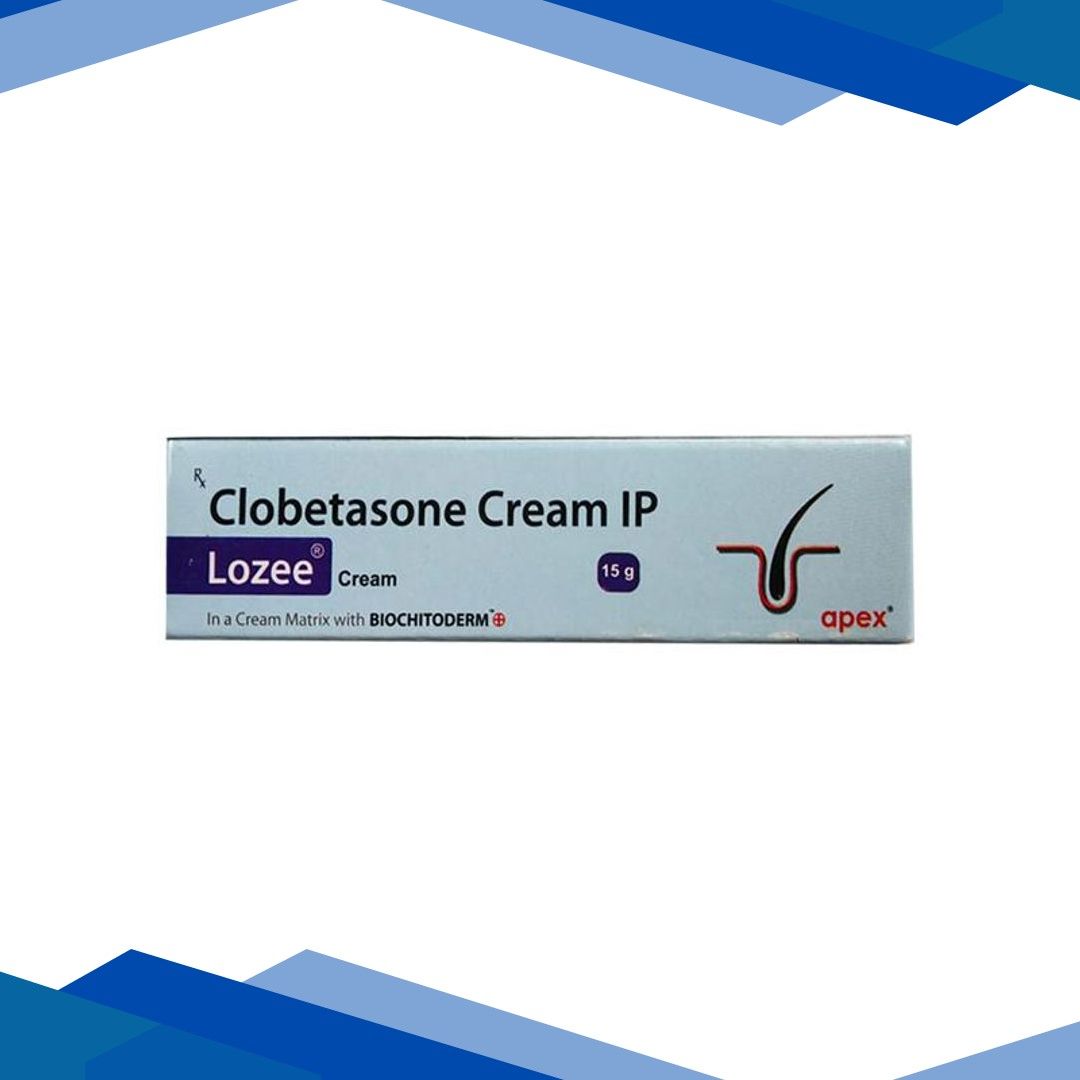
Lozee Cream 15gm
Lozee Cream is a corticosteroid medicine used to reduce inflammation, redness, and itching in the skin. It works by calming the body’s immune response in the affected area, which helps relieve discomfort and improve irritated skin conditions. Lozee Cream is commonly used for inflammatory skin problems such as eczema, dermatitis, and other steroid-responsive rashes. It can help soothe swelling, dryness, and irritation when the skin becomes overactive or inflamed. This medicine is meant for short-term or supervised use, as directed by a healthcare professional, because long-term or improper use may lead to unwanted effects. Lozee Cream does not treat infections, so it should only be used when recommended for the right condition.
Description
Lozee Cream is a topical corticosteroid medicine used to reduce inflammation, redness, swelling, and itching in a variety of skin conditions. it works by calming an overactive immune response in the skin, which helps relieve symptoms such as irritation, scaling, and discomfort. in general, medicines in this class are prescribed when the skin is inflamed due to conditions like eczema, dermatitis, or other steroid-responsive rashes. because it acts locally on the skin, it is often chosen to control troublesome flare-ups and improve day-to-day comfort when used appropriately under medical guidance.
Lozee Cream helps by suppressing the release of inflammatory substances in the skin. when the skin is irritated, the body sends immune cells and chemical messengers to the area, which can worsen redness, swelling, and itching. Lozee Cream reduces this response, allowing the skin to settle and heal more comfortably. it may also reduce the urge to scratch, which is important because scratching can damage the skin barrier and lead to more irritation or infection. this makes it especially useful for short-term management of inflammatory skin problems that do not respond well to simple moisturizers alone.
this medicine is intended for people with conditions where inflammation is a major feature and where a clinician believes a corticosteroid is appropriate. it is not a cure for the underlying tendency of the skin to become inflamed, but it can provide meaningful symptom relief. depending on the form prescribed, it may be used on different parts of the body, although care is needed on thin or sensitive skin areas because steroid medicines can cause skin thinning or other side effects if overused. for that reason, Lozee Cream should be used exactly as directed by a healthcare professional.
as with all topical corticosteroids, the benefits of Lozee Cream must be balanced against potential risks. using too much, using it for too long, or applying it to large areas may increase the chance of local side effects. in some cases, absorption through the skin can occur, especially in children or when the skin is damaged. for that reason, medical supervision is important, particularly if symptoms are severe, long-lasting, or frequently recurring. if there is any uncertainty about whether the rash is inflammatory, infected, allergic, or caused by another condition, professional evaluation is recommended before starting treatment.
ingredients
- ingredient name: Lozee Cream – the active medicine that reduces inflammation, redness, and itching in steroid-responsive skin conditions. it works by lowering immune activity in the skin and calming irritated tissue, which can help improve comfort and appearance during flare-ups.
- base/formulation components: depending on the product form, Lozee Cream may be prepared in a cream, ointment, or similar topical base. these inactive components help the medicine spread evenly, stay on the skin, and be absorbed appropriately. the exact non-medicinal ingredients vary by manufacturer and product type.
- emollient or vehicle ingredients: some formulations may include moisturizing or stabilizing agents that improve texture and skin feel. these do not treat the condition directly but can support application and tolerance, especially on dry or sensitive skin.
key uses
- eczema and atopic dermatitis: helps reduce flare-up symptoms such as itching, redness, and inflamed patches. it may be especially helpful when moisturizers alone are not enough to control symptoms.
- contact dermatitis: used for skin inflammation caused by exposure to irritants or allergens. it can ease redness, swelling, and discomfort while the trigger is being avoided.
- other steroid-responsive dermatoses: may be prescribed for certain rashes and inflammatory skin conditions that respond to corticosteroids, based on a clinician’s assessment.
- itchy inflamed skin: can reduce the itch-inflammation cycle, which may help prevent scratching-related damage and secondary irritation.
- localized inflammatory skin lesions: useful where inflammation is confined to a small area and short-term topical steroid treatment is appropriate.
how to use
Lozee Cream should be applied only to the affected skin area and only as directed by a healthcare professional. before applying, the skin should usually be clean and dry. a small amount is generally sufficient; using more medicine does not necessarily make it work better and may increase the risk of side effects. it is typically spread in a thin, even layer and rubbed in gently until absorbed. hands should be washed after application unless the hands themselves are being treated. avoid getting the medicine in the eyes, mouth, nose, or other mucous membranes unless a clinician specifically instructs otherwise.
the timing and frequency of use depend on the condition being treated and the formulation prescribed. in general, topical corticosteroids are used for short periods to control flare-ups and then reduced or stopped once the skin improves. long-term continuous use should be avoided unless a doctor has advised it, because prolonged exposure can increase the risk of skin thinning, stretch marks, or other local problems. if a moisturizer is also being used, a clinician or pharmacist may advise applying it at a different time of day to minimize interference and improve overall skin care.
do not cover the treated area with airtight dressings or bandages unless specifically instructed, because this can increase absorption and side effects. extra caution is needed when using the medicine on the face, groin, armpits, or broken skin, as these areas can absorb steroid medicines more readily. if the rash becomes worse, starts oozing, develops crusting, or does not improve as expected, it is important to seek medical advice. the condition may require a different treatment, or there may be an infection that needs specific therapy.
safety information
- warnings: use Lozee Cream exactly as prescribed. prolonged or excessive use can lead to skin thinning, visible blood vessels, stretch marks, pigment changes, or irritation. it should not be used on untreated fungal, viral, or bacterial skin infections unless a healthcare professional has also addressed the infection. avoid contact with the eyes and do not use it on large areas for extended periods without medical supervision. children may be more sensitive to steroid effects because of their thinner skin and greater surface-area-to-body-weight ratio.
- side effects: common side effects may include mild burning, stinging, dryness, itching, or temporary redness at the application site. more serious effects can include skin thinning, easy bruising, changes in skin color, acne-like eruptions, increased hair growth in the treated area, delayed healing, or worsening of infection. rarely, especially with large-area or prolonged use, systemic steroid effects may occur such as adrenal suppression or symptoms related to too much corticosteroid exposure.
- precautions: use caution in people with sensitive skin, damaged skin, chronic leg ulcers, or skin infections. extra care is needed in infants, children, older adults, and people who have used steroid creams for long periods. individuals with glaucoma or cataracts should be careful when applying near the eyes, as corticosteroids can worsen eye-related problems if used improperly. if the diagnosis is uncertain, a clinician should evaluate the skin before starting treatment.
- pregnancy/breastfeeding: topical corticosteroids may be used during pregnancy or breastfeeding only when clearly needed and under medical guidance. the goal is usually to use the smallest effective amount for the shortest time. during breastfeeding, avoid application on the breast area where the infant might come into direct contact with the medicine. if treatment is necessary on or near the breast, follow a clinician’s instructions carefully.
- interactions: because Lozee Cream is applied to the skin, drug interactions are less common than with oral medicines, but they can still matter if large amounts are used or if the skin barrier is damaged. using multiple steroid products at the same time may increase side effects. concurrent use of other irritating topical products, such as harsh acne treatments, exfoliants, or alcohol-based preparations, may worsen skin irritation. alcohol does not typically interact directly with topical Lozee Cream, but heavy alcohol use may indirectly affect skin healing and overall health.
additional information
- storage: store at room temperature in a dry place away from direct heat, moisture, and sunlight. keep the container tightly closed when not in use. do not freeze unless the product label specifically allows it. keep out of reach of children.
- missed dose: if a dose is missed, apply it when remembered unless it is almost time for the next application. in that case, skip the missed dose and return to the regular schedule. do not apply extra medicine to make up for the missed application.
- overdose: overuse on the skin may cause increased local side effects such as burning, redness, thinning of the skin, or worsening irritation. using very large amounts over time may also lead to absorption into the body and possible steroid-related effects. if too much has been applied or if the medicine has been swallowed, seek medical advice promptly, especially if a child is involved.
- habit forming: no. Lozee Cream is not habit forming in the addiction sense. however, the skin condition itself may flare again if treatment is stopped suddenly or if the underlying trigger remains present, which can make it seem like the medicine is being “needed” repeatedly.
frequently asked questions
Q: what is Lozee Cream used for?
A: Lozee Cream is used for inflammatory skin conditions that respond to corticosteroids, such as eczema and dermatitis. it helps reduce redness, swelling, and itching when applied to the affected area as directed by a healthcare professional.
Q: how long does Lozee Cream take to work?
A: some people notice improvement in itching and redness within a short time, but the exact response varies depending on the condition, severity, and how consistently the medicine is used. if symptoms do not improve or worsen, medical advice should be sought.
Q: can Lozee Cream be used on the face?
A: the face can absorb topical steroids more readily and is more prone to side effects such as thinning or irritation. it should only be used on the face if a healthcare professional specifically recommends it and for the shortest appropriate time.
Q: is Lozee Cream safe for children?
A: children may be more sensitive to corticosteroids because more medicine can be absorbed through their skin relative to body size. it may still be prescribed when appropriate, but only with careful medical supervision and limited use as directed.
Q: can i use moisturizer with Lozee Cream?
A: yes, moisturizers are often an important part of skin care and may be used alongside topical corticosteroids. a clinician or pharmacist may advise spacing them apart so each product works effectively and the skin remains hydrated.
Q: what should i do if my skin gets worse after using Lozee Cream?
A: stop using the product unless a healthcare professional tells you otherwise and seek medical advice. worsening could mean irritation, allergy, infection, or that the condition needs a different treatment.
Q: can Lozee Cream treat fungal infections?
A: no. topical corticosteroids can sometimes mask symptoms of fungal infections and may make them worse if used alone. a fungal infection needs the correct antifungal treatment, so proper diagnosis is important.
Q: should i apply more if the itching is severe?
A: no. applying extra medicine usually does not improve results and can increase the risk of side effects. use only a thin layer as directed and consult a clinician if the symptoms are not controlled.
Q: can Lozee Cream be used for a long time?
A: long-term continuous use is generally not recommended unless specifically supervised by a healthcare professional. prolonged use can increase the risk of skin thinning and other local or systemic steroid effects.
Q: what if i accidentally get Lozee Cream in my eyes?
A: rinse the eyes gently with plenty of clean water and seek medical advice if irritation persists or if there is vision change. topical corticosteroids should generally be kept away from the eyes unless a clinician has instructed otherwise.
this information is for educational purposes only and should not be considered medical advice. always consult a qualified healthcare professional before use.
At Gem Pharmacy, we make every effort to provide accurate, expert-written, and thoroughly reviewed information related to medicines. However, this information should not be considered a substitute for professional medical advice, diagnosis, or treatment from a qualified doctor.
The purpose of this information is to educate users and improve communication between patients and healthcare professionals. It should not be used to diagnose or treat any condition.
Always consult a certified healthcare professional before taking any medication.


Related products