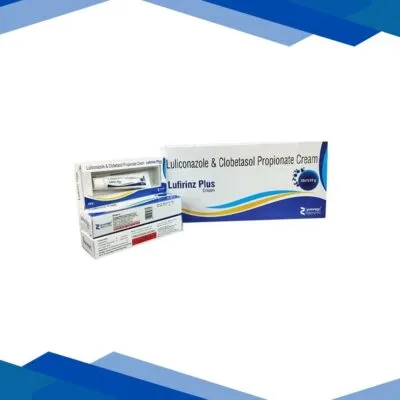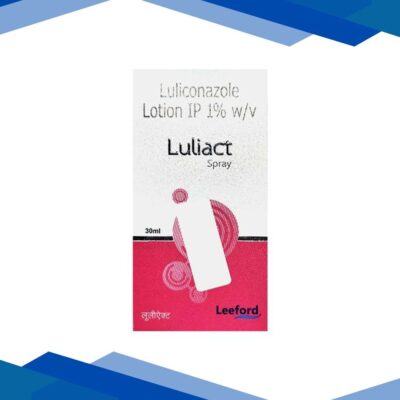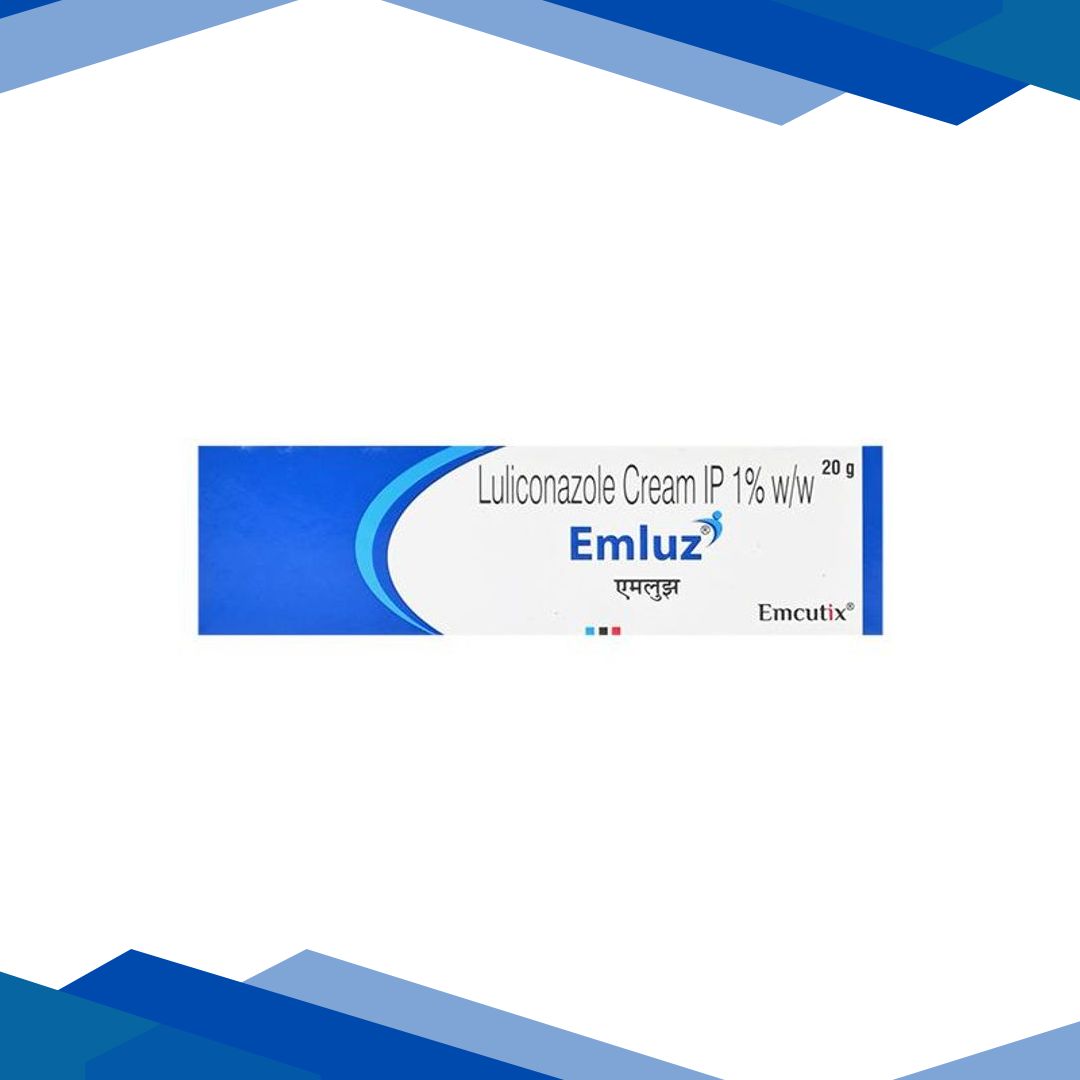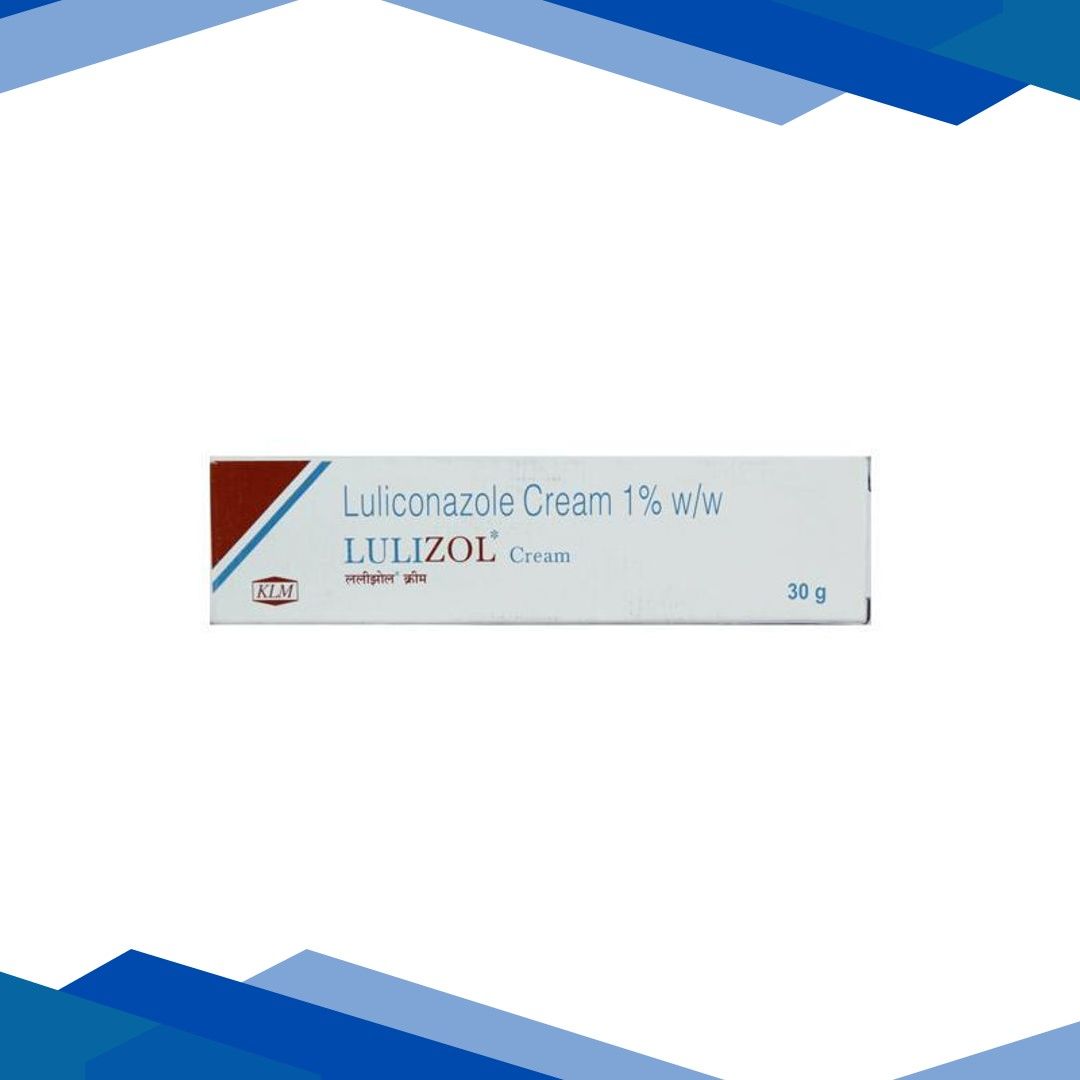
Lulizol Cream 30gm
Lulizol Cream is a combination medicine used on the skin to treat mixed infections with inflammation. It contains clobetasol propionate, a strong corticosteroid that helps reduce redness, swelling, and itching; gentamicin, an antibiotic that fights certain bacteria; and tolnaftate, iodochlorhydroxyquinoline, and clotrimazole, which help stop the growth of fungi and yeast. Because of this combined action, it is mainly used for skin conditions where bacterial and fungal infections occur along with irritation, such as infected rashes, inflamed fungal skin infections, and itchy, red patches. It should be used only under medical guidance, as it is meant for short-term treatment of specific skin problems.
Description
Lulizol Cream is a combination topical medicine used for certain inflammatory skin conditions that may also have bacterial and fungal involvement. it is designed to address more than one problem at the same time: inflammation, itching, redness, bacterial infection, and fungal infection. because skin rashes and infections can overlap, combination products like this are sometimes prescribed when a clinician suspects mixed infection or significant irritation with secondary microbial growth. however, this medicine should be used only when specifically recommended by a healthcare professional, because one of its ingredients is a very potent corticosteroid and inappropriate use can cause harm.
the corticosteroid component, clobetasol propionate, helps reduce swelling, redness, and itching by suppressing the local inflammatory response in the skin. gentamicin is an antibiotic that works against certain bacteria, especially susceptible gram-negative and some gram-positive organisms. tolnaftate and clotrimazole are antifungal agents that help stop fungal growth by interfering with fungal cell processes. iodochlorhydroxyquinoline is an antiseptic and antimicrobial agent that can help reduce the number of microorganisms on the skin. together, these ingredients provide broad local action, which can be useful in selected cases of infected or inflamed skin lesions when a clinician believes both infection and inflammation need treatment.
this medicine is generally meant for short-term external use on the skin, and it is not suitable for all rashes, especially if the underlying cause is viral, purely allergic, or due to skin conditions such as acne, rosacea, or untreated eczema without infection. because clobetasol is very strong, prolonged use or use on large areas can increase the risk of skin thinning, stretch marks, and other steroid-related side effects. a proper diagnosis is important before starting treatment, and follow-up is often needed if symptoms do not improve or if they worsen.
people who may be prescribed this product include adults with localized skin conditions where a healthcare provider suspects both inflammation and infection, such as certain intertriginous rashes, infected dermatitis, or mixed superficial fungal and bacterial skin problems. it is not usually a first-choice product for routine minor rashes. the exact formulation and indication can vary by country and manufacturer, so patients should always follow the specific instructions provided with their prescription or product label.
ingredients
- clobetasol propionate: a very potent topical corticosteroid that reduces inflammation, itching, redness, and swelling. it is valuable when the skin reaction is severe, but because it is strong, it must be used carefully and usually for a limited time. overuse may cause skin thinning, visible blood vessels, steroid acne, pigment changes, or suppression of the body’s natural steroid response if used extensively.
- gentamicin: a topical aminoglycoside antibiotic used to treat or suppress certain bacterial skin infections. it helps reduce bacterial overgrowth that can worsen oozing, crusting, tenderness, and delayed healing. it should only be used for bacterial susceptibility; it is not effective for all bacteria and does not treat fungal or viral infections.
- tolnaftate: an antifungal medicine effective against many dermatophytes that commonly cause ringworm, athlete’s foot, and jock itch. it helps inhibit fungal growth and supports recovery when a fungal infection is part of the skin problem. it is generally used externally and is not a substitute for oral antifungal therapy in severe or widespread infections.
- iodochlorhydroxyquinoline: an antiseptic and antimicrobial agent that helps reduce the load of microorganisms on the skin surface. it may contribute to controlling superficial mixed infections, although it is not a replacement for targeted treatment when a specific pathogen is identified. its role is supportive, especially in combination formulations.
- clotrimazole: a broad antifungal agent from the imidazole class that treats common superficial fungal infections by damaging the fungal cell membrane. it is widely used for skin fungal infections such as ringworm, jock itch, and yeast-related skin irritation. it complements tolnaftate by broadening antifungal coverage in some mixed-infection situations.
key uses
- inflamed skin with suspected mixed infection: this medicine may be used when redness, itching, and swelling are accompanied by bacterial or fungal contamination. it helps address both the inflammatory symptoms and the microbial component.
- superficial fungal skin infections with marked irritation: the antifungal ingredients help control fungal growth, while clobetasol may reduce intense inflammation. this can be relevant when the skin is very inflamed, although the steroid must be used cautiously.
- secondary infection of dermatitis or eczema: when scratched or damaged skin becomes secondarily infected, topical antibacterial and antifungal support may be needed along with anti-inflammatory treatment. this combination is sometimes selected for short-term control.
- localized bacterial contamination of irritated skin: gentamicin and iodochlorhydroxyquinoline can help lower bacterial burden in small, superficial infected areas. this may improve crusting, discharge, and tenderness when the organism is susceptible.
- pruritic rashes where fungal infection is a concern: the antifungal components may be helpful in itchy skin conditions that have a fungal cause or overlap. accurate diagnosis is important because steroids can mask or worsen some untreated infections if used incorrectly.
how to use
this medicine is for external use only and should be applied exactly as directed by a healthcare professional. clean and dry the affected area gently before application. a thin layer is usually enough to cover the involved skin; using more does not make it work better and can increase the chance of side effects. wash your hands before and after applying, unless the hands are the area being treated. avoid applying it to broken skin, large open wounds, or areas not specifically recommended by the prescriber unless instructed otherwise.
the frequency and duration of use depend on the condition being treated, the extent of the rash, and the severity of symptoms. because clobetasol propionate is a high-potency corticosteroid, this product is generally intended for short-term use only. do not cover the treated area with tight bandages, plastic wraps, or occlusive dressings unless your clinician specifically tells you to do so, since this can increase absorption and raise the risk of steroid-related adverse effects. keep the medicine away from the eyes, mouth, inside the nose, and genital mucosa unless a healthcare professional has directed otherwise.
if the condition does not improve within the expected time or if it worsens, medical review is important. persistent redness, increasing pain, pus, spreading rash, fever, or no response at all may indicate the diagnosis is wrong, the organism is resistant, or a stronger/different treatment is needed. do not use this medicine for longer than prescribed, and do not share it with others even if they have similar symptoms.
safety information
- warnings: this product contains clobetasol propionate, which is a very potent steroid. long-term use, frequent application, use over large body areas, or use under occlusion can cause skin thinning, striae, delayed healing, visible blood vessels, and possible suppression of the adrenal system. it may also mask infections or make some infections worse if used inappropriately. do not use on viral skin lesions such as herpes or chickenpox unless a doctor specifically advises it.
- side effects: common effects may include mild burning, stinging, itching, dryness, irritation, or redness at the application site. serious effects can include skin atrophy, hypopigmentation or hyperpigmentation, stretch marks, folliculitis, worsening infection, allergic contact dermatitis, and systemic steroid effects if absorbed excessively. gentamicin can rarely contribute to local irritation or allergic reactions. any signs of severe rash, swelling, breathing trouble, or rapidly worsening symptoms require urgent medical attention.
- precautions: use with caution in children, older adults, people with thin or sensitive skin, and patients with a history of steroid sensitivity. avoid prolonged use on the face, groin, armpits, and skin folds unless specifically directed, because these areas absorb medicine more readily. people with diabetes, immune suppression, chronic skin ulcers, glaucoma, or a history of recurrent skin infections should discuss risks with a clinician before use.
- pregnancy/breastfeeding: use during pregnancy or breastfeeding only if clearly needed and advised by a healthcare professional. topical medicines can still be absorbed, especially if used over large areas or for prolonged periods. if breastfeeding, do not apply to the breast area unless instructed, and ensure the infant does not contact treated skin.
- interactions: topical interactions are less common than oral ones, but using other skin products at the same time may increase irritation or interfere with absorption. avoid applying multiple medicated creams, strong exfoliants, alcohol-based lotions, or other corticosteroids on the same area unless directed. if you are using other antibiotics, antifungals, or steroids, inform your healthcare provider. alcohol does not usually interact directly with topical use, but excessive drinking may worsen skin healing in some people.
additional information
- storage: store in a cool, dry place away from direct sunlight and heat. keep the tube or container tightly closed. do not freeze unless the packaging specifically allows it. keep out of reach of children and pets.
- missed dose: if you forget a dose, apply it when you remember unless it is almost time for the next application. do not apply extra medicine to make up for the missed dose. resume the regular schedule as directed.
- overdose: excessive topical use may lead to stronger local side effects such as burning, redness, skin thinning, or worsening irritation. if a large amount is accidentally applied, gently remove the excess and seek advice from a healthcare professional, especially if the medicine was used over a large area or under occlusion.
- habit forming: no. this medicine is not habit forming. however, misuse of topical steroids can lead to dependence-like patterns where the skin flares after stopping, so it should still be used only as prescribed.
frequently asked questions
Q: what is Lulizol Cream used for?
A: it is used for selected inflamed skin conditions that may also involve bacterial and fungal infection. it helps reduce redness, itching, swelling, and microbial growth on the skin.
Q: can i use this medicine for ringworm or fungal rash on its own?
A: it may be prescribed in some cases where fungal infection is present with significant inflammation, but it is not suitable for all fungal rashes. because it contains a very potent steroid, it should not be used without medical advice.
Q: how long should i use it?
A: use only for the duration recommended by your healthcare professional. this product is generally intended for short-term use because of the clobetasol component, which can cause side effects if used too long.
Q: can it be applied on the face or sensitive areas?
A: usually it should be avoided on the face, groin, armpits, and skin folds unless a clinician specifically instructs otherwise. these areas absorb more medicine and are more prone to steroid-related side effects.
Q: what should i do if the rash gets worse after using it?
A: stop using it and contact a healthcare professional. worsening may mean the diagnosis is incorrect, the infection is not responding, or the medicine is causing irritation or allergy.
Q: is this medicine safe for children?
A: children are more sensitive to topical corticosteroids and may absorb more medicine through the skin. use in children should be guided by a doctor, and prolonged use should generally be avoided unless clearly advised.
Q: can i cover the treated area with a bandage?
A: only if your healthcare professional tells you to. occlusive dressings can increase absorption of clobetasol and raise the risk of side effects.
Q: does it treat viral infections like herpes or chickenpox?
A: no. this medicine is not meant for viral skin infections and may worsen some of them if used incorrectly. a proper diagnosis is essential.
Q: what are the signs that i may be having an allergic reaction?
A: signs may include increased redness, itching, swelling, rash spreading beyond the application site, hives, or difficulty breathing. seek urgent medical help if severe symptoms occur.
Q: can i use moisturizers with this medicine?
A: moisturizers may sometimes be used, but it is best to separate applications unless a clinician advises otherwise. ask your healthcare provider or pharmacist for the best way to combine skin products.
Q: why is clobetasol considered risky compared with other steroids?
A: clobetasol is a very high-potency corticosteroid. it works well for severe inflammation, but it can also cause more skin thinning and systemic absorption if overused, so careful supervision is important.
Q: should i stop using it once the itching improves?
A: do not stop or continue without following the prescribed plan. some conditions need a short full course, while others require reassessment if symptoms improve quickly or fail to improve.
Q: can i use it on broken skin or open wounds?
A: not unless specifically told by a healthcare professional. broken skin can absorb more medicine and may increase the risk of side effects or irritation.
Q: does it work immediately?
A: some relief from itching or redness may be noticed early, but complete improvement usually takes time. if there is no meaningful improvement, medical review is needed.
Q: can this medicine cause skin thinning?
A: yes. skin thinning is a known risk from the clobetasol component, especially with prolonged use, frequent application, or use on sensitive areas.
this information is for educational purposes only and should not be considered medical advice. always consult a qualified healthcare professional before use.
At Gem Pharmacy, we make every effort to provide accurate, expert-written, and thoroughly reviewed information related to medicines. However, this information should not be considered a substitute for professional medical advice, diagnosis, or treatment from a qualified doctor.
The purpose of this information is to educate users and improve communication between patients and healthcare professionals. It should not be used to diagnose or treat any condition.
Always consult a certified healthcare professional before taking any medication.


Related products