
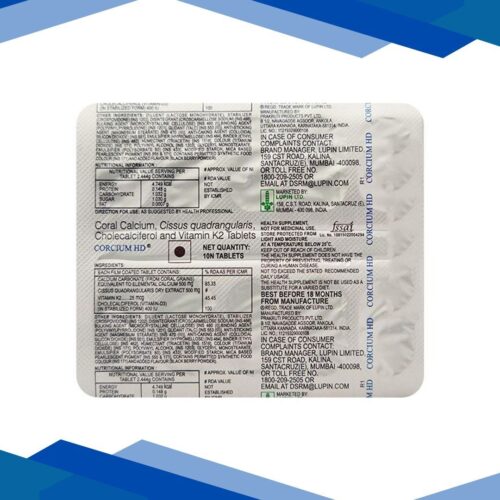
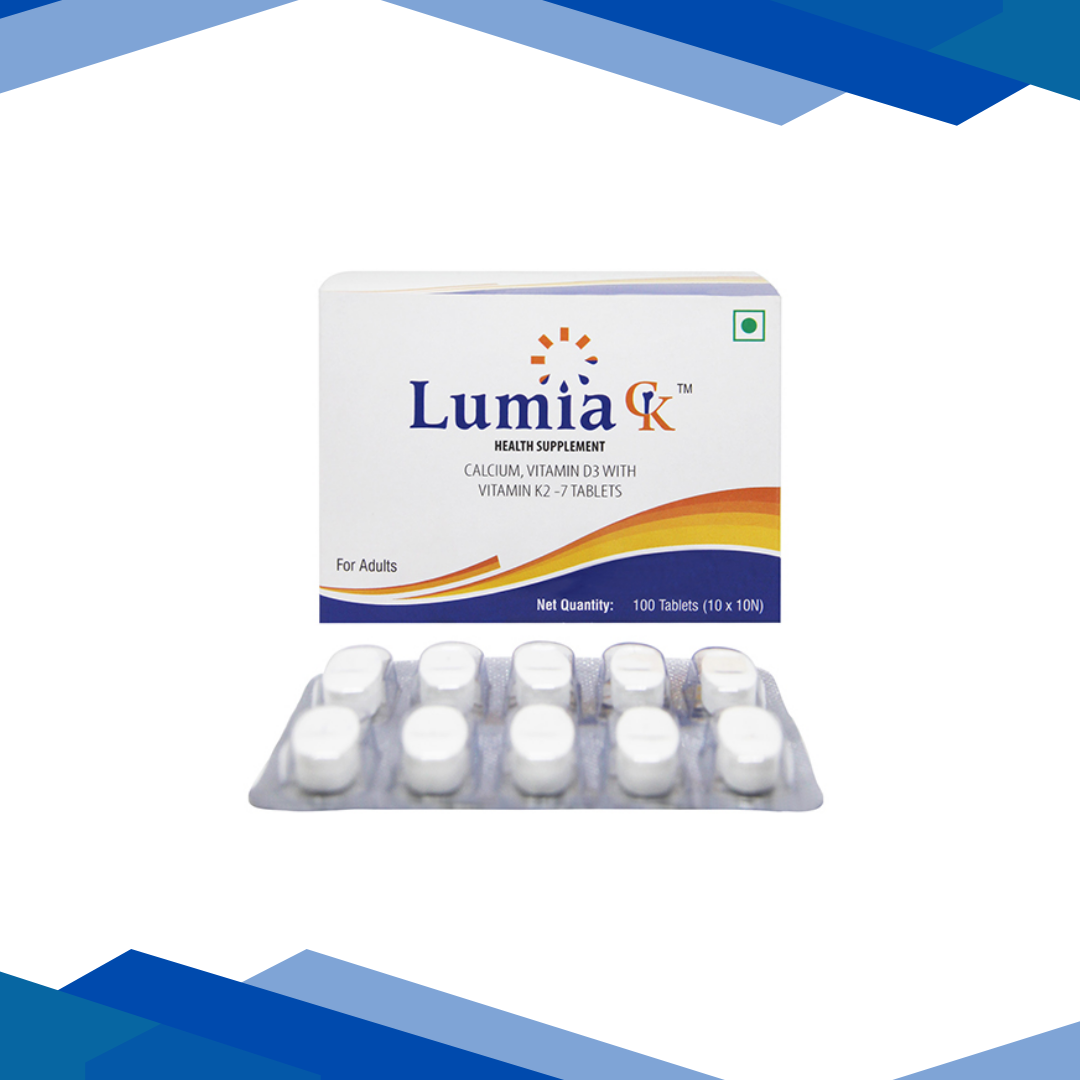
Lumia Ck
Calcium
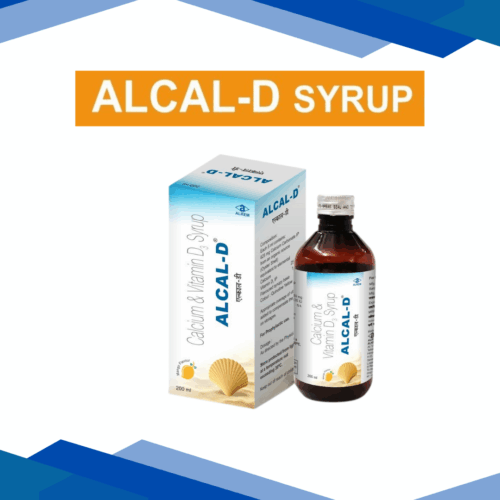
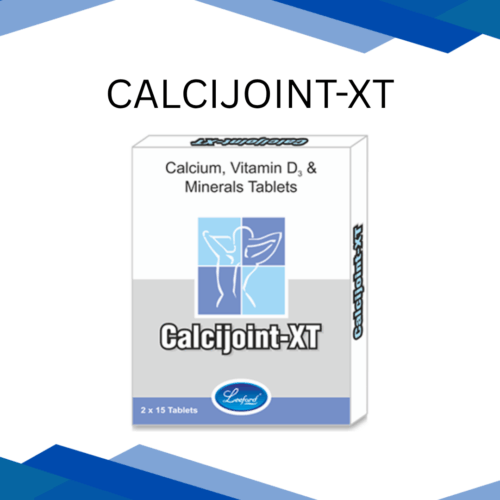
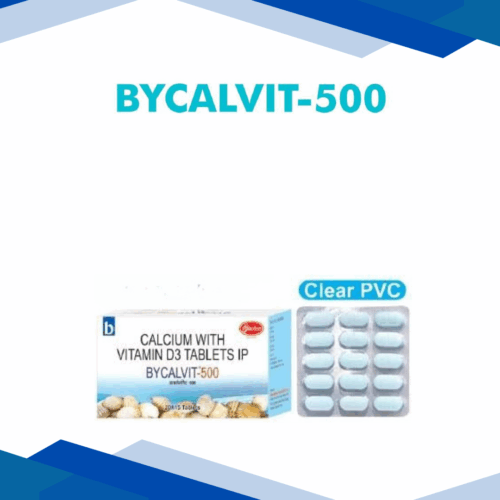
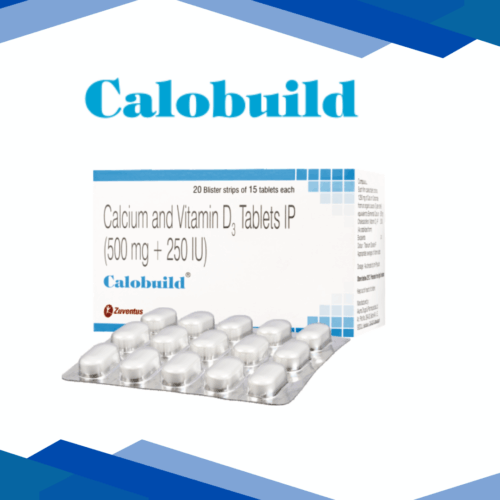
Calcium carbonate/calcium citrate tablets are used for the treatment of Calcium Loss. Calcium is a vital mineral that maintains the integrity of the skeleton while regulating the functioning of heart, muscles, and nerves. Because calcium cannot be synthesized by the body, ensuring adequate intake is important to prevent the body's "borrowing" of calcium from bones. Calcium supplements help the body absorb calcium and are crucial to the control of bone density and metabolic health. The Calcium supplement is often combined with Vitamin D3 to improve calcium absorption. Therapeutic uses of calcium are:
- Bone mineralization: To a greater extent Osteoporosis, Osteomalacia.
- Corrects hypocalcemia and calcium deficiency, and returns blood calcium concentration to normal.
- Antacids: Provide immediate relief from heartburn and acid indigestion; made with calcium carbonate.
- Pregnancy & lactation: These are highly welcomed on top of good food during fetal skeletal formation and breastfeeding.
- Support: This would normally be supplemental to any hypertensive therapy or long-term corticosteroid therapy.
- Calcium Carbonate: Usually taken with food due to stomach acid; adequate stomach acid is essential for efficient calcium absorption.
- Calcium Citrate: Can be taken with or without food, largely favored by people with low stomach acid or intolerance of certain foods.
Menaquinone
Menaquinone (Vitamin K2) Menaquinone, also known as Vitamin K2, is a fat-soluble vitamin with a critical role in calcium metabolism. It acts as a “traffic manager”, directing calcium to the bones and teeth—where it is needed—and away from the arteries, where it may cause harm.
The Basis of Menaquinone Vitamin K1 is commonly obtained from leafy greens, whereas Vitamin K2 is relatively scarce in the modern diet. It is mainly found in fermented foods (such as natto and certain cheeses) or produced by gut bacteria. Bone Tissue Density: Supports osteocalcin, a protein that binds calcium to bones. Heart Health: Helps prevent vascular calcification (hardening of arteries), reducing calcium deposition in soft tissues. Better Absorption: Especially in the MK-7 form, it remains longer in circulation compared to Vitamin K1, enhancing tissue availability.
Common Forms & Varieties MK-4: Animal-derived form; has a shorter half-life, requiring multiple doses. MK-7: Fermented (natto-derived) form; more stable and potent, usually taken once daily.
Recommended Usage Dosage: Typically ranges between 50 mcg–200 mcg per day, depending on clinical advice and product labeling. With Meals: Being fat-soluble, it should be taken with dietary fats (e.g., olive oil, nuts, dairy) for better absorption. Consistency: Regular use over several months is essential for optimal bone health benefits.
Safety & Precautions Drug Interaction Warning: Do not start Vitamin K2 without consulting your doctor if you are taking anticoagulants (blood thinners), as it may interfere with their action. Pregnant & Nursing: Generally safe within recommended dietary limits, but consult a healthcare professional for higher doses. Kidney Health: Patients undergoing hemodialysis should seek advice from a nephrologist before supplementation.
Frequently Asked Questions (FAQs)
Q: Doesn’t spinach provide enough Vitamin K2? A: No. Spinach is rich in Vitamin K1 (Phylloquinone), but contains negligible amounts of Vitamin K2. For K2, include fermented foods like natto or cheese.
Q: Should I take it with Vitamin D3? A: Yes. Vitamin D3 enhances calcium absorption, while Vitamin K2 ensures calcium is properly utilized in bones rather than arteries. They are often recommended together.
Q: Are there any side effects? A: Menaquinone is generally well-tolerated. Rarely, mild stomach upset or diarrhea may occur. No significant toxicity has been reported within recommended limits.
Q: Is Menaquinone vegan? A: It depends on the form. MK-4 is animal-derived, whereas MK-7 can be plant-based (from fermented soy or chickpeas), though some sources may still be animal-derived.
Q: How long does it take to see benefits? A: Bone health improvements typically require 6–12 months of consistent use, while cardiovascular benefits may be noticed earlier over time.
At Gem Pharmacy, we make every effort to provide accurate, expert-written, and thoroughly reviewed information related to medicines. However, this information should not be considered a substitute for professional medical advice, diagnosis, or treatment from a qualified doctor.
The purpose of this information is to educate users and improve communication between patients and healthcare professionals. It should not be used to diagnose or treat any condition.
Always consult a certified healthcare professional before taking any medication.


Related products