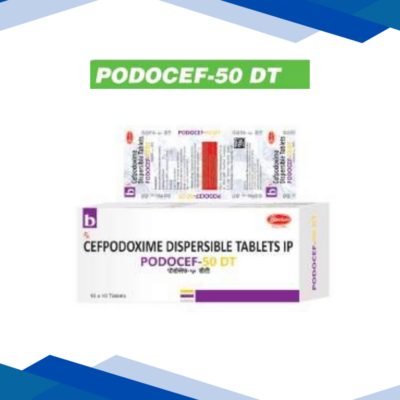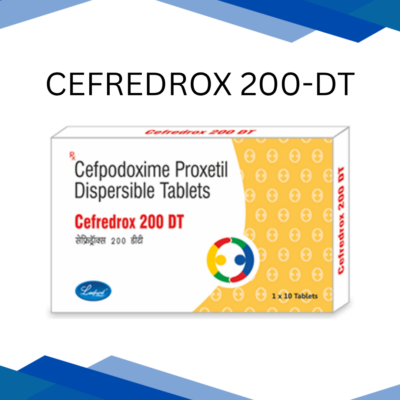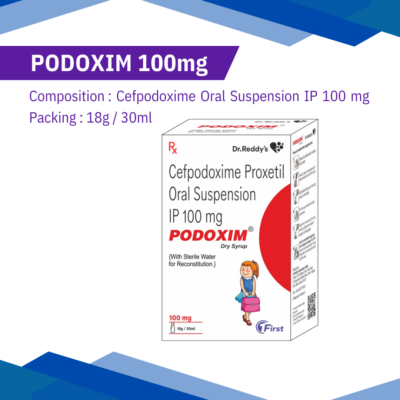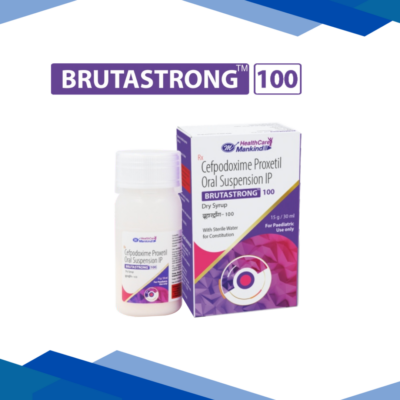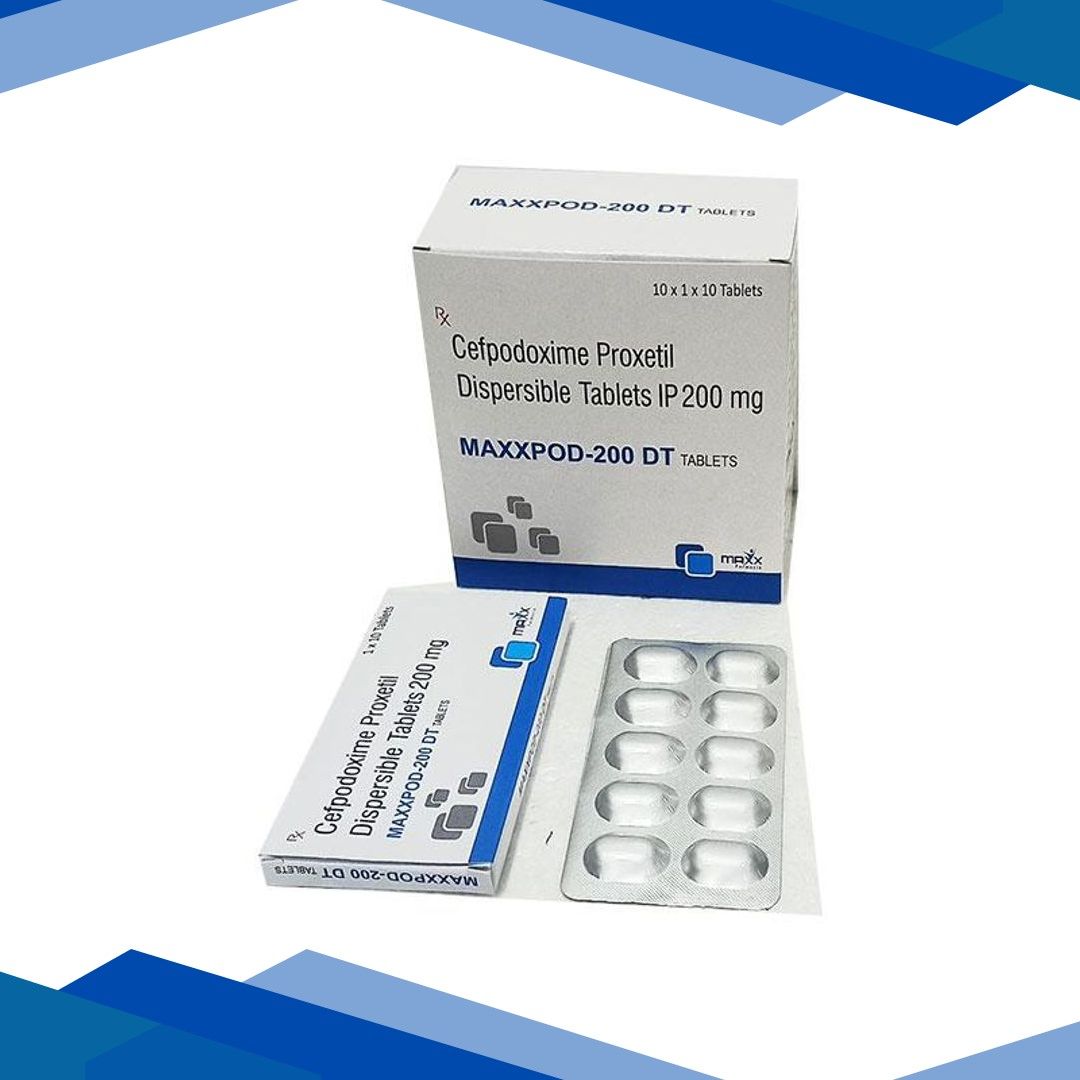
MAXXPOD 200 DT Tablet 10’s
❌ Due to high demand, this product is currently out of stock. New stock will be available shortly.
👉 Click here to Buy Same Salt medicine
MAXXPOD 200 DT Tablet is an antibiotic used to treat certain bacterial infections. It belongs to the cephalosporin group and works by stopping bacteria from building the protective cell wall they need to survive, which helps the body clear the infection. This medicine is commonly prescribed for infections of the throat, tonsils, sinuses, ears, lungs, skin, and urinary tract, depending on the type of bacteria involved. MAXXPOD 200 DT Tablet is not effective against viral illnesses such as the common cold or flu. It should be used only when recommended by a healthcare professional, as proper diagnosis helps ensure it is the right treatment. When used appropriately, it can be an effective option for managing susceptible bacterial infections.
Description
MAXXPOD 200 DT Tablet is an oral antibiotic medicine that belongs to the cephalosporin class. it is commonly used to treat a variety of bacterial infections when the bacteria are sensitive to this medicine. like other antibiotics, it does not work against viral illnesses such as the common cold, flu, or most sore throats caused by viruses. it is designed to help the body eliminate harmful bacteria by interfering with the formation of the bacterial cell wall, which is essential for bacterial survival.
after it is taken by mouth, MAXXPOD 200 DT Tablet is converted in the body to its active form, cefpodoxime. this active form reaches the bloodstream and helps stop bacterial growth. by weakening the bacterial cell wall, the medicine causes the bacteria to break down and die. this mechanism makes it useful in infections involving the respiratory tract, ear, throat, skin, urinary tract, and certain other bacterial conditions, depending on the organism involved and local treatment guidance.
this medicine is often prescribed when a healthcare professional believes a bacterial infection is likely or confirmed. it may be chosen because it has activity against a range of common bacteria and can be effective when taken as directed. however, the exact usefulness of MAXXPOD 200 DT Tablet depends on the type of bacteria causing the infection, the severity of illness, and the patient’s overall health, including kidney function and allergy history.
MAXXPOD 200 DT Tablet should be used carefully and only when appropriate. using antibiotics unnecessarily or stopping them too early can contribute to antibiotic resistance, making infections harder to treat in the future. for best results, it should be taken exactly as advised by a qualified healthcare professional, and any unusual symptoms or treatment failure should be reported promptly.
ingredients
- MAXXPOD 200 DT Tablet: this is the main active ingredient and is the prodrug form that becomes cefpodoxime in the body. it is responsible for the antibiotic effect, helping stop bacterial cell wall synthesis and treating susceptible infections.
- tablet/capsule excipients: depending on the product, the formulation may include fillers, binders, disintegrants, coating agents, and stabilizers. these ingredients help form the tablet or capsule, improve swallowing, support proper release of the medicine, and maintain product stability. they do not usually provide the therapeutic effect but are important for quality and performance.
key uses
- respiratory tract infections: may be used for certain bacterial infections of the throat, tonsils, sinuses, or lower airways when caused by susceptible organisms. it can help reduce infection-related symptoms such as pain, fever, and congestion linked to bacterial causes.
- ear infections: can be prescribed for bacterial infections of the middle ear, especially when the infecting bacteria are expected to respond to cephalosporin antibiotics. it helps control infection and prevent complications.
- skin and soft tissue infections: may be used in some bacterial skin infections, such as cellulitis or infected wounds, when the organism is likely to be sensitive. this helps reduce swelling, redness, warmth, and pain caused by bacterial growth.
- urinary tract infections: may be effective for certain uncomplicated urinary tract infections due to susceptible bacteria. it helps relieve symptoms such as burning urination, urgency, and frequent urination when the infection is bacterial.
- other susceptible bacterial infections: in some cases, healthcare professionals may use it for other confirmed or strongly suspected bacterial infections based on culture results and clinical judgment. its use should be guided by evidence of susceptibility whenever possible.
how to use
MAXXPOD 200 DT Tablet should be taken only as directed by a healthcare professional. it is commonly taken by mouth with food, because taking it with a meal can improve absorption and may help reduce stomach upset. the medicine should be swallowed with water. if using a liquid formulation, it should be measured carefully with a proper measuring device rather than a household spoon to avoid dosing errors.
the timing and duration of treatment depend on the type and severity of infection, as well as the patient’s age, kidney function, and medical history. even if symptoms start to improve after a few doses, the full course should generally be completed unless a prescriber tells the patient to stop. stopping too early may allow some bacteria to survive and return, and it may also increase the chance of resistance.
if a dose is missed, it should usually be taken as soon as remembered unless it is nearly time for the next scheduled dose. in that case, the missed dose is typically skipped and the regular schedule is resumed. doubling doses is not recommended unless specifically instructed by a healthcare professional. patients should not take this medicine for viral infections, and it should not be shared with others, even if their symptoms seem similar.
safety information
- warnings: MAXXPOD 200 DT Tablet may cause serious allergic reactions in people allergic to cephalosporins and, in some cases, in those with a history of severe penicillin allergy. seek urgent help if there is rash, swelling of the face or throat, wheezing, difficulty breathing, or severe dizziness. antibiotic-associated diarrhea can occur; persistent, watery, or bloody diarrhea may signal a serious bowel infection and needs prompt medical attention. use caution in people with kidney problems, because the medicine may need special consideration.
- side effects: common side effects may include nausea, vomiting, diarrhea, abdominal discomfort, headache, and mild rash. some people may also notice loose stools, indigestion, or vaginal yeast infection due to changes in normal flora. serious side effects are uncommon but may include severe allergy, severe skin reactions, abnormal liver test results, low blood counts, or clostridioides difficile-associated diarrhea.
- precautions: people with a known allergy to MAXXPOD 200 DT Tablet, other cephalosporins, or a history of severe antibiotic allergy should discuss risks carefully before use. those with kidney disease, a history of gastrointestinal disease, or a tendency toward allergic reactions should be monitored more closely. it is important to tell the prescriber about all current medicines, supplements, and prior antibiotic reactions.
- pregnancy/breastfeeding: this medicine is sometimes used in pregnancy when the expected benefit outweighs potential risk, but it should only be taken under medical advice. during breastfeeding, small amounts may pass into breast milk; it is generally considered compatible in many situations, but the infant should be watched for diarrhea, thrush, or rash. a clinician should decide whether it is appropriate based on individual circumstances.
- interactions: certain medicines and substances may affect how MAXXPOD 200 DT Tablet works. antacids, h2 blockers, and medicines that reduce stomach acidity may lower absorption if taken too close together. probenecid may increase blood levels. alcohol does not have a classic direct interaction, but it may worsen stomach upset or dehydration, especially if the person is ill. patients should always inform their healthcare professional about all prescription medicines, over-the-counter products, and herbal supplements.
additional information
- storage: store the medicine at room temperature, away from excess heat, moisture, and direct light, unless the product label says otherwise. keep tablets or capsules in the original container and out of reach of children. if using a suspension, follow the storage instructions on the label or by the pharmacist, and do not freeze it.
- missed dose: if a dose is missed, take it as soon as remembered unless the next dose is almost due. if it is close to the next scheduled dose, skip the missed dose and continue as directed. do not take extra doses to make up for a missed one.
- overdose: taking too much can increase the risk of severe nausea, vomiting, diarrhea, stomach pain, confusion, or seizures in susceptible individuals, especially those with kidney problems. if an overdose is suspected, seek emergency medical help or contact poison control immediately. bring the medicine container if possible.
- habit forming: no. MAXXPOD 200 DT Tablet is not known to cause dependence or addiction. however, it should still be used responsibly and only for bacterial infections to help prevent antibiotic resistance.
frequently asked questions
q1: what is MAXXPOD 200 DT Tablet used for?
a: it is an antibiotic used for certain bacterial infections such as some ear, throat, respiratory tract, skin, and urinary tract infections, depending on the bacteria involved and medical assessment.
q2: does MAXXPOD 200 DT Tablet work for viral infections?
a: no. it does not treat viral illnesses like colds, flu, or most sore throats caused by viruses. using it for viral infections is not helpful and may contribute to antibiotic resistance.
q3: should MAXXPOD 200 DT Tablet be taken with food?
a: it is commonly recommended to take it with food because this may improve absorption and reduce stomach discomfort. follow the specific instructions given with the prescription or by a healthcare professional.
q4: what should i do if i get diarrhea while taking this medicine?
a: mild diarrhea can happen with antibiotics, but persistent, severe, watery, or bloody diarrhea should be reported to a healthcare professional right away. do not self-treat severe symptoms without advice.
q5: can i stop taking MAXXPOD 200 DT Tablet when i feel better?
a: it is generally important to complete the full prescribed course, even if symptoms improve early. stopping too soon may allow the infection to return or worsen.
q6: is MAXXPOD 200 DT Tablet safe if i am allergic to penicillin?
a: some people with penicillin allergy can also react to cephalosporins. the risk depends on the type and severity of the prior allergy, so a healthcare professional should review your history before use.
q7: can this medicine be used in children?
a: it may be prescribed for children in appropriate situations, but the decision depends on age, weight, the type of infection, and medical guidance. pediatric use should always be supervised by a clinician.
q8: what are signs of a serious allergic reaction?
a: signs may include hives, itching, swelling of the lips or face, difficulty breathing, throat tightness, or fainting. these require emergency medical attention.
q9: can i take antacids with this medicine?
a: antacids and some acid-reducing medicines may interfere with absorption. it is best to ask a pharmacist or doctor about timing if you use these products.
q10: what if the infection does not improve?
a: if symptoms do not improve or get worse, contact a healthcare professional. the infection may need reassessment, a different antibiotic, or further testing such as culture and sensitivity.
q11: does MAXXPOD 200 DT Tablet cause drowsiness?
a: drowsiness is not a common effect, but some people may feel unwell or weak during infection. if unusual tiredness or nervous system symptoms occur, medical advice should be sought.
q12: can i drink alcohol while taking MAXXPOD 200 DT Tablet?
a: alcohol is not known to have a major direct interaction, but it may increase stomach irritation or dehydration. avoiding alcohol is often a sensible choice while recovering from an infection.
q13: what if i vomit after taking a dose?
a: if vomiting occurs soon after taking the medicine, do not automatically take another dose without guidance. ask a pharmacist or healthcare professional for advice, because it depends on how much time has passed and the formulation used.
q14: is laboratory monitoring ever needed?
a: in some patients, especially those with kidney problems, prolonged treatment, or multiple medical conditions, a clinician may monitor kidney function, blood counts, or liver tests. this depends on the individual situation.
q15: why is antibiotic resistance a concern with this medicine?
a: if antibiotics are used when they are not needed, taken incorrectly, or stopped too early, bacteria may adapt and become harder to kill. responsible use helps preserve the effectiveness of MAXXPOD 200 DT Tablet and other antibiotics.
this information is for educational purposes only and should not be considered medical advice. always consult a qualified healthcare professional before use.
At Gem Pharmacy, we make every effort to provide accurate, expert-written, and thoroughly reviewed information related to medicines. However, this information should not be considered a substitute for professional medical advice, diagnosis, or treatment from a qualified doctor.
The purpose of this information is to educate users and improve communication between patients and healthcare professionals. It should not be used to diagnose or treat any condition.
Always consult a certified healthcare professional before taking any medication.


Related products