Camphor
Camphor: Relief for Various Pain, Respiratory, and Skincare Purposes
Historically derived from the wood of the tree Cinnamomum camphora, camphor is a bicyclic monoterpene ketone that is now largely produced synthetically for pharmaceutical use. Known for its sharp aromatic odor and cooling sensation, camphor is commonly used in counter-irritant liniments, decongestant vapor balms, and antiseptic ointments.
When applied topically, camphor stimulates nerve endings, creating a cooling and mild irritant effect that helps reduce the perception of pain while also improving local blood circulation.
Therapeutic Uses & Benefits
Pain Relief (Counter-Irritant Effect): Camphor is widely used in topical balms and ointments to relieve muscle pain, joint stiffness, and minor sprains by stimulating sensory nerve receptors.
Respiratory Congestion Relief: In vapor rubs and inhalation preparations, camphor helps open nasal passages and ease breathing difficulties associated with cold and sinus congestion.
Antimicrobial & Antiseptic Support: Camphor exhibits mild antibacterial and antifungal properties, making it useful in topical skin preparations.
Skin Soothing Effect: When used in proper dilution, camphor can help reduce itching, irritation, and mild inflammatory skin conditions.
Traditional Use Methods
Steam Inhalation Method: Add a small amount of camphor to a vessel containing hot water and inhale the vapors to help clear nasal congestion. Always keep the eyes closed to avoid irritation.
Skin Patch Test: Before applying camphor externally, perform a patch test on the inner arm to check for possible skin sensitivity.
Safety and Precaution
EXTERNAL USE ONLY: Camphor must never be ingested. Even small quantities taken orally can lead to serious toxicity, including seizures or respiratory distress.
Avoid Open Wounds: Do not apply camphor on open cuts, damaged skin, or mucous membranes, as absorption may occur rapidly and lead to systemic toxicity.
Use With Children: Camphor products must be kept away from children. They should never be applied inside the nostrils or on the face of infants, as this may cause respiratory complications.
Concentration Limit: In over-the-counter topical preparations, camphor concentration is generally restricted to 11% or less for safety.
Frequently Asked Questions (FAQs)
1. Is camphor good for treating acne?
Although camphor has antibacterial properties, it can be too strong for delicate facial skin. In some cases, it may be used in spot treatments, but individuals with acne-prone skin should consult a dermatologist before using it to avoid irritation or chemical burns.
2. Why does camphor feel cold at first and then warm on the skin?
This sensation is due to its counter-irritant mechanism. Camphor first stimulates cold receptors, producing a cooling sensation, and then increases blood flow (hyperemia) in the area, which results in gentle warmth and muscle relaxation.
3. Is camphor safe during pregnancy?
Small topical amounts are generally considered low risk, but because camphor can be absorbed through the skin, pregnant or breastfeeding women should consult a healthcare professional before using camphor-based products.
4. How should camphor-based products be stored?
Camphor is volatile and highly flammable. Store products in an airtight container, away from heat sources, direct sunlight, and open flames, and keep them at moderate room temperature.
5. What are the symptoms of an allergic reaction to camphor?
Possible allergic reactions include redness, persistent burning sensation, itching, hives, or blistering of the skin. If any of these symptoms occur, wash the affected area with mild soap and warm water and discontinue use immediately. Seek medical attention if symptoms persist.
Menthol
Menthol (Topical Analgesic)
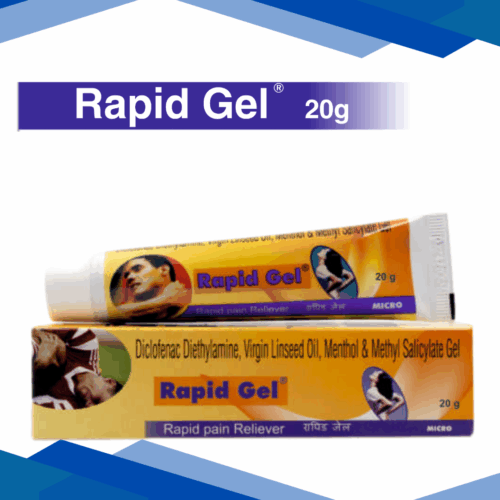
Menthol is natural ingredient that occurs organically and is extracted from peppermint and other mint oils. It has certain pharmacological properties due to the topical analgesic and counterirritant that is widely utilized in pharmaceutical applications. When applied to the skin, it binds to the cold-sensitive receptor termed TRPM8 nicotine, and thus generates a cooling sensation. It works by producing enough cooling sensation to distract the brain from underlying pain signals, therefore providing some relief, deceiving the skin's pain receptors and authors. It is commonly used in muscle-recovery products and patches to mitigate joint pain.
Primary Indications
Muscle & Joint Relief: Temporary relief of minor aches and pains, caused by arthritis, simple backaches, strains, and sprains.
Counterirritant Action: Provides a cooling, slightly warming sensation with benefits of desensitization of pain nerve endings.
Itch & Irritation Control: Effectively don't entertain the itching from insect bites, sunburn, or minor skin rashes.
Respiratory comfort: Often used in chest rubs to emotionally relieve symptoms of feeling clear airways during common colds.
Post-Workout Recovery: Helps reduce the perception of soreness in overworked muscles and tendons.
The Product Specifications
Drugs Group: Topical Analgesic/ Counterirritant.
Formulations: Gels, sprays creams, ointments, medicated patches are available.
Concentration: Ranges generally from 1% and 16% as per the strength.
Appearance: Clear liquid or white crystalline material, characteristic of a minty aroma.
Instructions of Use
For Pain Relief: Clean and dry the affected area. Then apply a thin layer of gel or cream to the area 3-4 times daily.
Sprays: Spray on the skin evenly from 4" to 6" distance. Do not rub unless otherwise specified.
Patches: Stick one patch to the painful area and leave it for as long as 8 hours. Don't use more than one patch that has formed into a mass.
Hygiene: Wash your hands thoroughly with soap after application to avoid any accidental contact with the eyes and mucosa.
Safety Precautions & Warnings
For external use only: Do not ingest menthol-based topical products.
Avoid Over Broken Skin: Never apply to an open wound, damaged skin, or any irritated rashes.
No Heat therapy: Whether using a heating pad, hot water bottle, or tight bandage applied to the area, do not apply heat either. This will increase permeation and cause severe skin burns.
Flammability: Some menthol sprays and gels are flammable. Keep away from open flames or high heat until the product has completely dried on the skin.
Children: Consult a pediatrician before using on children under 12.
Frequently Asked Questions (FAQs)
Q: How does Menthol actually stop pain?
Menthol does not "numb" the pain as a local anesthetic does, but rather acts as a counterirritant. As the compound creates an intense cold sensation, it blocks the pain signals headed to the brain, effectively turning down the volume on discomfort.
Q: Can Menthol be used with a heating pad?
No. This is a major danger. Menthol causes the blood flow to the skin to increase, and the application of heat tends to make the medication be absorbed too quickly or cause some very bad burns and blisters.
Q: Why do I instantly feel cold but end up feeling warm?
This is essentially because of the 'counterirritant effect.' The menthol first activates the cold receptors, offering initial cooling effects. Then the local circulation is elevated when it is rubbed in, and the now-warm sensation is relaxing tight muscles.
Q: Can Menthol be used with an oral pain medication?
Yes, in practice, no! Since menthol is only used topically, so very little of it penetrates your bloodstream. However, let your doc know if you're on blood thinners, say, on Warfarin, because some of the topical formulations can have methyl salicylate, which can interact with them.
Q: Will the Menthol smell "stick"?
The very minty smell is the strongest during application and then dissipates as the product dries down. I would suggest many "vanishing scent gels" for a more subtle application, if the user prefers it that way.
Methyl Salicylate
Methyl Salicylate, often recognized by its distinct "wintergreen" aroma, is a potent external analgesic belonging to the salicylate family. Known as a "rubefacient," it works by causing mild irritation to the skin's surface, which in turn increases local blood flow and generates a soothing sensation of warmth.
Chemically related to aspirin, Methyl Salicylate penetrates the skin to provide targeted anti-inflammatory action. It is a staple ingredient in high-performance pain relief sprays, ointments, and patches designed for those seeking rapid recovery from musculoskeletal discomfort.
Therapeutic Benefits & Clinical Uses
Targeted Pain Suppression: By inhibiting the cyclooxygenase (COX) enzyme at the site of application, it reduces the production of prostaglandins that trigger pain and swelling.
Counter-Irritant Action: The warming sensation distracts the brain from deeper visceral pain, making it highly effective for chronic conditions like osteoarthritis and fibromyalgia.
Post-Exercise Recovery: Frequently used by athletes to treat Delayed Onset Muscle Soreness (DOMS) and minor sports injuries such as ligament sprains.
Improved Circulation: The localized vasodilation helps "flush out" metabolic waste from tired muscles, aiding in faster tissue repair.
Product Overview at a Glance
Feature
Clinical Detail
Drug Class
Topical Analgesic / Salicylate
Primary Action
Counter-irritant and Anti-inflammatory
Common Uses
Sciatica, Lumbago, Arthritis, Bruises
Common Brands
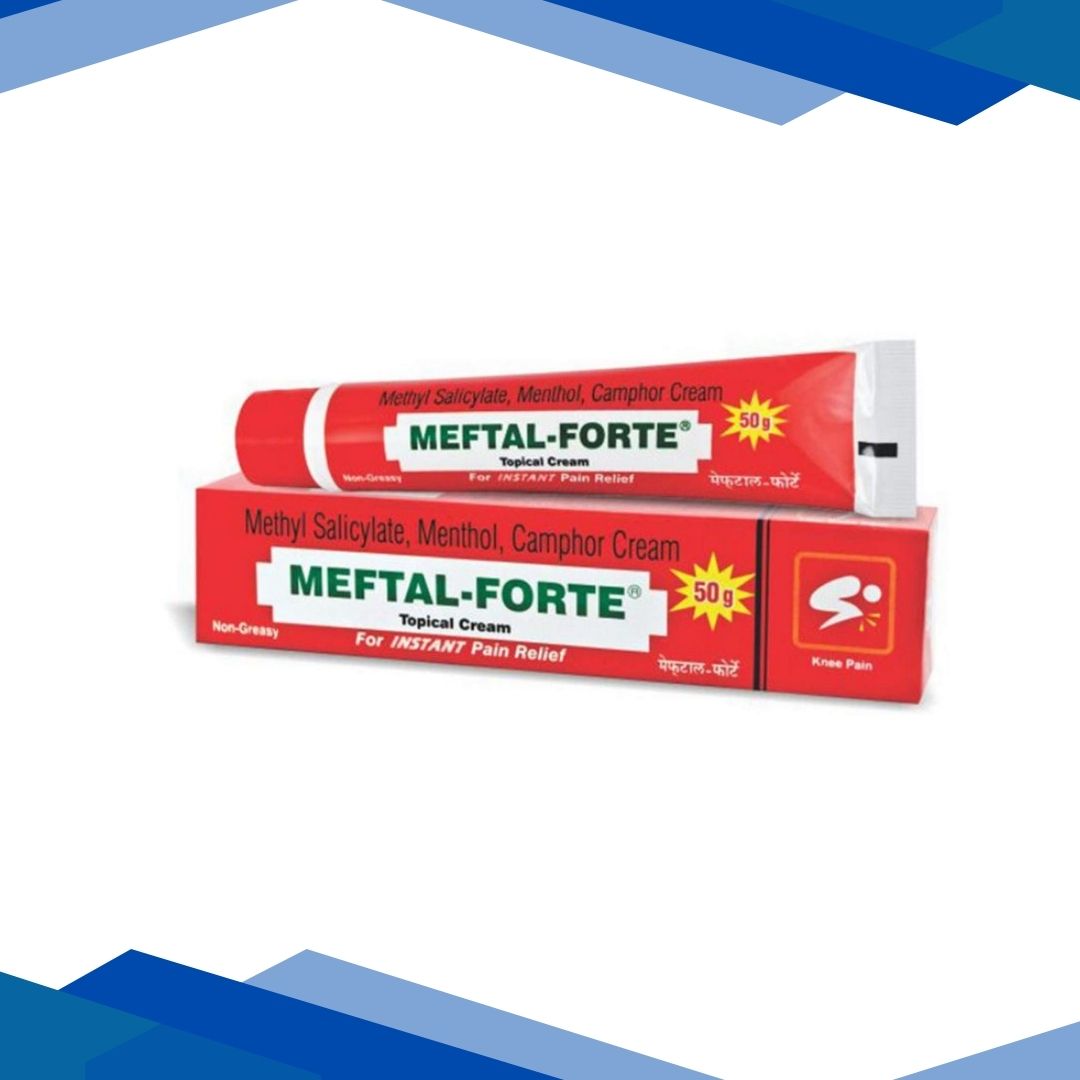
Relispray, Move, Amrutanjan, Iodex
Frequently Asked Questions (FAQs)
1. How is Methyl Salicylate different from Menthol?
While both provide pain relief, they work differently. Menthol triggers cold receptors to provide a cooling sensation. Methyl Salicylate provides a "deep heat" sensation and possesses actual anti-inflammatory properties similar to aspirin. Many effective topical gels combine both to create a "hot-and-cold" therapy effect.
2. Can I use this if I am allergic to Aspirin?
No. Because Methyl Salicylate is a derivative of salicylic acid, individuals with a known allergy or sensitivity to aspirin (NSAIDs) should avoid using products containing this ingredient. Systemic absorption through the skin can trigger an allergic reaction in sensitive users.
3. Is it safe to apply and then wrap the area with a bandage?
You should avoid tight bandaging or using occlusive dressings over an area treated with Methyl Salicylate. Doing so can trap the heat and increase skin absorption to dangerous levels, potentially leading to severe skin irritation or systemic toxicity.
4. Can I use Methyl Salicylate on my children for growing pains?
Caution is required. Products containing salicylates are generally not recommended for children or teenagers recovering from viral infections (like the flu or chickenpox) due to the theoretical risk of Reye’s Syndrome, a rare but serious condition. Always consult a pediatrician before use.