
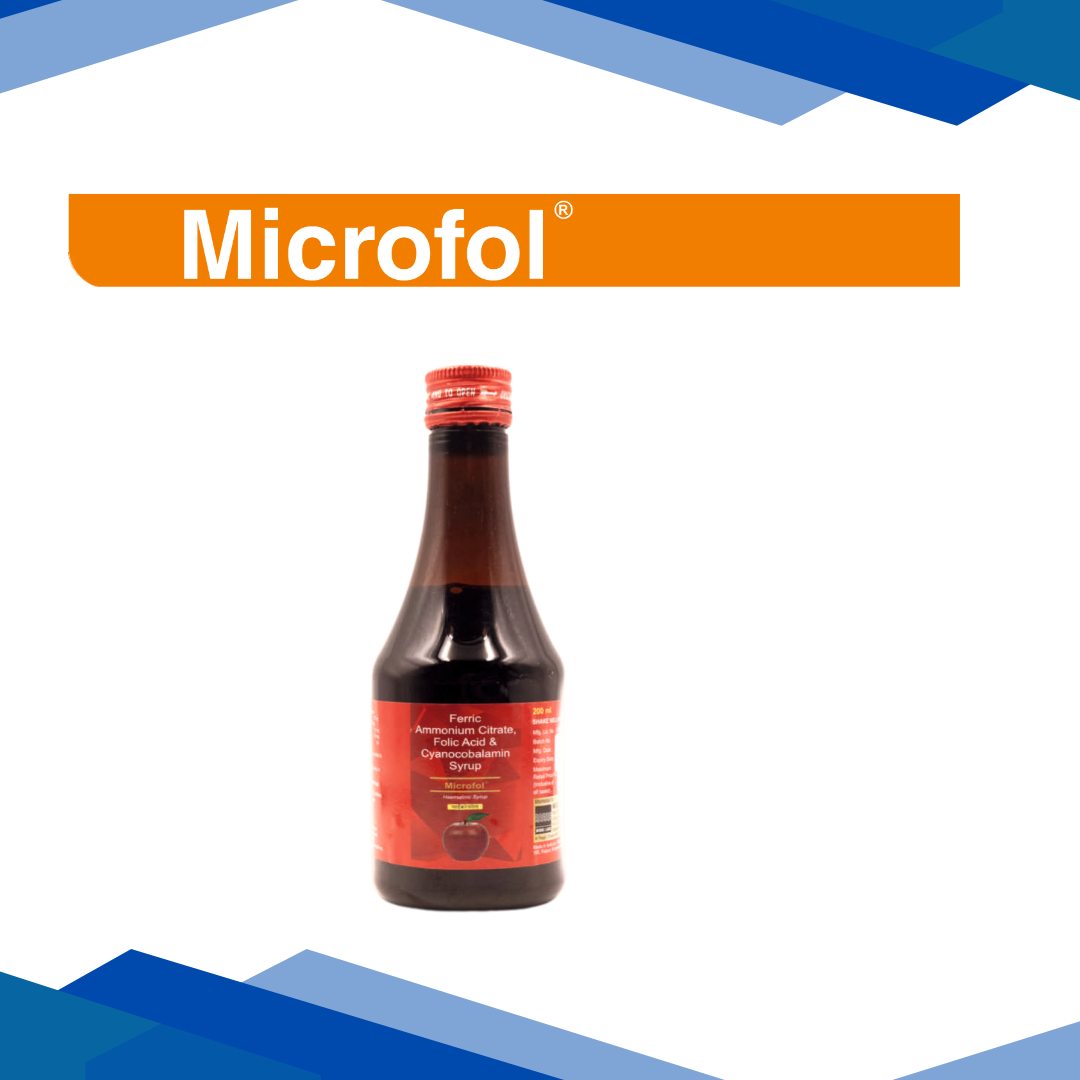
Microfol Syrup
No Prescription yet? Don’t worry! Click Here to Get Online Consultation
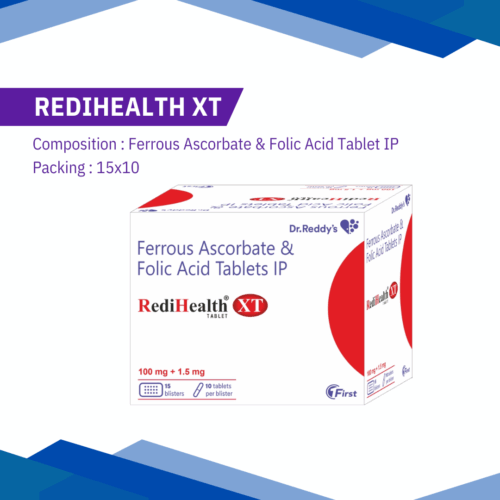
Microfol Syrup is used for supporting red blood cell production with a combination of Iron and Folic Acid. It may help promote healthy haemoglobin levels, oxygen transport and energy.
Cyanocobalamin
Sustainable in a competitive environment?
Cyanocobalamin (Vitamin B12)
Cyanocobalamin is manufactured in a lab and is the synthetic form of Vitamin B12—a significant water-soluble nutrient—that is obligatory for the functioning life of the brain, nerves, and production of red blood cells. Since the human body is incapable of producing its own B12, it must come from dietary sources or supplements. Cyanocobalamin is the most stable form of B12 and is usually recommended for the treatment or prevention of pernicious anemia and vitamin deficiencies generated by malabsorption, strict vegetarian diets, or certain conditions.
Therapeutic Uses:
Red Blood Cell Formation: Prevents megaloblastic anemia by ensuring the healthy maturation of red blood cells.
Nerve Health: By maintaining and repairing the myelin sheath (the protective covering over nerves), it helps reduce symptoms like numbness or tingling.
Energy Support: Helps in processing fats and carbohydrates, supporting the body in combating chronic fatigue.
DNA Synthesis: Plays a crucial role in DNA formation and cellular repair processes.
Brain Function: Supports cognitive health and may help reduce memory-related concerns.
Common Uses
Vitamin B12 Deficiency: Used in individuals with low B12 levels due to dietary insufficiency or absorption issues.
Pernicious Anemia: Helps restore healthy red blood cell production when intrinsic factor is lacking.
Peripheral Neuropathy: Used in conditions like diabetic neuropathy to help reduce nerve-related pain.
Dietary Supplementation: Recommended for individuals following strict vegan or vegetarian diets.
Dosing and Applications.
Dosage: Exact dosages are determined by the doctor, although typical doses range from 500 mcg to 1500 mcg daily.
Method: Oral medication should be taken with plenty of water. For sublingual forms, allow the medicine to dissolve completely under the tongue without chewing.
Time: Best taken in the morning on an empty stomach, one hour before or two hours after meals for optimal absorption.
Side Effects
Most people tolerate Vitamin B12 well. However, some may experience:
Mild diarrhea or nausea
Temporary skin rash or itching
Dizziness or headache
Body edema
Seek immediate medical attention if signs of an allergic reaction occur, such as breathing difficulty or swelling of the face.
Precautions and Warnings.
Leber's Disease: If you have a history of Leber's hereditary optic neuropathy, consult your doctor before use, as Cyanocobalamin may worsen the condition.
Kidney/Liver Health: Inform your doctor if you have chronic kidney disease or liver impairment.
Folate Interaction: High doses of folic acid may mask underlying B12 deficiency—monitor both levels carefully.
Alcohol: Excessive alcohol intake can reduce Vitamin B12 absorption.
Frequently Asked Questions (FAQs)
Q: Can I get enough Vitamin B12 from a vegetarian diet?
Natural sources are mainly found in animal-based foods like meat, eggs, and dairy. While fortified foods help, vegetarians and vegans are at higher risk of deficiency and may require supplementation.
Q: How long does it take for Cyanocobalamin to work?
Improvement in fatigue may be seen within a few days, especially in anemia. However, neurological symptoms like “pins and needles” may take weeks to months to improve.
Q: Is Cyanocobalamin the same as Methylcobalamin?
Both are forms of Vitamin B12. Cyanocobalamin is a synthetic, stable form, while Methylcobalamin is a naturally occurring active form.
Q: What if I miss a dose?
Take it as soon as you remember. If it’s close to the next dose, skip the missed one. Do not double the dose.
Q: Can I take B12 with other medications?
Some medications like Metformin and Proton Pump Inhibitors (PPIs) can reduce B12 absorption. Always consult your doctor or pharmacist before combining medications.
Ferric Ammonium Citrate
Ferric Ammonium Citrate (Iron Supplement)
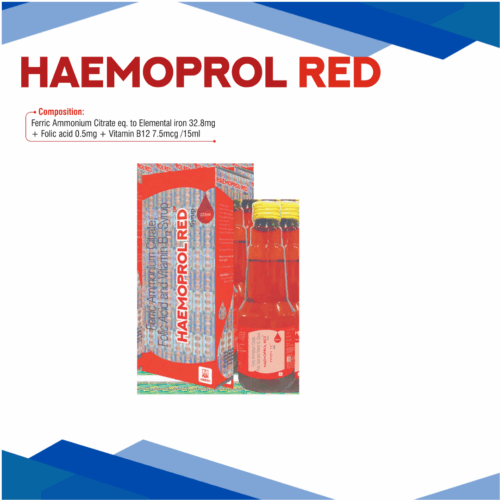
Ferric Ammonium Citrate is a unique iron salt primarily used to treat and prevent iron-deficiency anemia. It helps stimulate the production of red blood cells and is considered fast-acting due to its high solubility. It is often included in liquid iron tonics, which are generally gentler on the stomach.
Key Features of Ferric Ammonium Citrate
Restores Hemoglobin: Helps replenish depleted iron stores, allowing the body to optimize hemoglobin synthesis.
Banishes Tiredness: Reduces fatigue, weakness, and low energy levels associated with low hemoglobin.
Supports Oxygen Transport: Enhances the efficient transport of oxygen from the lungs to body tissues.
High Bioavailability: Offers better absorption compared to many standard iron tablets.
The Mechanism of Action
Iron is a key component of hemoglobin, a protein in red blood cells responsible for carrying oxygen throughout the body.
When iron levels drop, the body struggles to deliver adequate oxygen, making the heart work harder. Ferric Ammonium Citrate acts as a readily available source of iron, helping to restore red blood cell production, improve energy levels, and bring back a healthy skin tone.
Instructions for Taking the Supplement
Correct Measurement: Always measure the dose accurately using a measuring cup, spoon, or dropper, as prescribed.
Timing: Can be taken with or without food, depending on tolerance and absorption needs.
Sensitive Stomach: If it causes stomach discomfort, take it with a light meal or snack.
Avoid Interactions: Do not take within 2 hours of milk, tea, coffee, antacids, or calcium supplements, as these may reduce iron absorption.
Possible Side Effects
Most people tolerate iron supplements well, but some may experience:
Common: Black-colored stools, mild stomach upset, or constipation/diarrhea
Important Note: Black stools are normal with iron supplements and not harmful. However, seek medical advice if you notice severe abdominal pain or blood in stools.
Use During Pregnancy
Iron requirements increase during pregnancy, and supplements like Ferric Ammonium Citrate are often recommended to prevent anemia. Always consult your OB-GYN for the appropriate dosage and safety guidance.
Frequently Asked Questions (FAQs)
Q: When will I start feeling less tired?
A: While blood levels may improve within days, most people notice increased energy within 3–4 weeks of regular use. Full restoration of iron stores may take a few months.
Q: Can I take it with my morning coffee?
A: No. Coffee and tea contain tannins that bind iron and reduce its absorption. Maintain a gap of at least 2 hours.
Q: What should I do in case of overdose?
A: Iron overdose can be dangerous, especially in children. Seek immediate medical attention if overdose is suspected. Always store the supplement safely out of reach of children.
Folic Acid
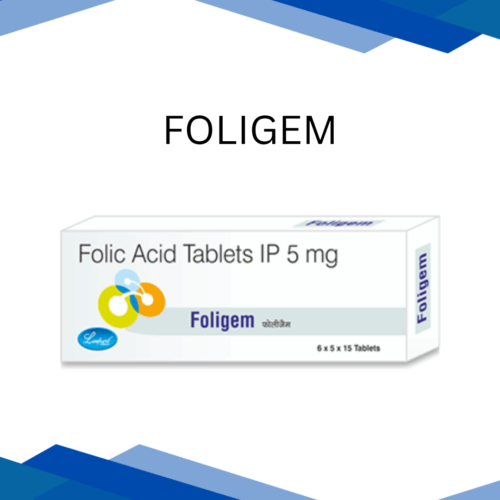
Folic Acid 5mg Tablet
Folic Acid, presenting as Vitamin B9, is a key B-complex vitamin being water-soluble, helping in the synthesis of DNA and the normal maturation of red blood cells (RBCs). The characteristic nature of folic acid lies in its use for the treatment and the prevention of Folate Deficiency Anemia. It is well known globally for its powers to support a healthy pregnancy, among other vital functions. By keeping folate levels good, the medicine stops neural tube defects (NTDs) from forming in developing fetuses and maintains normal neurological health.
Key Therapeutic Uses
Anemia Management: Treats specifically megaloblastic anemia resulting from either poor dietary intake or malabsorption of folate.
Prenatal Support: Essential before pregnancy occurs and during the early stages to protect offspring from having a central nervous system defect (eg, spina bifida).
Methotrexate Adjunct: It is used along with some of the drugs used for arthritis or psoriasis to reduce gastrointestinal and liver side effects.
Cellular Repair- Plays an essential role in rapid cellular division and growth, particularly during childhood and pregnancy.
Product Highlights
High Potency Formula- Containing 5mg active Folic Acid per tablet only.
Rapid Absorption- Designed with good bioavailability for rapid entry into a person's blood.
Physician Endorsed- needed in prenatal care as pat of the extremities of finish carei in the realm of various blood maladies.
Directions for Use
Dosage: Normally, take one 5 mg tablet orally, daily, or as directed after conducting your blood test results in consultation with your physician.
Timing: Take it with or without food. To enhance benefits from consistent levels of the substance throughout the blood, it is suggested to take it within the same restarted interval every day.
Method: Swallow one tablet whole with a full glass of water.
Do not attempt to crush or chew the tablet.
Side Effects and Safety
Folic Acid is generally accepted well, but some individuals may experience some adverse reactions.
Nausea or mild loss of the appetite.
Gastrointestinal distress such as bloating or gas.
Bad taste in the mouth.
Occasionally, an allergic or anaphylactoid reaction like skin rash, itching, or swelling may happen.
Important Note: If you have vitamin B12 deficiency or Pernicious Anemia, take the necessary advice from your healthcare provider before beginning Folic Acid; taking Folic Acid alone sometimes might render a person vitamin B12 deficient, thus highlighting underlying neurologic troubles.
Caution and Drug Interactions
Liver and Kidney: Tell your healthcare provider if you experienced liver issues and if there is any history of kidney dialysis.
Drug Interactions: Some drugs, for example, anti-epileptic medications, antacids, and trimethoprim, can lower the uptake rate by the body of folate. These medications (Folic Acid) must be taken around 2 hours after any of the above drugs.
Alcohol: Heavy alcohol consumption reduces the absorption of folate and weakens the effect.
FAQs
Q: Can you tell me the best time to start taking Folic Acid if I'm planning on becoming pregnant?
Following the recommendations given by medical experts and studies closely, the production of folic acid should be done 1 to 3 months before conception, and at least during the first 12 weeks of pregnancy, which implies maximum safety for the baby's development.
Q: Can Folic Acid and Iron be taken together?
Yes, many doctors prescribe them together for more serious cases of anemia where a prescription of coal tablets is needed. Instead of lessening their efficiency, they generally enhance each other and improve overall blood health.
Q: Does Folic Acid make you gain weight?
No, Folic Acid is a vitamin and does not have a calorific value. It has never been proven in clinical studies that Folic Acid causes weight gain.
Q: Can I simply quit once my hemoglobin turns back to normal?
No, you should follow the course according to the advice and observation of your family physician. Even if your RBC (Red Blood Count) eventually comes back to the normal level, your body still might require re-pleting its folate stores so that you're not left with anemia again.
Q: What should I do if I forget to take the dose?
Missed dose must be taken as soon as it comes to your mind. However, if the next dose is almost due, you should forgo this one. And in no case should a "double" dose be ingested.
At Gem Pharmacy, we make every effort to provide accurate, expert-written, and thoroughly reviewed information related to medicines. However, this information should not be considered a substitute for professional medical advice, diagnosis, or treatment from a qualified doctor.
The purpose of this information is to educate users and improve communication between patients and healthcare professionals. It should not be used to diagnose or treat any condition.
Always consult a certified healthcare professional before taking any medication.


Related products