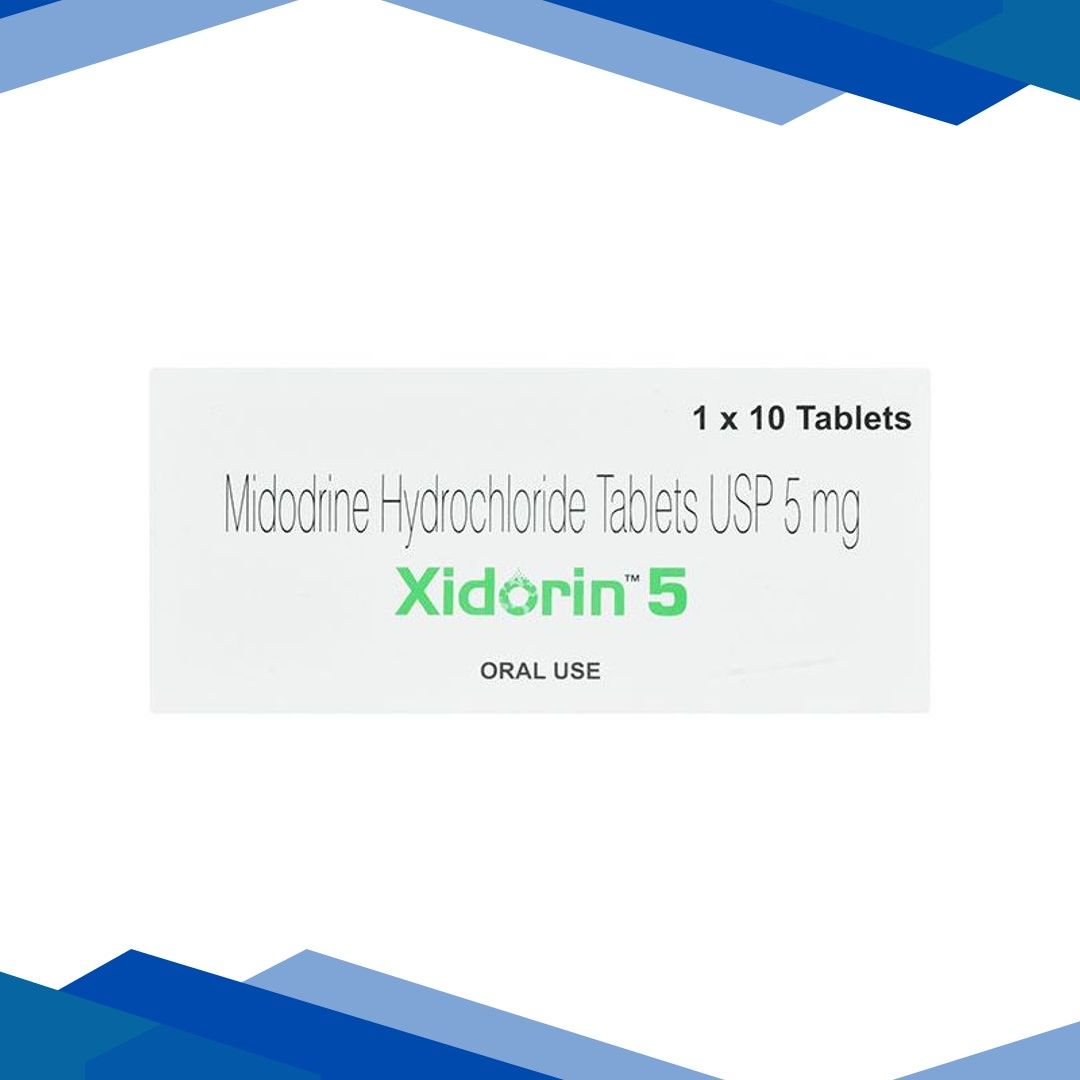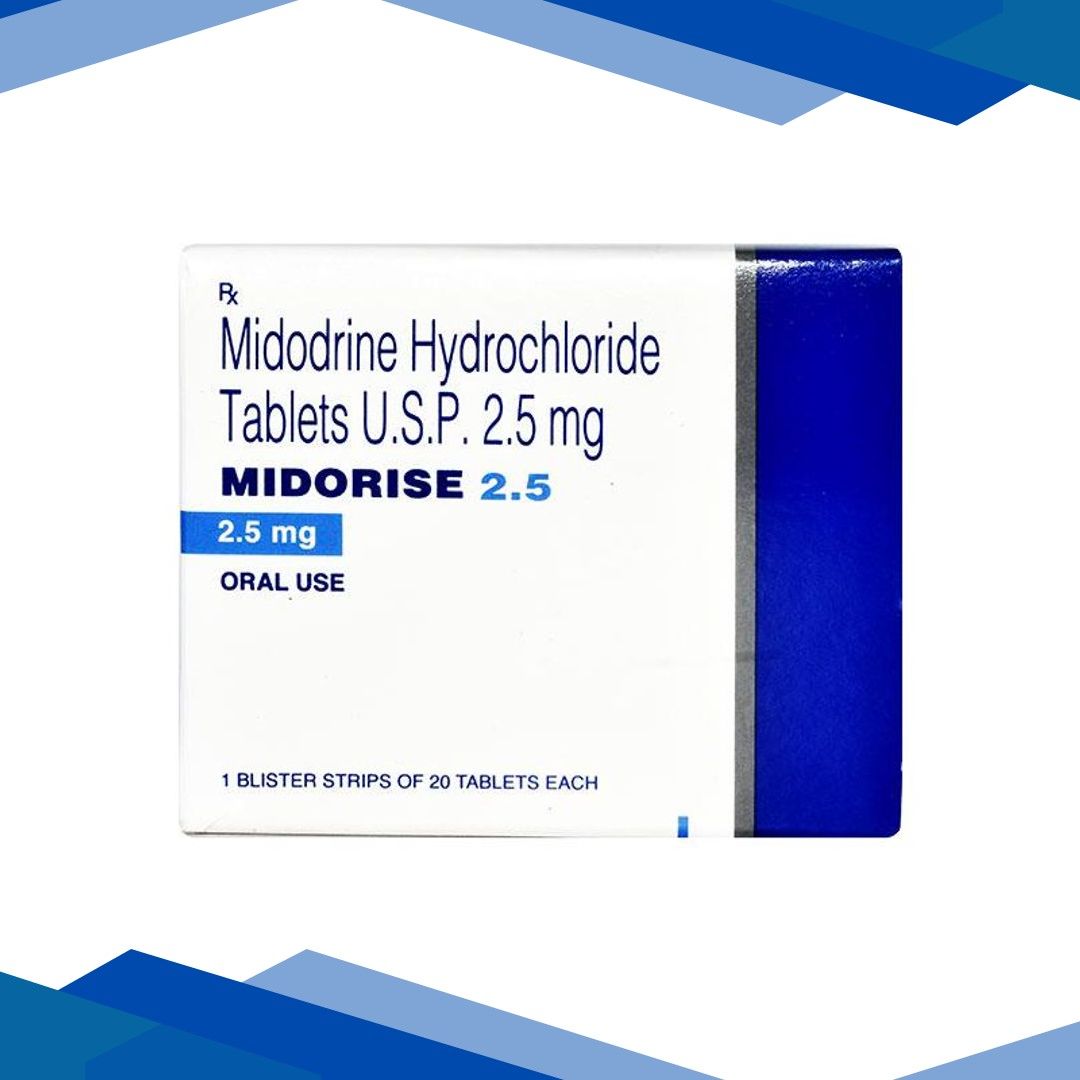
MIDORISE 2.5 Tablet 20’s
MIDORISE 2.5 Tablet is a combination medicine used to relieve common cold and flu symptoms. It helps reduce fever, headache, and body aches through paracetamol, while chlorpheniramine maleate eases sneezing, runny nose, and watery eyes caused by allergies or infection. Dextromethorphan works by calming the cough reflex, helping to control dry, irritating cough. Phenylephrine hydrochloride is a decongestant that shrinks swollen blood vessels in the nose, making breathing easier when the nose is blocked. This medicine is commonly used for temporary relief of multiple cold symptoms at once. It should be used as directed by a healthcare professional, especially in people with medical conditions or those taking other medicines.
Description
MIDORISE 2.5 Tablet is a combination medicine commonly used for the temporary relief of symptoms associated with the common cold, seasonal allergies, upper respiratory tract infections, and flu-like illnesses. it is designed to address several symptoms at the same time, such as runny nose, sneezing, nasal congestion, cough, minor fever, headache, and general body discomfort. because it contains multiple active ingredients, it works in different ways to provide broader symptom control than a single-ingredient product.
chlorpheniramine maleate is an antihistamine that helps reduce allergy-related symptoms like sneezing, watery eyes, and runny nose. dextromethorphan is a cough suppressant that acts on the cough center in the brain to help reduce dry, irritating cough. phenylephrine hydrochloride is a nasal decongestant that helps shrink swollen blood vessels in the nasal passages, making breathing easier. paracetamol helps relieve pain and reduce fever, which is useful when cold or flu symptoms cause headache, sore throat discomfort, or elevated temperature.
this medicine is generally intended for short-term symptomatic relief and not for treating the underlying cause of an infection or allergy. it may be helpful when several symptoms occur together, especially when congestion, cough, and fever all need attention at once. however, because it contains a combination of ingredients, it should be used carefully to avoid double-dosing with other cold, flu, pain, or allergy products that may contain similar active components.
people who may benefit from this medicine include adults and older children with symptoms of a cold or flu-like illness, provided the product is appropriate for their age and medical history. it is not meant for chronic cough, long-lasting nasal congestion, persistent fever, or symptoms suggestive of more serious illness unless advised by a healthcare professional. if symptoms are severe, unusually prolonged, or accompanied by breathing difficulty, chest pain, high fever, or confusion, medical evaluation is important.
ingredients
- chlorpheniramine maleate: this is a first-generation antihistamine that helps control allergy-type symptoms such as sneezing, runny nose, itchy or watery eyes, and post-nasal drip. it works by blocking histamine, a natural chemical involved in allergic reactions. a common effect of this ingredient is drowsiness, which may be helpful at night but can also affect alertness during the day.
- dextromethorphan: this ingredient is a cough suppressant used mainly for dry, irritating, non-productive cough. it acts on the brain’s cough center to reduce the urge to cough. it does not treat the underlying cause of the cough, but it can make coughing less frequent and less bothersome, especially when cough is disturbing sleep or daily activities.
- phenylephrine hydrochloride: this is a nasal decongestant that helps relieve blocked or stuffy nose by narrowing swollen blood vessels in the nasal lining. by reducing swelling, it can improve airflow through the nose and make breathing feel easier. it may cause stimulation in some people, including restlessness or increased blood pressure.
- paracetamol: also known as acetaminophen in some regions, this ingredient helps reduce fever and relieve mild to moderate pain such as headache, sore throat pain, muscle aches, or general body discomfort. it is widely used and generally well tolerated when used correctly, but too much can seriously damage the liver.
key uses
- relief of common cold symptoms: this medicine is often used to ease multiple cold symptoms at once, including runny nose, sneezing, nasal blockage, cough, and fever. it helps improve comfort while the body recovers.
- seasonal allergy-related symptoms: the antihistamine component can help reduce sneezing, watery nose, and irritation related to allergic rhinitis, especially when these symptoms occur together with congestion or cough.
- dry cough suppression: dextromethorphan helps calm persistent dry cough that may be triggered by throat irritation, post-nasal drip, or viral upper respiratory illness.
- nasal congestion relief: phenylephrine hydrochloride reduces swelling in the nasal passages, helping relieve blocked nose and making breathing more comfortable.
- fever and pain reduction: paracetamol helps lower fever and ease headache, sore throat discomfort, body aches, and general malaise commonly seen with colds and flu-like illnesses.
- short-term symptom control during upper respiratory infections: the combination may be used for brief relief of symptoms while the illness runs its course, provided there are no contraindications or warning signs that need medical attention.
how to use
use this medicine exactly as directed on the package label or by a healthcare professional. it is generally taken by mouth, and the liquid or tablet should be swallowed with water. it may be taken with or without food, although taking it after food can help reduce stomach discomfort in sensitive individuals. follow the recommended schedule carefully and do not take more often than advised, because combining several active ingredients increases the risk of side effects if the medicine is overused.
for best results, use it only for the duration recommended for short-term symptom relief. if symptoms improve, the medicine may no longer be needed. if you are also taking other cold, flu, allergy, cough, fever, or pain medicines, check the labels carefully to avoid accidentally taking another product that contains paracetamol, dextromethorphan, phenylephrine, or an antihistamine. taking duplicate products is a common cause of accidental overdose.
if you have trouble swallowing tablets, ask a pharmacist whether a suitable liquid formulation is available. do not exceed the advised amount, and avoid using it longer than necessary unless a doctor recommends it. if cough lasts more than a few days, fever persists, breathing becomes difficult, or symptoms worsen instead of improving, seek medical advice. for children, elderly patients, and people with chronic medical conditions, professional guidance is especially important before use.
safety information
- warnings: this medicine may cause drowsiness, dizziness, dryness of the mouth, or difficulty concentrating because of the antihistamine component. phenylephrine hydrochloride may raise blood pressure or cause palpitations in susceptible individuals. paracetamol can cause serious liver injury if taken in excess or combined with other paracetamol-containing products. do not use it to treat persistent or unexplained cough without medical evaluation, especially if the cough is associated with asthma, smoking, chronic lung disease, or large amounts of mucus.
- side effects: common side effects may include sleepiness, dizziness, dry mouth, blurred vision, nausea, constipation, mild stomach upset, nervousness, restlessness, or trouble sleeping. some people may notice a fast heartbeat or a sensation of being “jittery” because of the decongestant. serious side effects are uncommon but can include allergic reactions, severe rash, swelling of the face or throat, difficulty breathing, severe confusion, hallucinations, chest pain, marked increase in blood pressure, trouble urinating, or symptoms of liver damage such as yellowing of the skin or eyes, dark urine, or unusual fatigue.
- precautions: avoid or use only under medical supervision if you have high blood pressure, heart disease, arrhythmias, glaucoma, enlarged prostate, urinary retention, thyroid disease, diabetes, liver disease, kidney disease, asthma, chronic bronchitis, or a history of seizure disorders. extra caution is needed in older adults because they may be more sensitive to drowsiness, confusion, and urinary retention. do not drive or operate machinery if the medicine makes you sleepy or affects your alertness. alcohol can worsen sedation and increase the risk of liver injury when combined with paracetamol.
- pregnancy/breastfeeding: use during pregnancy or breastfeeding only if recommended by a healthcare professional. paracetamol is commonly used in pregnancy when needed, but the other ingredients may require caution depending on timing, dose, and individual risk factors. chlorpheniramine and dextromethorphan can pass into breast milk in small amounts, and phenylephrine may reduce milk supply in some people. a clinician should weigh benefits and risks before use.
- interactions: this medicine may interact with alcohol, other medicines that cause drowsiness, other cough-and-cold products, antidepressants such as mao inhibitors or certain serotonin-acting medicines, blood pressure medicines, and some medications for heart rhythm or prostate problems. dextromethorphan can interact dangerously with certain antidepressants and raise the risk of serotonin syndrome. phenylephrine may reduce the effect of some blood pressure treatments or worsen hypertension. paracetamol interactions may increase liver risk when used with other hepatotoxic medicines or excessive alcohol. always check with a pharmacist or doctor before combining it with any other medicine.
additional information
- storage: store in a cool, dry place away from direct heat, moisture, and sunlight. keep the medicine tightly closed and out of reach of children. do not store it in a bathroom unless specifically recommended, as humidity may affect product quality. follow the label instructions for any specific storage requirements.
- missed dose: if a dose is missed and you are using it on a regular schedule, take it when you remember unless it is almost time for the next dose. if the next dose is near, skip the missed dose and return to the regular schedule. do not take two doses at once to make up for a missed dose.
- overdose: overdose can be serious, especially because of the paracetamol component. early signs may include nausea, vomiting, sweating, stomach pain, sleepiness, agitation, or fast heartbeat. paracetamol overdose can lead to delayed but severe liver damage, sometimes without immediate symptoms. if an overdose is suspected, seek emergency medical help right away or contact poison control immediately, even if the person feels well.
- habit forming: no, this medicine is not considered habit forming in the way that opioids or sedatives are. however, some people may misuse cough or cold medicines for their sedating or stimulating effects, so it should still be used only as directed. taking more than recommended can be dangerous and may cause serious harm.
frequently asked questions
Q: what symptoms does MIDORISE 2.5 Tablet help with?
A: it is commonly used for temporary relief of runny nose, sneezing, nasal congestion, dry cough, fever, headache, and minor body aches caused by colds, flu-like illness, or allergy-related upper respiratory symptoms.
Q: can i take this medicine if i have high blood pressure?
A: you should ask a doctor or pharmacist before using it, because phenylephrine hydrochloride may increase blood pressure or cause palpitations and may not be suitable for people with hypertension or heart disease.
Q: will this medicine make me sleepy?
A: it can. chlorpheniramine maleate commonly causes drowsiness, dizziness, and slower reaction time, so avoid driving or other tasks requiring alertness until you know how it affects you.
Q: can i drink alcohol while taking this medicine?
A: it is best to avoid alcohol. alcohol can increase drowsiness and may also raise the risk of liver harm when combined with paracetamol, especially if used repeatedly or in large amounts.
Q: is this medicine safe to use with other cold and flu products?
A: not always. many cold and flu products contain the same ingredients, especially paracetamol, dextromethorphan, antihistamines, or decongestants. using more than one similar product can cause accidental overdose, so always check labels carefully.
Q: how quickly does this medicine work?
A: relief may begin within a short time after taking it, but the exact onset depends on the formulation and the person. some effects, such as fever reduction or nasal relief, may be noticed sooner than complete symptom improvement.
Q: can i use it for a wet cough with mucus?
A: it is generally more suitable for a dry, irritating cough. if the cough produces a lot of mucus, suppressing it may not always be ideal, and you should ask a healthcare professional for the most appropriate treatment.
Q: what should i do if my symptoms do not improve?
A: if symptoms persist, worsen, or last longer than expected, you should consult a healthcare professional. ongoing fever, shortness of breath, chest pain, wheezing, severe sore throat, or confusion require prompt medical assessment.
Q: can children take this medicine?
A: use in children depends on age, formulation, and medical advice. cough and cold medicines can cause significant side effects in young children, so parents should not give it without checking age-specific guidance from a doctor or pharmacist.
Q: why should i be careful about paracetamol in this combination?
A: because paracetamol is present in many pain and cold medicines, accidental duplication is common. too much paracetamol can cause severe liver damage, so you should avoid taking other paracetamol-containing products at the same time unless a clinician instructs you to do so.
Q: can this medicine raise blood pressure?
A: yes, phenylephrine hydrochloride may raise blood pressure or increase heart rate in some people. those with hypertension, heart disease, or sensitivity to decongestants should use it only with medical advice.
Q: does MIDORISE 2.5 Tablet treat the cause of a cold?
A: no, it mainly provides symptomatic relief. it does not kill viruses or cure the underlying infection, but it can help reduce discomfort while the body recovers.
Q: what are signs of paracetamol overdose?
A: early signs can be mild and may include nausea, vomiting, sweating, and stomach discomfort. later, serious liver damage can occur, so suspected overdose needs urgent medical attention immediately, even if symptoms are not severe at first.
Q: can people with glaucoma use this medicine?
A: people with glaucoma should seek medical advice before use, because the antihistamine and decongestant components may worsen certain types of glaucoma or increase eye pressure in susceptible individuals.
Q: should i take this medicine on an empty stomach?
A: it may be taken with or without food, but taking it after food can reduce stomach upset in some people. if it causes nausea or discomfort, a light meal may improve tolerance.
Q: is it okay to take this medicine at night?
A: it may be taken at night if recommended, especially because the antihistamine component can cause sleepiness. however, the decongestant may cause restlessness in some people, so effects can vary.
Q: can i use this medicine if i have liver disease?
A: you should consult a healthcare professional before use, because paracetamol can be risky in liver disease and even normal doses may need caution depending on the condition and overall medication list.
Q: does this medicine cause addiction?
A: it is not considered addictive in the usual medical sense. however, it should still be used only as directed because misuse can lead to serious side effects, especially liver injury from paracetamol or heart and blood pressure problems from the decongestant.
Q: what if i take too much by mistake?
A: seek urgent medical help immediately or contact poison control, especially if paracetamol may have been taken in excess. do not wait for symptoms, since liver injury can develop later and become life-threatening.
Q: can this medicine make it hard to urinate?
A: yes, the antihistamine and decongestant components can sometimes make urinary retention worse, especially in people with an enlarged prostate or urinary problems. medical advice is important if this occurs.
[/faqs_dbm]
this information is for educational purposes only and should not be considered medical advice. always consult a qualified healthcare professional before use.
At Gem Pharmacy, we make every effort to provide accurate, expert-written, and thoroughly reviewed information related to medicines. However, this information should not be considered a substitute for professional medical advice, diagnosis, or treatment from a qualified doctor.
The purpose of this information is to educate users and improve communication between patients and healthcare professionals. It should not be used to diagnose or treat any condition.
Always consult a certified healthcare professional before taking any medication.


Related products
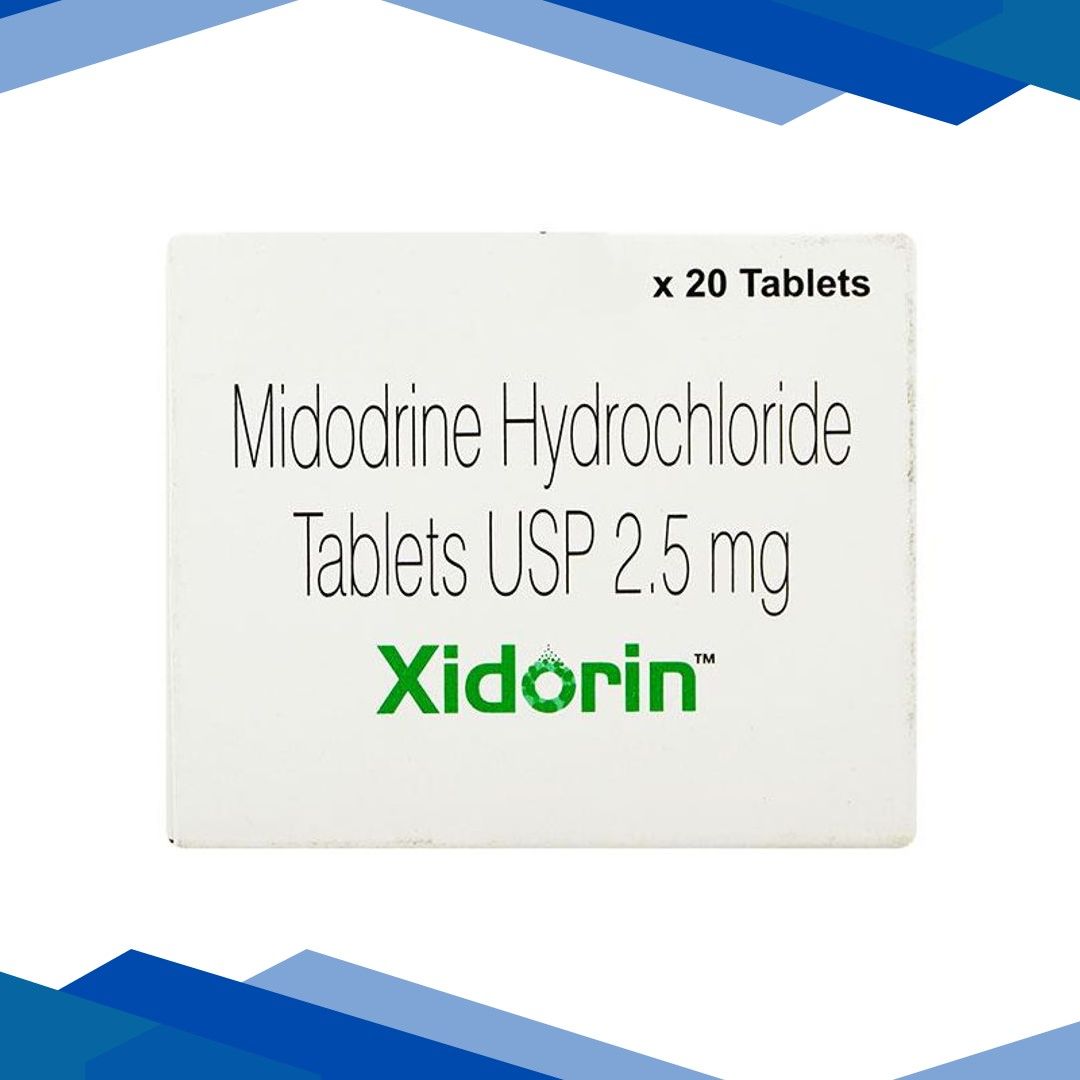
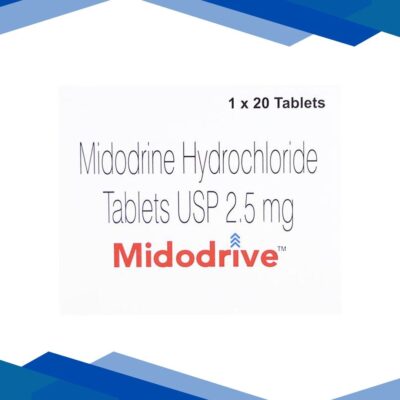
MIDODRIVE 2.5 Tablet 20’s