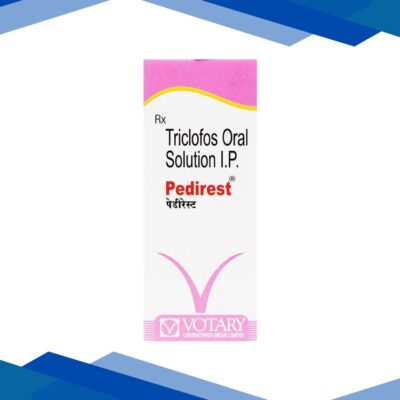
Napkid Syrup 30ml
❌ Due to high demand, this product is currently out of stock. New stock will be available shortly.
👉 Click here to Buy Same Salt medicine
Napkid Syrup is a sedative and sleep-promoting medicine used mainly to help people fall asleep for a short period when sleeping problems are present. It works by slowing down activity in the brain and nervous system, which helps produce a calming effect and makes it easier to sleep. Napkid Syrup is commonly used for short-term treatment of insomnia and may also be given in certain medical situations where relaxation or sleep is needed under a doctor’s supervision. It should be used only as directed by a healthcare professional, since the effects can vary from person to person and it may cause drowsiness. Napkid Syrup is not meant for long-term sleep management, and it is important to use it carefully to avoid unwanted side effects or dependence.
Description
Napkid Syrup is a sedative-hypnotic medicine that has historically been used to help produce sleep, especially in children and, in some settings, for short-term sedation before medical procedures or diagnostic tests. it works by depressing activity in the central nervous system, which helps a person become calmer, drowsy, and more likely to fall asleep. because of this effect, it may be used when a healthcare professional needs a patient to rest or sleep for a short period, or when sleep difficulties are interfering with an essential medical examination. it is important to understand that Napkid Syrup is not a simple over-the-counter sleep aid and should be used only when recommended by a qualified healthcare professional.
the medicine acts on the brain and nervous system to reduce alertness. in practical terms, this can make a child or adult feel sleepy, less restless, and less resistant to sleep. the sedative effect is generally short-term, and the goal is usually to achieve a specific, temporary outcome rather than to treat chronic insomnia long term. because the medicine can affect breathing, alertness, coordination, and responsiveness, careful use is essential. it should never be used casually or in larger amounts than advised, as excessive sedation can be dangerous.
Napkid Syrup is often discussed in pediatric care because sleep induction may be needed for procedures or situations where calmness is important. however, the exact role of this medicine depends on local prescribing practices, age, clinical situation, and the availability of safer alternatives. a healthcare professional should decide whether it is appropriate, taking into account the patient’s age, weight, medical history, and any other medicines already being used. it is also important to note that its use may vary by country and medical setting.
in general, Napkid Syrup is for people who need short-term sedation or sleep assistance under medical supervision, not for routine self-treatment of insomnia. it is most useful when sleep is needed for a limited purpose and when a clinician believes the benefits outweigh the risks. because sedation medicines can interact with many other drugs and can cause excessive drowsiness, proper guidance and monitoring are very important.
ingredients
- Napkid Syrup: the active medicinal ingredient that produces the calming and sleep-inducing effect. it acts on the central nervous system to reduce wakefulness and promote sedation. its main role is to help achieve temporary sleep or calmness for medical needs, but it must be used carefully because too much sedation can lead to unsafe slowing of breathing, reduced responsiveness, or prolonged drowsiness.
- inactive ingredients: depending on the formulation, the product may contain excipients such as flavoring agents, preservatives, sweeteners, stabilizers, solvents, or suspending agents. these do not provide the therapeutic effect, but they help maintain the medicine’s stability, taste, appearance, and ease of administration. the exact excipients can vary by manufacturer, so patients with allergies or sensitivities should check the product label or ask a pharmacist.
key uses
- short-term sleep induction: Napkid Syrup may be used to help initiate sleep when a temporary sedative effect is needed. it is not intended as a long-term solution for chronic sleep disorders.
- pre-procedure calming or sedation: in some clinical settings, it may be given to reduce anxiety and help a patient rest before a diagnostic test or minor procedure, especially when stillness is important.
- pediatric sleep assistance under supervision: it may be used in children when a clinician determines that short-term sedation is necessary and other options are not appropriate.
- facilitating medical examinations: by reducing restlessness and promoting sleep, it can help healthcare professionals complete certain examinations more effectively, particularly in children who have difficulty staying still.
how to use
Napkid Syrup should be used exactly as directed by a healthcare professional. it is generally taken only when sedation or sleep is specifically needed, and not on a continuous self-directed basis. the medicine may be given by mouth in a form prepared for oral use, and the timing is usually arranged so that the sedative effect begins before the intended sleep or procedure time. because response can vary from person to person, the prescriber may advise a particular schedule based on age, medical condition, and purpose of use. it is very important not to take extra amounts if the effect seems slow to start, because delayed action can still be followed by strong sedation later.
for best safety, the person taking Napkid Syrup should be in a calm environment and monitored if recommended, especially in children or in anyone at higher risk of sedation-related complications. do not combine it with alcohol, other sleep medicines, or drugs that make you drowsy unless a clinician explicitly approves it. after taking the medicine, the person should avoid activities that require alertness, balance, or coordination. if the medicine is being used for a medical test, follow all instructions from the clinic or hospital carefully, including fasting or observation requirements if applicable.
safety information
- warnings: Napkid Syrup can cause significant drowsiness and may impair breathing, coordination, and reaction time. it should be used only under medical supervision, especially in infants, children, older adults, or people with underlying breathing problems. over-sedation is a serious concern. a healthcare professional should be told about any history of sleep apnea, asthma, chronic lung disease, seizures, liver or kidney disease, or previous adverse reactions to sedatives.
- side effects: common side effects may include sleepiness, dizziness, headache, nausea, vomiting, stomach discomfort, weakness, and poor coordination. some people may experience prolonged grogginess, confusion, unusual excitement or irritability, or disturbed sleep patterns. serious side effects can include extreme drowsiness, shallow or slowed breathing, difficulty waking up, bluish lips or skin, fainting, allergic reactions such as rash or swelling, and marked changes in mental status. any severe reaction should be treated as urgent.
- precautions: people with breathing disorders, severe liver or kidney problems, a history of drug sensitivity, or conditions that increase the risk of sedation-related harm should use extra caution or avoid it unless specifically advised by a doctor. it is especially important to protect children from accidental overdosing. the medicine should be stored securely and never shared with others.
- pregnancy/breastfeeding: safety in pregnancy and breastfeeding depends on the clinical situation and should be assessed by a healthcare professional. sedative medicines can sometimes affect the unborn baby or pass into breast milk, potentially causing drowsiness or feeding problems in an infant. if you are pregnant, planning pregnancy, or breastfeeding, seek medical advice before using Napkid Syrup.
- interactions: Napkid Syrup may interact with alcohol, opioid pain medicines, benzodiazepines, antihistamines, certain antidepressants, antipsychotics, and other medicines that cause sedation or slow the central nervous system. these combinations can increase sleepiness and the risk of breathing problems. always tell the prescriber and pharmacist about all prescription medicines, over-the-counter products, and herbal supplements being used.
additional information
- storage: store the medicine in a tightly closed container at room temperature unless the label provides different instructions. keep it away from excess heat, moisture, and direct sunlight. do not freeze unless specifically directed. always keep it out of reach of children.
- missed dose: because Napkid Syrup is often used only when needed for a specific purpose, a “missed dose” may not always apply. if a scheduled dose is forgotten, do not take a double amount later without medical advice. follow the instructions given by the doctor or pharmacist for the exact situation.
- overdose: an overdose may cause severe sleepiness, confusion, unsteady movement, vomiting, slowed breathing, low blood pressure, or unconsciousness. this is a medical emergency. if an overdose is suspected, seek urgent medical help immediately or contact emergency services. do not try to make the person vomit unless instructed by a medical professional.
- habit forming: Napkid Syrup is generally not considered a medicine intended for long-term habit-forming use in the way some sedatives can be. however, because it affects the central nervous system, it should still be used cautiously and only as directed. repeated unsupervised use is not recommended, and the medicine should not be used as a substitute for proper evaluation of ongoing sleep problems.
frequently asked questions
Q: what is Napkid Syrup used for?
A: Napkid Syrup is used as a short-term sedative or sleep-inducing medicine under medical supervision. it may help a patient rest or sleep temporarily, especially when a clinician needs calmness for a procedure or test.
Q: can Napkid Syrup be used for regular insomnia?
A: it is generally not meant for routine, long-term treatment of chronic insomnia. if sleep problems are ongoing, a healthcare professional should evaluate the cause and recommend a safer, appropriate treatment plan.
Q: how long does Napkid Syrup take to work?
A: the onset can vary depending on the individual, the formulation, and whether it is used with food or other medicines. a healthcare professional can provide guidance on expected timing for the specific product being used.
Q: is Napkid Syrup safe for children?
A: it may be used in children only when prescribed and monitored by a healthcare professional. children can be more sensitive to sedation, so accurate use and close supervision are very important.
Q: can i take Napkid Syrup with alcohol?
A: no. alcohol can significantly increase drowsiness and the risk of dangerous breathing problems or excessive sedation. it should be avoided unless a doctor specifically says otherwise.
Q: what should i do if it makes me too sleepy?
A: if excessive sleepiness occurs, the person should be monitored closely and a healthcare professional should be contacted, especially if breathing seems slow or difficult. emergency help is needed if the person is hard to wake or unresponsive.
Q: can i drive after taking Napkid Syrup?
A: no, you should avoid driving, operating machinery, or doing anything that requires full alertness after taking Napkid Syrup because it can impair reaction time and coordination.
Q: does Napkid Syrup cause addiction?
A: it is not typically described as a classic habit-forming medicine, but it should still be used only as prescribed. misuse or repeated unsupervised use is not safe and can lead to harm.
Q: what if i am taking other medicines?
A: tell your doctor or pharmacist about all medicines you take, especially sleep medicines, anxiety medicines, allergy medicines, pain medicines, antidepressants, or any medicine that causes drowsiness. interactions can increase sedation and risk.
Q: can pregnant or breastfeeding women use it?
A: this requires medical advice. the safety depends on the individual situation, and a healthcare professional should weigh the possible benefits and risks before use.
Q: what are the most serious warning signs?
A: serious warning signs include trouble breathing, extreme drowsiness, fainting, blue lips or skin, severe confusion, or inability to wake up. these require urgent medical attention.
Q: should i take more if it does not work quickly?
A: no. taking extra amounts without professional advice can lead to overdose or dangerous sedation. always follow the prescribed instructions and consult a healthcare professional if the medicine does not seem effective.
Q: can elderly patients use Napkid Syrup?
A: older adults may be more sensitive to sedatives and more prone to confusion, falls, and breathing-related side effects. extra caution and professional supervision are important.
Q: does food affect Napkid Syrup?
A: food may influence how quickly some medicines are absorbed, but the effect can vary by product. follow the instructions provided by the prescriber or pharmacist for the specific formulation.
Q: what should i tell my doctor before using it?
A: tell your doctor about allergies, breathing problems, liver or kidney disease, pregnancy or breastfeeding, and all medicines or supplements you take. this helps reduce the risk of harmful side effects and interactions.
this information is for educational purposes only and should not be considered medical advice. always consult a qualified healthcare professional before use.
At Gem Pharmacy, we make every effort to provide accurate, expert-written, and thoroughly reviewed information related to medicines. However, this information should not be considered a substitute for professional medical advice, diagnosis, or treatment from a qualified doctor.
The purpose of this information is to educate users and improve communication between patients and healthcare professionals. It should not be used to diagnose or treat any condition.
Always consult a certified healthcare professional before taking any medication.


Related products