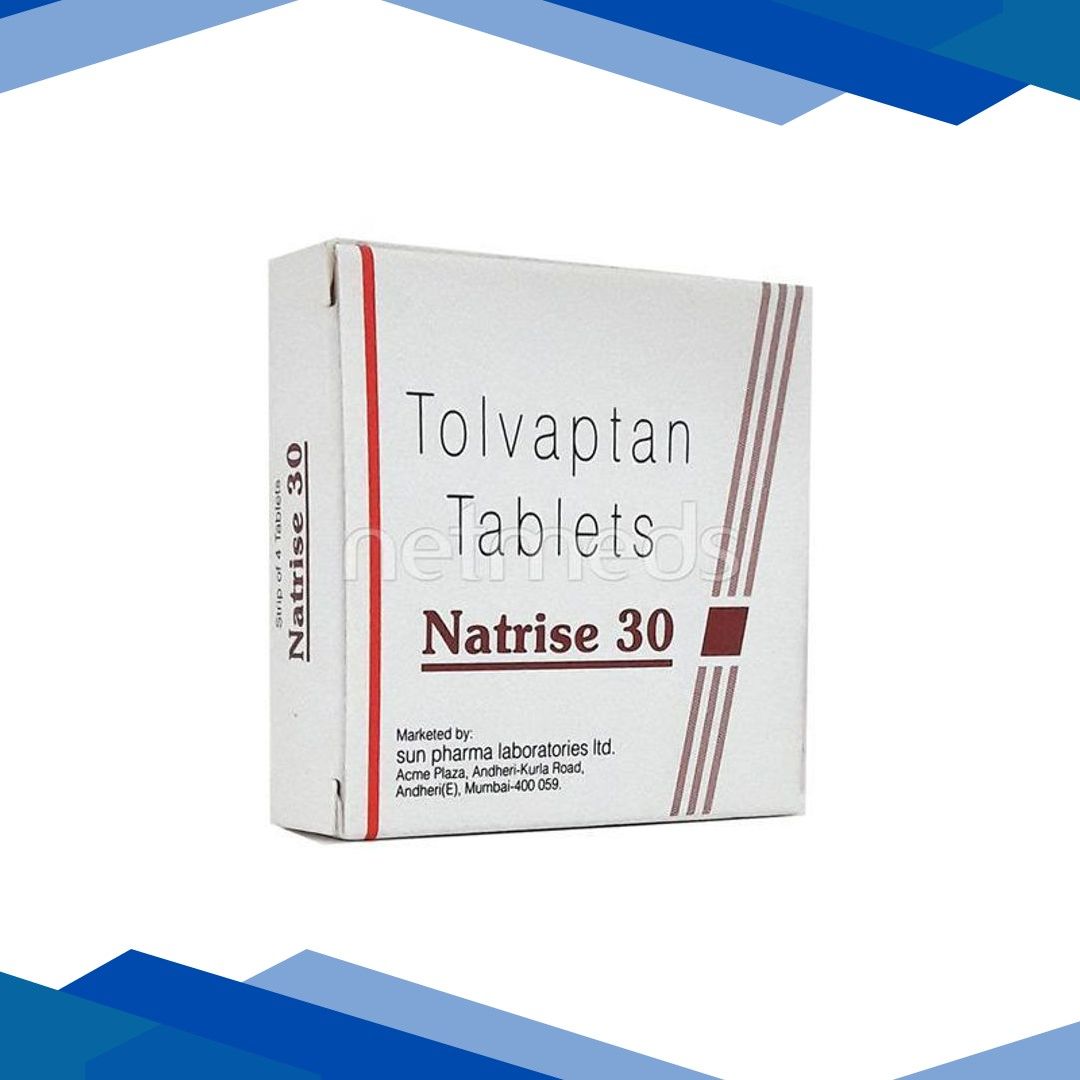
Natrise 30mg Tablet 4’S
Natrise 30mg Tablet is a prescription medicine used to help the body remove excess water while keeping sodium levels balanced. It works by blocking vasopressin, a hormone that tells the kidneys to hold on to water. By reducing water reabsorption, Natrise 30mg Tablet increases urination and can help lower low sodium levels in the blood. It is commonly used in certain adults with hyponatremia, especially when the condition is caused by heart failure, liver disease, or an inappropriate release of antidiuretic hormone. In some patients with autosomal dominant polycystic kidney disease, it may also help slow the growth of kidney cysts. Because it affects fluid and sodium balance, Natrise 30mg Tablet should be used under medical supervision.
Description
Natrise 30mg Tablet is a prescription medicine used to help manage certain conditions where the body retains too much water or where abnormal kidney cyst growth needs to be slowed in selected patients. it belongs to a group of medicines called vasopressin receptor antagonists, sometimes referred to as “aquaretics” because they help the kidneys remove excess water rather than sodium. this makes Natrise 30mg Tablet different from ordinary diuretics, which often remove both salt and water. by blocking the action of vasopressin, a hormone that tells the kidneys to conserve water, Natrise 30mg Tablet helps increase free-water excretion and can reduce the buildup of water in the body.
the medicine works by selectively blocking vasopressin v2 receptors in the kidney’s collecting ducts. when these receptors are blocked, the kidneys are less able to reabsorb water back into the bloodstream. as a result, more dilute urine is produced, and the body loses water while sodium balance is relatively preserved. this mechanism is especially useful in conditions such as hyponatremia associated with certain diseases, where the blood sodium level is low because the body is holding on to too much water. in some countries and for specific patients, Natrise 30mg Tablet is also used in autosomal dominant polycystic kidney disease (adpkd) to help slow the enlargement of kidney cysts and preserve kidney function for as long as possible.
Natrise 30mg Tablet is not a medicine for routine fluid retention or swelling in all situations, and it is not appropriate for every patient with low sodium. because it can cause the body to lose water quickly, it must be used carefully and under medical supervision. a healthcare professional may monitor sodium levels, liver function, kidney function, and overall fluid status before and during treatment. the medicine is intended for selected patients in whom the benefits outweigh the risks, and treatment decisions should always be individualized.
people who may be prescribed Natrise 30mg Tablet include adults with certain types of hyponatremia, especially when it is related to conditions such as heart failure, liver disease, or the syndrome of inappropriate antidiuretic hormone secretion in appropriate clinical settings, depending on local labeling and medical judgment. it may also be prescribed for adults with adpkd in specialized care. because the medicine can affect the liver and cause significant dehydration if not used properly, it should only be taken exactly as directed by a qualified healthcare professional.
ingredients
- ingredient name: Natrise 30mg Tablet — this is the active medicine. it blocks vasopressin v2 receptors in the kidneys, reducing water reabsorption and increasing urine output. in low-sodium conditions, this can help raise serum sodium gradually. in adpkd, the same mechanism reduces signaling that contributes to cyst growth and fluid accumulation within kidney cysts.
- inactive ingredients: tablet or formulation-specific excipients may include fillers, binders, disintegrants, coatings, and lubricants. these do not treat the condition directly but help with tablet stability, appearance, absorption, and manufacturing quality. the exact inactive ingredients can vary by product and manufacturer, so patients with allergies should check the package insert or ask a pharmacist.
key uses
- low blood sodium (hyponatremia): Natrise 30mg Tablet may be used to help correct low sodium levels caused by excess water retention. it works by removing free water from the body, which can help normalize sodium concentration when used appropriately under monitoring.
- hyponatremia associated with specific medical conditions: it may be considered in patients with conditions such as heart failure or certain hormonal or liver-related disorders when fluid retention is contributing to low sodium and other treatments are not enough or are unsuitable.
- autosomal dominant polycystic kidney disease (adpkd): in selected adults, Natrise 30mg Tablet can help slow the progression of kidney cyst growth and decline in kidney function. it does not cure adpkd, but it may delay worsening in suitable patients.
- fluid balance management in specialist care: because it promotes water loss without major sodium loss, it may be useful in carefully chosen patients who need controlled correction of water overload, always with close lab monitoring.
how to use
Natrise 30mg Tablet should be taken only as directed by a healthcare professional. it is usually taken by mouth as a tablet, and the timing, frequency, and duration depend on the condition being treated and the patient’s lab results. because it increases urine production, it is often taken earlier in the day or according to the prescribed schedule to reduce sleep disruption from frequent urination. patients should follow the instructions carefully and not change the dose or stop treatment on their own, especially if being monitored for sodium correction or kidney disease.
it is important to drink fluids according to the guidance of the prescribing clinician. some patients may need to drink when thirsty to avoid dehydration, but fluid restriction or excess drinking may be specifically directed in certain medical situations. Natrise 30mg Tablet can raise sodium too quickly if not monitored, so regular blood tests are essential. if used for adpkd, liver tests are also typically required because of the risk of liver injury. the medicine should be taken consistently, and any concerns such as extreme thirst, inability to drink, reduced urination, dizziness, or confusion should be reported promptly.
safety information
- warnings: Natrise 30mg Tablet can cause rapid loss of body water, leading to dehydration, excessive thirst, dizziness, fainting, and electrolyte changes. a major safety concern is that sodium may rise too fast, which can be dangerous and may cause serious neurological complications. another important warning is the risk of liver injury, especially with use for adpkd, so liver monitoring is often required.
- side effects: common side effects may include increased urination, thirst, dry mouth, fatigue, constipation, weakness, and mild dizziness. more serious side effects can include severe dehydration, low blood pressure, worsening kidney function, abnormal liver tests, jaundice, dark urine, abdominal pain, confusion, or a dangerously rapid rise in sodium levels. severe allergic reactions are rare but require emergency help.
- precautions: Natrise 30mg Tablet should be used cautiously or avoided in patients who cannot sense thirst, cannot drink enough water, are severely dehydrated, have anuria or very low urine output, or have significant liver disease unless a specialist determines it is appropriate. extra care is needed in older adults, people taking multiple medicines, and patients with kidney or electrolyte abnormalities.
- pregnancy/breastfeeding: safety in pregnancy is not well established, and use should only be considered if clearly needed and prescribed by a clinician. breastfeeding is generally not recommended without medical advice because it is not known how much of the medicine passes into breast milk and because of potential risks to the infant.
- interactions: Natrise 30mg Tablet can interact with medicines that affect liver enzymes, especially cyp3a inhibitors or inducers, which can change how much Natrise 30mg Tablet stays in the body. strong inhibitors such as certain antifungals, antibiotics, or hiv medicines may increase side effects, while some seizure medicines or rifampicin-like drugs may reduce effectiveness. alcohol can worsen dehydration and dizziness and may also increase liver-related risk, so it should be avoided or discussed with a healthcare professional. other medicines that alter sodium, water balance, or blood pressure may require careful monitoring.
additional information
- storage: store Natrise 30mg Tablet at room temperature in a dry place away from excess heat, moisture, and direct light. keep it in the original container if possible and out of reach of children and pets. do not store in bathrooms unless specifically advised by the manufacturer.
- missed dose: if a dose is missed, follow the instructions given by the prescriber or pharmacist. in general, do not double the next dose to make up for a missed one. if you are close to the time of the next scheduled dose, skip the missed dose and continue with the regular schedule.
- overdose: an overdose may cause severe thirst, very large amounts of urine, dehydration, low blood pressure, dizziness, fainting, or dangerously abnormal sodium levels. if overdose is suspected, seek urgent medical help or contact poison control immediately. emergency treatment may include fluid replacement and close laboratory monitoring.
- habit forming: no, Natrise 30mg Tablet is not considered habit forming. it does not produce addiction or drug-seeking behavior. however, because it can significantly alter fluid and sodium balance, it must be used responsibly and only under medical supervision.
frequently asked questions
Q: what is Natrise 30mg Tablet mainly used for?
A: Natrise 30mg Tablet is mainly used to help manage low blood sodium levels in selected patients and, in certain adults, to slow the progression of autosomal dominant polycystic kidney disease. the exact use depends on the patient’s diagnosis and local prescribing guidelines.
Q: does Natrise 30mg Tablet make you urinate more?
A: yes. Natrise 30mg Tablet works by increasing free-water excretion, so many patients notice more frequent urination and increased thirst. this is expected, but excessive urination, dizziness, or signs of dehydration should be reported.
Q: why are blood tests needed with Natrise 30mg Tablet?
A: blood tests are important to monitor sodium levels, kidney function, and liver function. sodium must not rise too quickly, and liver injury is a known risk, particularly in patients using the medicine for adpkd.
Q: can Natrise 30mg Tablet be taken with food?
A: it may be taken with or without food depending on the product and medical advice, but patients should follow the instructions given by their healthcare provider. food may affect absorption for some formulations, so consistency is important.
Q: what are the warning signs of liver problems with Natrise 30mg Tablet?
A: warning signs can include tiredness, loss of appetite, nausea, vomiting, pain in the upper right side of the abdomen, dark urine, yellowing of the skin or eyes, or unusual itching. these symptoms need prompt medical attention.
Q: can i drink water normally while taking Natrise 30mg Tablet?
A: you should follow your clinician’s advice. because the medicine increases water loss, staying adequately hydrated is important, but fluid intake may need to be individualized based on your condition, sodium level, and treatment goals.
Q: is Natrise 30mg Tablet safe for everyone with low sodium?
A: no. low sodium has many causes, and Natrise 30mg Tablet is not suitable for every patient. it should only be used when a healthcare professional decides it is appropriate after evaluating the cause of the low sodium and the patient’s overall condition.
Q: can Natrise 30mg Tablet be stopped suddenly?
A: stopping should be discussed with the prescribing clinician, especially if it is being used for a monitored condition. in some cases, the benefits of treatment may stop when the medicine is discontinued, and follow-up may be needed.
Q: does Natrise 30mg Tablet cure kidney disease?
A: no. in adpkd, Natrise 30mg Tablet does not cure the disease, but it may help slow progression in selected patients. ongoing medical follow-up is still necessary.
Q: what should i do if i feel very thirsty or dizzy on Natrise 30mg Tablet?
A: thirst can be expected, but severe thirst, dizziness, weakness, confusion, or fainting may signal dehydration or abnormal sodium changes. contact a healthcare professional promptly for advice.
Q: can alcohol be taken while using Natrise 30mg Tablet?
A: alcohol is best avoided or limited because it can increase the risk of dehydration, dizziness, and possibly liver-related complications. ask a healthcare professional for individualized guidance.
Q: do i need regular monitoring while on Natrise 30mg Tablet?
A: yes. regular monitoring is essential to check sodium levels, kidney function, fluid balance, and, in many cases, liver function. this helps reduce the risk of serious complications and ensures the medicine is used safely.
this information is for educational purposes only and should not be considered medical advice. always consult a qualified healthcare professional before use.
At Gem Pharmacy, we make every effort to provide accurate, expert-written, and thoroughly reviewed information related to medicines. However, this information should not be considered a substitute for professional medical advice, diagnosis, or treatment from a qualified doctor.
The purpose of this information is to educate users and improve communication between patients and healthcare professionals. It should not be used to diagnose or treat any condition.
Always consult a certified healthcare professional before taking any medication.


Related products
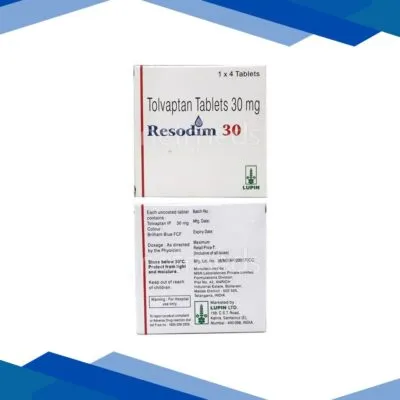
Resodim 30mg Tablet 4’S