CORCIUM HD Tablet 10’s
Bold Care Extend Delay Spray 50 g
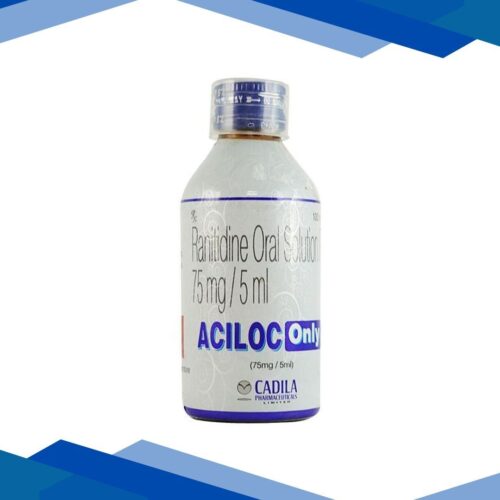
Aciloc Only Oral Liquid 100ml
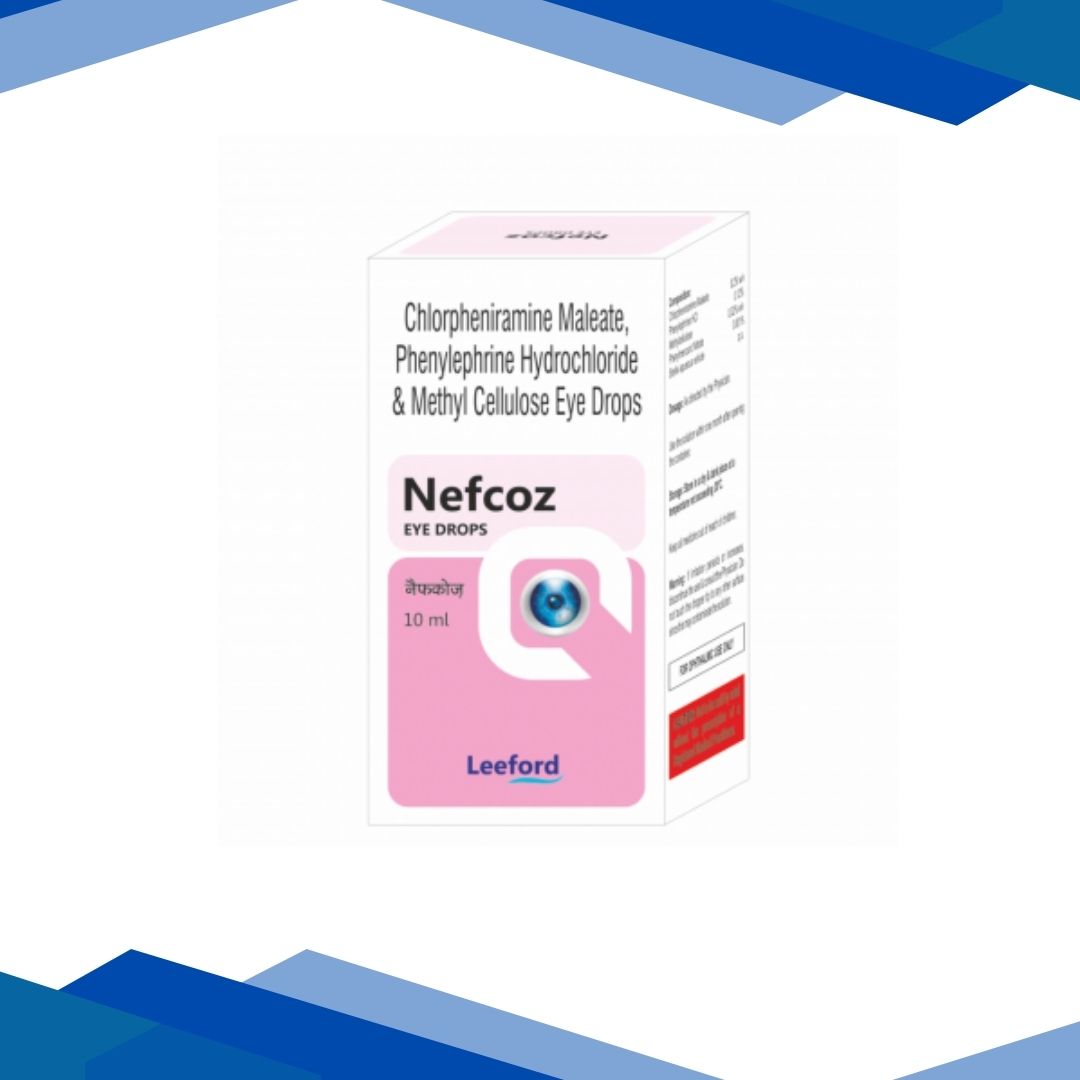
Nefcoz Eye Drops 10ml
No Prescription yet? Don’t worry! Click Here to Get Online Consultation
Why Prescription is Required?
✅ Providing Right Medicines
Prescriptions are complex documents. We proofread and recheck at various steps to provide you the right medication in the correct form and dose.
⚖️ Helps Comply with the Law
Most medicines cannot be sold without a valid prescription, as per the Drugs and Cosmetics Act, 1940 and Rules, 1945.
Book Appointment with Doctor
Nefcoz Eye Drops 10ml is used for relieving redness, swelling, itching and watering of the eyes in allergic eye conditions by reducing irritation and eye congestion. For more details kindly click on Medicine Salts below:
Camphor
Camphor: Relief for Various Pain, Respiratory, and Skincare Purposes
Historically derived from the wood of the tree Cinnamomum camphora, camphor is a bicyclic monoterpene ketone that is now largely produced synthetically for pharmaceutical use. Known for its sharp aromatic odor and cooling sensation, camphor is commonly used in counter-irritant liniments, decongestant vapor balms, and antiseptic ointments.
When applied topically, camphor stimulates nerve endings, creating a cooling and mild irritant effect that helps reduce the perception of pain while also improving local blood circulation.
Therapeutic Uses & Benefits
Pain Relief (Counter-Irritant Effect): Camphor is widely used in topical balms and ointments to relieve muscle pain, joint stiffness, and minor sprains by stimulating sensory nerve receptors.
Respiratory Congestion Relief: In vapor rubs and inhalation preparations, camphor helps open nasal passages and ease breathing difficulties associated with cold and sinus congestion.
Antimicrobial & Antiseptic Support: Camphor exhibits mild antibacterial and antifungal properties, making it useful in topical skin preparations.
Skin Soothing Effect: When used in proper dilution, camphor can help reduce itching, irritation, and mild inflammatory skin conditions.
Traditional Use Methods
Steam Inhalation Method: Add a small amount of camphor to a vessel containing hot water and inhale the vapors to help clear nasal congestion. Always keep the eyes closed to avoid irritation.
Skin Patch Test: Before applying camphor externally, perform a patch test on the inner arm to check for possible skin sensitivity.
Safety and Precaution
EXTERNAL USE ONLY: Camphor must never be ingested. Even small quantities taken orally can lead to serious toxicity, including seizures or respiratory distress.
Avoid Open Wounds: Do not apply camphor on open cuts, damaged skin, or mucous membranes, as absorption may occur rapidly and lead to systemic toxicity.
Use With Children: Camphor products must be kept away from children. They should never be applied inside the nostrils or on the face of infants, as this may cause respiratory complications.
Concentration Limit: In over-the-counter topical preparations, camphor concentration is generally restricted to 11% or less for safety.
Frequently Asked Questions (FAQs)
1. Is camphor good for treating acne?
Although camphor has antibacterial properties, it can be too strong for delicate facial skin. In some cases, it may be used in spot treatments, but individuals with acne-prone skin should consult a dermatologist before using it to avoid irritation or chemical burns.
2. Why does camphor feel cold at first and then warm on the skin?
This sensation is due to its counter-irritant mechanism. Camphor first stimulates cold receptors, producing a cooling sensation, and then increases blood flow (hyperemia) in the area, which results in gentle warmth and muscle relaxation.
3. Is camphor safe during pregnancy?
Small topical amounts are generally considered low risk, but because camphor can be absorbed through the skin, pregnant or breastfeeding women should consult a healthcare professional before using camphor-based products.
4. How should camphor-based products be stored?
Camphor is volatile and highly flammable. Store products in an airtight container, away from heat sources, direct sunlight, and open flames, and keep them at moderate room temperature.
5. What are the symptoms of an allergic reaction to camphor?
Possible allergic reactions include redness, persistent burning sensation, itching, hives, or blistering of the skin. If any of these symptoms occur, wash the affected area with mild soap and warm water and discontinue use immediately. Seek medical attention if symptoms persist.

Menthol
MENTHOL
Overview:
Menthol is a natural ingredient from mint that gives a cool, refreshing sensation.It’s found in ointments, lozenges, and inhalers to relieve sore throats, open up congested noses, reduce coughing, or soothe minor skin irritation. Its cooling effect helps you feel comfortable, relieved, and more at ease in everyday situations.
Classification: Symptomatic relief agent
Uses:
Menthol is used to provide quick relief from common discomforts. It can soothe a sore throat, calm a cough, ease nasal congestion, and reduce minor skin irritation.Its refreshing, cooling action makes you feel more comfortable and helps reduce the impact of everyday symptoms.
How it works:
Menthol functions to cause the nerve endings on the surface of the skin and mucous membranes to become numb, and thus observe a degree of cooling. This cooling effect fools the brain into thinking it is getting relief from discomfort, opens nasal passages, soothes an irritated throat and minor aches or itching, making you feel more comfortable and refreshed.
Dosage:
As prescribed by your doctor.
Side Effects:
Mild skin irritation or redness
Burning or stinging sensation
Allergic reactions like rash, itching, or swelling (rare)
Mild throat or mouth irritation
Precautions:
While using menthol, make sure to use it as instructed on the product and do not apply it on broken or sensitive skin. When you have been allergic previously, test in a small area to ensure there are no reactions. Do not use large quantities in use internally, such as in lozenges, or cough syrups, and store it away from the reach of children. If you experience difficulty breathing, rash or swelling, stop and get medical attention.
Disclaimer:This content is for informational purposes only. Always consult a healthcare provider for medical advice and proper dosage.
Phenylephrine
PHENYLEPHRINE
Overview
Phenylephrine is a medicine often used to relieve a stuffy or blocked nose. It works by shrinking swollen blood vessels in your nasal passages, helping you breathe more easily. You might find it in many cold, flu, or allergy medications.
Classification
Decongestants
Uses
Relieves nasal congestion due to colds, allergies, or sinus infections
Sometimes used to increase low blood pressure during surgery or in critical care
May be found in eye drops to dilate pupils during eye exams
How It Works
Phenylephrine works by narrowing the blood vessels in the nose. This reduces swelling and opens up your airways. When taken for blood pressure support, it tightens blood vessels throughout the body, which helps raise blood pressure.
Dosage
As prescribed by your doctor.
Side effects
Some common or possible side effects may include:
Headache
Dizziness
Nervousness or restlessness
Trouble sleeping (insomnia)
Increased heart rate or blood pressure
In rare cases, serious side effects like irregular heartbeat or chest pain can occur. Always report unusual symptoms to your doctor.
Precautions
Avoid it if you have high blood pressure, heart disease, thyroid problems, or glaucoma, unless your doctor says it’s safe.
Do not use more than the recommended dose – overuse can increase side effects.
Tell your doctor if you’re pregnant or breastfeeding before using.
If taken with other medications (especially for depression or blood pressure), it could interact negatively.
Not recommended for young children without medical advice.
Disclaimer
This content is for informational purposes only. Always consult a healthcare provider for medical advice and proper dosage