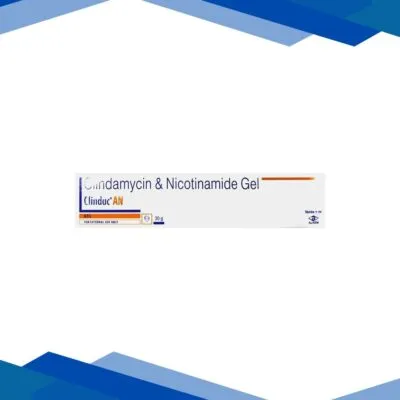
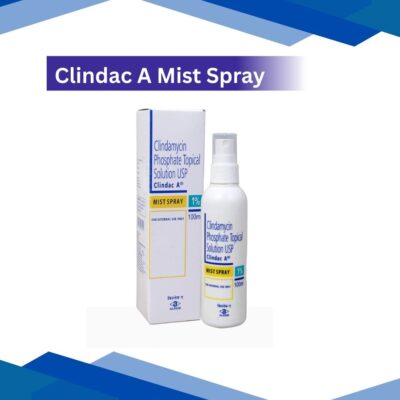
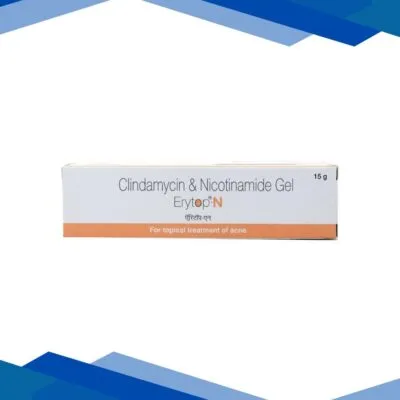
Nilac Gel 20gm
Nicotinamide (also known as Nilac Gel or niacinamide) is a water-soluble form of Vitamin B3 that plays an essential role in energy production, cellular repair, and overall metabolic function in the body. It helps convert food into usable energy by supporting important coenzymes like NAD and NADP, which are vital for healthy cell function. Nicotinamide is commonly used to treat or prevent Vitamin B3 deficiency and is also valued for its benefits in improving skin health, reducing inflammation, and supporting neurological function. Unlike niacin, it does not typically cause flushing, making it better tolerated for regular use under medical guidance.
Description
nicotinamide, also known as Nilac Gel or niacinamide, is a water-soluble form of vitamin b3 (niacin) that plays a crucial role in maintaining overall metabolic health and supporting numerous biochemical processes in the human body. it is an essential nutrient that cannot be stored in large amounts, which means it must be obtained regularly through diet or supplementation. nicotinamide is widely used in both preventive healthcare and therapeutic settings due to its involvement in cellular energy production and skin health support.
this medicine works primarily by acting as a precursor of important coenzymes such as nicotinamide adenine dinucleotide (nad+) and its phosphate form (nadp+). these coenzymes are essential for energy metabolism, dna repair, and cellular communication. without adequate nicotinamide, the body may experience disruptions in energy production, skin integrity, and neurological function.
unlike nicotinic acid (another form of vitamin b3), nicotinamide does not typically cause flushing, making it better tolerated in many individuals. it is commonly used in nutritional deficiencies, dermatological conditions, and sometimes as an adjunct therapy in metabolic and inflammatory disorders under medical supervision.
nicotinamide is also known for its antioxidant and anti-inflammatory properties. it helps reduce oxidative stress in cells, supports skin barrier function, and may assist in reducing the severity of certain skin conditions such as acne, eczema, and hyperpigmentation. due to its broad role in cellular health, it is often included in multivitamin supplements and dermatological formulations.
ingredients
- nicotinamide (vitamin b3): the primary active ingredient responsible for supporting cellular energy metabolism, dna repair, and skin barrier health. it helps convert food into energy and plays a key role in maintaining healthy skin, nerves, and digestive function.
- excipients (inactive ingredients): these may include stabilizers, fillers, or binding agents used in tablet or capsule formulations to maintain drug stability, ensure proper absorption, and improve shelf life. common excipients vary depending on the manufacturer.
key uses
- treatment of vitamin b3 deficiency: used to prevent and manage pellagra, a condition caused by niacin deficiency that leads to dermatitis, diarrhea, and dementia.
- skin health support: helps improve skin barrier function, reduce dryness, and manage inflammatory skin conditions such as acne, rosacea, and eczema.
- metabolic support: plays a vital role in energy production by assisting enzymatic reactions involved in carbohydrate, fat, and protein metabolism.
- neurological function: supports proper nerve function and may help in maintaining cognitive health by supporting neurotransmitter balance and neuronal energy supply.
- antioxidant protection: helps protect cells from oxidative damage by supporting nad+/nadp+ dependent reactions that reduce free radical damage.
- adjunct in dermatology: sometimes used in topical or oral form to reduce pigmentation, improve skin texture, and support overall dermatological therapy.
how to use
nicotinamide should be used according to the dosage and instructions provided by a healthcare professional. it is commonly taken orally in tablet or capsule form and may be consumed with or without food depending on individual tolerance. taking it with food can help reduce the risk of mild gastrointestinal discomfort in some individuals.
it is important to maintain consistency when using nicotinamide supplements, especially in cases of nutritional deficiency or chronic skin conditions. the dosage varies based on age, health condition, and medical requirement, so self-medication is not recommended. always follow medical guidance for appropriate use.
if used in topical formulations (such as creams or serums), it should be applied to clean, dry skin in a thin layer as directed. regular use is often required to observe visible skin benefits, which may take several weeks depending on the condition being treated.
safety information
- warnings: although generally safe, high doses should be avoided unless prescribed. excessive intake may lead to liver stress or metabolic imbalance in rare cases. individuals with liver disease or chronic medical conditions should use it cautiously under supervision.
- side effects: common side effects may include mild nausea, stomach discomfort, headache, or flushing (rare compared to niacin). serious side effects are uncommon but may include liver enzyme elevation or allergic reactions in sensitive individuals.
- precautions: use with caution in patients with liver disorders, kidney disease, or chronic metabolic conditions. long-term supplementation should be monitored by a healthcare provider to avoid excessive intake.
- pregnancy/breastfeeding: generally considered safe when taken within recommended dietary limits. however, higher therapeutic doses should only be used under medical supervision during pregnancy or lactation.
- interactions: may interact with certain medications such as anticonvulsants, blood pressure drugs, and cholesterol-lowering agents. alcohol consumption may increase the risk of liver-related side effects when combined with high doses of nicotinamide.
additional information
- storage: store in a cool, dry place away from direct sunlight and moisture. keep the container tightly closed and out of reach of children.
- missed dose: if a dose is missed, it should be taken as soon as remembered. however, if it is close to the next scheduled dose, skip the missed dose and continue with the regular schedule. do not double the dose.
- overdose: excess intake may lead to gastrointestinal discomfort, dizziness, or liver-related issues in severe cases. immediate medical attention is required if overdose is suspected.
- habit forming: no, nicotinamide is not habit-forming. it is a vitamin-based supplement that supports normal body functions and does not cause dependence.
frequently asked questions
Q: what is nicotinamide used for in daily health?
A: nicotinamide is primarily used to prevent and treat vitamin b3 deficiency and support overall metabolic health, skin function, and nervous system balance. it also helps in maintaining healthy energy production at the cellular level.
Q: can nicotinamide improve skin conditions like acne?
A: yes, nicotinamide is widely used in dermatology for its anti-inflammatory and skin barrier-strengthening properties. it may help reduce acne, redness, and pigmentation when used consistently in appropriate formulations.
Q: is nicotinamide safe for long-term use?
A: in general, nicotinamide is considered safe when taken within recommended limits. long-term use should still be monitored by a healthcare professional to avoid excessive intake and ensure proper metabolic balance.
Q: does nicotinamide cause flushing like niacin?
A: no, unlike nicotinic acid (niacin), nicotinamide typically does not cause flushing. it is better tolerated and preferred in many clinical and nutritional applications.
Q: can pregnant women take nicotinamide?
A: yes, it is generally safe within dietary recommended levels during pregnancy, but higher therapeutic doses should only be taken under medical supervision.
Q: what happens if i take too much nicotinamide?
A: excessive intake may cause nausea, stomach upset, headache, or in rare cases liver stress. medical attention should be sought if overdose is suspected.
Q: is nicotinamide the same as vitamin b3?
A: yes, nicotinamide is one of the forms of vitamin b3. it is the amide form of niacin and plays a key role in energy metabolism and cellular repair.
Q: can nicotinamide be used in skincare products?
A: yes, it is commonly used in topical skincare formulations such as creams and serums to improve skin texture, reduce inflammation, and support a healthy skin barrier.
this information is for educational purposes only and should not be considered medical advice. always consult a qualified healthcare professional before use.
At Gem Pharmacy, we make every effort to provide accurate, expert-written, and thoroughly reviewed information related to medicines. However, this information should not be considered a substitute for professional medical advice, diagnosis, or treatment from a qualified doctor.
The purpose of this information is to educate users and improve communication between patients and healthcare professionals. It should not be used to diagnose or treat any condition.
Always consult a certified healthcare professional before taking any medication.


Related products