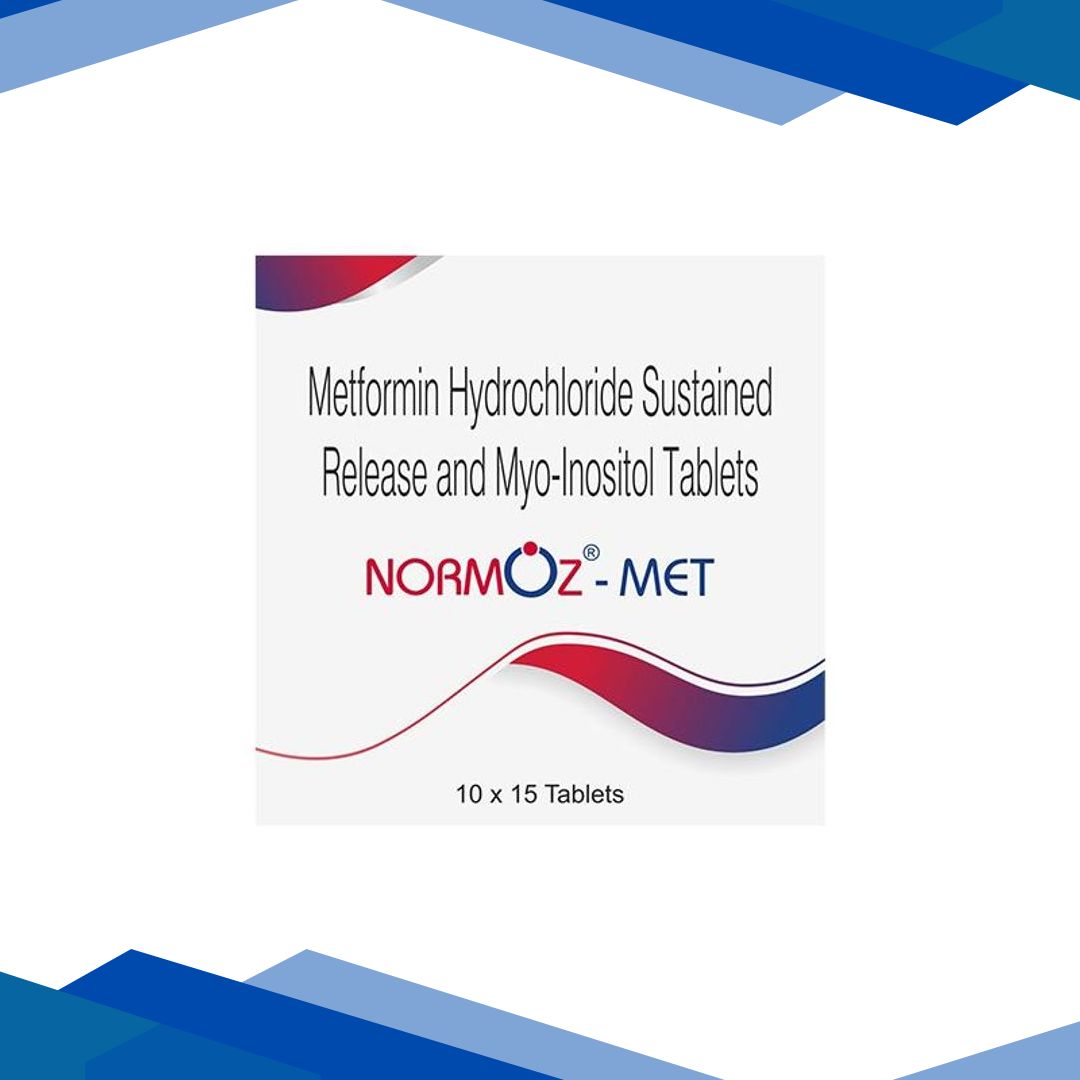
NORMOZ MET Tablet 15’s
NORMOZ MET Tablet is a contrast agent used in certain medical imaging tests to help doctors see internal structures more clearly. It works by absorbing X-rays, which makes areas inside the body appear brighter on imaging studies and improves the visibility of organs, blood vessels, or the digestive tract. This medicine is commonly used in radiology procedures such as X-ray and CT examinations, especially when detailed imaging of the gastrointestinal tract or other body cavities is needed. It helps healthcare professionals detect abnormalities, blockages, leaks, or other problems more accurately. NORMOZ MET Tablet should be used under medical supervision, as it is given only when a contrast study is required and when the doctor considers it appropriate for the patient’s condition.
Description
NORMOZ MET Tablet is a radiopaque contrast agent used in certain diagnostic imaging procedures to help outline the inside of the body on x-ray–based examinations. it does not treat disease itself; instead, it improves the visibility of structures such as the gastrointestinal tract, urinary tract, or body cavities so that a healthcare professional can evaluate anatomy, blockage, leakage, perforation, or other abnormalities more clearly. because it absorbs x-rays strongly, the contrast becomes visible on imaging and creates a sharper picture of the area being studied.
this medicine is generally used in medical settings under the supervision of trained healthcare professionals. it may be given orally, through a tube, or by other procedural routes depending on the type of examination. its use is usually limited to diagnostic purposes, and the exact formulation and administration method depend on the imaging study being performed. the goal is to make hidden or poorly visible tissues easier to assess, which can support a more accurate diagnosis and guide further treatment.
NORMOZ MET Tablet works because it contains iodine, a heavy atom that blocks x-rays. when the contrast agent is present in a body space, it changes how x-rays pass through that area, creating a distinct outline on the image. this mechanism helps reveal the size, shape, and position of organs or passageways, and it may also show whether contrast leaks outside a normal structure, which can be an important sign of injury or disease. although it is widely used in diagnostic medicine, it must be used carefully because some people may experience adverse reactions or be at higher risk of complications.
this medicine is for patients who need contrast-enhanced diagnostic imaging and whose healthcare team determines that the benefits outweigh the risks. it is not intended for self-use, and it should only be used according to the instructions of a physician, radiologist, or other qualified clinician. people with a history of contrast reactions, severe dehydration, certain kidney problems, or specific gastrointestinal conditions may need special precautions or alternative testing.
ingredients
- NORMOZ MET Tablet: the active contrast ingredient that provides radiopacity. its iodine content allows it to absorb x-rays, making internal structures more visible during imaging studies. it is the main component responsible for the diagnostic effect.
- water or aqueous vehicle: in injectable or prepared liquid formulations, water serves as the carrier that allows the contrast to be administered smoothly and accurately during the procedure.
- buffering or stabilizing components: depending on the product form, these may help maintain the stability, ph, and usability of the contrast solution so it remains appropriate for diagnostic use.
- excipients in specific formulations: some products may contain additional inactive ingredients designed to improve shelf life, solubility, or administration properties. these vary by manufacturer and dosage form.
key uses
- gastrointestinal tract imaging: helps visualize the esophagus, stomach, intestines, and related structures during x-ray examinations, especially when a clearer outline is needed to assess obstruction, leakage, or abnormal anatomy.
- assessment of suspected perforation or leakage: can be used to detect whether contrast escapes from the normal confines of the bowel or another cavity, which may indicate perforation or injury.
- diagnostic outlining of body cavities: in some procedures, it may be used to delineate cavities or passages so that shape, position, and continuity can be evaluated more accurately.
- support for structural evaluation before treatment: provides clearer imaging information that may help clinicians decide whether surgery, further imaging, or other interventions are needed.
- radiographic contrast in specialized examinations: may be selected when a water-soluble iodinated contrast agent is preferred over barium in specific clinical situations.
how to use
NORMOZ MET Tablet should be used only under medical supervision in a clinical or hospital setting. the method of use depends on the test being performed. it may be swallowed, administered through a tube, or used in another procedural manner directed by the radiology team. the healthcare professional will determine the appropriate preparation, route, and timing based on the imaging study and the patient’s condition.
before the procedure, the clinician may ask about allergies, kidney disease, thyroid disease, asthma, dehydration, heart problems, pregnancy, and previous reactions to contrast agents. in some cases, patients may be instructed to avoid food or drink for a period before the study, while in other situations hydration may be encouraged. follow the instructions given by the imaging center exactly, because proper preparation can affect both the quality of the images and the safety of the procedure.
during or after administration, the patient may be monitored for discomfort or allergic-type reactions. it is important to report symptoms such as hives, itching, dizziness, trouble breathing, chest tightness, severe abdominal pain, or unusual swelling immediately. after the procedure, the healthcare provider may advise drinking fluids unless otherwise restricted, to help the body eliminate the contrast more efficiently. never use this medicine on your own or change the way it is given without medical guidance.
safety information
- warnings: NORMOZ MET Tablet can cause adverse reactions, including allergic-like reactions, nausea, vomiting, abdominal discomfort, diarrhea, or more serious events in rare cases. emergency medical support should be available when it is administered, especially in patients with a history of contrast sensitivity. use caution in people who are dehydrated, frail, elderly, or medically unstable. because it is iodine-containing, it may affect thyroid function tests or trigger thyroid-related problems in susceptible individuals.
- side effects: common side effects may include nausea, vomiting, stomach upset, diarrhea, mild cramping, or a temporary unpleasant taste if taken orally. serious side effects can include severe allergic reactions, breathing difficulty, low blood pressure, swelling of the face or throat, severe rash, aspiration if swallowed improperly, worsening kidney function in high-risk situations, or severe gastrointestinal irritation. any serious symptom requires immediate medical attention.
- precautions: people with a prior reaction to iodinated contrast, severe asthma, multiple allergies, significant kidney impairment, dehydration, bowel obstruction, bowel perforation, or thyroid disease may need special evaluation before use. extra caution is also important in patients with heart disease, advanced age, or those taking medicines that may affect kidney function.
- pregnancy/breastfeeding: use during pregnancy should be considered only when clearly needed and when the potential benefit outweighs possible risk. if the medicine is used while breastfeeding, discuss with a healthcare professional whether any temporary interruption is necessary, depending on the exact clinical situation and route of administration.
- interactions: NORMOZ MET Tablet may interact with medicines or conditions that affect kidney function or fluid balance. caution is advised with nephrotoxic drugs, certain diuretics, and medications that can complicate thyroid evaluation. alcohol is not a direct interaction in most cases, but it may worsen dehydration or gastrointestinal discomfort, so it is best avoided around the time of the procedure unless the clinician says otherwise.
additional information
- storage: store according to the product label and institutional guidance, usually at controlled room temperature and away from excessive heat, moisture, and direct light. do not freeze unless the manufacturer specifically allows it. keep out of reach of children and do not use if the solution appears discolored, contaminated, or expired.
- missed dose: this medicine is typically administered by healthcare professionals for a scheduled procedure, so a “missed dose” usually means the imaging appointment was missed or delayed. contact the clinic or imaging center to reschedule and follow their instructions rather than trying to obtain or use it independently.
- overdose: overdose is uncommon in standard clinical use, but excessive exposure could increase the risk of severe side effects such as dehydration, aspiration, electrolyte imbalance, allergic-type reactions, or worsening kidney problems. if an overdose or administration error is suspected, seek emergency medical help immediately.
- habit forming: no. NORMOZ MET Tablet is not habit-forming and does not cause dependence. it is a diagnostic contrast agent used for a short-term medical purpose rather than a medication taken regularly for symptom control.
frequently asked questions
Q: what is NORMOZ MET Tablet used for?
A: NORMOZ MET Tablet is used as a radiopaque contrast agent in diagnostic imaging to make certain organs, cavities, or passages easier to see on x-ray–based studies. it helps clinicians identify structural problems more clearly.
Q: is NORMOZ MET Tablet a treatment medicine?
A: no. it is not a treatment for an illness. it is used to improve the quality of medical imaging so that a diagnosis can be made more accurately.
Q: can NORMOZ MET Tablet cause allergic reactions?
A: yes. like other iodinated contrast agents, it can cause allergic-like reactions in some people. reactions may range from mild itching or hives to severe breathing problems or anaphylaxis, although serious reactions are uncommon.
Q: who should be careful before using NORMOZ MET Tablet?
A: people with previous contrast reactions, kidney disease, dehydration, asthma, thyroid problems, or severe allergies should be evaluated carefully before receiving this contrast agent.
Q: does NORMOZ MET Tablet affect the kidneys?
A: it can be a concern in people with reduced kidney function or dehydration. healthcare professionals assess kidney-related risk before use and may recommend hydration or alternative testing when needed.
Q: can it be taken at home?
A: it should not be used at home unless specifically directed and supervised by a healthcare professional. it is usually administered in a clinical setting for a scheduled imaging procedure.
Q: what should i do if i feel unwell after the procedure?
A: report symptoms such as rash, swelling, vomiting, difficulty breathing, severe abdominal pain, or dizziness immediately to medical staff or seek emergency care if symptoms are severe.
Q: does it interact with other medicines?
A: it may interact with medicines or conditions that affect the kidneys, hydration status, or thyroid evaluation. always tell your healthcare provider about all medicines and supplements you use.
Q: is NORMOZ MET Tablet safe in pregnancy?
A: it should only be used in pregnancy when the healthcare professional believes the diagnostic benefit outweighs any potential risk. discuss the situation with your doctor before the procedure.
Q: can i breastfeed after receiving NORMOZ MET Tablet?
A: breastfeeding guidance depends on the clinical context and how the contrast is used. ask your healthcare professional whether any temporary precautions are needed.
Q: why do i need contrast for an imaging test?
A: contrast helps highlight structures that may otherwise be difficult to see, allowing the radiologist to detect narrowing, blockage, perforation, or other abnormalities more accurately.
Q: can it cause stomach upset?
A: yes. if taken by mouth or used in gastrointestinal studies, it may cause nausea, vomiting, cramping, diarrhea, or discomfort in some patients, usually temporarily.
Q: what if i have a history of asthma?
A: asthma may increase the risk of a reaction to iodinated contrast in some people. your healthcare team should be informed before the procedure so they can take appropriate precautions.
Q: does this medicine contain iodine?
A: yes. its diagnostic effect comes from its iodine content, which absorbs x-rays and makes internal structures more visible on imaging.
Q: will i need to drink a lot of water afterward?
A: your healthcare provider may advise fluids after the procedure unless you have a condition that limits fluid intake. hydration can help the body clear the contrast more effectively.
Q: can NORMOZ MET Tablet be reused or shared?
A: no. it is a medical contrast product intended for professional use in a specific procedure and should never be shared or reused by patients.
Q: what if i have thyroid disease?
A: tell your clinician before receiving this contrast agent because iodine-containing products can affect thyroid function or test interpretation in some people.
Q: how quickly does it work in imaging?
A: it works during the diagnostic study itself, once administered. the contrast creates visible outlining on imaging almost immediately or according to the timing of the procedure.
Q: is it safe if i am dehydrated?
A: dehydration can increase certain risks, so your clinician may correct fluid status first or choose another approach depending on the situation.
Q: should i stop my regular medicines before the test?
A: do not stop any medicine unless instructed by your healthcare professional. some medicines may require special review, especially those affecting kidney function or thyroid assessment.
this information is for educational purposes only and should not be considered medical advice. always consult a qualified healthcare professional before use.
At Gem Pharmacy, we make every effort to provide accurate, expert-written, and thoroughly reviewed information related to medicines. However, this information should not be considered a substitute for professional medical advice, diagnosis, or treatment from a qualified doctor.
The purpose of this information is to educate users and improve communication between patients and healthcare professionals. It should not be used to diagnose or treat any condition.
Always consult a certified healthcare professional before taking any medication.


Related products