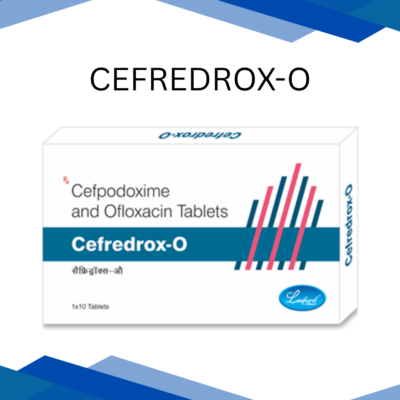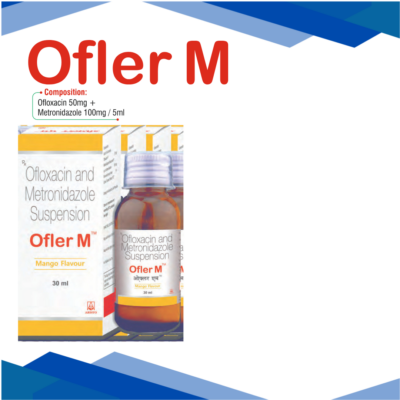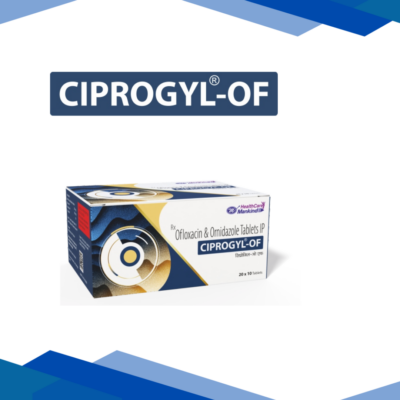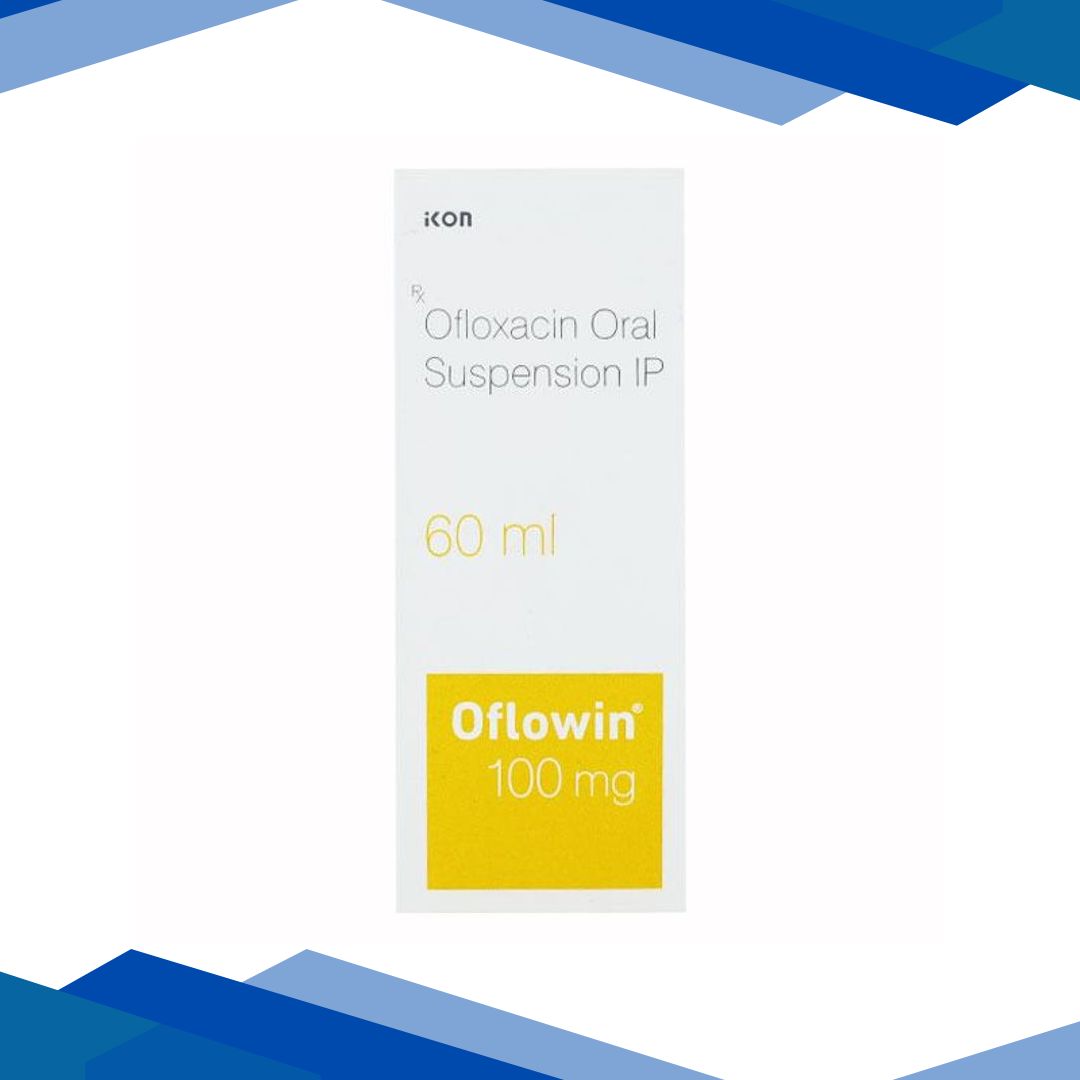
OFLOWIN 100mg Suspension 60ml
❌ Due to high demand, this product is currently out of stock. New stock will be available shortly.
👉 Click here to Buy Same Salt medicine
OFLOWIN 100mg Suspension is a combination medicine used mainly in the eye to help treat inflammation with infection or to reduce the risk of infection while calming irritation. Betamethasone is a corticosteroid that helps lower swelling, redness, and discomfort. Ofloxacin is an antibiotic that works by stopping the growth of bacteria. Hypromellose acts as a lubricating and soothing agent, helping relieve dryness and improve comfort on the surface of the eye. Together, these ingredients may be used for certain eye conditions where both inflammation and bacterial infection are concerns, such as after eye surgery or in some inflammatory eye problems as advised by a doctor. Because it contains a steroid and an antibiotic, it should be used under medical supervision to ensure it is appropriate for the condition being treated.
Description
OFLOWIN 100mg Suspension is a combination medicine commonly used in eye care, especially when there is both inflammation and bacterial infection affecting the eye or eyelid area. it brings together three different components that work in complementary ways: betamethasone helps reduce inflammation, hypromellose acts as a lubricating and protective agent, and ofloxacin is an antibiotic that helps treat susceptible bacterial infections. because of this combination, it is generally used when eye discomfort is associated with swelling, redness, irritation, and bacterial involvement, or when a clinician believes reducing inflammation while treating infection is appropriate.
betamethasone is a corticosteroid that works by calming the body’s inflammatory response. in the eye, inflammation can cause redness, swelling, pain, light sensitivity, and discomfort. by suppressing inflammatory chemicals, it can help reduce these symptoms. ofloxacin belongs to the fluoroquinolone class of antibiotics and works by interfering with bacterial enzymes needed for dna replication, which prevents bacteria from multiplying and helps clear the infection. hypromellose is a cellulose-based lubricant that helps retain moisture on the eye surface, reducing dryness, friction, and irritation while supporting a more comfortable ocular surface.
this medicine is usually intended for short-term use under medical supervision, particularly because steroid-containing eye products can have important safety considerations if used improperly or for too long. it is generally meant for people who have eye conditions where a doctor has identified or strongly suspects bacterial infection along with inflammatory symptoms, or in certain situations where lubrication and protective support are also needed. it is not a routine over-the-counter eye drop for simple redness, and it should not be used without clear guidance from a healthcare professional, as eye symptoms can have many different causes, including viral, allergic, or fungal conditions that may not improve with this combination.
when used appropriately, OFLOWIN 100mg Suspension may help relieve discomfort, protect the eye surface, and control infection and inflammation together. however, because steroids can mask worsening infection and may increase eye pressure or delay healing in some cases, the benefits and risks must be carefully balanced. for that reason, the medicine is best used only when prescribed or recommended by an eye-care professional who can monitor response and safety.
ingredients
- betamethasone: a corticosteroid that reduces inflammation, redness, swelling, itching, and irritation in the eye. it works by suppressing inflammatory mediators and immune activity that contribute to tissue swelling and discomfort. this can be very helpful when inflammation is causing significant symptoms, but it also means the medicine must be used carefully because steroid exposure can raise eye pressure and may worsen some infections if used inappropriately.
- hypromellose: a lubricating and viscosity-enhancing agent that helps keep the eye surface moist. it reduces friction between the eyelid and the cornea, supports tear film stability, and can relieve dryness, burning, and irritation. hypromellose is often included to improve comfort and protect the eye surface during healing or treatment.
- ofloxacin: a broad-spectrum antibiotic from the fluoroquinolone group that targets susceptible bacteria by blocking bacterial dna gyrase and topoisomerase enzymes. this prevents bacterial growth and helps the body clear the infection. it is especially useful when the eye condition involves bacterial conjunctivitis or other bacterial eye infections, depending on the exact formulation and medical indication.
key uses
- bacterial eye infections: helps treat infections caused by susceptible bacteria, particularly when symptoms include discharge, redness, and irritation. ofloxacin addresses the bacterial cause while betamethasone may reduce associated inflammation.
- inflammation with infection: useful when the eye is both inflamed and infected, since inflammation can be a major source of pain, swelling, and discomfort. the steroid component helps ease inflammatory symptoms while the antibiotic works against bacteria.
- eye surface irritation and dryness support: hypromellose helps lubricate the eye, which may reduce foreign-body sensation, dryness, and discomfort, especially when the eye surface is irritated during recovery.
- post-inflammatory symptom relief under supervision: in selected cases, doctors may use this combination to manage irritation and inflammation while protecting the eye surface, but only when infection risk and steroid safety considerations have been assessed.
how to use
use OFLOWIN 100mg Suspension only exactly as directed by a healthcare professional. eye medicines should be applied carefully to avoid contamination, and the tip of the container should never touch the eye, eyelid, fingers, or any surface. before using, wash and dry your hands thoroughly. if the product is in drop form, tilt the head back gently, pull down the lower eyelid to create a small pocket, and apply the recommended amount into the eye. then close the eye gently for a short time without blinking hard or rubbing. if your doctor has advised more than one eye medicine, keep a gap between products so that one does not wash out the other.
because this medicine contains a corticosteroid and antibiotic, it is usually intended for short-term and supervised use. do not continue longer than recommended, even if symptoms improve, because overuse of steroid-containing eye products can lead to complications such as increased intraocular pressure, delayed healing, or worsening of undiagnosed infection. remove contact lenses before using unless your doctor has specifically advised otherwise, and wait before reinserting them according to professional guidance. if you are uncertain about the timing, duration, or technique, ask a pharmacist, doctor, or eye specialist to demonstrate the correct method.
safety information
- warnings: this medicine should not be used for eye redness or irritation unless bacterial infection and steroid use are appropriate for your condition. steroid-containing eye medicines can mask symptoms of worsening infection, increase eye pressure, and, with prolonged use, contribute to glaucoma or cataract risk. they may also delay healing and should be used with caution in people with corneal ulcers, herpes eye disease, or unexplained eye pain. if symptoms worsen, vision changes occur, or severe pain develops, seek medical attention promptly.
- side effects: common side effects may include temporary burning or stinging after application, mild eye irritation, blurred vision for a short time, watery eyes, or a bitter taste in the mouth if the medicine drains into the throat. more serious effects can include eye pressure elevation, eye infection not improving or worsening, persistent redness, swelling, light sensitivity, severe pain, vision changes, allergic reactions, or signs of corneal damage. report any unusual or persistent symptoms to a healthcare professional.
- precautions: people with glaucoma, a history of elevated eye pressure, corneal disorders, recurrent eye infections, herpes simplex eye disease, viral or fungal eye infections, or recent eye surgery should use this medicine only under close medical supervision. extra caution is needed in children, older adults, and people who wear contact lenses. do not use it if the condition has not been properly diagnosed, because not all red or painful eyes are bacterial or inflammatory.
- pregnancy/breastfeeding: safety depends on the exact condition and the need for treatment. eye use may result in lower overall body exposure than oral medicines, but betamethasone and ofloxacin should still be used only when clearly needed and advised by a clinician. if you are pregnant, planning pregnancy, or breastfeeding, consult a healthcare professional before use to weigh benefits and risks.
- interactions: because this is an eye medicine, interactions are less common than with oral drugs, but they can still matter. other eye drops or ointments may interfere with absorption or effect if used at the same time. tell your doctor about all prescription and nonprescription medicines, including other eye products. alcohol is not known to have a major direct interaction with topical eye use, but excessive alcohol use may impair healing or worsen overall health. contact lens use may also interact with eye infection management, so follow medical advice carefully.
additional information
- storage: store according to the label instructions, usually at room temperature away from direct sunlight, heat, and moisture. keep the container tightly closed and out of reach of children. do not freeze unless specifically instructed, and do not use the product after the expiry date. if the solution changes color, becomes cloudy, or particles appear, consult a pharmacist before use.
- missed dose: if you miss a dose, use it when you remember unless it is almost time for the next one. do not double the dose to make up for a missed application. using too much at once will not improve outcomes and may increase the risk of side effects or irritation.
- overdose: an eye-drop overdose usually causes local discomfort, excessive tearing, redness, or blurred vision rather than life-threatening toxicity. if too much is used, rinse gently if advised by a healthcare professional and avoid further dosing until you receive guidance. if a child accidentally swallows a significant amount or if severe symptoms occur, seek medical help promptly.
- habit forming: no. this medicine is not known to cause dependence or addiction. however, long-term unsupervised use of the steroid component can create a pattern of repeated symptom relief that masks underlying disease, which is why medical follow-up is important.
frequently asked questions
Q: what is OFLOWIN 100mg Suspension used for?
A: it is generally used for certain eye conditions where inflammation and bacterial infection may both be present, while hypromellose helps lubricate and soothe the eye surface. a healthcare professional should determine whether it is appropriate for your symptoms.
Q: can i use OFLOWIN 100mg Suspension for simple eye redness?
A: no, it should not be used for ordinary eye redness without proper medical assessment. redness can be caused by allergies, viral infections, irritation, dry eye, or more serious eye problems, and this medicine is not suitable for all of them.
Q: why is a steroid included in this eye medicine?
A: betamethasone is included to reduce inflammation, swelling, and discomfort. however, because steroids can also raise eye pressure and hide worsening infection, they must be used carefully and usually for a limited time.
Q: can this medicine be used with contact lenses?
A: usually contact lenses should be removed before applying eye medicine, especially if there is an infection or irritation. you should follow your doctor’s advice about when it is safe to wear lenses again.
Q: what should i do if i feel burning after using it?
A: a brief mild burning or stinging sensation can happen with eye medicines. if the discomfort is strong, lasts a long time, or is accompanied by swelling, rash, worsening redness, or vision changes, contact a healthcare professional.
Q: can OFLOWIN 100mg Suspension cause blurred vision?
A: temporary blurred vision can occur after application because the liquid can coat the eye surface. if blurred vision persists or worsens, or if vision changes occur suddenly, seek medical advice promptly.
Q: is it safe to use this medicine for a long time?
A: long-term use is generally not recommended unless specifically monitored by an eye specialist. the steroid component can increase the risk of glaucoma, cataract formation, and delayed healing if used for too long.
Q: what if my symptoms do not improve?
A: if symptoms do not improve within the expected time or if they worsen, you should contact your doctor. persistent symptoms may mean the infection is not bacterial, the treatment is not suitable, or another eye condition needs urgent evaluation.
Q: can children use this medicine?
A: children may use it only when prescribed by a qualified healthcare professional. because steroid-containing eye medicines require extra caution, dosing and duration should be individualized and monitored closely.
Q: does this medicine treat viral or allergic eye problems?
A: no, it is not intended for viral or allergic eye conditions. ofloxacin is an antibiotic for bacterial infections, and betamethasone may reduce inflammation but does not cure the underlying cause of many non-bacterial eye problems.
this information is for educational purposes only and should not be considered medical advice. always consult a qualified healthcare professional before use.
At Gem Pharmacy, we make every effort to provide accurate, expert-written, and thoroughly reviewed information related to medicines. However, this information should not be considered a substitute for professional medical advice, diagnosis, or treatment from a qualified doctor.
The purpose of this information is to educate users and improve communication between patients and healthcare professionals. It should not be used to diagnose or treat any condition.
Always consult a certified healthcare professional before taking any medication.


Related products