
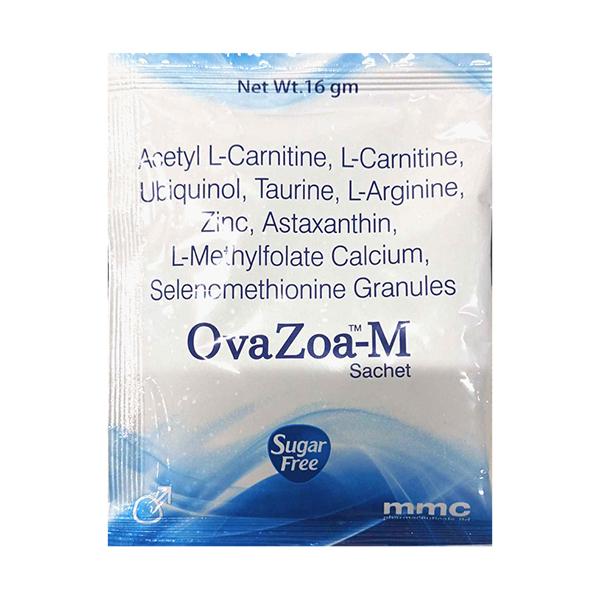
OVAZOA M SUGAR FREE Sachet 16g
No Prescription yet? Don’t worry! Click Here to Get Online Consultation
Acetyl-L-Carnitine is a naturally occurring amino acid derivative that helps the body produce energy by transporting fatty acids into the mitochondria of cells. It is commonly used to support nerve health and may help manage conditions such as Peripheral neuropathy and Alzheimer’s disease. It is also known for its role in improving mental energy, memory, and overall brain function.
Acetyl L Carnitine
Acetyl L-Carnitine (ALCAR)
Acetyl L-Carnitine is a naturally occurring amino acid derivative that plays a vital role in energy metabolism. Unlike regular L-Carnitine, the acetyl group allows it to cross the blood-brain barrier more effectively. Its primary function is to transport long-chain fatty acids into the mitochondria, where they are oxidized to produce energy. This makes it a valuable supplement for brain support, nerve function, and overall cellular vitality.
Main Indications
Cognitive Support: Acts as a precursor to acetylcholine, a key neurotransmitter for memory, focus, and learning.
Nerve Health: Helps reduce discomfort in peripheral neuropathy, especially in diabetic patients.
Cellular Energy: Enhances mitochondrial efficiency, helping reduce physical and mental fatigue, particularly in older adults.
Antioxidant Protection: Protects brain and nerve cells from oxidative stress and age-related damage.
Mood Regulation: May support mood improvement and help manage mild to moderate depression.
Product Specifications
Classification: Nootropic / Nutritional Supplement
Type: Capsules / Tablets / Powder
Bioavailability: High (crosses the blood-brain barrier)
Common Dose: 500mg per serving
Instructions & Dosage
Dose: Standard dosage ranges from 500mg to 2000mg per day, usually divided into two or three doses. Follow your doctor’s advice.
Timing: Best taken 30 minutes before meals with water for better absorption.
Consistency: Maintain regular intake to keep stable levels in the body.
Side Effects & Safety
Generally well tolerated, but some individuals may experience:
Mild stomach upset or nausea
Dry mouth or headache
Restlessness (especially if taken late in the day)
"Fishy" odor in breath or sweat (rare, usually at high doses)
Contraindications & Warnings
Thyroid Health: Consult a doctor if you have thyroid disorders, as it may influence thyroid hormone activity.
Seizure History: Use under strict supervision if you have a history of epilepsy.
Drug Interactions: May interact with blood thinners like Warfarin or Acenocoumarol.
Pregnancy/Nursing: Use cautiously and only after medical consultation.
Frequently Asked Questions (FAQ)
Q: What is the difference between Acetyl L-Carnitine and L-Carnitine?
A: ALCAR has better brain bioavailability, while L-Carnitine is more focused on muscle metabolism and exercise performance.
Q: How long does it take to see results?
A: Some people notice improved energy and focus within days, while cognitive and nerve benefits may take 4–8 weeks.
Q: Can it be taken at night?
A: It may interfere with sleep due to increased alertness. Best to avoid taking it late in the day.
Q: Will it help with weight loss?
A: It supports fat metabolism, but is not a primary weight loss supplement. Best results occur with diet and exercise.
Q: Can I stop it suddenly?
A: It is not addictive, but symptoms like nerve discomfort may return after discontinuation if used long-term.
Astaxanthin
Astaxanthin- The World’s Ultimate Natural Antioxidant
Astaxanthin is a naturally occurring carotenoid pigment responsible for imparting the salmon, shrimp, and flamingo their unique pinkish-red hue. More than just a pigment, it has been hailed as "super-antioxidant" in scientific terms, fixed to absorb triply free radicals than Vitamin C and beta-carotene.
While other antioxidizing agents only stay on one side of a cell membrane, the Astaxanthin's unique molecular configuration lets it traverse the cell wall, thus providing a '360-degree' shield both internally and outside for protecting against various stressors such as UV radiation, themselves, and the pollution.
About
Classification: Potent Antioxidant (Xanthophyll Carotenoid)
Source: Mainly derived from Haematococcus pluvialis (microalgae)
Main Uses: Skin health, anti-aging, muscle recovery
Available Forms: 4mg, 8mg, and 12 mg Soft Gels or Capsules
Key Therapeutic Benefits
1. Superior Antioxidant Protection and Support for Anti-Aging
As an "internal sunscreen", Astaxanthin accumulates in skin layers where it helps in preventing damage due to UV radiation. Clinical studies suggest that with continued uses for six-eight weeks, consumers can observe visible reduction in fine lines, improvement in skin elasticity, and maintenance in skin moisture levels.
2. Promoting Eye Health
One of the unique attributes of Astaxanthin is its ability to cross the blood-retinal barrier as well as its potential to lessen tired eyes (digital fatigue), improve blood circulation to the ocular tissues, and possibly mitigate the risk for age-related macular degeneration with gradual fading of vision (AMD).
3. Heart Health & Cholesterol Management
Astaxanthin is more than likely to lower bad cholesterol (LDL) and triglycerides while increasing good cholesterol (HDL). Another plan of action is to facilitate increasing the flexibility of arteries through maintaining healthy blood pressure.
4. Other Muscular Recovery & Performance Benefits
Appositive: "Astaxanthin can possibly lessen the oxidative injury happening in strenuous and rigorous training sets." In addition to improving recovery time and energy-level, thus boosting endurance, its use is increasing efficient fat combustion for fuel and also lactic building has decreased.
Usage & Dosage Instructions
Normal Health: 4-6 mg of Astaxanthin per day is generally the requisite amount for its antioxidant benefits.
Therapeutic Use: A dosage of 8-12 mg per day could be pertinent to the skin or joints requirements.
Very Important Tip: It is fat-soluble: hence, it should be taken along with a meal to help absorption to be as high as 4 times more than without any healthy fats (olive oil, nuts, eggs).
Safety Advice & Precautions
Pregnancy & Breastfeeding: Currently, data regarding the safety in these populations are scanty. So make sure you do not use it, or else you may want to ask your obstetrician first.
Bleeding Disorders: While a mild anti-coagulant property of the product is what helps its usability, in practice the disadvantages of going to Warfarin or Aspirin ought to be fully counteracted.
Low Blood Pressure: Probably causes the slight lowering in your blood pressure. Keep an eye on was being stabilized in the case of low blood pressure or you are using antihypertensive medication.
Autoimmune Conditions: Because of its beneficial effects on immune activity, it is best to consult with a doctor if one has an autoimmune disorder or is on immunosuppressants.
Potential adverse reactions
The nasal delivery of astaxanthin is very benign, but you might see the following occurrences at higher doses:
Reddish Stool: This is from the pigment in the supplement.
Increased Bowel Motility: In light cases of laxation among a few individuals.
Stomach Distress: Usually originating when ingested in an empty stomach.
Frequently Asked Questions (FAQs)
Q: Is Astaxanthin better than Vitamin C?
A: Antioxidants are the common feature for both, yet Astaxanthin definitely stands out for scavenging antioxidants. Unlike Vitamin C, it never turns into a "pro-oxidant", hence it can damage, making it a very stably viable option for long terms in our health.
Q: Can I get enough Astaxanthin by eating salmon?
Wild, it took the great bounty of wild salmon; you'd have to eat an awful lot of it every day to approximate to the serving dose ages 4mg-12mg within a single softgel.
Q: Do you have to wait long to see results?
A: As regard to skin and eye health, one cannot expect to see significant results until 4–8 weeks with daily active usage from daylight instigator to twilight extender. With muscle recovery, there are users who feel a difference within a matter of a few days.
Q: Can vegetarians take it?
A: Yes. Most of the manufacturing processes for Astaxanthin are drawn from Algae. Yet, check the capsule shell; nutrient is vegan but with softgel, gelatin has been used unless capsules are labeled "Veggie Caps."
Q: Would it make me change skin color?
A: This is only when high dosages are used. In the recommended 4 mg-12 mg range, it does not cause skin pigmentation, even though it may be bestowed with a beautiful "sun-kissed" glow over the long haul.
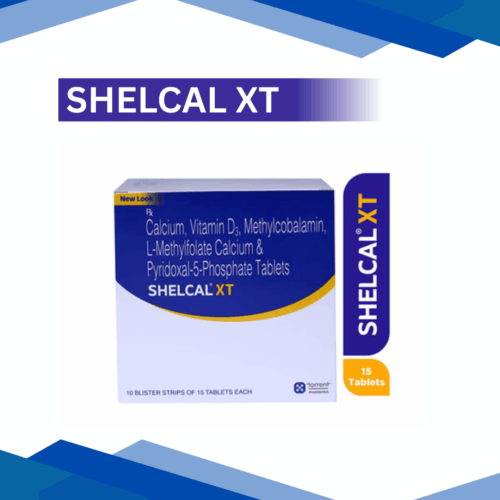
L-Methylfolate
L-Methylfolate (Folinic Acid) Tablet (Active Folate)
This product contains the active calcium salt form of folate which is L-methylfolate (Folinic Acid) in calcium salt form. L-methylfolate is immediately accessible to the body and does not need to be converted by the liver into an active form. L-Methylfolate is generally used to treat folate deficiency, megaloblastic anemia, and depression. It can be very helpful for those who have an MTHFR gene mutation and may not be available to process such folic acid at full capacity.
+2
Therapeutic Uses
Regulation of mood: L-Methylfolate acts as a critical cofactor in neurotransmitter synthesis, such as serotonin, dopamine, and norepinephrine.
Prenatal Wellbeing: It fosters healthy fetal neurological development and minimizes the likelihood of neural tube defects.
Management of Anemia: It is crucial for the generation of normal-shaped red blood cells.
Supporting Cardiovascular Benefits: It lowers elevated homocysteine levels, which are a high risk factor for heart diseases.
Nerve Health Support: It provides nutritional support for diabetics upon peripheral neuropathy and various nerve-related complaints.
Key Features
High Bioavailability: Avoids the complex metabolic pathways of folic acid.
Crossing of the Blood-Brain Barrier (BBB): The only form of folate that can actually cross the BBB to contribute directly to brain chemistry.
MTHFR-Positive Counsel: It is effective and safe for the 30-50 percent population with genetic mutations that bestow folate metabolic imbalances.
How to Use
Dosing: Use the exact dose, as prescribed by your physician. Common doses in therapeutic use are 7.5 mg and 15 mg and in general wellness 400 mcg–1 mg.
Administration: Swallow the tablet with a glass of water, whole. You may take it with or without food.
Time: Try taking it at the same time everyday to maintain a consistent level thereof in your system.
Side Effects & Safety
L-methylfolate is well-tolerated in general, being, as it is, a natural vitamin. Generally, users who do show side effects will largely experience:
Mild digestive disturbances (nausea and gas)
Dry mouth or a bitter taste
Disturbances in the sleep patterns and irritability, albeit temporary
Allergic rashes or itching (rare)
Note: Should you have bipolar disorder, consult your psychiatrist in taking folate supplements, as very high doses of folate can sometimes bring on manic episodes.
FAQ
Q: Is L-Methylfolate the same as Folic Acid?
No. Folic acid is the synthetic form of the B-vitamin Folacin, needing an enzyme, MTHFR to be active. L-methylfolate is the natural, 'active' form that our cells can use at once, needing no conversion process whatsoever.
+1
Q: Why have my physician prescribed this in addition to my antidepressant?
The premise behind this being that L-Methylfolate boosts the efficacy of the SSRIs and SNRIs by furnishing the essentials for manufacturing "feel-good" chemicals such as Serotonin. This is more often the case for those who demonstrate only a partial response to the usual antidepressants.
Q: Can this medication be taken during pregnancy?
Yes, it is highly recommended, mostly in cases where somebody is not able to sustain her folate levels. Nonetheless, make sure to follow the dosing guideline as provided by your OB/GYN.
Q: Does L-Methylfolate make you gain weight?
No, L-Methyfolate is a water-soluble vitamin and there has been no linkage established between it and weight gain.
Q: How long till the effects show for depression?
Adequate depression treatment is likely to show quick nutritional levels. Mood enhancing medication effect tends to begin after two to four weeks of continuous use.
Storage and Handling
The appearance of the product may closely approximate the image provided online because, in the production cycle, this item is no longer actually manufactured in the same gentle and caring way.
Caution: This information has been written for informational purposes only; it should not replace professional advice. Consult with your healthcare practitioner or physician before any medication is adapted or discontinued.
Selenomethionine
Selenomethionine Capsules (L-Selenomethionine)
Selenomethionine is an organic form of selenium, an essential trace mineral not produced in the human body. In this form, selenium is chelated with the amino acid methionine, allowing for better absorption compared to inorganic selenium salts. It functions as a powerful antioxidant and forms part of selenoenzymes involved in thyroid function, DNA synthesis, protection against oxidative damage, and immune defense.
Uses
Thyroid Health Supporters: Selenium is concentrated in the thyroid gland and helps convert T4 (thyroxine) into its active form T3 (triiodothyronine).
Antioxidant Defense: Helps neutralize free radicals, reducing cellular damage and slowing signs of aging.
Immune Booster: Strengthens the body’s defense against viral and bacterial infections.
Cardiovascular Support: Works alongside Coenzyme Q10 to reduce oxidative stress in blood vessels and support heart health.
Reproductive Health: Supports fertility and healthy reproductive function in both men and women.
Product Specifications
Form: Capsules / Tablets
Active Ingredient: L-Selenomethionine (standardized for elemental selenium)
Category: Nutritional / Antioxidant Supplement
Bioavailability: Higher absorption compared to sodium selenite
Directions for Use
Suggested Dosage: Typically 50 mcg to 200 mcg per day, or as advised by a healthcare provider.
How to Take: Take with a full glass of water, preferably during meals to reduce stomach discomfort.
Consistency: Maintain regular daily intake at the same time for optimal benefits, especially for thyroid support.
Cautions & Safety Information
Selenium Toxicity (Selenosis): Do not exceed 400 mcg/day from all sources. Excess intake over time may lead to toxicity.
Diabetes Risk: High long-term intake may be associated with increased risk of Type 2 Diabetes. Consult your doctor if at risk.
Pregnancy/Lactation: Essential nutrient, but dosing should be carefully monitored by a healthcare professional.
Surgery: Discontinue use at least 2 weeks before surgery as it may affect blood clotting.
Side Effects
Usually well tolerated at recommended doses. Excess intake may cause:
Garlic-like breath odor
Metallic taste
Nail brittleness or hair loss
Nausea or irritability
Frequently Asked Questions (FAQs)
Q: Why is Selenomethionine preferred over other forms of selenium?
It is a chelated organic form that the body treats like an amino acid, allowing better absorption and storage compared to inorganic forms like sodium selenite.
Q: Can it be taken with thyroid medication (Levothyroxine)?
Yes, but doses should be spaced by 2–4 hours and monitored by a doctor.
Q: What supplements interact with it?
Works synergistically with Vitamin E to enhance antioxidant effects. High doses of Vitamin C may slightly reduce absorption if taken together.
Q: Can I get enough selenium from food?
Sources include Brazil nuts, seafood, and organ meats, but levels vary based on soil content. Supplements offer a consistent dose.
Q: How long does it take to see results for hair and nails?
Visible improvements typically take 3 to 6 months, as hair growth cycles are gradual.
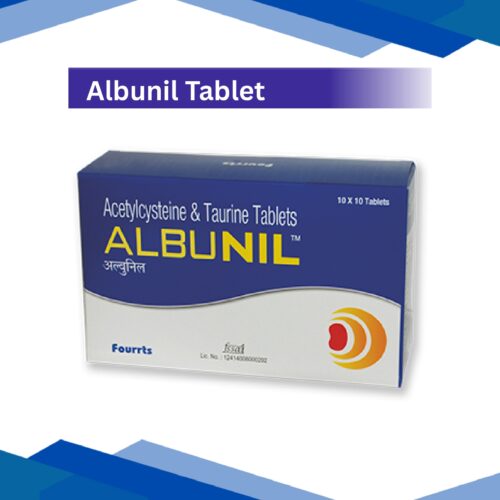
Taurine
Taurine (Amino Acid Supplement)
The taurine is a naturally occurring, sulfur-containing amino acid that is found in the brain, retina, heart, and muscle tissues in high concentrations. Despite the fact that taurine is not used in creating proteins, it is a comparable type of amino acid termed "conditionally essential." Here, the body synthesizes it but supplementation may be needed during times of illness, stress, or high physical activity. Today, taurine is known to be vital for hydration and distribution of electrolytes and for the well-being of the central nervous system.
Use in Therapy Proved by Drugs
Nutritional Deficiency: Taurine supplementation may be useful in cases of taurine insufficiency.
Support of Cardiovascular Health: Principally, it is useful for blood-pressure management as well as improving the capacity of cardiac muscle contractility.
Health of Metabolism - Taurine is a safe and rather effective treatment for enhanced kidney functions, mainly among the diabetics.
Neurological functioning: Acts as a neuromodulator to help the health of the nerves and may help in managing certain seizure disorders.
Liver & Bile Health: This supports the formation of bile cells forming bile salts and necessary for the digestion of fats and the absorption of fat-soluble vitamins.
Main Benefits:
Cellular hydration; regulates the movement of minerals such as magnesium, sodium, and potassium across cell membranes.
Antioxidant properties: defends against oxidative stress and inflammation, especially in the eyes and heart.
Exercise performance; this helps to minimize muscle fatigue and DNA damage during intense workouts.
Vision Health: Highly concentrated in the retina, it helps maintain long-term visual acuity and protect against retinal degeneration.
How It Works
Taurine works as an osmolyte, which in turn maintains cell volume and fluid balance. In the heart, it regulates calcium, which is required for a steady heartbeat. In the neuromuscular system, it can mimic the inhibitory neurotransmitter GABA and thus produce a "calming" effect on signals that might become hypersensitive or overactive.
Dosage and administration
Standard dosage: Typical supplemental doses grow between 500 and 2000 mg daily depending on the clinical need.
Route of administration: Usually taken with water or juice. For best absorption, it is recommended that taurine be taken between meals.
Consistency: For chronic conditions such as heart or liver support, consistent daily usage should go in line with what the physician recommends to see the therapeutic effect.
Safety and Side Effects
Taurine is well-tolerated in most dosages; however, some individuals may experience these side-effects due to overdoing their taurine intake:
- Mild nausea or stomach upset
- Headache or dizziness
- Temporary changes in blood sugar levels
Consult your doctor to know whether Taurine is safe for you, especially if you have a history of kidney problems and are taking blood pressure medicines. Taurine can possibly bolster the effects of drugs.
Frequently Asked Questions (FAQ)
Q: Is Taurine a stimulant found in energy drinks?
No, while Taurine is usually found in energy drinks, it isn't a stimulant; in fact, Taurine helps to calm the nervous system. It's the high sugar and caffeine content that promotes the "energy", not the Taurine.
Q: Can vegetarians take Taurine?
Yes, mostly. Most Taurine supplements are synthesized, and thus not derived from animal matter; however, since natural sources of Taurine primarily come from meat and fish, vegetarians should take a significant advantage of supplementation.
Q: Will Taurine help in any way with kidney health in diabetes?
Taurine is commonly used in combination with other treatments in clinical trials to alleviate the progression of diabetic nephropathy by preventing oxidative stress on the kidney cells.
Q: Is it okay to take Taurine if my blood pressure is lower than normal?
Because it decreases blood pressure gradually, Taurine should be used cautiously with medical advice by those with hypotension.
Q: Is Taurine safe for children?
Taurine is required for the development of infants and is present in most baby formulas. For older kids, it should only be used as a supplement under pediatrician advice alone.
Storage
Store in a cool, dry, dark place not bothered by moisture. Keep the container with its tightly closed cap, so as not to absorb any moisture by the powder or capsules.
Disclaimer: This information is for informational purposes only and is not intended to serve as a substitute for professional medical advice. Consult your healthcare provider before beginning any supplement regimen.
Ubiquinol
At Gem Pharmacy, we make every effort to provide accurate, expert-written, and thoroughly reviewed information related to medicines. However, this information should not be considered a substitute for professional medical advice, diagnosis, or treatment from a qualified doctor.
The purpose of this information is to educate users and improve communication between patients and healthcare professionals. It should not be used to diagnose or treat any condition.
Always consult a certified healthcare professional before taking any medication.


Related products