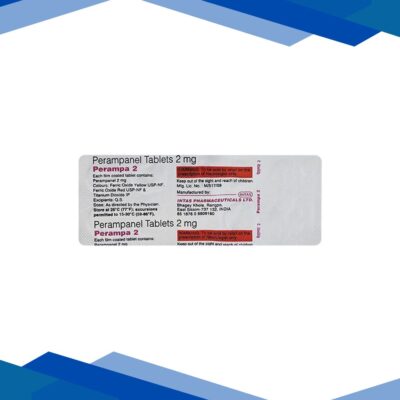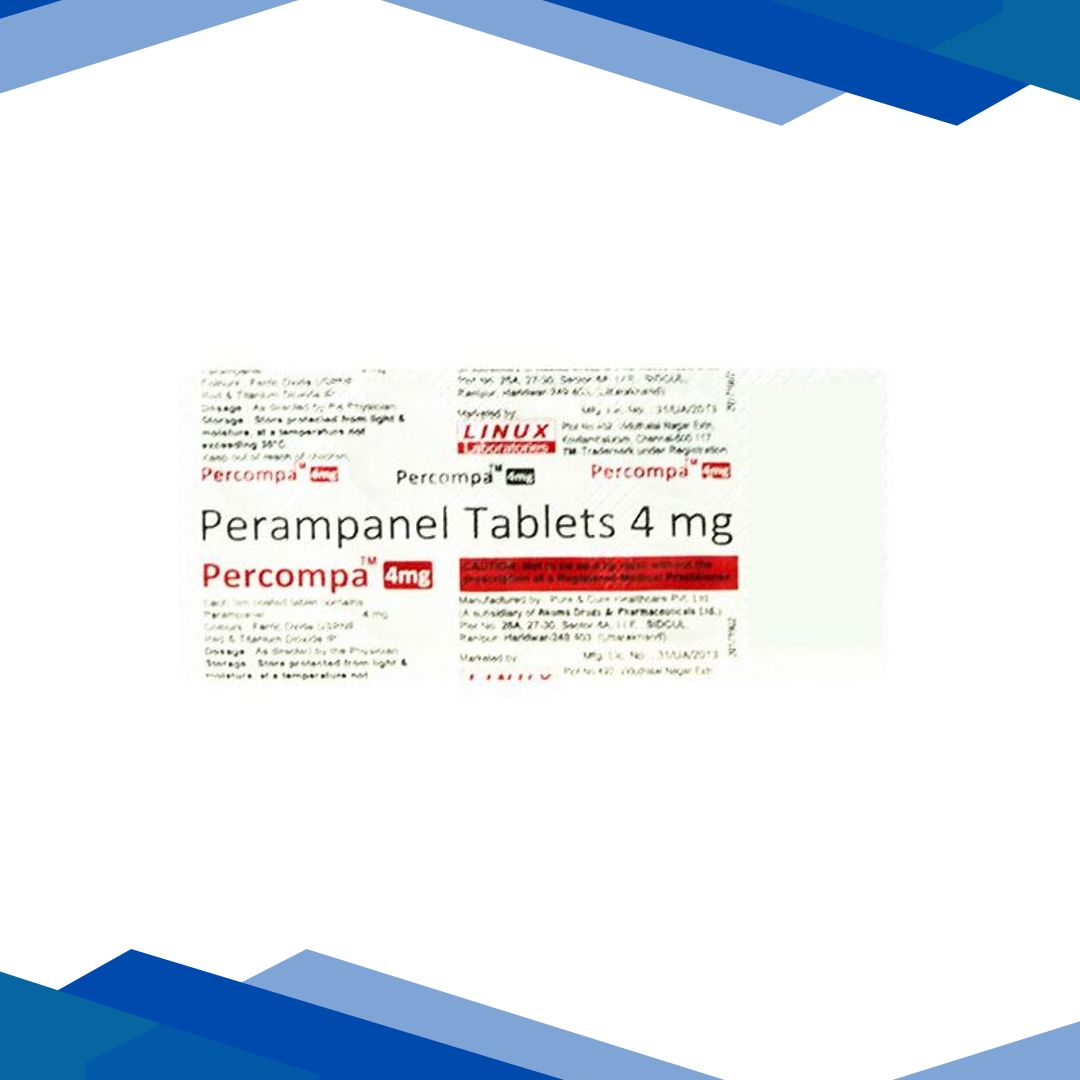
PERCOMPA 4mg Tablet 10’s
PERCOMPA 4mg Tablet is a prescription medicine used to help control certain types of seizures in people with epilepsy. It works by reducing the activity of overactive nerve signals in the brain, which helps prevent seizures from starting and spreading. PERCOMPA 4mg Tablet is commonly used for focal-onset seizures and may also be used for generalized tonic-clonic seizures in appropriate patients. It does not cure epilepsy, but it can be an important part of long-term seizure control when used under medical supervision. Like other anti-seizure medicines, it should be taken exactly as prescribed and monitored by a healthcare professional to help ensure safe and effective treatment.
Description
PERCOMPA 4mg Tablet is a prescription anti-seizure medicine used to help control certain types of epilepsy. it belongs to a class of medicines that work by calming excessive electrical activity in the brain, which is what contributes to seizures. PERCOMPA 4mg Tablet is not a cure for epilepsy, but it can be an important part of long-term seizure management when used exactly as directed by a healthcare professional.
this medicine is most commonly used in people who have focal-onset seizures, with or without progression to bilateral tonic-clonic seizures, and in some cases tonic-clonic seizures associated with epilepsy. it may be used alone in certain patients or along with other anti-seizure medicines, depending on the condition being treated and the person’s overall medical history. because seizure disorders can vary widely from one person to another, the decision to use PERCOMPA 4mg Tablet should always be individualized by a qualified clinician.
PERCOMPA 4mg Tablet works differently from many other seizure medicines. its main action is to block ampa receptors, which are involved in glutamate signaling in the brain. glutamate is one of the brain’s major excitatory neurotransmitters, meaning it helps nerve cells communicate and can increase electrical activity. in epilepsy, too much excitatory signaling can contribute to seizures. by reducing this excitation, PERCOMPA 4mg Tablet may help decrease the frequency and severity of seizures. this mechanism is also why some people may experience changes in mood, behavior, dizziness, or coordination, especially when treatment is started or the dose is changed.
like all anti-seizure medicines, PERCOMPA 4mg Tablet should be taken with careful attention to medical guidance. it is typically used for long-term control, and stopping it suddenly may increase seizure risk. people taking PERCOMPA 4mg Tablet should be monitored for both seizure control and potential adverse effects, especially mood changes, unusual aggression, falls, dizziness, or sleepiness. if there is any uncertainty about its suitability, a healthcare professional should be consulted before starting or changing therapy.
ingredients
- PERCOMPA 4mg Tablet: the active ingredient responsible for the anti-seizure effect. it works by blocking ampa-type glutamate receptors in the central nervous system, helping reduce excessive neuronal excitation that can trigger seizures.
- tablet or oral formulation excipients: depending on the product, the medicine may contain inactive ingredients such as fillers, binders, disintegrants, coloring agents, coating materials, and stabilizers. these do not treat seizures directly, but they help make the tablet stable, easy to administer, and properly absorbed.
- film coating or capsule shell components: if present, these help protect the medicine, improve swallowing, and preserve product quality. the exact inactive ingredients can vary by manufacturer and dosage form.
key uses
- focal-onset seizures: used to help reduce seizures that begin in one area of the brain, whether or not they later spread to other parts of the brain. these seizures may present with altered awareness, unusual movements, sensory symptoms, or behavioral changes.
- tonic-clonic seizures: in some patients, PERCOMPA 4mg Tablet is used to help control generalized tonic-clonic seizures, which can involve stiffening, rhythmic jerking, and loss of consciousness. reducing seizure frequency may lower injury risk and improve daily functioning.
- adjunctive therapy: often prescribed along with other anti-seizure medicines when seizures are not fully controlled with a single drug. combination treatment may be necessary when epilepsy is more difficult to manage.
- monotherapy in selected patients: in certain clinical situations, it may be used alone when a clinician determines it is appropriate, especially when simplifying treatment or reducing interactions with other medicines is important.
how to use
PERCOMPA 4mg Tablet should be taken exactly as prescribed by a healthcare professional. it is commonly taken once daily, usually at bedtime, because it may cause dizziness or sleepiness in some people. taking it at the same time each day can help maintain steady medicine levels and improve adherence. it may be taken with or without food unless the prescribing instructions say otherwise. swallow the tablet whole if that is the dosage form provided, and do not crush, chew, or split it unless a pharmacist or clinician has specifically confirmed it is appropriate for that product.
because PERCOMPA 4mg Tablet can affect the nervous system, dose changes are usually made gradually. this helps the body adjust and may reduce the chance of side effects such as unsteadiness, fatigue, confusion, or mood changes. do not increase, decrease, or stop the medicine on your own. stopping suddenly can raise the risk of breakthrough seizures or status epilepticus, which can be dangerous and requires urgent medical attention.
if you are also taking other anti-seizure medicines, your clinician may monitor you more closely for interactions and for changes in seizure control. alcohol and other substances that cause drowsiness may worsen PERCOMPA 4mg Tablet-related side effects. if swallowing is difficult, if a dose is missed frequently, or if side effects become troublesome, speak with a healthcare professional rather than adjusting the regimen independently.
safety information
- warnings: PERCOMPA 4mg Tablet can cause dizziness, somnolence, falls, coordination problems, and changes in behavior or mood. some people may develop irritability, aggression, hostility, anxiety, confusion, or, rarely, suicidal thoughts or actions. caregivers should watch for unusual behavioral changes, especially after starting treatment or increasing the dose. it should be used cautiously in people with a history of psychiatric illness, substance use, or balance problems.
- side effects: common side effects may include dizziness, sleepiness, fatigue, headache, nausea, vomiting, unsteadiness, blurred vision, and difficulty with coordination. more serious effects can include severe mood changes, aggression, hallucinations, suicidal behavior, severe rash, allergic reactions, falls, and worsening seizures if the medication is stopped abruptly or not taken consistently.
- precautions: use with caution in older adults, people at risk of falls, those with liver impairment, and individuals with a history of depression, anxiety, psychosis, or suicidal behavior. extra care is also needed in people taking multiple central nervous system depressants. tell your doctor about all medical conditions, including pregnancy plans, breastfeeding, and any history of severe allergic reactions.
- pregnancy/breastfeeding: the safety of PERCOMPA 4mg Tablet during pregnancy is not fully established. seizure control during pregnancy is important, but the medicine should only be used if the potential benefit outweighs the possible risk. if you are pregnant, planning pregnancy, or become pregnant while taking it, contact your healthcare professional promptly. it may pass into breast milk, so breastfeeding decisions should be made with medical guidance after weighing infant risk and maternal benefit.
- interactions: PERCOMPA 4mg Tablet may interact with other anti-seizure medicines and with substances that affect the central nervous system. alcohol can increase dizziness, drowsiness, and poor coordination. sedatives, sleeping medicines, opioids, antihistamines, and some anxiety medications may also intensify these effects. certain medicines may alter PERCOMPA 4mg Tablet levels in the body, so a full medication review is important before starting treatment.
additional information
- storage: store PERCOMPA 4mg Tablet at room temperature in a dry place, away from excess heat, moisture, and direct sunlight. keep it in its original container if possible, and always out of reach of children and pets. do not store it in a bathroom unless the product labeling specifically allows it.
- missed dose: if a dose is missed, take it as soon as you remember unless it is close to the time for the next dose. if the next dose is near, skip the missed one and resume the regular schedule. do not take extra medicine to make up for a missed dose unless instructed by a healthcare professional.
- overdose: an overdose may cause severe drowsiness, confusion, agitation, dizziness, loss of coordination, slowed breathing, or loss of consciousness. in severe cases, emergency medical care is required. if an overdose is suspected, seek urgent help immediately or contact poison control right away.
- habit forming: no, PERCOMPA 4mg Tablet is not considered habit forming in the way addictive substances are. however, the body can become accustomed to it, and sudden discontinuation may lead to withdrawal-related worsening of seizures. it should only be stopped or changed under medical supervision.
frequently asked questions
Q: what is PERCOMPA 4mg Tablet used for?
A: PERCOMPA 4mg Tablet is used to help control certain types of seizures in people with epilepsy, especially focal-onset seizures and some tonic-clonic seizures. it is often used with other anti-seizure medicines, depending on the patient’s needs.
Q: how does PERCOMPA 4mg Tablet work in the brain?
A: PERCOMPA 4mg Tablet blocks ampa receptors, which are involved in glutamate-mediated excitation. by reducing excessive excitatory signaling in the brain, it may help prevent seizures or reduce how often they occur.
Q: can PERCOMPA 4mg Tablet be taken with food?
A: yes, PERCOMPA 4mg Tablet is generally taken with or without food. taking it consistently at the same time each day is more important than whether it is taken with meals, unless your doctor gives different instructions.
Q: does PERCOMPA 4mg Tablet cause drowsiness?
A: it can. drowsiness, dizziness, and fatigue are among the more common side effects. until you know how it affects you, be careful with driving, operating machinery, or doing tasks that require alertness.
Q: can PERCOMPA 4mg Tablet affect mood or behavior?
A: yes, it can cause irritability, aggression, anxiety, mood changes, or other behavioral symptoms in some people. if you notice unusual behavior, worsening depression, or suicidal thoughts, seek medical help promptly.
Q: should PERCOMPA 4mg Tablet be stopped suddenly?
A: no. stopping suddenly may increase the risk of seizures. any change in treatment should be done gradually and only under a healthcare professional’s supervision.
Q: is PERCOMPA 4mg Tablet safe during pregnancy?
A: its safety during pregnancy is not fully established. if you are pregnant or planning pregnancy, you should discuss the risks and benefits with your doctor before making any treatment changes.
Q: can i drink alcohol while taking PERCOMPA 4mg Tablet?
A: alcohol can worsen dizziness, sleepiness, and poor coordination when combined with PERCOMPA 4mg Tablet. it is best to avoid alcohol or use it only after discussing safety with your healthcare professional.
Q: what should i do if i miss a dose?
A: take the missed dose as soon as you remember unless it is close to the next scheduled dose. if it is nearly time for the next one, skip the missed dose and return to your regular schedule.
Q: does PERCOMPA 4mg Tablet interact with other medicines?
A: yes. it can interact with other anti-seizure medicines and with drugs that cause central nervous system depression. always tell your doctor and pharmacist about all prescription, over-the-counter, and herbal products you use.
this information is for educational purposes only and should not be considered medical advice. always consult a qualified healthcare professional before use.
At Gem Pharmacy, we make every effort to provide accurate, expert-written, and thoroughly reviewed information related to medicines. However, this information should not be considered a substitute for professional medical advice, diagnosis, or treatment from a qualified doctor.
The purpose of this information is to educate users and improve communication between patients and healthcare professionals. It should not be used to diagnose or treat any condition.
Always consult a certified healthcare professional before taking any medication.


Related products

TORPANEL DELICIOUS RASPBERRY FLAVOUR Suspension 100ml