Pezover-On
No Prescription yet? Don’t worry! Click Here to Get Online Consultation
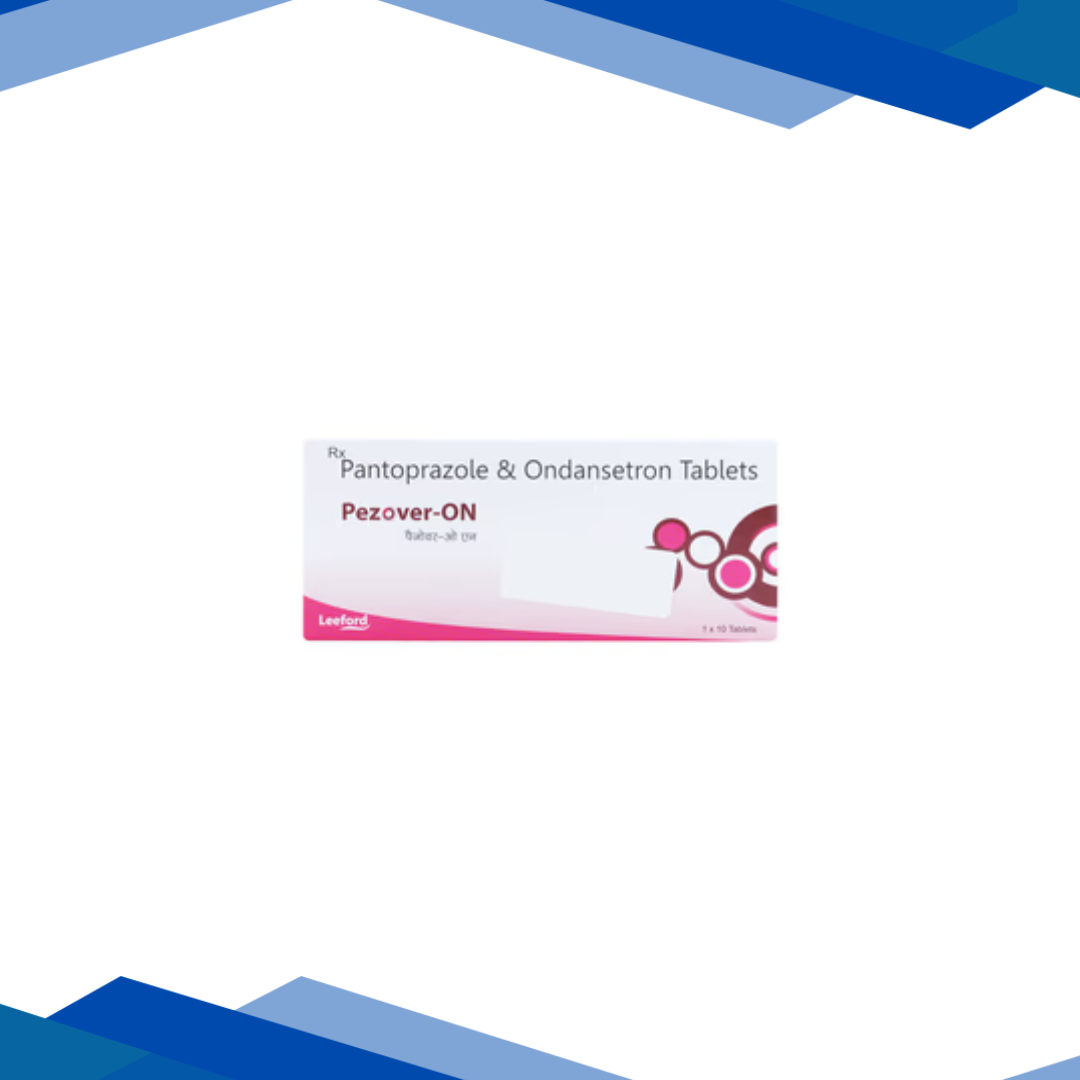
Pezover-On tablet is used to prevent and treat nausea and vomiting caused by chemotherapy, radiation therapy, or surgery. It helps control queasiness after medical treatments or anesthesia. The tablet works by blocking serotonin, a natural substance that triggers vomiting. It provides quick relief from upset stomach and helps you feel more comfortable. For more details kindly click on Medicine Salts below:
Ondansetron
4mg/8mg Ondansetron Tablet
Ondansetron—an effective anti-emetic medicine to control and treat vomiting and nausea—belongs to the group of 5-HT3 receptor antagonists. Ondansetron effectively blocks the action of serotonin, a substance naturally released in the body that triggers vomiting. A patient hugely benefits from this once nausea attacks occur during medical procedures or after an operation.
Some Prime Uses
Chemotherapy-Induced Vomiting: Helps manage nausea associated with chemotherapy.
Postoperative Vomiting: Its efficacy becomes apparent in preventing vomiting after general anesthesia.
Radiation: Helps patients tolerate radiation therapy by suppressing the vomiting reflex.
Gastritis (Off-Label): In severe stomach upsets, it may be used to prevent dehydration.
How to Take Ondansetron
Time Matters: In chemotherapy, the first dose is usually taken within 30 minutes prior to treatment. For surgery, it is typically given 1 hour before anesthesia.
Administration: Swallow the tablet whole with a full glass of water. For mouth dissolving tablets, allow it to melt completely on the tongue—do not chew.
Food or No Food: Can be taken on an empty stomach or after a light meal.
Hydration: It controls vomiting but does not replace lost fluids—drink electrolyte-rich fluids.
Safety Checkposts
Cardiac Caution: Inform your doctor if you have heart rhythm disorders (e.g., Long QT Syndrome), as Ondansetron may affect cardiac electrical activity.
Serotonin Syndrome: Use caution if taking antidepressants (SSRIs/SNRIs), as combined use may rarely lead to serotonin syndrome.
Liver Function: Patients with liver impairment may require a reduced dose (not exceeding 8 mg).
Common Side Effects
Most users tolerate Ondansetron well, but some may experience:
- Mild to moderate headache
- Warmth or flushing
- Constipation
- Mild fatigue or tiredness
Seek medical advice if you notice blurred vision or rapid heart rate.
Frequently Asked Questions (FAQs)
Q: How fast does Ondansetron start working?
A: Relief usually begins within 30–60 minutes, with peak effect around 2 hours.
Q: Can Ondansetron be used for pregnancy-related morning sickness?
A: It may be used only under strict medical supervision, especially during the first trimester. Always consult your OB-GYN.
Q: Is it safe to drive after taking this medication?
A: Generally yes, as it does not usually cause drowsiness. However, avoid driving if you feel dizziness or headache.
Q: Can children take Ondansetron (Zofran)?
A: Yes, it is approved for pediatric use for nausea and vomiting, including postoperative cases.
Q: Does Ondansetron treat motion sickness?
A: No, it is not very effective for motion sickness, as it does not act on the inner ear balance system.
Q: What if I vomit immediately after taking a dose?
A: If vomiting occurs within 15–30 minutes, another dose may be needed. If more than 1 hour has passed, the medicine is likely absorbed—consult your pharmacist before re-dosing.
Pantoprazole
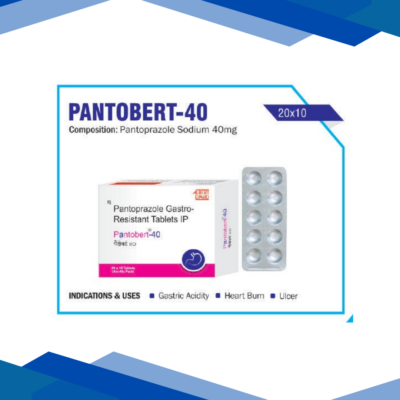
This Tablet contains 40 mg of Pantoprazole
Pantoprazole belongs to a group of medications known as Proton Pump Inhibitors (PPIs) and is widely prescribed for gastroenterological issues. The main use of Pantoprazole is to diminish the amount of acid participating in producing the stomach; thus, it provides relief from symptoms like heartburn and acid reflux. Moreover, it is highly efficacious at treating the ailments like Gastroesophageal Reflux Disease (GERD), duodenal ulcers, and Zollinger-Ellison Syndrome.
Advantages
Acid Reflux & GERD: Management of persistent heartburn and a bitter taste in the mouth due to stomach acid coming up into the food pipe.
Peptic Ulcer Disease: Slightly alters the pH level in the stomach for fostering the healing of ulcers in the stomach and the first part of the small intestine (duodenum).
Zollinger-Ellison Syndrome: Controls secretion of stomach acid excess in rare conditions.
NSAID-Induced Gastritis: Administered often with a pain reliever. It protects the stomach lining from irritable gestures and likely bleeding.
Actions of the drug.
The action of Pantoprazole focuses on the "proton pumps" in the stomach lining, which are responsible for the final and greatest output of acid. Pantoprazole reduces these pumps partially, leading to a significant reduction of stomach acidity that permits the affected esophageal or stomach tissues to recover.
Guidelines for Use:
Timing: To maximize effectiveness, take Pantoprazole at least 30–60 minutes before mealtime.
Method: Swallow the whole tablet. It should not be crushed, chewed, or split, as the tablet has a special "enteric coating" to effect drug delivery in the intestine only.
Consistency: It must be taken on a regular basis, every day, in order to keep a steady level of medication in the body.
Safety Profile and Side Effects
While generally well-tolerated, individuals using Pantoprazole can experience:
Headache or dizziness
Mild diarrhea or stomach pain
Flatulence (gas)
Dry mouth
Skin rash (rare)
Definition of Long-term Use: Over a one-year span of continued PPI use, one such case could be getting decrease in magnesium levels or Vitamin B enters into deficiency. Blood tests and precautionary dietary intake (supplements) would be often recommended by the healthcare professionals.
Being Cautious
Kidney Health: If you really have any long-term kidney problems, then you must go for a dose adjustment.
Bone Health: High-risk groups on long-term PPIs are people over the age of 50, and PPIs are an added risk factor for bone fractures. Vitamin D and Calcium are suggested to maintain bone stability.
Pregnancy: Consult with your doctor before taking Pantocid if you are pregnant or planning to become pregnant. This category of drugs should be used when the benefits outweigh the risks.
Alcohol: One should consider very minimal amounts of alcohol on this medication, as alcohol can cause acid production and increase the severity of your symptoms.
Frequently Asked Questions (FAQs)
Q: I have indigestion. Am I allowed to take it right now to relieve the symptoms myself?
No, antacids are used to neutralize stomach acid in cases of indigestion. Although the common antacid works instantly, Pantoprazole takes 1 to 3 days to show its full effect. It is an adjuvant for long-term anti-acidic management.
Q: Are there new instructions to take if I skip taking any of the doses?
If you miss a dose, take it as soon as you remember. However, if it is nearly time for your next dose, skip the dose. Do not double the dose.
Q: Are there any interferences with other medications upon taking Pantoprazole simultaneously?
Pantoprazole may block the absorption of certain drugs like Ketoconazole, Iron supplements, or some antiretroviral medications. Always inform your doctor about all the medications you are taking.
Q: Should I take Pantoprazole in the same way for as long a time?
Most of the people take it for a minimum of 4 to 8 weeks. The doctor will check your electrolyte and Vitamin levels if he wants you on it for a long time. There should not be a decision to take it for more than 2 weeks if you're seeking self-medication.
Q: Can Pantoprazole lead to weight gain?
The telltale sign of weight gain when taking Pantoprazole is rather uncommon. If you've experienced sudden weight changes, then there's another factor responsible or you are being medicated with Pantoprazole to manage acid reflux.
At Gem Pharmacy, we make every effort to provide accurate, expert-written, and thoroughly reviewed information related to medicines. However, this information should not be considered a substitute for professional medical advice, diagnosis, or treatment from a qualified doctor.
The purpose of this information is to educate users and improve communication between patients and healthcare professionals. It should not be used to diagnose or treat any condition.
Always consult a certified healthcare professional before taking any medication.


Related products