PHLEBOTROY QPS Topical Solution 5ml
❌ Due to high demand, this product is currently out of stock. New stock will be available shortly.
👉 Click here to Buy Same Salt medicine
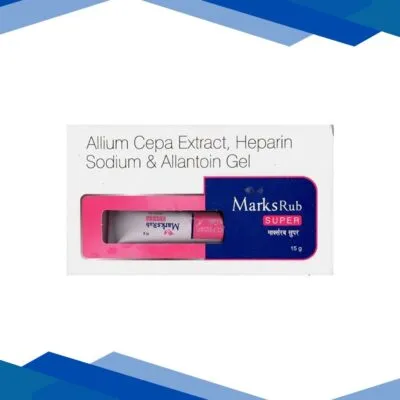
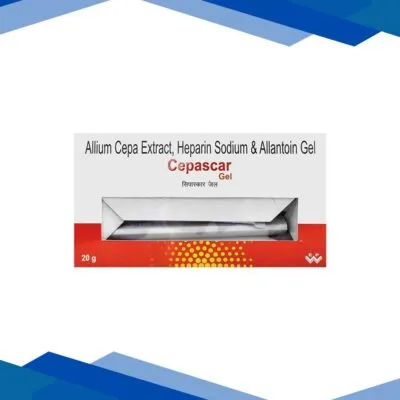
PHLEBOTROY QPS Topical Solution is a topical combination medicine commonly used to help improve the appearance and comfort of scar tissue. It works in three ways: EXTRACTUM CEPAE CEPALIN helps soften and reduce the look of scars, HEPARIN supports local healing and may help reduce inflammation, and ALLANTOIN helps soothe the skin and encourage skin repair. This medicine is often used for old or fresh scars caused by surgery, burns, cuts, or injury, and may also help with tight, raised, or red scars. With regular use as advised by a healthcare professional, it may help make scars feel less firm, less itchy, and less noticeable over time. It is meant for external use only and should be used on intact skin unless directed otherwise by a doctor.
Description
PHLEBOTROY QPS Topical Solution is a topical medicine commonly used to improve the appearance and comfort of healing skin, especially after surgery, minor injuries, burns, or other forms of skin trauma. it is designed for application directly on the skin rather than by mouth or injection. this combination is often chosen because each component supports a different part of the skin-repair process: extractum cepae ceapalin helps reduce the development of excessive scar tissue, heparin is used for its soothing and anti-inflammatory properties on the skin, and allantoin supports skin softening and repair. together, these ingredients are intended to help the skin heal more smoothly and to reduce the risk of thick, raised, or uncomfortable scars.
this medicine is generally used on healed or healing skin areas where scar formation is a concern. it may be recommended after surgical incisions close, following minor burns, or for scars that are red, firm, itchy, or tight. the product is not a “quick fix” and does not remove scars immediately. instead, it works gradually over time as part of a regular skin-care routine. the best results usually depend on using it consistently, starting when the wound has appropriately closed, and continuing for a period recommended by a healthcare professional.
its mechanism is based on supporting the normal remodeling phase of skin healing. during scar formation, the body lays down collagen and other tissue components to repair damage. sometimes this process becomes overly active, leading to raised, hard, or cosmetically bothersome scars. extractum cepae ceapalin is thought to help modulate fibroblast activity and collagen deposition, while heparin may support local anti-inflammatory effects and improve the texture of healing tissue. allantoin is widely used in dermatology for its keratolytic, moisturizing, and skin-soothing properties. because this is a topical product, its effects are localized to the application site and systemic absorption is typically limited when used as directed.
people who may benefit from this medicine include those recovering from surgery, individuals with recent minor skin injuries, and patients with fresh or mature scars that are red, itchy, or mildly raised. it may also be used in some cases of stretch marks or other localized skin changes, although the exact indication can vary by product formulation and medical guidance. since scar management depends on the type of skin lesion, age of the scar, and individual healing tendency, it is important to use the product only for appropriate conditions and to seek professional advice if the scar is painful, rapidly growing, infected, or causing significant functional problems.
ingredients
- extractum cepae cepalin: this ingredient, derived from onion extract, is commonly included in scar-care products because it may help reduce fibroblast overactivity and excessive collagen buildup. this can make scars appear flatter, softer, and less noticeable over time. it is also believed to have mild anti-inflammatory effects that may help reduce redness and irritation in healing skin.
- heparin: in topical skin formulations, heparin is used for its local anti-inflammatory and soothing properties. it may help improve the overall condition of scar tissue by supporting a calmer healing environment. it is not used here as a blood thinner in the typical systemic sense, but rather as a topical component intended to support skin repair and reduce discomfort.
- allantoin: allantoin is a well-known skin protectant and conditioning ingredient. it helps soften rough or hardened skin, supports gentle exfoliation of dead surface cells, and promotes a smoother feel in healing tissue. it is also valued for its soothing action, which may help reduce dryness, tightness, and mild irritation around scars.
- base and excipients: the product may also contain a cream, gel, or ointment base and other inactive ingredients that help deliver the active components to the skin. these excipients affect how the product spreads, absorbs, and feels on the skin. because formulations can differ, people with sensitive skin should review the full ingredient list if they have a history of contact dermatitis or fragrance allergies.
key uses
- scar management after surgery: this medicine is commonly used on closed surgical wounds to help improve scar appearance and reduce firmness, redness, or itching during the healing period.
- minor burn and injury recovery: it may be applied to healing skin after minor burns, cuts, or abrasions once the surface has closed, supporting smoother recovery and reducing the chance of thick scarring.
- raised or firm scars: it may help soften scars that feel tight, hard, or slightly raised, making them less bothersome over time when used consistently.
- red or irritated scar tissue: the product can be useful when scar tissue is still red, sensitive, or mildly inflamed, as its components may help calm the skin.
- support for cosmetic improvement: in people concerned about scar appearance, it may be used as part of a broader scar-care plan to improve texture and visibility gradually.
how to use
PHLEBOTROY QPS Topical Solution is intended for topical use only. it should generally be applied to clean, dry, intact skin after the wound has closed and your healthcare professional has confirmed that it is appropriate to start scar treatment. before applying, gently wash the area if needed and pat it dry. use a thin layer and spread it over the affected scar or healing area with clean hands. many topical scar products are used once or more daily depending on the formulation and medical advice, but you should follow the instructions on the package or those given by your doctor or pharmacist.
for best results, consistency matters more than heavy application. applying too much does not usually improve outcomes and may instead cause skin irritation. avoid rubbing aggressively into fresh or fragile skin. if the area is on a part of the body that experiences frequent movement or friction, allow the product to absorb fully before covering it with clothing. do not use it on open wounds, actively bleeding areas, or infected skin unless specifically advised by a healthcare professional. if you are unsure whether the scar or wound is ready for treatment, ask a clinician before starting.
treatment of scars typically takes time. visible improvement may occur gradually over weeks to months, depending on scar age, depth, location, and individual healing tendency. the surrounding skin should be monitored for signs of irritation, and use should be stopped and reviewed if the area becomes increasingly red, painful, swollen, or develops a rash. for optimal scar care, your healthcare professional may also recommend sun protection, silicone-based products, gentle massage when appropriate, and other supportive measures depending on the type of scar.
safety information
- warnings: this product should not be applied to open wounds, infected skin, or areas with active bleeding unless specifically directed by a healthcare professional. avoid contact with the eyes, mouth, and mucous membranes. if contact occurs, rinse thoroughly with water. do not use it on skin that becomes unusually irritated, broken, or allergic after application. people with a history of sensitivity to onion-derived ingredients, heparin-containing products, or preservatives in topical formulations should use caution.
- side effects: common side effects may include mild redness, temporary stinging, itching, dryness, or local irritation at the application site. less commonly, some people may develop contact dermatitis, rash, swelling, or increased sensitivity. serious reactions are uncommon but may include marked allergic swelling, blistering, severe rash, or worsening skin discomfort, in which case the product should be stopped and medical advice sought promptly.
- precautions: use extra caution if you have very sensitive skin, eczema, chronic dermatitis, or a known allergy to topical scar treatments. if the scar is large, painful, rapidly enlarging, keloid-prone, or located near an eye, joint, or mucosal surface, a clinician should guide treatment. children, older adults, and people with complex wound-healing problems should use the product under professional supervision.
- pregnancy/breastfeeding: topical use is usually associated with limited systemic exposure, but safety in pregnancy and breastfeeding depends on the exact formulation and the area being treated. if you are pregnant, planning pregnancy, or breastfeeding, consult a healthcare professional before using it, especially if treating a large area or using it for an extended period.
- interactions: because this is a topical product, significant drug interactions are less common than with oral medicines. however, using it together with other skin products such as retinoids, exfoliants, alcohol-based preparations, or strong acne treatments may increase irritation. if you use prescription anticoagulants, are applying other heparin-related products, or are taking medicines that affect bleeding, speak with a clinician if you plan to use it on large areas or on fragile skin. alcohol may worsen skin dryness and irritation indirectly, especially if the skin is already healing.
additional information
- storage: store the product at room temperature in a cool, dry place away from direct sunlight and excessive heat. keep the container tightly closed when not in use. do not freeze unless the label specifically says it is allowed. keep out of reach of children and pets.
- missed dose: if you forget an application, apply it when you remember unless it is almost time for the next one. do not apply extra product to make up for a missed dose. simply continue with the regular schedule recommended on the label or by your healthcare professional.
- overdose: excessive topical use usually causes local skin irritation rather than severe systemic poisoning, but applying too much may increase redness, itching, or discomfort. if a large amount is accidentally swallowed, or if a major skin reaction occurs, seek medical advice or emergency help promptly, especially in children.
- habit forming: no. this medicine is not known to be habit forming or dependence producing. it is used for localized skin care rather than for effects on the brain or body that cause addiction.
frequently asked questions
Q: what is PHLEBOTROY QPS Topical Solution used for?
A: it is generally used as a topical scar-care medicine to support healing and improve the appearance of scars after surgery, minor burns, or other skin injuries. it may help reduce redness, firmness, itching, and tightness over time when used correctly.
Q: can i use PHLEBOTROY QPS Topical Solution on open wounds?
A: no, it should generally not be used on open, bleeding, or infected wounds unless a healthcare professional specifically tells you to do so. it is usually intended for closed or healing skin after the wound surface has closed.
Q: how long does it take to see results?
A: scar treatments usually work gradually. some people may notice changes in comfort or softness within a few weeks, but visible improvement in scar appearance often takes longer and depends on the age and type of scar, as well as consistent use.
Q: can it remove scars completely?
A: no topical medicine can guarantee complete scar removal. this product may help make scars less visible, softer, and less irritating, but the final result depends on the depth of the injury, the body’s healing response, and timing of treatment.
Q: what should i do if my skin becomes irritated?
A: if you develop redness, burning, rash, swelling, or worsening discomfort, stop using the product and speak with a healthcare professional. mild irritation can happen with topical treatments, but persistent or severe symptoms need evaluation.
Q: is it safe to use with other skin creams?
A: sometimes yes, but combining products can increase irritation or affect absorption. it is best to ask a pharmacist or doctor before using it with retinoids, exfoliants, steroid creams, or other scar treatments.
Q: can children use this medicine?
A: some children may use topical scar treatments, but this should be done only with medical guidance. children’s skin can be more sensitive, and the right product and timing depend on the type of injury and age of the child.
Q: does it help with old scars?
A: it may help some older scars to become softer or less noticeable, but newer scars often respond better. very old, thick, or keloid scars may need additional or different medical treatment.
Q: can i use it if i have sensitive skin?
A: you may be able to use it, but sensitive skin is more likely to react to topical products. a patch test or medical advice may be helpful before regular use, especially if you have eczema or contact allergies.
Q: should i use sunscreen on the scar area?
A: yes, sun protection is often important for healing scars because ultraviolet exposure can darken or worsen their appearance. ask your healthcare professional for advice on when and how to protect the area.
this information is for educational purposes only and should not be considered medical advice. always consult a qualified healthcare professional before use.
At Gem Pharmacy, we make every effort to provide accurate, expert-written, and thoroughly reviewed information related to medicines. However, this information should not be considered a substitute for professional medical advice, diagnosis, or treatment from a qualified doctor.
The purpose of this information is to educate users and improve communication between patients and healthcare professionals. It should not be used to diagnose or treat any condition.
Always consult a certified healthcare professional before taking any medication.


Related products