
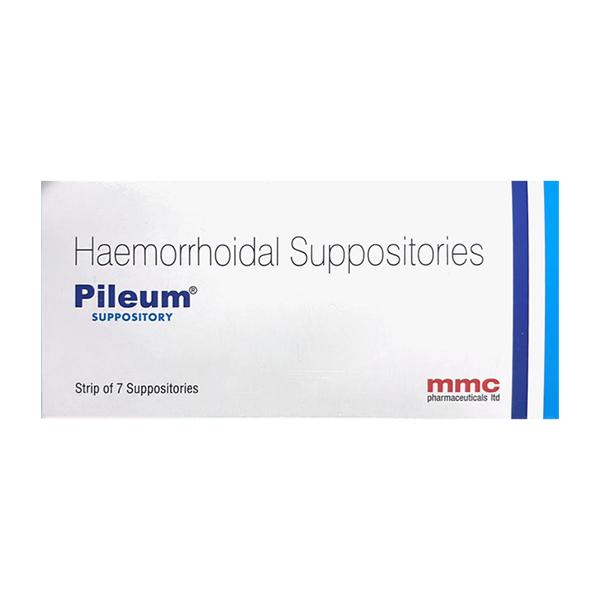
PILEUM Suppositories 7’s
No Prescription yet? Don’t worry! Click Here to Get Online Consultation
**Benoxonium Chloride + Lidocaine** is a combination medication commonly used for the relief of pain, irritation, and infection in the mouth and throat. Benzoxonium chloride acts as an antiseptic that helps kill or inhibit the growth of bacteria and other microorganisms, while lidocaine is a local anesthetic that temporarily numbs the affected area to reduce pain and discomfort. This combination is often found in lozenges, sprays, or topical preparations used to manage sore throat, minor oral infections, and inflammation of the mucous membranes.
Allantoin
Allantoin: The Ultimate Soothing Agent for Skin Recovery
Allantoin serves as a discreet skincare component which dermatologists recommend for treating ongoing skin dryness and minor skin problems and for enhancing existing skincare products. Allantoin functions as a non-irritating skin safeguard which promotes wound healing through its natural presence in the comfrey plant and its synthesized clinical-grade form.
Mechanism of Action
The process of Allantoin functions through:
Allantoin penetrates skin layers using keratolysis unlike most active ingredients which remain on the surface. The treatment functions by softening the adhesive material which binds dead skin cells together to enable better shedding of these cells.
The Resulting Processes
- Deep Hydration: The process enables moisture to reach deeper skin layers after dead cells have been removed.
- Cell Regeneration: The treatment triggers fibroblast cells which create collagen to accelerate scar and abrasion healing.
- Anti-Irritation: The substance functions as a natural buffer which enhances its compatibility with more intense treatments such as Retinol and AHAs.
Primary Uses & Benefits
- Soothing Sunburns & Rashes: The treatment quickly calms skin redness and heat because it stops the inflammatory process which affects the skin.
- Scar Management: The treatment results in less visible scar tissue because its regular use makes the scar tissue smoother over time.
- Eczema & Psoriasis Relief: The treatment creates a protective barrier which stops moisture loss through transepidermal water loss (TEWL) from damaged skin areas.
- Post-Procedure Recovery: The procedure acts as a tissue repair accelerator which people use after chemical peels and laser treatments.
Frequently Asked Questions (FAQs)
1. Is Allantoin safe for sensitive skin?
Yes. Allantoin functions as an "anti-irritant" which people widely acknowledge. The ingredient appears in cosmetics because it helps to minimize potential skin reactions which other components of the product might induce. The product provides safety for all skin types which includes people who suffer from hypersensitivity and rosacea.
2. How should I apply products containing Allantoin?
The optimal method for using Allantoin-based products requires users to apply the cream or gel onto their slightly damp skin. The process establishes a barrier that maintains moisture for longer periods. The user should perform gentle massage movements to apply the product two times each day for scar treatment purposes.
3. Can I use Allantoin along with Vitamin C or Retinol?
Absolutely. The practice of using Allantoin in combination with "actives" which include Retinol and Salicylic Acidrepresents a common recommendation. The soothing effects of Allantoin protect the skin from discomfort which occurs when users use those products that cause their skin to peel or turn red.
4. Are there any side effects?
The natural soothing properties of Allantoin make its side effects extremely rare. The product requires users to conduct a patch test on their forearm before they use it for complete application. The product requires users to stop using itwhenever they experience uncommon stinging or ongoing redness and seek medical assistance.
5. Is Allantoin the same as Urea?
Both compounds function as keratolytic agents which dissolve dead skin cells yet Allantoin operates as a milder option. Allantoin serves as the better choice for facial skin and wound treatment whereas urea works effectively on extremely thick and cracked heel skin.
Storage and Safety Information:
- Storage: The container should remain tightly sealed while stored in an area that maintains cool and dry conditions. The material should not receive direct sunlight exposure.
Warning: The product exists for external application only. The product requires professional advicebefore users apply it on deep puncture wounds or severe burn injuries.
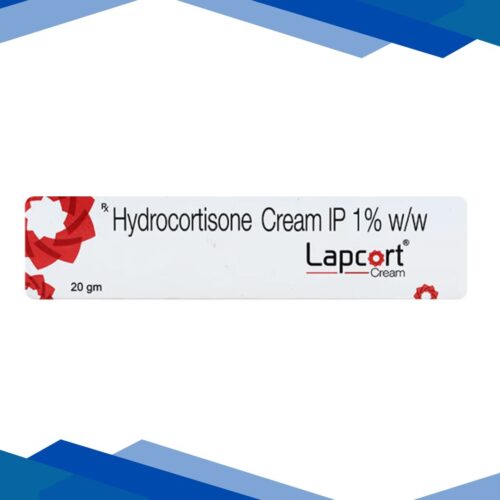
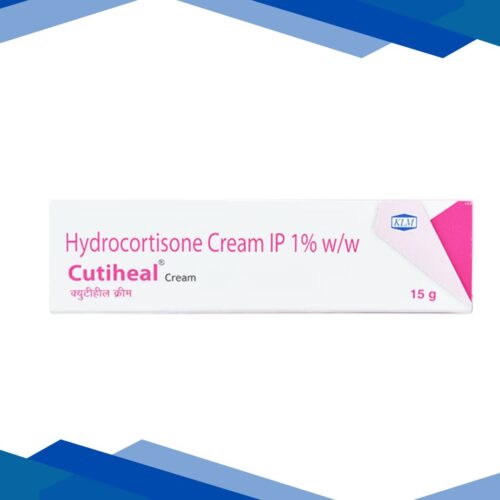
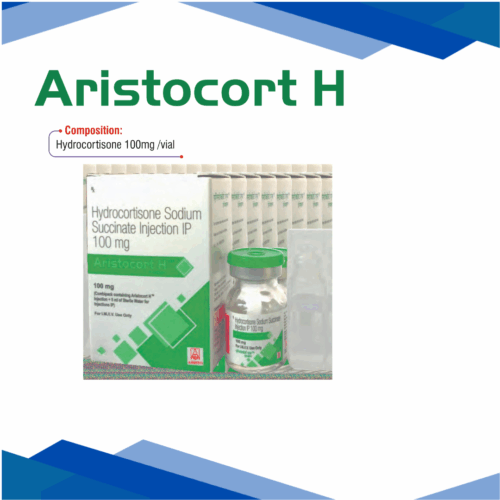
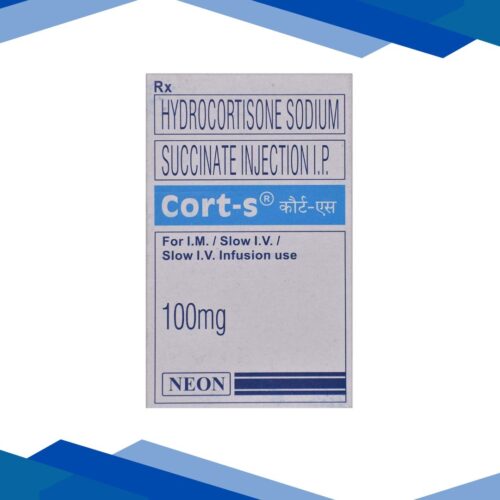
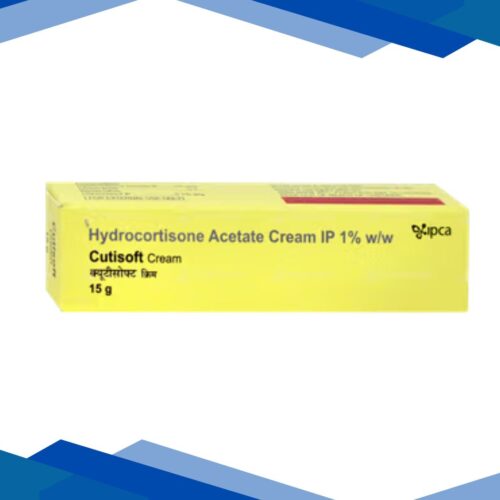
Hydrocortisone
Hydrocortisone (Topical & Oral)
Hydrocortisone is a mild corticosteroid that provides anti-inflammatory effects, whether used as a topical cream for skin conditions or as an oral tablet for hormonal support. It works by reducing the body’s immune response, thereby decreasing swelling, redness, and itching.
Most Typical Uses
Soothe Your Skin: Used in conditions like atopic dermatitis, dermatitis herpetiformis, psoriasis, and insect bites.
Treatment of Allergy: Helps in the rapid relief of localized redness and swelling.
Hormone Replacement: In tablet form, replaces natural cortisol in patients with adrenal insufficiency.
Specialized Healthcare Uses: May be used in hemorrhoids, proctitis, and certain autoimmune conditions.
Directions for Proper Use
For Creams/Ointments:
First Cleanse: Thoroughly clean and dry the affected area.
Apply a Thin Layer: Use a small amount and gently rub until absorbed.
Hand Cleaning: Wash hands after application (unless treating hands).
Frequency: Typically 2–3 times daily. Do not exceed 7 days unless prescribed.
For Tablets:
Take with Food or Milk: Helps protect the stomach.
Morning Dose Preferred: Usually taken once daily in the morning, aligning with the body’s natural cortisol rhythm.
Important Safety Checklist
Pro Tip: Avoid using on the face, eyes, or broken skin unless advised by a doctor, as steroids may cause skin thinning.
Infections: Do not apply on infected areas such as pus-filled lesions, viral infections (e.g., cold sores), or fungal infections (e.g., athlete’s foot).
Pregnancy & Nursing: Consult your doctor before use, though topical use is generally low risk.
“Bandage Rule”: Avoid tight covering (occlusion) unless instructed, as it increases drug absorption into the bloodstream.
Side Effects to Watch For
Mild stinging or burning sensation at application site
Skin thinning, discoloration, or stretch marks (with prolonged use)
Polydipsia (increased thirst) or polyphagia (increased appetite) with oral use
Hormonal changes or sleep disturbances (oral forms)
Frequently Asked Questions (FAQs)
Q: Can hydrocortisone cream be used on the face for acne?
A: It is not recommended. While it may reduce redness temporarily, prolonged use can lead to skin thinning or “steroid acne.”
Q: Can children use it?
A: Use with caution. Children have thinner skin, leading to higher absorption. Always consult a pediatrician before use.
Q: What is the difference between cream and ointment?
A: Creams are better for wet or oozing skin, while ointments are ideal for dry, scaly skin, as they lock in moisture.
Q: Can hydrocortisone treat fungal infections like ringworm?
A: No. Steroids may worsen fungal infections by suppressing the immune response. Use an antifungal treatment instead.
Q: What should I do if I miss a dose?
A: Apply or take it as soon as you remember. If it’s close to the next dose, skip the missed dose. Do not double the dose.
Lidocaine
Lidocaine (Topical/Injectable)
Lidocaine is a local anesthetic drug with multifarious uses for causing some temporary form of numbness or loss of feeling in a specific area. Its effect is completed by blocking the nerves to transmit 'pain' signals to the brain. It is essential for current pain management, meaning that it largely treats minor skin injuries using a topical gel and provides anesthesia for minor surgeries upon injectable administration.
Principal Applications:
Skin Numbing: Good for minor burns, insect bites, or scrapes.
Leading-edge Applications: Often used before injections, tattoo needles, and catheterization to minimize pain.
Dental Signs: For application, gels help to soothe sores or relieve dental work discomfort.
Surgery Use: Used by specialists to numb an area for suturing or for small cytological examination.
How to Apply (Topical)
Clean Site: Wash and dry the affected skin before applying the cream or gel.
Thin Layer: Apply only on the area that needs treatment; never apply over a large area of the body.
Hands on: Washing hands is important right after application to keep the medicine away from the eyes or mouth.
Dosage: Follow your prescription regarding how often it has to be used. Excessive usage permits systemic absorption, a potentially serious occurrence.
Precautions
Word of Warning: Lidocaine should never be placed on open, blistered, or 3rd-degree burned areas unless the physician tells you so. Also avoid tight bandaging or heating pads over the treated area, as this may increase drug absorption into the bloodstream.
Heart Physiology: If you have a history of arrhythmia or other heart conditions, consult your doctor before use.
Hepatic Cases: Patients with liver disease should use Lidocaine with care, as it is metabolized in the liver.
Allergies: Check for sensitivity to "amide-type" local anesthetics before use.
Possible Side Effects
- Mild redness, swelling, or irritation at the site of application
- Brief stinging or burning sensation
- Pallor (lightening of skin) at the application site
If anyone experiences severe dizziness, blurred vision, or ringing in the ears, it may be a sign of toxicity. Seek immediate medical assistance.
Frequently Asked Questions (FAQs)
Q: How Long Does It Take for Lidocaine to Take Effect?
A: With topical gels and creams, a numbing sensation usually begins within 2 to 5 minutes. The peak effect is achieved in about 15–30 minutes.
Q: Can I Use Lidocaine for a Sore Throat?
A: Use only specific oral Lidocaine viscous solutions for throat pain. Do not use skin creams or gels inside the mouth or throat.
Q: Is It Safe to Use Lidocaine Every Day?
A: Lidocaine should be used only as directed by your doctor. Avoid unnecessary or prolonged use.
Q: When should I avoid using Lidocaine?
A: Avoid long-term use without medical advice. If symptoms persist, consult a physician.
Q: Is there any time-limit for the consumption of Lidocaine?
A: It should not be used daily for extended periods, as side effects may accumulate with prolonged use.
Zinc Oxide
Zinc Oxide Topical Cream/Ointment
Zinc oxide is a non-prescription active ingredient for skin protection and a weak antiseptic, as it is known to protect the skin by forming a physical barrier in the upper layers of the skin, thereby creating a shield. It reflects UV radiation and thereby imparts protection to the entry area against moisture and environmental irritants. With respect to its gross usage in dermatology and pediatrics, this is considered the primary treatment for diaper rash, minor burns, and severely dry and chafed skin.
Therapeutic Use
- Diaper Hood Management: Forms a protective coating against the delicate skin of an infant from moisture and waste.
- Minor Wound Care: Protects the baby from bacterial contamination of infected wounds, abrasions, and minor burns while promoting healing all naturally.
- Sun Protection: Search for an impregnable "mineral" (herbal) sunscreen that in essence blocks both UVA and UVB radiation.
- Eczema & Dermatitis: Produces relief of the itching cortical within inflamed skin patches.
- Skin Folds: Helpful intervention for prevention of intertrigo in the warm skin fold areas by keeping this dry and friction-free.
Key Product Features
- Safe on most skin types, even newborns, is inert and non-irritant.
- Waterproofs moisturizing the skin: Waterproofs against urine, sweat, and other external fluids.
- Provides a broad-spectrum environmental barrier of protection.
Applied Instructions
- Preparation: Clean dry skin with a clean washcloth, gentle soap, and warm water. Ensure skin is dry prior to applying.
- Application Technique: Apply a generous coat of cream or ointment, covering the affected area thickly for diaper rash.
- Use as needed, applied especially right before bed or whenever moisture is present for an extended period.
- Removal: Zinc oxide tends to be thick and water-resistant. Use cotton and mineral oil or baby oil to gently remove excessive thick lubricant from the skin whenever needed.
Precautions and Safety
- External Use Only: Avoid direct contact with the eyes, nose, and mouth. In case of ingestion, immediate medical assistance should be sought.
- Infection Caution: Do not use on deep, puncture wounds, or heavily infected skin without a doctor's opinion.
- Allergy Alert: Rarely, if you experience increased redness, hives or swelling, stop the application of the product, which could be a hypersensitivity response to the base ingredient (such as lanolin or petrolatum).
- Stains: White, staining the cloth due to its consistency.
Frequently Asked Questions (FAQs)
Q: Can Zinc Oxide be used on my face for acne?
Yes, it is frequently used as a "spot treatment" to dry out acne and reduce redness. But because it is considered to be thick and occlusive, it may well clog pores if used all over the face by persons having oily skin.
Q: Is it safe for newborns?
Absolutely. Zinc Oxide has been the "gold standard" in dealing with and preventing diaper rash in newborns or children. It is an active ingredient used in most diaper rash creams.
Q: How is Zinc Oxide different from chemical sunscreens?
Chemical sunscreens absorb UV rays into the skin and convert them to heat. Zinc Oxide is a "physical" blocker that sits on the skin's surface; it reflects rays like a mirror and is much less likely to cause skin irritation.
Q: Is it okay to apply on a fresh burn?
Application could not offer harm but could be very soothing for a minor first-degree burn, such as mild sunburn or shallow kitchen singe. Nevertheless, do not apply directly on broken, blistered or "weeping" second-degree burns without consulting your health adviser.
Q: Is there an expiration date?
Yes, typically. Additionally, separation of the ingredients, reduction of potency, and wearing down of protection happen over time. Always check the tube's "Use By" date for maximum efficacy.
Expert Plead for Skincare
No! Let the principle "less is more" be reduced over the years using Zinc Oxide for protection following increased moisture generation. For barrier function to be effective—especially when caring for infants—always apply a generous, visible layer as if shielding an irritant in order for it never to touch the skin.
Disclaimer: This information is intended for educational purposes and should never be substituted for professional medical advice or treatment. Always consult your dermatologist or other healthcare provider about drivers of concern.
At Gem Pharmacy, we make every effort to provide accurate, expert-written, and thoroughly reviewed information related to medicines. However, this information should not be considered a substitute for professional medical advice, diagnosis, or treatment from a qualified doctor.
The purpose of this information is to educate users and improve communication between patients and healthcare professionals. It should not be used to diagnose or treat any condition.
Always consult a certified healthcare professional before taking any medication.


Related products