

PILOGO PLUS Cream 30gm
No Prescription yet? Don’t worry! Click Here to Get Online Consultation
Pilogo Plus Cream 30 gm is a prescription topical anorectal preparation used to relieve pain, swelling, itching, bleeding, and discomfort associated with haemorrhoids (piles), anal fissures, and related anorectal irritation, helping reduce inflammation and promote healing in the affected area. For more details kindly click on Medicine Salts below:
Calcium Dobesilate
Calcium Dobesilate 500mg Capsule
Vascular Protector and Vasotherapeutic Agent
Overview
Calcium Dobesilate is a strong drug applied mainly for the enhancement of blood circulation and resistance of blood vessel walls to small veins (capillaries). It is used frequently in the treatment of diabetic retinopathy, hemorrhoids, and chronic venous insufficiency.
By downgrading "leakiness" and fragility in blood vessels, it is believed to be a big assistance in treating patients presenting with symptoms such as leg heaviness, edema, and fatigue.
Key Benefits & Uses
Strengthening Blood Vessels:
Acts directly on the capillary walls to decrease fragility and prevent unwanted leakage of fluids into surrounding tissues.
Improved Flow of Blood:
Regarding the fact that this medicinal component reduces the thickness of blood (viscosity), it permits an easier flow of blood along any narrow or damaged vein.
Hemorrhoid Management:
The substance efficiently reduces the inflammatory burden and swelling in the anal area, offering relief from the discomfort of hemorrhoids.
Benefits to the Eye:
In diabetic patients, it protects the delicate vessels in the retina from progressing to complications related to eyesight.
Using Techniques
Dosage:
Doctor's direction must be followed in terms of timeliness. For adults, 500 mg two or three times a day is usually sufficient.
Time of Intake:
It is advised to take this pill with food; even more absorption is noted when absorbed with food and the chances of gastric disturbance and sickness are greatly mitigated.
Regularity:
Take your doses time to time. Do not skip a dose. In case your missing two hours are about to pass for the next scheduled dose, skip the missed dose.
Safety Advice & Detriments
This is neither contraindication for pregnancy and breastfeeding nor recommended, unless a doctor said it is desperately needed. A professional advice has to be sought before you could initiate treatment.
Kidney/Liver Function:
If you suffer from kidney disease, your dosage might need to be altered accordingly.
It is essential to avoid alcohol while you are on this medication because it may increase the chances of becoming dizzy or getting stomach irritation.
Driving:
Please abstain from driving if you observe blurred vision or dizziness while on drug therapy.
Common Side Effects
Most of the adverse reactions of the medication are mild and transient. They may include:
- Nausea or discomfort to the stomach
- Diarrhea
- Skin rash or itching
- Fever (rare)
Notice: Stop taking the medicine and consult your healthcare provider immediately if the ache in your joints gets more severe, fever persists, or a sore throat develops with a rapid onset along with mild systemic symptoms. These could be due to a blood-related reaction rarely seen.
Frequently Asked Questions (FAQs)
1. When does Calcium Dobesilate work?
The time taken is variably haploid relative to the disease. Some patients show improvements in varicose veins or leg swelling after 2–3 weeks. By contrast, a more sustained use may be required for managing chronic ailments like diabetic retinopathy.
2. Can I take Calcium Dobesilate on an empty stomach?
It is better to take it with a meal. Taking one-centimetres with an empty stomach may incur nausea and stomach heavy, which are very frequently faced symptoms.
3. Does Calcium Dobesilate thin the blood?
It does thin the blood but not exactly. It actually thins blood by reducing blood viscosity to improve circulation. It is a vasoprotective agent, not a traditional anticoagulant like Aspirin or Warfarin.
4. Can a long-term administration of this drug treat piles?
This drug is often used to treat acute hemorrhoidal symptoms. Treatment is likely to provide relief from pain and swelling, but long-term management would most probably involve dietary changes (high fiber) and lifestyle adjustments.
5. What should I do in the event of a skin rash?
A mild skin rash may develop, but if you think that there might be a possibility of an allergic reaction, contact your doctor immediately. If the skin rash is associated with fever, see your doctor straight away.
Hydrocortisone Acetate
Hydrocortisone Acetate (0.1%/1% w/w)
Hydrocortisone acetate is a slight corticosteroid (steroid) used topically to increase relief from rash, redness, and pruritus, which are the interactive component of many skin conditions. It does this by inhibiting the formation or release of mediators from endogenous chemical inflammation based on the tone of prostaglandins and histamines. This is usually given for eczema, dermatitis, allergies, or insect stings.
Therapeutic Uses
in Dermatitis: Decreases redness and inflammation due to contact dermatitis or atopic dermatitis.
Insect Bites and Rashes: It is nicely redundant to use this for reducing redness and persistent itching in a localized allergic reaction to insect bites.
Anal/Rectal relief: It comprises the so-called formulas capable of lessening the discomfort with itching and inflammation, seen while coming from piles (hemorrhoids).
Managing Psoriasis: Seen more than useful in handling moderate carcinoma psoriasis of particularly vulnerable areas.
Key Product Information
Anti-inflammatory: This rapidly reduces inflammation, redness, and heat.
Anti-pruritic: It brings itch to a stop right away. Again, it generally targets the "itch-scratch" cycle.
Weaker Potency: Thus probably safe for short-term use on a large body area under careful observation by a doctor.
How to Use
Preparation: Clean and dry your hands and the region of the skin you want to apply cream or ointment to.
Application: Thin yet judiciously applied directly onto the inflicted skin.
Massage: Rub gently until the cream is blended nicely on the skin.
Frequency: Must be applied 2–4 times daily, w.r.t. the extent of impairment and the prompt advice of a doctor, in agreement with said above.
Hygiene: Remember to wash your hands soon after applying unless, of course, the treatment is on your hands.
Common Side Effects
While very few patients show signs:
Stinging
Bright-red or brown streaks ("tertiary telangiectasia") through the skin
Temporary thinning of the skin (after very long-term use)
Changes in skin color toward a lighter shade (hypopigmentation)
Folliculitis (inflammation of hair follicles)
Do not apply on the face, groin, or underarms, as higher absorption occurs in these regions, unless instructed to do so by your physician.
Points for Prescriptions & Safety
Infections: No need to apply once the skin is broken, infected, or bearing active viral (herpes) or fungal infections.
Duration: Consult a doctor if the medication is to be used for a period of longer than 7 days because the extended period of use can increase systemic absorption.
Occlusive Dressing: Avoid wrapping bandages over the treated area in any occasion except when advised so by the doctor, as it increases the absorption strength and side effects.
Pediatric Use: Exercise extreme caution in children; consult a pediatrician for proper dosage and duration.
Frequently Asked Questions (FAQs)
Q: Will Hydrocortisone Acetate work on acne or pimples?
No. This should definitely be avoided because steroids can worsen acne or cause "steroid-induced acne." This is meant for inflammatory and allergic conditions, but not for bacterial infections.
Q: Is it safe to use while pregnant?
The utilization of topical steroids during pregnancy is advised only if the potential benefit justifies the possible risk to the fetus. It is always better if you consult your OB-GYN before using it.
Q: What does Hydrocortisone differ from Hydrocortisone Acetate?
Hydrocortisone acetate is the salt form of hydrocortisone, which is slightly more lipophilic (fat-soluble) and may be better absorbed into the skin or have an extended duration of action in some formulations.
Q: Can I use this for diaper rash on my baby?
No. Unless otherwise specified by a doctor, using steroids under a diaper that works as an occlusive dressing could lead to the excellent systemic absorption of medicine into the baby's system.
Q: Is it the cure for my skin disorder?
Hydrocortisone acetate treats the symptoms (inflammation and pruritus) and cannot cure the cause. If your condition persists even after one week of treatment, seeing a specialist dermatologist is an essential next step.
Storage
Store in a cool, dry place convivial to a mediate range of temperatures below 25°C. Ensure the tube is tightly closed to prevent medication from drying out and shop out of reach of children.
Disclaimer: The information provided above is for awareness at a very general level. Seek the advice of a medical professional. The prescribed form of Hydrocortisone should be used under doctor's orders.
Lidocaine (Lignocaine)
Lidocaine (also known as Lignocaine), the versatile local anesthetic belonging to the amide-type class, works by blocking nerve signals in the body. It is effective at "numbing" individual localized areas, thus averting pain during small surgical procedures, dental work, or diagnostic tests. Besides, Lidocaine finds its utility within emergency medicine in stabilizing certain heart arrhythmias as an antiarrhythmic agent. Being available in a variety of presentations like gels, sprays, patches, and injections, this drug has a rapid onset of action and intermediate duration of effect.
Therapeutic Uses
Local Anesthesia: Numbs the skin or mucous membranes before minor procedures, injections, or catheter—even small procedures due to its localized action and is also easily taken off insertions.
Pain Relief: Temporary relief from pain due to minor burns, insect bites, and skin abrasions.
Dental Use: Dentists use this drug, in general, to numb the gums before dental work.
Cardiac: Intravenously, it is used in clinical settings to steady heart rhythms viz. ventricular arrhythmias.
Post-Herpetic Neuralgia: Lidocaine patches are often prescribed for the chronic pain of shingles.
Key Points
Rapid onset: Takes usually between 1 to 5 minutes depending on application site.
Formulation Versatility: Lidocaine is available in different concentrations (2%, 5%, and so on). The concentration is as per the specific medical needs.
Localized: It helps in concentrating on the drug in properly designed sites of action when applied topically so that there is little systemic absorption from where relief is desired.
How to Use
Topical Gel/Cream: Apply to the affected area but do not bandage unless instructed by the doctor.
Spray: Shake well before use, then spray over the area without inhaling, and stopping from getting into the eyes.
Patch: Apply on clean, dry, intact skin and leave on as directed (commonly these can only be worn for a period of up to 12 hours within a 24-hour period).
Injection: This form must only be administered by a qualified healthcare professional in a clinical environment.
Important Precautions & Warnings
Broken Skin: Never apply Lidocaine extensively on broken, blistered, or infected skin because they can cause excessive absorption in the bloodstream.
Allergy Check: Inform your doctor if you have ever had an allergic reaction to any "caine" type anesthetics such as Procaine or Benzocaine.
Dosage: Must avoid using large amounts of Lidocaine or applying heat (like a heating pad) over the site since these situations heighten the risk of serious side effects.
Liver/Heart Conditions: Use cautiously in patients with liver disease or severe heart blocks.
Side Effects
Though mostly well-tolerated, a few side effects are possible:
Redness, pruritus, or mild burning sensation at the site of application.
Transient numbness beyond the area of intended action.
Rare but serious: dizziness, blurred vision, or tremors. When it occurs, a physician should be contacted immediately.
Frequently Asked Questions (FAQs)
Q: Is Lidocaine the same as Lignocaine?
Yes. These are just the two different names for the same active pharmaceutical ingredient. Lidocaine is rather INN (International Nonproprietary Name), whereas Lignocaine is the name preferred by the British Pharmacopoeia (BP) standards.
Q: Can I use Lidocaine gel at home for a toothache?
Specific over-the-counter (OTC) oral gels containing Lidocaine can be bought to be used for mouth sores, not for oral ingestion. One should check the label always before using it to make sure that the product is named especially for "mucosal" or "oral" features.
Q: How long does numbing last?
It depends, falling anywhere between 30 minutes and 2 hours for most topical applications. More important here, it is concentration and area of application.
Q: Can Lidocaine be used for premature ejaculation?
Yes, indeed; Lidocaine sprays and creams have been specifically designed and approved for this purpose for reducing sensitivity. Carefully read and comply with instructions for use to prevent over-numbing.
Q: Is it safe to use Lidocaine during pregnancy?
Lidocaine is usually considered safe for transient use during pregnancy under medical guidance. Always consult your obstetrician before using any anesthetic medication.
Storage
Store at room temperature from $20\text{°C}$ to $25\text{°C}$. Keep the container tightly closed and away from moisture. Ensure it is stored out of the reach of children to prevent accidental ingestion.
Disclaimer: This content is for informational purposes only and does not constitute medical advice. Always consult a healthcare professional before using any medication, especially local anesthetics.
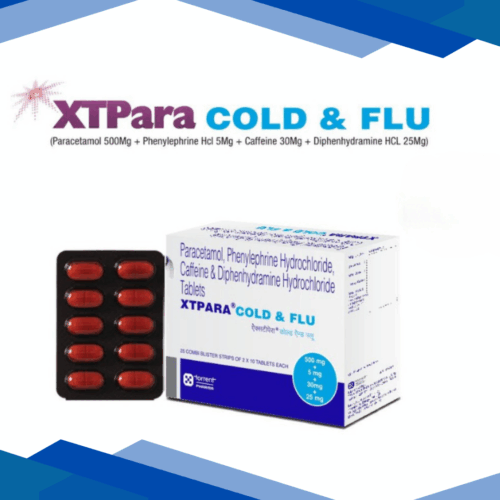
Phenylephrine Hydrochloride
Phenylephrine Hydrochloride: Relief for Nasal and Sinus Congestion That Really Works
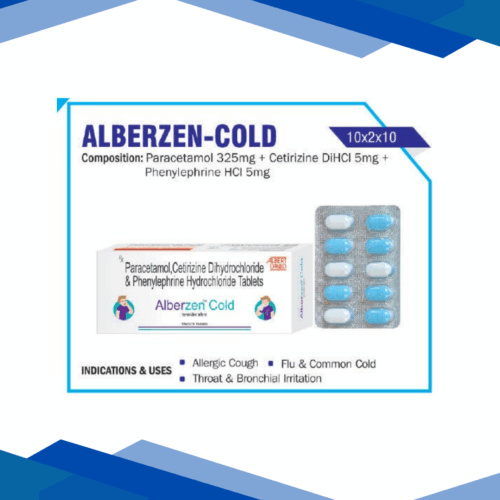
Phenylephrine hydrochloride is a strong decongestant that is used for temporary relief from the feeling of a "stuffed-up nose" that occurs with a cold, hay fever, or other upper respiratory allergies. Unlike some of the older decongestants, phenylephrine focuses on primarily reducing swelling of the nasal passages so that breathing is restored to be easy.
Measurements and Types of Use
Rhinal Decongestion: Quick clearance of blocked passages.
Sinus Pressure Relief: Reduction of heavy-pressure, painful forehead and cheek discomfort due to sinusitis.
Allergic Conditions Help: Managing the hypersensitivity reactions of allergic rhinitis (hay fever).
Ophthalmic Use: Dilating eyes to treat redness in specific concentrations.
Haemorrhoidal Relief: Shrinks swollen tissues when topically applied.
Phenylephrine Mechanism
Phenylephrine belongs to a category of drugs described as sympathomimetic amines. Specific to alpha-1 adrenergic receptors in smooth muscles of blood vessels: it is crystal clear! For instance, when one catches a cold, blood vessels in the nose dilate and become inflamed. This congests the field ready for action in a no-go area. As long as it does, phenylephrine will allow you to breathe in a stable pattern by aiming for alpha-1 adrenergic receptors in order to create tension and prevent the dilation of blood vessels. This helps to shrink the swelling and obstruct the flow of mucus, thus making it easy to resume using the gear again.
Usage and Dosage
Orally: Usually taken every 4 hours when needed. Dose not exceed six doses in one cycle, unless advised by a physician.
Nasal spray: Usually used every 4 hours. Do not use for more than 3 consecutive days to prevent "rebound congestion."
Hydration: Always make sure to drink water to thin secretions during the use of decongestants.
Phenylephrine Hydrochloride: Frequently Asked Questions (FAQs)
Q: Does Phenylephrine cause high blood pressure?
A: Yes. Since Phenylephrine narrows blood vessels (vasoconstriction), higher blood pressure might occur on a temporary basis. If you have hypertension already or some heart disease, consult your primary physician before its use.
Q: Can I take Phenylephrine at night?
A: Most people do not find that Phenylephrine causes "jitteriness" or keeps them awake. But if you're sensitive to decongestants, try taking your last dose early in the evening.
Q: Can I take this with Paracetamol or Ibuprofen?
A: Remember that a lot of the so-called "all-in-one" cold-and-flu products already contain Phenylephrine mixed with painkillers. Always look at the ingredients list for your other medications to avoid accidental double dosing.
Q: Three days with a nasal spray shouldn't hurt, right?
A: Extended nasal spray use typically results in "rhinitis medicamentosa." This refers to a condition where the nose becomes reliant on the spray, subsequently leading to a worse state of congestion once you stop it.
Q: Does it heal the cold or flu from within?
A: No, Phenylephrine is symptomatic treatment. It has mainly been designed to clear your airways and hence make you feel at ease, but it does not work to kill the infection-causing virus.
Safety and Precautions
Side EffectsFrequencyAdvice
Dizziness / HeadacheOccasionalRest, drink liquids
Nervousness / RestlessnessOccasionalReduce dose or avoid dosing at night
Increased Heart RateRareDiscontinue and consult a doctor
Stinging (Nasal Spray)CommonTemporary; normally fades within seconds.
Important Contraindications
Not to be used in patients taking MAOIs (certain drugs used to treat depression or Parkinson's disorders) or till two weeks have elapsed since they were stopped. The reason for this contraindication is an emergency hazardous hypertensive syndrome that develops due to an interaction.
Troxerutin
Zinc Oxide
Zinc Oxide Topical Cream/Ointment
Zinc oxide is a non-prescription active ingredient for skin protection and a weak antiseptic, as it is known to protect the skin by forming a physical barrier in the upper layers of the skin, thereby creating a shield. It reflects UV radiation and thereby imparts protection to the entry area against moisture and environmental irritants. With respect to its gross usage in dermatology and pediatrics, this is considered the primary treatment for diaper rash, minor burns, and severely dry and chafed skin.
Therapeutic Use
- Diaper Hood Management: Forms a protective coating against the delicate skin of an infant from moisture and waste.
- Minor Wound Care: Protects the baby from bacterial contamination of infected wounds, abrasions, and minor burns while promoting healing all naturally.
- Sun Protection: Search for an impregnable "mineral" (herbal) sunscreen that in essence blocks both UVA and UVB radiation.
- Eczema & Dermatitis: Produces relief of the itching cortical within inflamed skin patches.
- Skin Folds: Helpful intervention for prevention of intertrigo in the warm skin fold areas by keeping this dry and friction-free.
Key Product Features
- Safe on most skin types, even newborns, is inert and non-irritant.
- Waterproofs moisturizing the skin: Waterproofs against urine, sweat, and other external fluids.
- Provides a broad-spectrum environmental barrier of protection.
Applied Instructions
- Preparation: Clean dry skin with a clean washcloth, gentle soap, and warm water. Ensure skin is dry prior to applying.
- Application Technique: Apply a generous coat of cream or ointment, covering the affected area thickly for diaper rash.
- Use as needed, applied especially right before bed or whenever moisture is present for an extended period.
- Removal: Zinc oxide tends to be thick and water-resistant. Use cotton and mineral oil or baby oil to gently remove excessive thick lubricant from the skin whenever needed.
Precautions and Safety
- External Use Only: Avoid direct contact with the eyes, nose, and mouth. In case of ingestion, immediate medical assistance should be sought.
- Infection Caution: Do not use on deep, puncture wounds, or heavily infected skin without a doctor's opinion.
- Allergy Alert: Rarely, if you experience increased redness, hives or swelling, stop the application of the product, which could be a hypersensitivity response to the base ingredient (such as lanolin or petrolatum).
- Stains: White, staining the cloth due to its consistency.
Frequently Asked Questions (FAQs)
Q: Can Zinc Oxide be used on my face for acne?
Yes, it is frequently used as a "spot treatment" to dry out acne and reduce redness. But because it is considered to be thick and occlusive, it may well clog pores if used all over the face by persons having oily skin.
Q: Is it safe for newborns?
Absolutely. Zinc Oxide has been the "gold standard" in dealing with and preventing diaper rash in newborns or children. It is an active ingredient used in most diaper rash creams.
Q: How is Zinc Oxide different from chemical sunscreens?
Chemical sunscreens absorb UV rays into the skin and convert them to heat. Zinc Oxide is a "physical" blocker that sits on the skin's surface; it reflects rays like a mirror and is much less likely to cause skin irritation.
Q: Is it okay to apply on a fresh burn?
Application could not offer harm but could be very soothing for a minor first-degree burn, such as mild sunburn or shallow kitchen singe. Nevertheless, do not apply directly on broken, blistered or "weeping" second-degree burns without consulting your health adviser.
Q: Is there an expiration date?
Yes, typically. Additionally, separation of the ingredients, reduction of potency, and wearing down of protection happen over time. Always check the tube's "Use By" date for maximum efficacy.
Expert Plead for Skincare
No! Let the principle "less is more" be reduced over the years using Zinc Oxide for protection following increased moisture generation. For barrier function to be effective—especially when caring for infants—always apply a generous, visible layer as if shielding an irritant in order for it never to touch the skin.
Disclaimer: This information is intended for educational purposes and should never be substituted for professional medical advice or treatment. Always consult your dermatologist or other healthcare provider about drivers of concern.
At Gem Pharmacy, we make every effort to provide accurate, expert-written, and thoroughly reviewed information related to medicines. However, this information should not be considered a substitute for professional medical advice, diagnosis, or treatment from a qualified doctor.
The purpose of this information is to educate users and improve communication between patients and healthcare professionals. It should not be used to diagnose or treat any condition.
Always consult a certified healthcare professional before taking any medication.


Related products