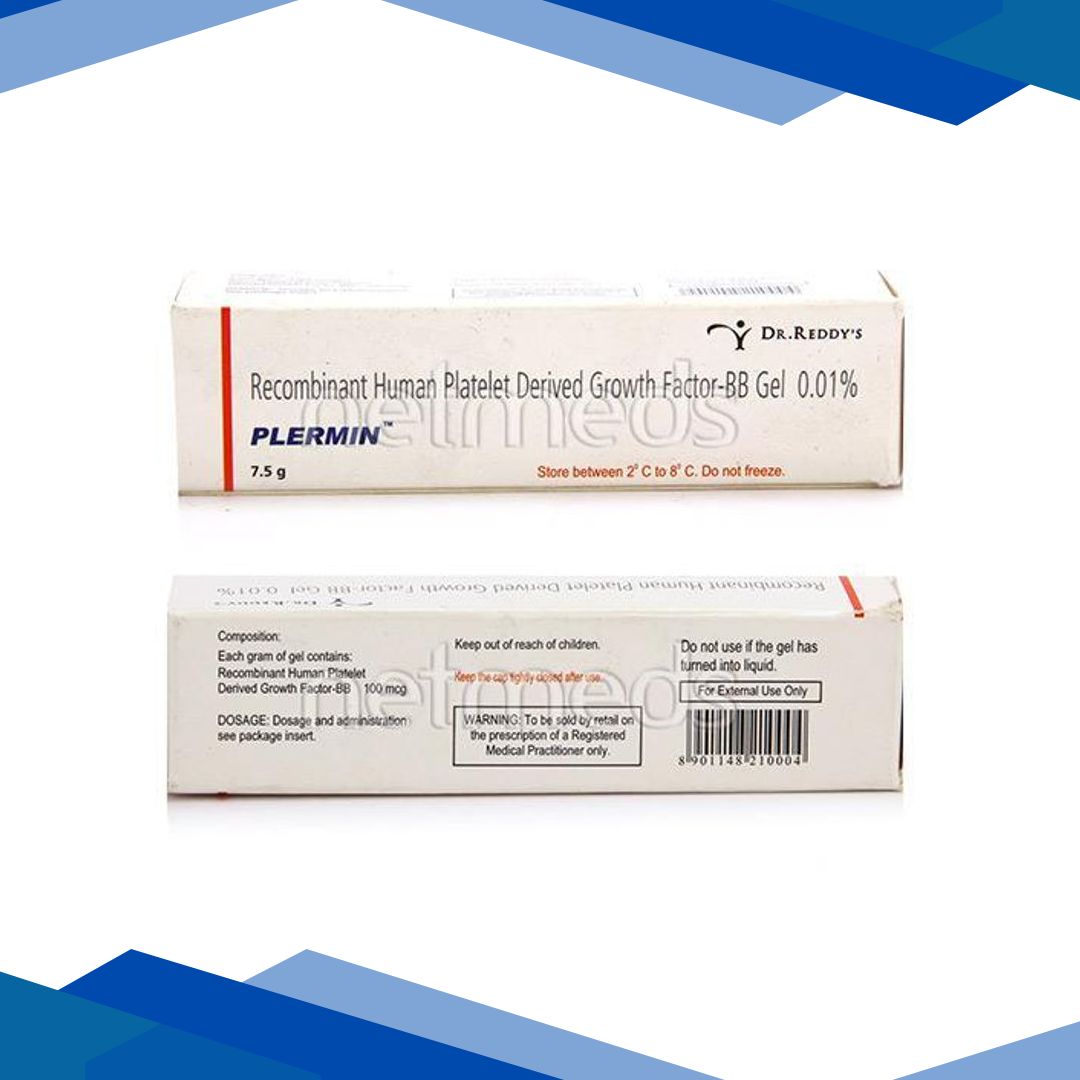
Plermin Gel 7.5gm
❌ Due to high demand, this product is currently out of stock. New stock will be available shortly.
👉 Click here to Buy Same Salt medicine
Plermin Gel is a laboratory-made form of clotting factor VIII, a protein that helps blood form clots. It is used to treat and help prevent bleeding in people with hemophilia A, a condition in which the body does not make enough factor VIII. By replacing the missing clotting factor, this medicine supports normal clot formation and can reduce bleeding episodes, including joint and muscle bleeds, and help control bleeding during surgery or after injury. It is designed to work like the natural factor VIII found in healthy blood. Because it affects blood clotting, it should be used under medical supervision to make sure treatment is safe and effective for each person.
Description
Plermin Gel is a clotting factor medicine used to help the blood clot properly in people who do not have enough factor viii, a natural protein made by the body that is essential for normal blood coagulation. in patients with hemophilia a, the body either produces very little factor viii or produces factor viii that does not work well, which can lead to prolonged bleeding, frequent bruising, joint bleeding, muscle bleeds, and bleeding after injury or surgery. this medicine replaces the missing factor viii and helps restore the blood’s ability to form a stable clot.
this medicine is a recombinant product, which means it is made using biotechnology rather than being taken from human blood. because of that, it is designed to lower the risk of transmitting infections that may be associated with some blood-derived products. it is commonly used under specialist supervision in people with hemophilia a for preventing bleeding episodes, treating active bleeding, and managing bleeding around surgeries or medical procedures. it may be used both in children and adults, depending on the specific product and clinical situation.
Plermin Gel works by increasing the level of factor viii in the bloodstream. factor viii plays a key role in the clotting cascade, where it partners with other clotting factors to help generate thrombin and form fibrin, the protein mesh that stabilizes a blood clot. when this factor is missing or deficient, clots form poorly and bleeding lasts longer than normal. by replacing factor viii, this medicine helps the body stop bleeding more effectively and reduces the frequency and severity of bleeding episodes when used as directed.
it is important to understand that Plermin Gel does not cure hemophilia a. instead, it controls the bleeding tendency associated with the condition. treatment plans are often individualized based on the severity of hemophilia, the patient’s bleeding pattern, age, weight, activity level, and whether the medicine is being used for routine prevention or for treatment of a specific bleed. in many cases, a hematologist or hemophilia treatment center will supervise therapy and teach patients or caregivers how to recognize bleeding early and when to seek urgent care.
ingredients
- Plermin Gel: this is the active clotting factor replacement ingredient. its main role is to replace deficient factor viii and support normal blood clot formation in people with hemophilia a. it helps shorten bleeding time, reduce spontaneous bleeding, and support clot stability during injury or surgery.
- stabilizing proteins and formulation components: depending on the specific brand or presentation, the product may contain additional inactive ingredients that help maintain the stability, potency, and safe delivery of the recombinant factor. these may include buffering agents, sugars, salts, or protein stabilizers used in the manufacturing process.
- solvent or diluent for reconstitution: many presentations come as a powder that must be mixed with a sterile liquid before use. the diluent itself is not therapeutic, but it is necessary to prepare the medicine correctly for injection or infusion.
- manufacturing excipients: some formulations may include trace excipients that help preserve product integrity and ensure appropriate ph or osmolarity. these ingredients do not treat hemophilia directly but are essential for product performance and safe administration.
key uses
- treatment of bleeding episodes in hemophilia a: this medicine is used to control active bleeding by replacing the missing clotting factor and helping the body form a stable clot. it may be used for nosebleeds, joint bleeds, muscle bleeds, or bleeding after minor trauma when prescribed by a clinician.
- prevention of bleeding before expected activity or procedures: it can be given before surgery, dental work, or other procedures to reduce the risk of excessive bleeding. this is particularly important because people with hemophilia a may bleed longer than normal after even small interventions.
- routine prophylaxis to reduce spontaneous bleeding: in some patients, especially those with more severe disease or frequent bleeds, regular use may be recommended to lower the number of bleeding events and help protect joints from long-term damage caused by repeated bleeding.
- management of hemophilia a in children and adults: depending on the product and clinical need, it may be used across different age groups. pediatric use is common in hemophilia care, especially to prevent joint and muscle bleeds during growth and activity.
- support during surgical or emergency care: the medicine may be part of a carefully monitored treatment plan for major injuries, emergency bleeding, or operations where rapid and effective clotting support is needed.
how to use
Plermin Gel is usually given by injection into a vein after the powder has been reconstituted with the supplied sterile diluent. it is generally administered by a healthcare professional, but some patients or caregivers may be trained to prepare and infuse it at home for ongoing hemophilia management. the exact product-specific instructions should always be followed carefully, because handling, mixing, and infusion methods can vary. using clean technique is very important to reduce contamination risk and to preserve the activity of the medicine.
before administration, the medicine is typically inspected to ensure the solution is clear and free from particles or discoloration. it should be mixed gently as instructed, not shaken vigorously, because rough handling can damage the protein. the infusion is usually given at a rate recommended by the prescriber or product instructions. treatment timing depends on the reason for use: it may be used at the first sign of bleeding, before a procedure, or on a regular preventive schedule for prophylaxis. patients should be taught to recognize early signs of bleeding, such as joint warmth, pain, swelling, stiffness, or unexplained bruising, so treatment can begin promptly when needed.
because factor replacement therapy is individualized, routine monitoring may be needed to assess bleeding control and confirm that the expected factor levels are being achieved. some patients may develop inhibitors, which are antibodies that reduce the medicine’s effectiveness. if bleeding does not improve as expected, a healthcare professional should be contacted promptly. this medicine should never be shared with others, and any unused portion or improperly prepared solution should be discarded according to clinical instructions.
safety information
- warnings: Plermin Gel should be used only under medical supervision in people diagnosed with hemophilia a or another approved indication. a major warning is the possible development of inhibitors against factor viii, which can make treatment less effective and increase bleeding risk. any unexpected bleeding, poor response to treatment, chest pain, shortness of breath, rash, or swelling should be reported immediately. rare but serious allergic reactions can occur, including anaphylaxis, which is a medical emergency.
- side effects: common side effects may include headache, fever, nausea, vomiting, fatigue, dizziness, flushing, or mild infusion-related reactions. injection site discomfort can also occur. more serious side effects may include hypersensitivity reactions, wheezing, hives, swelling of the face or throat, rapid heartbeat, chest discomfort, and the formation of factor viii inhibitors. in rare cases, clotting complications may occur, especially in patients with additional risk factors, so any unusual leg swelling, sudden shortness of breath, or chest pain requires urgent evaluation.
- precautions: people with a history of allergy to factor viii products or any component of the formulation need careful assessment before use. patients with known inhibitors may require different treatment strategies. extra caution is needed in those with liver disease, recent surgery, cardiovascular disease, or a history of thrombosis, because clotting factor replacement can sometimes alter the balance between bleeding and clotting. this medicine should be used with specialist guidance in pregnancy, pediatrics, and perioperative settings.
- pregnancy/breastfeeding: safety data are limited, but factor replacement is sometimes necessary during pregnancy, delivery, or breastfeeding in patients with hemophilia-related conditions or carriers who are bleeding. use only if clearly needed and guided by a qualified clinician. the potential benefit of preventing dangerous bleeding may outweigh theoretical risks, but individual assessment is essential.
- interactions: drug interactions are usually not prominent in the same way as with many oral medicines, but other agents that affect clotting can change bleeding risk. anticoagulants, antiplatelet medicines, and certain pain relievers may increase bleeding tendency or complicate management. alcohol can also raise the risk of injury and bleeding, especially if it contributes to falls or poor judgment. always inform the treating clinician about all prescription medicines, over-the-counter products, supplements, and herbal remedies.
additional information
- storage: store the product exactly as directed on the package insert or by the pharmacy, usually in a refrigerator or at controlled room temperature depending on the brand. do not freeze unless specifically allowed, and protect from excess heat and light. keep the product in its original carton if recommended. once reconstituted, it should be used within the time window specified for that product and should not be stored indefinitely.
- missed dose: if a scheduled preventive dose is missed, contact the healthcare provider or hemophilia team for advice. the timing of the next dose may depend on the reason for treatment and how much time has passed. do not double the dose unless specifically instructed by a medical professional. if the medicine is being used to treat an active bleed, delayed treatment may allow the bleeding to worsen, so prompt medical advice is important.
- overdose: too much factor viii may increase the risk of clotting complications, although accidental overdose is uncommon when used correctly. symptoms of possible clotting problems can include chest pain, sudden shortness of breath, one-sided swelling or pain, or sudden neurologic symptoms. if an overdose is suspected, seek urgent medical advice or emergency care immediately.
- habit forming: no. Plermin Gel is not habit forming and does not cause dependence. it is a replacement therapy used to correct a clotting factor deficiency rather than a medicine that affects the brain’s reward system.
frequently asked questions
Q: what is Plermin Gel used for?
A: it is used to replace missing factor viii in people with hemophilia a. this helps control bleeding, prevent bleeding before procedures, and reduce spontaneous bleeding when used as prescribed.
Q: does Plermin Gel cure hemophilia a?
A: no. it does not cure hemophilia a. it replaces the missing clotting factor temporarily so blood can clot more normally and bleeding can be controlled.
Q: how is Plermin Gel given?
A: it is usually prepared by mixing the powder with a sterile diluent and then given into a vein. some patients are trained to self-infuse or have a caregiver administer it at home.
Q: can i use this medicine for any type of bleeding?
A: no. it is specifically intended for bleeding related to factor viii deficiency, most commonly hemophilia a. other types of bleeding may need different treatment.
Q: what should i do if the medicine does not seem to work?
A: if bleeding does not improve as expected, contact a healthcare professional promptly. this may indicate an inhibitor, incorrect administration, or a bleeding situation that needs urgent medical care.
Q: are allergic reactions possible with this medicine?
A: yes. although not common, allergic reactions can occur. seek emergency help if you develop hives, swelling, difficulty breathing, or sudden dizziness after use.
Q: can children use Plermin Gel?
A: yes, it is commonly used in pediatric hemophilia care when prescribed by a specialist. the treatment plan is adjusted according to the child’s needs and clinical response.
Q: do i need routine follow-up while using this medicine?
A: yes. regular follow-up is important to monitor bleeding control, detect inhibitors, and adjust treatment if needed. hemophilia care is often managed by a specialized team.
Q: can i mix this medicine with other injections or iv fluids?
A: it should only be mixed or given exactly as directed for that specific product. do not combine it with other medicines unless a healthcare professional confirms it is safe and appropriate.
Q: what are inhibitors in hemophilia treatment?
A: inhibitors are antibodies that the body may develop against factor viii, which can make the medicine less effective. they are an important reason for regular monitoring in hemophilia care.
Q: is this medicine the same as blood plasma-derived factor viii?
A: no. Plermin Gel is made using recombinant biotechnology rather than being derived from human plasma, which helps reduce certain infection-related concerns.
Q: should i still see a doctor if the bleeding seems minor?
A: yes, especially if you have hemophilia a. even minor bleeding can become serious if not treated correctly, and a healthcare professional can advise whether factor replacement is needed.
this information is for educational purposes only and should not be considered medical advice. always consult a qualified healthcare professional before use.
At Gem Pharmacy, we make every effort to provide accurate, expert-written, and thoroughly reviewed information related to medicines. However, this information should not be considered a substitute for professional medical advice, diagnosis, or treatment from a qualified doctor.
The purpose of this information is to educate users and improve communication between patients and healthcare professionals. It should not be used to diagnose or treat any condition.
Always consult a certified healthcare professional before taking any medication.


Related products