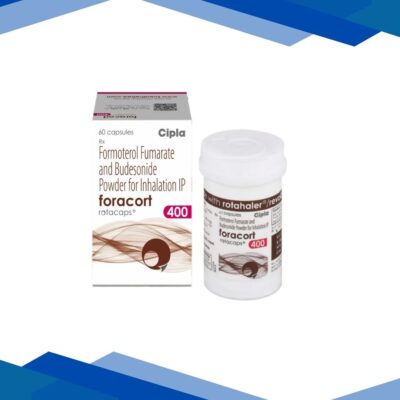
PULMOSMART Pulmules 5X2ml
❌ Due to high demand, this product is currently out of stock. New stock will be available shortly.
👉 Click here to Buy Same Salt medicine
PULMOSMART Pulmules is a combination medicine used to help manage breathing problems caused by asthma and chronic obstructive pulmonary disease (COPD). Budesonide is a corticosteroid that reduces swelling and irritation in the airways, while formoterol is a long-acting bronchodilator that helps relax the muscles around the airways so breathing becomes easier. Together, they work to improve airflow, reduce wheezing, coughing, and shortness of breath, and help prevent symptoms from coming back. This medicine is commonly used as a regular treatment in people who need better control of their lung condition. It is not meant for sudden, severe breathing attacks unless a doctor has specifically advised it. Use only as directed by a healthcare professional.
Description
PULMOSMART Pulmules is a widely used inhaled medicine that combines two different drugs in one inhaler to help manage certain chronic breathing problems, especially asthma and chronic obstructive pulmonary disease (copd). it is designed for people who need both long-term control of airway inflammation and quick relaxation of tightened airways. because it contains two complementary ingredients, it can reduce symptoms such as wheezing, chest tightness, shortness of breath, and cough while also helping prevent future flare-ups when used regularly as directed by a healthcare professional.
the first component, budesonide, is an inhaled corticosteroid. it works by reducing inflammation and swelling inside the airways, which makes the breathing tubes less sensitive to triggers such as dust, smoke, allergens, exercise, or infections. the second component, formoterol, is a long-acting bronchodilator that relaxes the muscles around the airways, allowing them to open more easily so air can move in and out of the lungs. together, these medicines help improve daily breathing control and reduce the frequency of symptoms.
this medicine is not usually intended for sudden, severe breathing attacks unless specifically advised by a doctor in a treatment plan that allows for such use. it is more often used as a maintenance or controller medicine for people whose symptoms are not adequately controlled with a single inhaled medicine. some patients use it on a regular schedule, while in certain treatment approaches it may also be used as both maintenance and relief therapy, depending on the prescribed inhaler type and medical guidance. proper diagnosis, correct inhaler technique, and regular follow-up are important for getting the best benefit and avoiding misuse.
PULMOSMART Pulmules is commonly prescribed for adults and, in some cases, children or adolescents depending on the strength and local prescribing guidance. it is especially helpful for patients who have recurring symptoms, night-time breathing problems, or a history of exacerbations. however, the choice to use it should always be based on an individual’s age, condition severity, other medications, and overall medical history.
ingredients
- budesonide: this is an inhaled corticosteroid that lowers inflammation in the airways. by reducing swelling, mucus production, and airway sensitivity, it helps prevent asthma or copd symptoms from becoming frequent or severe. its main benefit is long-term control rather than immediate relief.
- formoterol: this is a long-acting beta-agonist bronchodilator that relaxes the smooth muscles around the airways. it helps open the air passages, making breathing easier and reducing tightness and wheezing. its effect lasts longer than short-acting relievers, supporting sustained symptom control.
- inhalation delivery components: depending on the product form, the inhaler device itself is an important part of the medicine. it helps deliver the active ingredients directly into the lungs, which improves local action and reduces exposure compared with many oral medicines.
key uses
- asthma control: used to help reduce day-to-day asthma symptoms and prevent attacks by treating both airway inflammation and bronchospasm. it is often chosen when a single controller inhaler is not enough.
- prevention of asthma flare-ups: regular use may lower the chance of worsening symptoms, emergency visits, and the need for rescue medicines when asthma is not well controlled.
- copd symptom management: in appropriate patients with chronic obstructive pulmonary disease, it may help improve breathing, reduce breathlessness, and support better lung function over time.
- reduction of wheezing and chest tightness: by combining anti-inflammatory and bronchodilator actions, it can lessen common obstructive airway symptoms that interfere with sleep, activity, and daily life.
- maintenance therapy: it is used to provide ongoing control in people who need consistent treatment rather than occasional relief only.
- improved exercise and activity tolerance: better airway opening and reduced inflammation may help some patients perform routine physical activities with less breathlessness, when used as prescribed.
how to use
PULMOSMART Pulmules should be used exactly as prescribed by a healthcare professional, because the correct inhaler technique is essential for the medicine to reach the lungs effectively. it is usually inhaled through the mouth, and many patients are instructed to use it at regular times each day for control of chronic airway disease. some treatment plans may also direct use during worsening symptoms, but the exact role of the medicine depends on the condition being treated and the specific inhaler formulation. do not change how often you use it unless your clinician tells you to do so.
before inhaling, the device may require priming, shaking, loading, or preparation steps depending on the product type. it is important to breathe out gently first, seal the lips around the mouthpiece, inhale deeply and steadily as instructed, and then hold the breath for a short time if possible. after use, many patients are advised to rinse the mouth and spit out the water to help reduce the risk of oral fungal infection and throat irritation. if a rescue inhaler has also been prescribed separately, keep it available for sudden severe symptoms unless your healthcare professional has given a different plan.
regular use is important even when symptoms feel controlled, because the anti-inflammatory component works best over time. missing doses or using the inhaler incorrectly can reduce its effectiveness. if you are unsure whether your inhaler is the right one, how to prime it, or whether it is empty, ask a pharmacist or clinician for hands-on demonstration. using a spacer may be recommended for some inhaler types, but not all device designs are compatible with spacers.
safety information
- warnings: this medicine should not be used as the only treatment for sudden, severe asthma symptoms unless a doctor has provided a specific action plan that allows it. overuse of the formoterol component or sudden stopping of corticosteroid therapy can be harmful. people with worsening breathing, increasing need for relief inhalers, or signs of an asthma attack should seek medical attention promptly. because inhaled steroids can affect the mouth and throat, proper technique and mouth rinsing are important.
- side effects: common side effects may include throat irritation, hoarseness, cough after inhalation, headache, tremor, palpitations, dry mouth, or mild hoarseness. some people may develop oral thrush, which appears as white patches or soreness in the mouth. serious side effects, although less common, can include severe allergic reactions, chest pain, irregular heartbeat, paradoxical bronchospasm (sudden worsening of breathing right after inhalation), low potassium, high blood sugar, and signs of adrenal suppression with long-term excessive use. any severe breathing difficulty or swelling of the face, lips, or tongue requires urgent help.
- precautions: use caution in people with heart rhythm problems, high blood pressure, seizure disorders, diabetes, thyroid disease, glaucoma, cataracts, osteoporosis, liver disease, or a history of tuberculosis or other lung infections. extra monitoring may be needed in patients who are using multiple inhaled or oral steroids. children and older adults may need closer follow-up due to sensitivity to side effects and inhaler technique challenges. if symptoms are not improving or are getting worse, medical reassessment is important.
- pregnancy/breastfeeding: this medicine should be used during pregnancy only if the expected benefit outweighs possible risk, and the treatment plan should be reviewed by a healthcare professional. uncontrolled asthma or copd can also be harmful during pregnancy, so treatment decisions must balance both mother and baby’s safety. during breastfeeding, small amounts may pass into milk, so a clinician should decide whether it is appropriate based on the mother’s condition and infant risk.
- interactions: the risk of side effects may increase with other medicines that affect heart rhythm, potassium levels, or the airway. important interactions can occur with beta-blockers, certain antidepressants, some antifungal or antibiotic medicines, other corticosteroids, diuretics, and monoamine oxidase inhibitors or tricyclic antidepressants. alcohol may worsen dizziness or dehydration in some patients and can make symptom control less predictable. always tell your healthcare professional about all prescription drugs, over-the-counter medicines, and herbal supplements you use.
additional information
- storage: store the inhaler in a cool, dry place away from direct heat, moisture, and sunlight. keep it in the original packaging if instructed, and do not store it in bathrooms or in very hot cars. follow the specific storage instructions on the package insert, because inhaler devices may differ.
- missed dose: if a dose is missed, take it when remembered unless it is almost time for the next scheduled dose. do not double up doses to make up for a missed one unless your clinician has specifically advised such a plan. if missed doses happen often, speak with a healthcare professional about improving adherence.
- overdose: using too much may cause tremor, fast heartbeat, chest discomfort, headache, nervousness, muscle cramps, low potassium, or worsening breathing in severe cases. overdose may be especially risky because the medicine contains both a steroid and a long-acting bronchodilator. if overdose is suspected, seek emergency help or contact poison control immediately, especially if there is chest pain, fainting, severe palpitations, or trouble breathing.
- habit forming: no. PULMOSMART Pulmules is not considered habit forming or addictive. however, some patients may become overly dependent on it if they use it incorrectly as their only rescue medicine, which is why proper guidance on maintenance versus rescue use is important.
frequently asked questions
Q: what is PULMOSMART Pulmules used for?
A: PULMOSMART Pulmules is mainly used for long-term control of asthma and, in appropriate patients, copd. it helps reduce inflammation in the airways and keeps them open so breathing is easier and flare-ups are less frequent.
Q: can i use PULMOSMART Pulmules for sudden breathing trouble?
A: it depends on the treatment plan and the exact inhaler prescribed. in many cases, it is a maintenance medicine rather than a quick rescue inhaler. if you have sudden severe symptoms, follow your emergency asthma or copd action plan and seek medical help if needed.
Q: why should i rinse my mouth after using this inhaler?
A: rinsing and spitting after use helps reduce the chance of oral thrush and throat irritation caused by the inhaled corticosteroid component. this is a simple but important step for safer use.
Q: what should i do if i feel shaky or notice palpitations?
A: mild shakiness or a fast heartbeat can happen with the formoterol component, especially if the dose is too high or the inhaler is used too often. if symptoms are mild, mention them to your clinician. if they are severe, persistent, or associated with chest pain, seek urgent medical attention.
Q: does this medicine replace my other inhalers?
A: not always. some patients still need a separate rescue inhaler or other medicines depending on their diagnosis and treatment plan. do not stop or replace any inhaler without checking with your healthcare professional.
Q: can children use PULMOSMART Pulmules?
A: in some cases, yes, but only when a clinician determines that it is appropriate for the child’s age, condition, and inhaler device. pediatric use requires careful instruction, dose selection, and follow-up.
Q: what if i keep needing the inhaler more often than usual?
A: needing it more frequently can mean your condition is not well controlled or may be worsening. you should contact a healthcare professional promptly for review, because frequent use may signal the need for treatment adjustment.
Q: is PULMOSMART Pulmules safe for people with heart problems?
A: it may be used with caution in some people, but heart rhythm issues, rapid pulse, or high blood pressure can require extra monitoring. always inform your clinician about any heart disease before using this medicine.
Q: can i stop using it when i feel better?
A: do not stop suddenly without medical advice. even if symptoms improve, the medicine may be controlling inflammation in the background, and stopping could increase the risk of flare-ups.
Q: what happens if i do not use the inhaler correctly?
A: incorrect technique can cause less medicine to reach the lungs, which reduces benefit and may make symptoms seem uncontrolled. if you are uncertain about technique, ask a pharmacist or clinician for a demonstration.
this information is for educational purposes only and should not be considered medical advice. always consult a qualified healthcare professional before use.
At Gem Pharmacy, we make every effort to provide accurate, expert-written, and thoroughly reviewed information related to medicines. However, this information should not be considered a substitute for professional medical advice, diagnosis, or treatment from a qualified doctor.
The purpose of this information is to educate users and improve communication between patients and healthcare professionals. It should not be used to diagnose or treat any condition.
Always consult a certified healthcare professional before taking any medication.


Related products
Budecort 0.5mg 2ml Pack Of 5 Respules
Digihaler FB 400mcg Inhaler 120Md