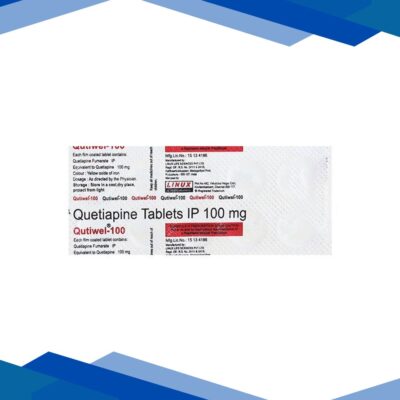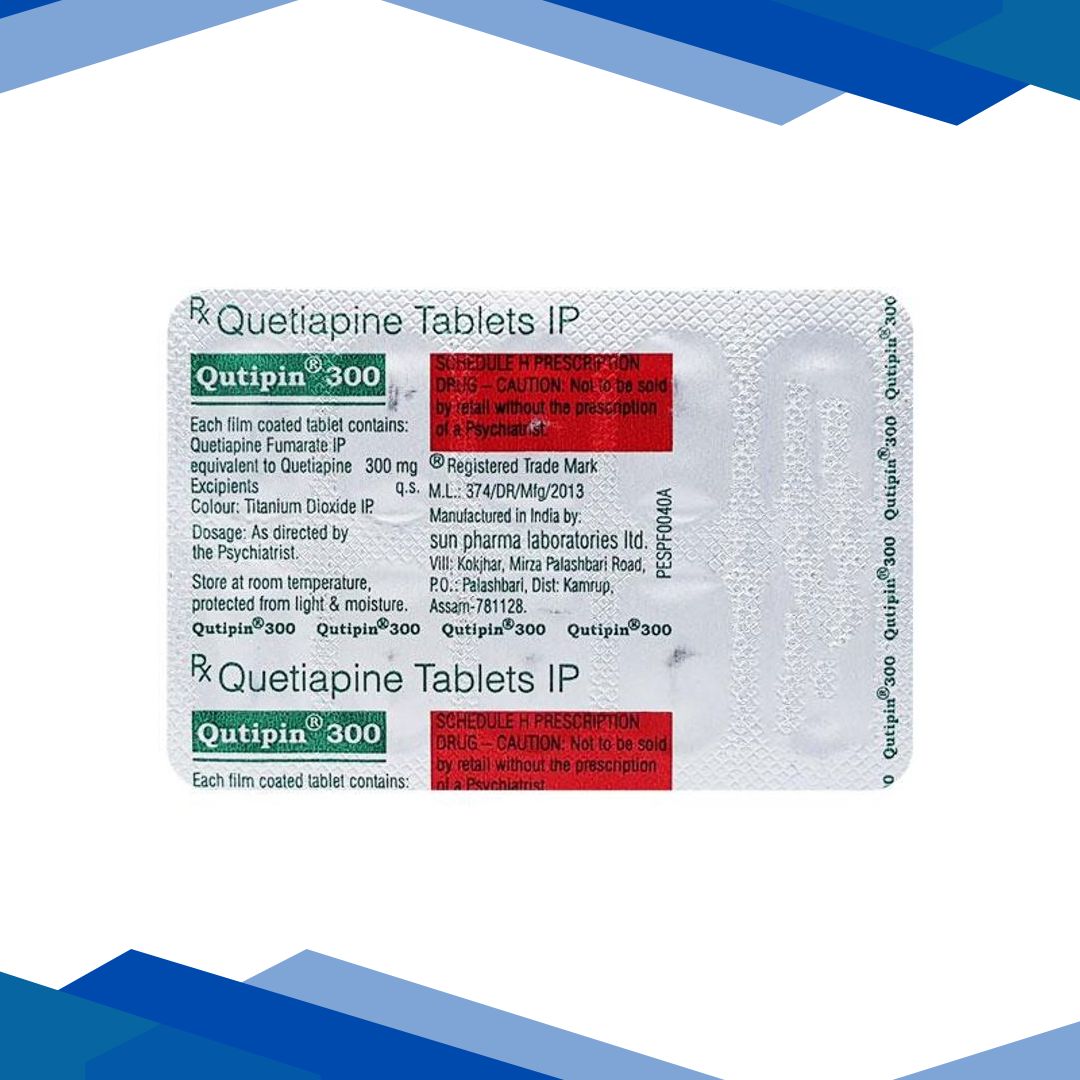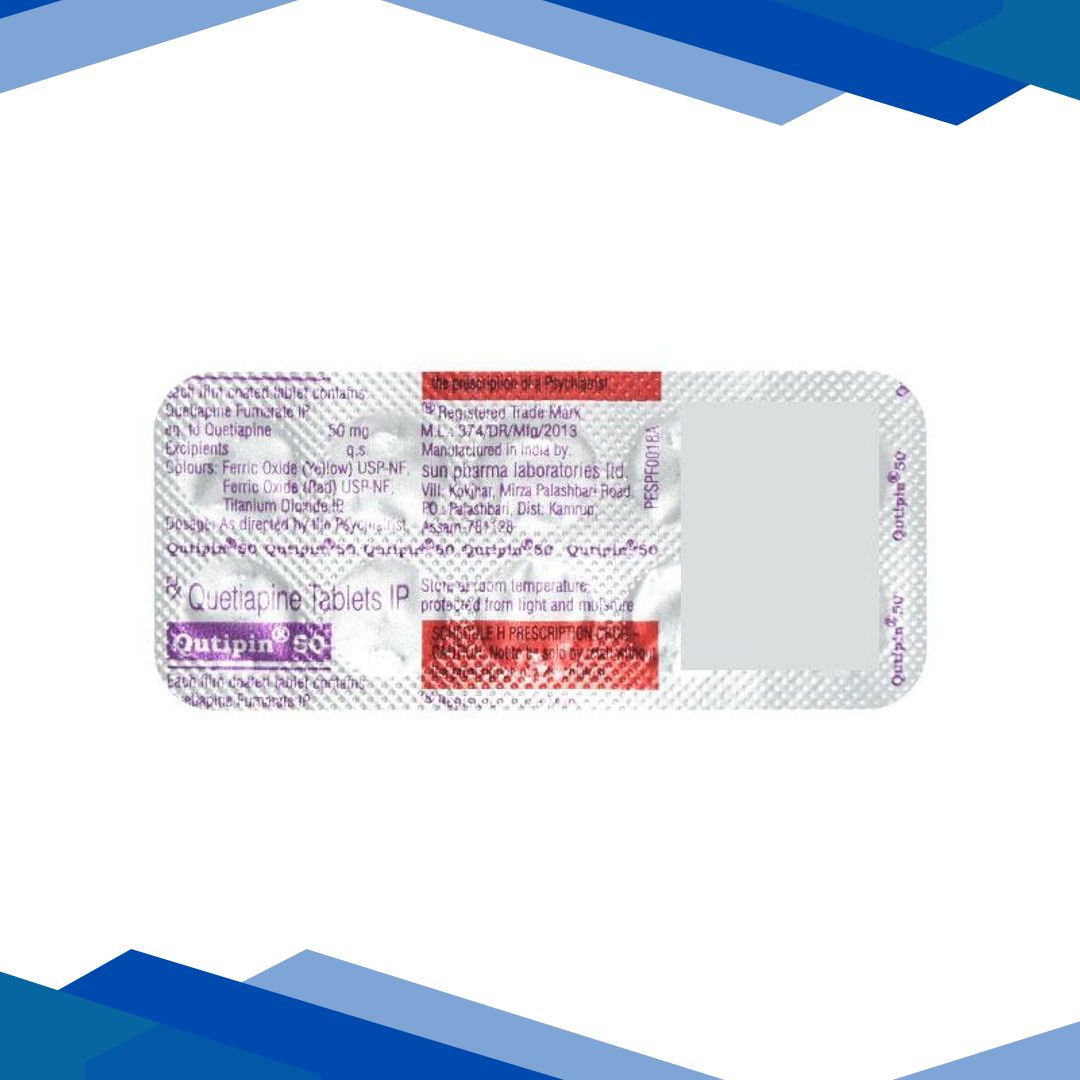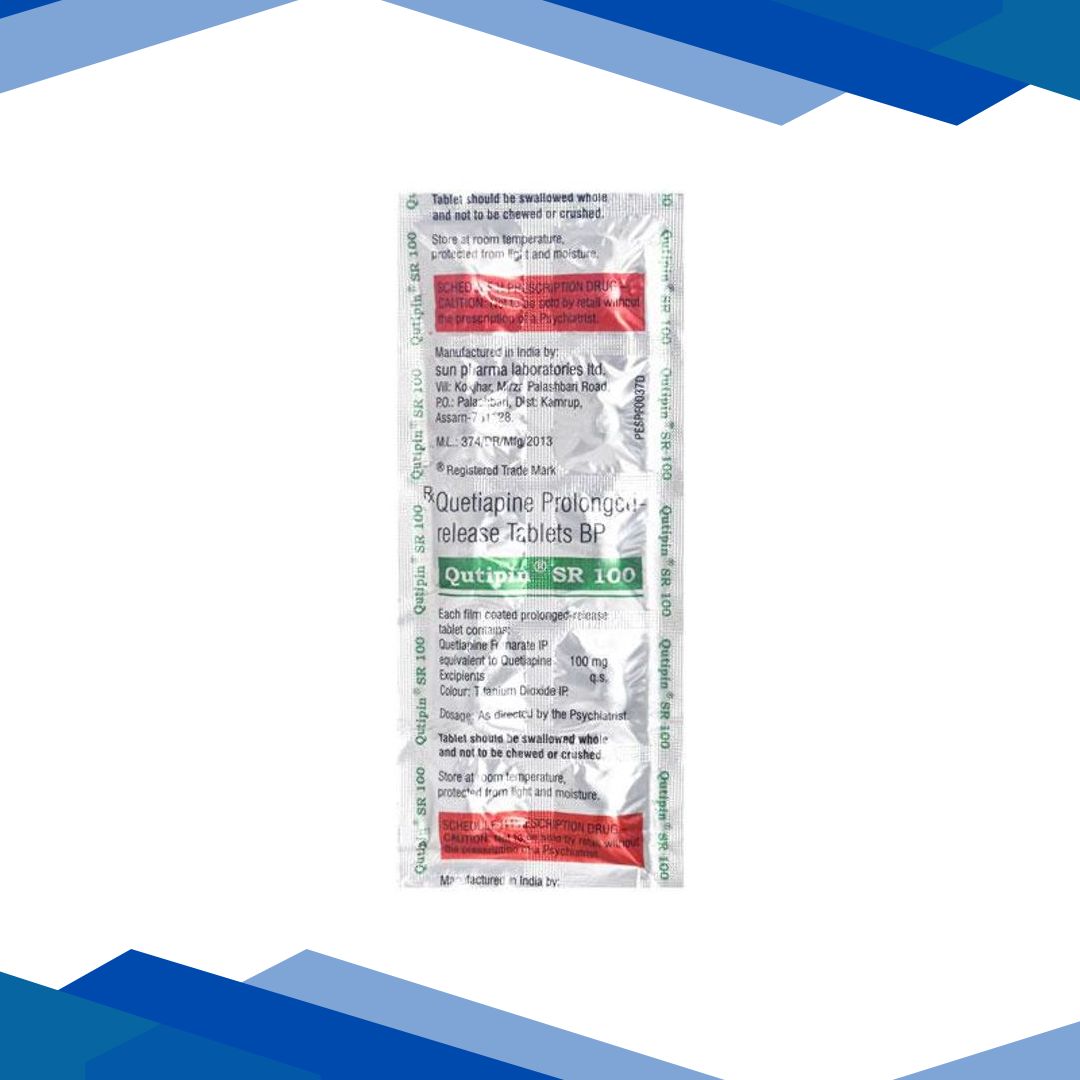
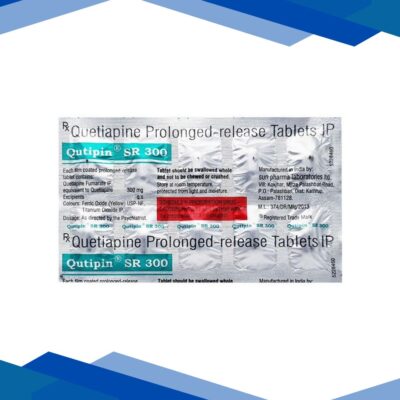
Qutipin SR 100mg Tablet 10’S
Qutipin SR 100mg Tablet is an antipsychotic medicine used to help manage certain mental health conditions. It works by affecting natural chemicals in the brain, especially dopamine and serotonin, which can help improve mood, thinking, and behavior. Qutipin SR 100mg Tablet is commonly prescribed for schizophrenia, bipolar disorder, and in some cases as an add-on treatment for depression. It may help reduce symptoms such as hallucinations, confusion, severe mood swings, agitation, and sleep problems linked to these conditions. Like all medicines in this class, it should be used under medical supervision because the effects and side effects can vary from person to person. Qutipin SR 100mg Tablet does not cure mental illness, but it can be an important part of a treatment plan to improve daily functioning and overall quality of life.
Description
Qutipin SR 100mg Tablet is a prescription medicine used in mental health care to help manage conditions that affect mood, thinking, behavior, and perception. it belongs to a group of medicines called atypical antipsychotics, which are commonly used because they can help balance certain brain chemicals in a way that may reduce symptoms such as hallucinations, delusions, severe mood swings, agitation, and disturbed thinking. Qutipin SR 100mg Tablet is widely used under medical supervision because it can be effective for both psychotic symptoms and mood-related symptoms, depending on the condition being treated.
it works mainly by changing the activity of neurotransmitters in the brain, especially dopamine and serotonin. dopamine is involved in thought, motivation, and perception, while serotonin affects mood, sleep, appetite, and emotional regulation. by influencing these chemical pathways, Qutipin SR 100mg Tablet may help reduce symptoms such as intense sadness, elevated mood, confusion, suspiciousness, and sleep disturbance. its effects can vary depending on the dose and the specific diagnosis, which is why it should always be used only as directed by a healthcare professional.
this medicine may be prescribed for people with schizophrenia, bipolar disorder, and in some cases as an add-on treatment for major depressive disorder when other treatments have not been enough. it may also be used for other approved or medically accepted purposes depending on local prescribing guidelines and the patient’s condition. because Qutipin SR 100mg Tablet can cause sedation, dizziness, metabolic changes, and other side effects, careful monitoring is often needed, especially when treatment is started or adjusted.
in many patients, Qutipin SR 100mg Tablet is valued because it can help stabilize symptoms without causing some of the movement-related side effects seen with older antipsychotic medicines, although those risks are not completely absent. the medicine should be taken exactly as prescribed, and any unusual mood changes, severe drowsiness, fainting, or muscle stiffness should be reported promptly. a healthcare professional can determine whether Qutipin SR 100mg Tablet is appropriate, how it should be used, and what monitoring is needed over time.
ingredients
- Qutipin SR 100mg Tablet: this is the active medicinal ingredient and the component responsible for the drug’s therapeutic effects. it helps regulate dopamine and serotonin signaling in the brain, which may reduce psychotic symptoms, calm mood instability, and improve overall psychiatric stability. the exact effect depends on the condition being treated and the dosage form prescribed by a clinician.
- inactive ingredients/excipients: depending on the manufacturer and tablet form, Qutipin SR 100mg Tablet products may also contain inactive ingredients such as fillers, binders, disintegrants, film-coating materials, and coloring agents. these ingredients do not treat the condition directly, but they help form the tablet, support stability, improve swallowing, and maintain consistent drug delivery.
- controlled-release or immediate-release tablet components: some formulations are designed to release the medicine gradually, while others release it more quickly. these formulation components affect how the medicine is absorbed and how long its effects last, which is why the same medicine can be prescribed in different forms for different treatment goals.
key uses
- schizophrenia: Qutipin SR 100mg Tablet is used to help manage symptoms such as hallucinations, delusions, disorganized thinking, and social withdrawal. it may support clearer thinking and reduce relapse risk when taken consistently under supervision.
- bipolar disorder: it may be used to treat manic episodes, depressive episodes, or to help maintain mood stability over time. in bipolar disorder, the medicine may reduce extreme mood swings and improve daily functioning.
- major depressive disorder (adjunct use): in some patients, Qutipin SR 100mg Tablet may be added to another antidepressant when depression has not responded adequately to standard therapy. this use is intended to improve symptom control, not replace comprehensive treatment.
- acute agitation or severe behavioral symptoms in select cases: a healthcare professional may sometimes use it to help calm severe agitation related to a psychiatric disorder. this is based on clinical judgment and should never be self-directed.
- sleep-related improvement in psychiatric illness: because Qutipin SR 100mg Tablet can be sedating, it may improve sleep in people whose insomnia is linked to an underlying psychiatric condition. however, it should not be used casually as a sleep medicine without medical advice.
how to use
Qutipin SR 100mg Tablet should be taken exactly as prescribed by the healthcare professional. it may be taken with or without food, but it is important to follow the same routine each day to help maintain consistent levels in the body. some forms are taken once daily, while others may be taken more than once daily, depending on the specific formulation and treatment plan. do not crush, split, or chew modified-release tablets unless a clinician or pharmacist specifically says it is safe to do so, because altering the tablet may change how the medicine is absorbed.
many people are advised to take Qutipin SR 100mg Tablet at bedtime or when they can rest, especially because it can cause drowsiness and dizziness. when starting treatment, standing up slowly from sitting or lying positions can help reduce the chance of lightheadedness or fainting. alcohol should be avoided unless a healthcare professional says otherwise, because it can significantly worsen sedation and impair judgment. if the medicine causes excessive sleepiness, blurred vision, or difficulty concentrating, driving and operating machinery should be avoided until the effects are known.
it is very important not to stop Qutipin SR 100mg Tablet suddenly without medical guidance, even if symptoms improve, because abrupt discontinuation may cause withdrawal symptoms or a return of psychiatric symptoms. if a dose adjustment is needed, it should usually be done gradually under supervision. patients should keep all follow-up appointments so that the prescriber can monitor response, side effects, weight, blood pressure, blood sugar, and other safety parameters.
safety information
- warnings: Qutipin SR 100mg Tablet can cause significant sleepiness, dizziness, low blood pressure when standing, and impaired alertness, especially early in treatment. it may also increase blood sugar, cholesterol, and body weight in some patients. rare but serious risks include neuroleptic malignant syndrome, severe allergic reactions, abnormal heart rhythm, tardive dyskinesia, and increased risk of suicidal thoughts in certain younger patients treated for depression. any chest pain, fainting, severe weakness, high fever, muscle rigidity, or sudden changes in behavior requires urgent medical attention.
- side effects: common side effects include drowsiness, dry mouth, constipation, dizziness, fatigue, increased appetite, weight gain, and feeling faint or unsteady. some people may notice blurred vision, headache, faster heartbeat, or swelling. serious side effects can include severe low blood pressure, significant changes in blood sugar, seizures, difficulty swallowing, uncontrollable muscle movements, or symptoms of infection such as fever and sore throat that may suggest changes in blood cell counts.
- precautions: use caution in people with heart disease, diabetes, high cholesterol, seizure disorders, liver problems, low blood pressure, or a history of stroke. older adults with dementia-related psychosis should generally avoid antipsychotic medicines unless specifically directed by a specialist, because of increased risk of serious complications. children and adolescents may need closer monitoring for weight gain, metabolic effects, and mood changes. people with a history of substance misuse should also discuss all risks openly with their clinician.
- pregnancy/breastfeeding: Qutipin SR 100mg Tablet should only be used during pregnancy if the expected benefit clearly outweighs the potential risk, and the decision should be made with a healthcare professional. newborns exposed to antipsychotic medicines late in pregnancy may sometimes have temporary symptoms such as tremor, agitation, feeding problems, or muscle stiffness. Qutipin SR 100mg Tablet can pass into breast milk, so breastfeeding should be discussed with a doctor to weigh potential benefits and risks.
- interactions: Qutipin SR 100mg Tablet can interact with alcohol, sleeping pills, opioid pain medicines, anti-anxiety medicines, and other drugs that cause sedation, increasing the risk of extreme drowsiness and breathing problems. certain medicines that affect liver enzymes may increase or decrease Qutipin SR 100mg Tablet levels, which can change how well it works or how many side effects occur. caution is also needed with blood pressure medicines, medications that affect heart rhythm, and other psychiatric medicines. always tell the prescriber and pharmacist about all prescription drugs, over-the-counter products, herbal supplements, and recreational substances being used.
additional information
- storage: store Qutipin SR 100mg Tablet at room temperature in a dry place away from excess heat, moisture, and direct sunlight. keep it in the original container, tightly closed, and out of reach of children and pets. do not store it in a bathroom unless the product labeling specifically allows it.
- missed dose: if a dose is missed, take it as soon as remembered unless it is almost time for the next dose. if the next dose is near, skip the missed dose and continue the regular schedule. do not take two doses at once to make up for a missed dose, because that may raise the risk of side effects such as severe drowsiness or low blood pressure.
- overdose: overdose may cause extreme sleepiness, rapid heartbeat, low blood pressure, confusion, fainting, abnormal movements, or loss of consciousness. severe overdose can be dangerous and requires immediate medical help. if an overdose is suspected, call emergency services or poison control right away, even if symptoms seem mild at first.
- habit forming: Qutipin SR 100mg Tablet is not considered habit-forming in the way addictive drugs are, but some people may rely on its sedating effect or feel uncomfortable when stopping it suddenly. this is why it should be used only as prescribed and not for self-medication or non-medical sleep use.
frequently asked questions
Q: what is Qutipin SR 100mg Tablet used for?
A: Qutipin SR 100mg Tablet is commonly used for schizophrenia, bipolar disorder, and in some cases as an add-on treatment for major depressive disorder. a healthcare professional decides whether it is appropriate based on the patient’s symptoms and medical history.
Q: does Qutipin SR 100mg Tablet make you sleepy?
A: yes, drowsiness is one of the most common effects of Qutipin SR 100mg Tablet. some people feel sleepy enough that they prefer taking it at night, but timing should always follow the prescriber’s instructions.
Q: can Qutipin SR 100mg Tablet be taken with food?
A: it may usually be taken with or without food, depending on the specific formulation. taking it consistently the same way each day can help make its effects more predictable.
Q: should Qutipin SR 100mg Tablet be stopped suddenly?
A: no, it should generally not be stopped suddenly without medical advice. abrupt discontinuation may cause withdrawal symptoms or worsen the underlying condition.
Q: can Qutipin SR 100mg Tablet cause weight gain?
A: yes, weight gain can occur in some patients, along with increased appetite and changes in blood sugar or cholesterol. regular monitoring and healthy lifestyle habits may help reduce these risks.
Q: is Qutipin SR 100mg Tablet safe during pregnancy?
A: it may be used in pregnancy only when the potential benefit outweighs the risk. a doctor should be consulted before starting or continuing it during pregnancy.
Q: can i drink alcohol while taking Qutipin SR 100mg Tablet?
A: alcohol is generally not recommended because it can increase drowsiness, dizziness, and poor coordination. it may also make side effects more dangerous.
Q: what should i do if i miss a dose?
A: take it when remembered unless it is close to the next dose. if the next dose is near, skip the missed dose and continue with the usual schedule. do not double the dose.
Q: can Qutipin SR 100mg Tablet affect blood sugar?
A: yes, it can increase blood sugar in some people and may worsen diabetes or raise the risk of diabetes. people taking it may need periodic monitoring of glucose levels.
Q: does Qutipin SR 100mg Tablet have serious side effects?
A: serious side effects are uncommon but possible, including severe allergic reactions, abnormal heart rhythm, very low blood pressure, seizures, and movement disorders. seek urgent medical help if severe symptoms occur.
this information is for educational purposes only and should not be considered medical advice. always consult a qualified healthcare professional before use.
At Gem Pharmacy, we make every effort to provide accurate, expert-written, and thoroughly reviewed information related to medicines. However, this information should not be considered a substitute for professional medical advice, diagnosis, or treatment from a qualified doctor.
The purpose of this information is to educate users and improve communication between patients and healthcare professionals. It should not be used to diagnose or treat any condition.
Always consult a certified healthcare professional before taking any medication.


Related products
Qutipin SR 300mg Tablet 10’S