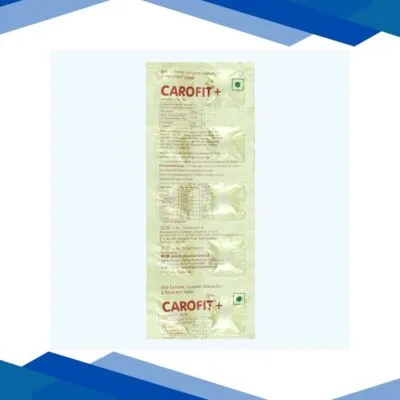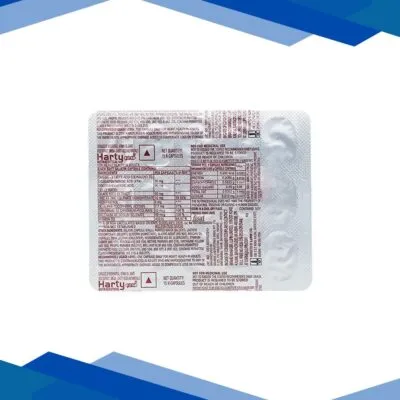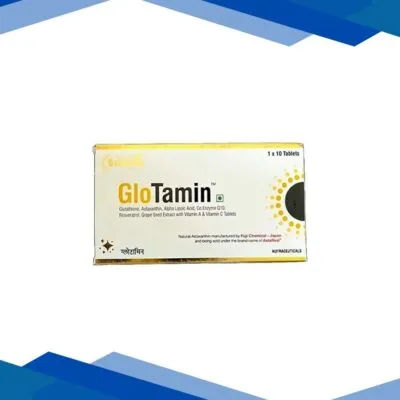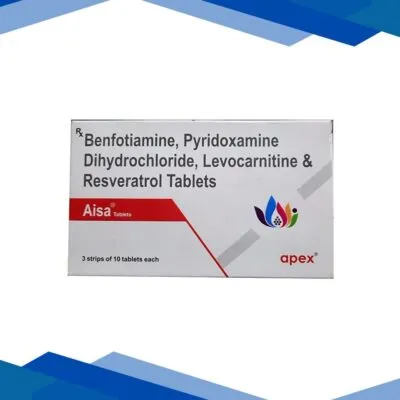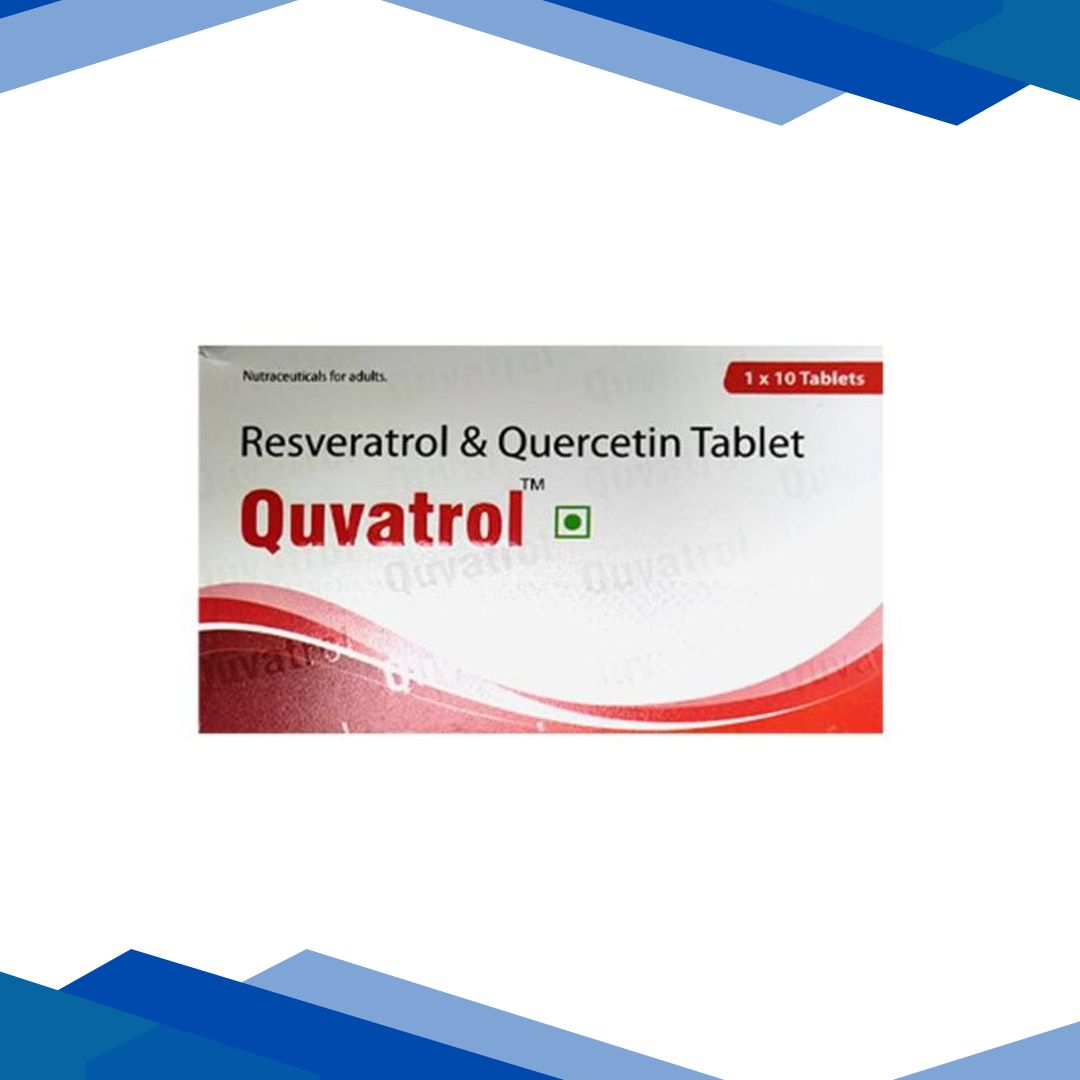
QUVATROL Tablet 10’s
QUVATROL Tablet is a combination medicine used to support nerve health and help manage symptoms related to vitamin deficiency and nerve damage. Benfotiamine and pyridoxamine dihydrochloride are forms of vitamin B1 and B6 that help the body use energy properly and support normal nerve function. Levocarnitine helps cells produce energy, while resveratrol acts as an antioxidant that helps protect cells from damage caused by oxidative stress. Together, these ingredients may help reduce tingling, numbness, burning sensation, and weakness seen in conditions such as diabetic neuropathy or other nutritional nerve problems. It is generally used under medical advice as part of a treatment plan focused on improving nerve support and overall metabolic health.
Description
QUVATROL Tablet is a combination nutritional and antioxidant medicine commonly used to support nerve health, metabolic function, and overall cellular protection. it brings together four ingredients that work in complementary ways: benfotiamine, a fat-soluble form of vitamin b1; levocarnitine, a molecule involved in energy production; resveratrol, a plant-derived antioxidant; and pyridoxamine dihydrochloride, a form of vitamin b6 with antioxidant and vitamin-supporting properties. together, these ingredients are often used in conditions where the body’s nerves or cells may be under stress due to poor metabolism, oxidative damage, or vitamin-related deficiencies.
this combination is not typically used as a painkiller or a cure for disease, but rather as supportive therapy. it may be recommended in diabetic neuropathy, peripheral nerve problems, nutritional deficiency states, fatigue associated with poor metabolic support, and certain conditions where nerve repair and antioxidant protection are desired. the formula is designed to help improve nerve conduction, reduce oxidative stress, and support energy production within cells. because of this, it is often prescribed or advised as part of a broader treatment plan that may also include blood sugar control, lifestyle changes, physical therapy, or management of the underlying disease.
each ingredient in this combination contributes a different therapeutic benefit. benfotiamine helps replenish vitamin b1 levels and supports nerve function, especially in people whose nerves may be affected by diabetes or inadequate vitamin intake. levocarnitine helps transport fatty acids into cells so they can be used for energy, which is important for tissues with high metabolic demand such as nerves and muscles. resveratrol is known for its antioxidant properties and may help protect cells from oxidative damage. pyridoxamine dihydrochloride supports vitamin b6-dependent processes, including neurotransmitter synthesis and nerve maintenance, while also contributing to antioxidant defense. because this product may influence multiple pathways, it is often chosen when a healthcare professional wants a broad nutritional approach rather than a single-ingredient supplement.
ingredients
- benfotiamine: benfotiamine is a fat-soluble derivative of vitamin b1 (thiamine). it is better absorbed than standard thiamine in many cases and is widely used to support nerve health. it helps the body process carbohydrates more efficiently and supports healthy nerve signaling. in people with diabetes or metabolic stress, benfotiamine may help reduce some harmful byproducts that can contribute to nerve damage.
- levocarnitine: levocarnitine plays a major role in energy metabolism by helping transport long-chain fatty acids into the mitochondria, where they are converted into energy. this is important for muscles, nerves, and other energy-dependent tissues. it may also help in conditions associated with carnitine deficiency, weakness, or increased energy needs. in supportive nerve formulations, it is included to promote cellular energy and tissue recovery.
- resveratrol: resveratrol is a naturally occurring polyphenol found in grapes, berries, and some plants. it is included for its antioxidant and potential anti-inflammatory effects. by helping neutralize free radicals, resveratrol may reduce oxidative stress, which can damage nerves and cells over time. it is not a cure, but it may support overall cellular protection and healthy aging pathways.
- pyridoxamine dihydrochloride: pyridoxamine is one of the active forms related to vitamin b6. it supports protein metabolism, neurotransmitter formation, and normal nervous system function. it also has antioxidant activity and may help limit damage from reactive compounds formed during high blood sugar states. this makes it especially relevant in nerve-support combinations aimed at metabolic and diabetic care.
key uses
- diabetic neuropathy support: this combination is commonly used as supportive therapy in diabetic nerve pain, numbness, tingling, burning sensation, or reduced sensation in the hands and feet. it does not replace glucose control, but it may help support nerve metabolism and protect nerves from oxidative injury.
- peripheral neuropathy: it may be used in nerve disorders involving the peripheral nerves, especially when symptoms include weakness, tingling, or altered sensation. the ingredients help support nerve function and may assist in symptom management when paired with medical care.
- nutritional support in vitamin-related deficiencies: people with poor diet, malabsorption, alcohol overuse, or increased nutrient needs may benefit from the vitamin-related components, especially benfotiamine and pyridoxamine, which help restore essential metabolic functions.
- metabolic and antioxidant support: resveratrol and the b-vitamin-related ingredients may help reduce oxidative stress and support healthy cellular metabolism. this is useful in conditions where chronic metabolic strain can affect nerve and tissue health.
- energy support in certain deficiency states: levocarnitine may be beneficial where carnitine levels are low or energy production is compromised. it supports mitochondrial energy generation, which may improve fatigue or weakness in selected cases under medical guidance.
how to use
QUVATROL Tablet should be used only as directed by a healthcare professional. it is generally taken by mouth, usually with water, and may be recommended with or after food depending on the specific formulation and individual tolerance. taking it with food can sometimes reduce stomach discomfort. since this medicine is intended as supportive therapy, regular use as advised may be more important than taking it only when symptoms appear.
the exact schedule may vary depending on the reason it was prescribed, the patient’s age, medical condition, and other medicines being used. it is important not to exceed the recommended amount, because even nutritional ingredients can cause side effects when taken in excess. if the product is part of a plan for neuropathy or metabolic support, benefits may appear gradually over time rather than immediately. consistent use, along with management of the underlying cause such as diabetes, vitamin deficiency, or nutritional imbalance, often gives the best results.
if a person has difficulty swallowing, stomach sensitivity, liver or kidney disease, or is taking many other medicines, the healthcare provider may give more specific instructions. this medicine should not be started, stopped, or combined with other supplements without checking for duplicate ingredients or interactions. if symptoms worsen, new neurological symptoms appear, or there is no improvement after an appropriate period, medical review is recommended.
safety information
- warnings: this product is generally used as supportive therapy and should not be considered a replacement for treatment of diabetes, nerve disease, vitamin deficiency, or any other underlying condition. people with persistent numbness, severe pain, weakness, or sudden neurologic symptoms should seek medical attention. high or unnecessary intake of vitamin-related ingredients may still cause adverse effects, so follow professional advice carefully.
- side effects: common side effects may include mild stomach upset, nausea, loose stools, bloating, headache, or a feeling of discomfort after taking the medicine. less commonly, some people may experience rash, itching, dizziness, or restlessness. serious side effects are uncommon but may include allergic reactions such as swelling, difficulty breathing, severe rash, or marked gastrointestinal symptoms. if these occur, stop use and seek urgent medical help.
- precautions: use caution in people with kidney disease, liver problems, seizure disorders, or known allergies to any ingredient. those taking multiple supplements should check for overlap with vitamin b6 or vitamin b1 products. people with diabetes should not use this medicine as a substitute for blood sugar control. patients with bleeding disorders or those on blood-thinning medication should ask a healthcare professional before using resveratrol-containing products.
- pregnancy/breastfeeding: safety during pregnancy and breastfeeding depends on the exact dose and clinical need. because this combination contains multiple active ingredients, it should only be used if a healthcare professional believes the benefits outweigh any possible risk. self-medication during pregnancy or lactation is not recommended.
- interactions: this combination may interact with some medicines, especially anticoagulants or antiplatelet drugs due to resveratrol, which may increase bleeding risk in susceptible people. alcohol may worsen nutrient deficiencies and nerve damage, and excessive alcohol use can reduce the overall benefit of this medicine. other vitamin supplements, diabetic medications, or medicines affecting liver and kidney function should be reviewed with a pharmacist or doctor to avoid duplication or unwanted effects.
additional information
- storage: store in a cool, dry place away from direct heat, moisture, and sunlight. keep the medicine tightly closed and out of reach of children. do not store in the bathroom unless the label specifically allows it, because humidity can affect product quality.
- missed dose: if a dose is missed, take it when remembered unless it is almost time for the next dose. if the next dose is near, skip the missed dose and continue the regular schedule. do not double the dose to make up for a missed one.
- overdose: taking too much may cause nausea, vomiting, abdominal discomfort, dizziness, or other unwanted effects, depending on the amount and individual sensitivity. severe overdose symptoms are uncommon but should be treated seriously. if an overdose is suspected, contact a doctor, poison control center, or emergency service immediately.
- habit forming: no. this medicine is not known to be habit forming or addictive. it is a nutritional and antioxidant support combination rather than a dependence-forming drug.
frequently asked questions
Q: what is QUVATROL Tablet used for?
A: it is mainly used as supportive therapy for nerve health, especially in conditions like diabetic neuropathy or peripheral neuropathy, and for nutritional and antioxidant support. it helps support nerve function, energy production, and protection from oxidative stress, but it does not replace treatment of the underlying disease.
Q: how long does it take to feel better after taking this medicine?
A: the response time varies widely. some people may notice gradual improvement in symptoms over several weeks, while others may need longer use before meaningful benefit is seen. it works best when taken regularly and when the underlying cause, such as diabetes or vitamin deficiency, is also managed.
Q: can i take this medicine with other vitamin supplements?
A: sometimes yes, but it should be checked first because many multivitamins or nerve supplements may contain overlapping ingredients such as vitamin b6 or b1. too much of certain vitamins can cause side effects or reduce safety. a pharmacist or doctor can help review the full list of products you use.
Q: is this medicine good for nerve pain?
A: it may help support nerve health and may be used as part of treatment for nerve-related symptoms, but it is not a direct painkiller. if nerve pain is severe, persistent, or worsening, medical assessment is important to identify the cause and decide whether additional treatment is needed.
Q: can people with diabetes take this medicine?
A: yes, it is often used in people with diabetes, especially when neuropathy is present. however, it should be used as an add-on to proper diabetes management, not as a substitute for controlling blood sugar. good glucose control remains one of the most important steps in protecting nerves.
Q: does this medicine cause drowsiness?
A: drowsiness is not a common effect, but some people may feel lightheaded or unwell, especially if they are sensitive to one of the ingredients. if unusual tiredness or dizziness occurs, medical advice should be sought, particularly if other medicines are being used at the same time.
Q: should this medicine be taken on an empty stomach or with food?
A: it is often better tolerated with food, especially if it causes stomach upset. however, the exact instructions may depend on the formulation and the clinician’s recommendation. following the product label or prescriber’s instructions is the best approach.
Q: is resveratrol safe with blood thinners?
A: resveratrol may increase bleeding risk in some people, especially when combined with blood thinners or antiplatelet medicines. this does not mean it is always unsafe, but it does mean the combination should be reviewed by a healthcare professional before use.
Q: can this product be used for general weakness or fatigue?
A: it may be considered in certain cases where fatigue is related to nutrient deficiency, metabolic stress, or carnitine-related energy issues. however, fatigue has many causes, including anemia, thyroid disorders, sleep problems, infection, and heart disease, so proper evaluation is important if symptoms are ongoing.
Q: what should i do if i get stomach upset after taking it?
A: mild stomach upset can sometimes improve by taking it with food or at a different time of day, but any persistent or severe symptom should be discussed with a healthcare professional. do not continue taking it if you develop signs of allergy or worsening discomfort without medical advice.
this information is for educational purposes only and should not be considered medical advice. always consult a qualified healthcare professional before use.
At Gem Pharmacy, we make every effort to provide accurate, expert-written, and thoroughly reviewed information related to medicines. However, this information should not be considered a substitute for professional medical advice, diagnosis, or treatment from a qualified doctor.
The purpose of this information is to educate users and improve communication between patients and healthcare professionals. It should not be used to diagnose or treat any condition.
Always consult a certified healthcare professional before taking any medication.


Related products