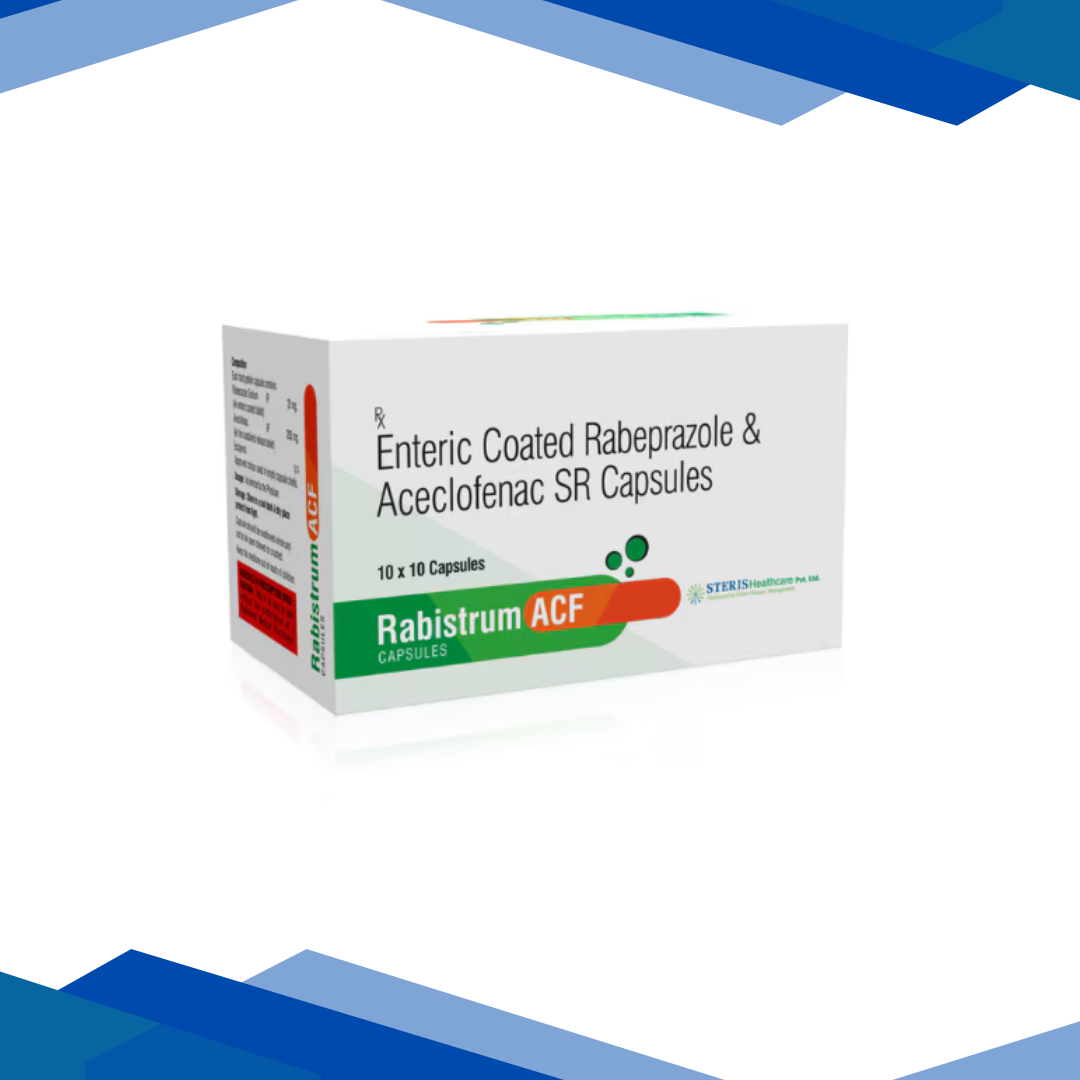
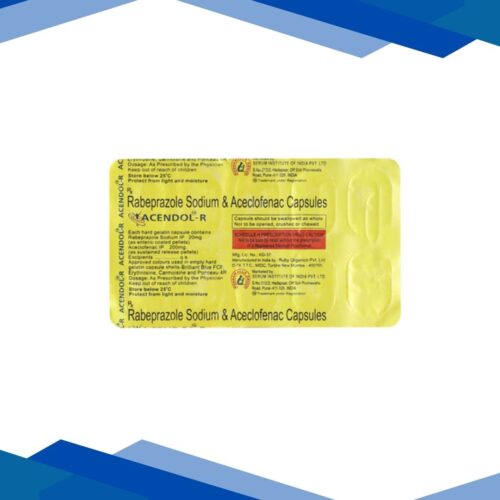
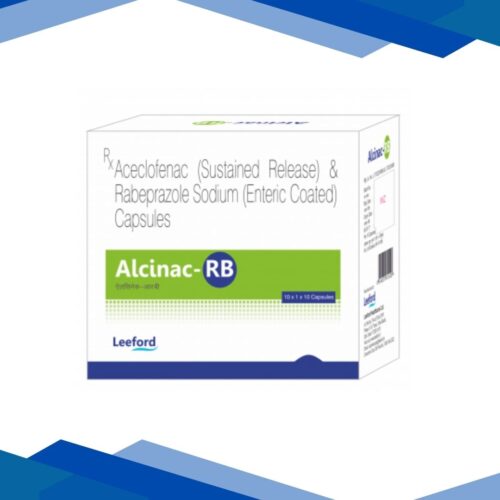
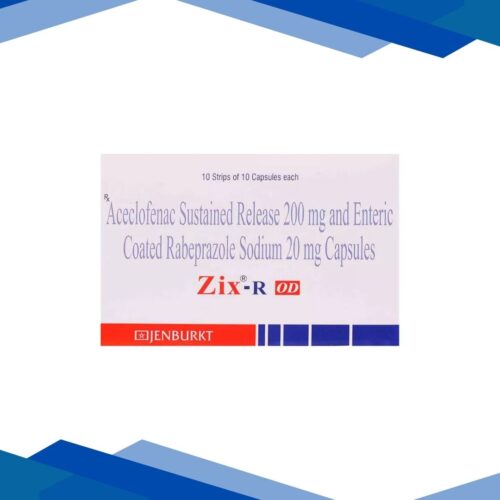
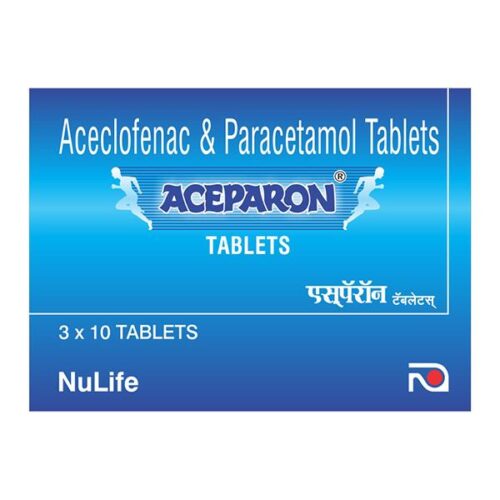
Aceclofenac
Aceclofenac
Overview:
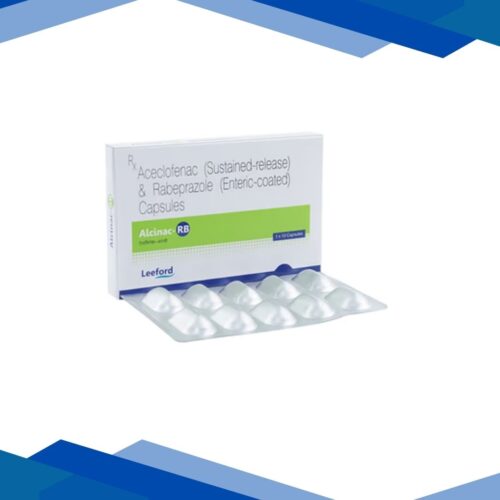
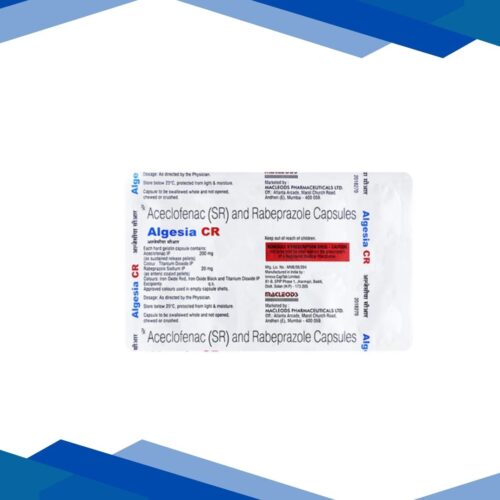
Aceclofenac is a nonsteroidal anti-inflammatory drug (NSAID) analog of diclofenac
Classification: Anti-inflammatory drug (NSAID)
Uses:
Aceclofenac is primarily used for pain management in chronic conditions like rheumatoid arthritis, osteoarthritis, or ankylosing spondylitis.
Rheumatoid arthritis: It relieves swelling and stiffness of joints and overall pain due to the condition.
Osteoarthritis: It helps alleviate painful, tender joints and manages pain.
Ankylosing spondylitis: It helps manage the stiffness and pain in this kind of spondylitis.
How it works:
It works by blocking the release of certain chemical messengers that cause pain and inflammation (redness and swelling).
Dosage: As directed by the physician
Precautions:
Tell your doctor if you have an allergic tendency to the medicine. Even if you are allergic to other medicines, you should discuss them with your doctor.
Alcohol consumption must be avoided as it can cause stomach bleeding.
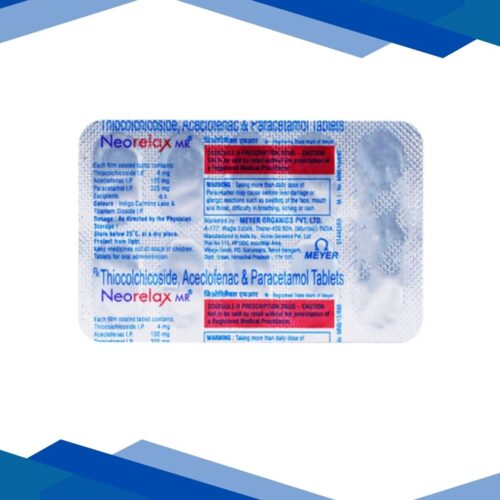
Pregnant women are not supposed to take Aceclofenac + Paracetamol, more so in the advanced stages of pregnancy. The foetus may develop heart defects, or there may be a delay in birth
Those with ongoing symptoms or a history of stomach ulcers or bleeding anywhere in the digestive tract must not take this medicine.
Patients who suffer from heart disease, have a liver or kidney problem, or have high blood pressure must take caution.
If you have any pre-existing health conditions, like Asthma, Hypersensitivity, Peptic Ulcers, Stroke, Heart, Liver, or Kidney-related conditions, etc., speak with your doctor.
Breastfeeding women must take care and consume the medicine only after seeking a doctor’s advice.
Side Effects:
Mouth ulcer
Fatigue
Constipation
Allergic skin reactions
Abdominal pain
Bloody and cloudy urine
Dizziness
Drowsiness
Constipation
Fainting
Malaise
Disclaimer:
This content is for informational purposes only. Always consult a healthcare provider for medical advice and proper dosage.
Rabeprazole
RABEPRAZOLE
OVERVIEW
Rabeprazole is used to reduce the amount of gastric acid when there’s too much produced by the stomach. If you have indigestion, burning in the chest, acid regurgitation into the mouth, or have a sore in the stomach (ulcer) often occurs, then this drug will help you.
CLASSIFICATION
proton pump inhibitor (PPI)
USES
To treat heartburn (a burning feeling in the chest)
To help with acid reflux (when acid comes up into your throat)
To heal damage in the food pipe (esophagus) caused by acid
To treat sores (ulcers) in the stomach or gut
To help get rid of a bacteria called H. pylori (a cause of ulcers), when taken with other medicines
To treat rare problems where the stomach makes too much acid
HOW IT WORKS
Rabeprazole Tablet works by blocking the action of the enzyme known as gastric proton pump which is responsible for the production of acid. This leads to decreased acid production, ulcer healing and prevention of new ulcer formation.
DOSAGE
As directed by the physician
PRECAUTIONS
Tell your healthcare provider about all the medicines you take, including any you take for lupus and liver disease, to avoid harmful drug interactions.
Tell your doctor if you are allergic to any other medicines, or have had an allergic reaction to similar medicines.
Proton pump inhibitors (e.g. Rabeprazole) can increase the risk of bone fractures when used longer, at higher doses or in elderly individuals. Taking vitamin D and calcium supplements is one strategy to prevent bone loss and fractures. Have a conversation about this with your physician or pharmacist.
The adverse effects with this medication, especially bone loss, fractures, and Clostridium difficile infection, can be worse in older people.
This drug should not be used during pregnancy unless absolutely necessary. Discuss the risks and benefits with your clinician.
Rabeprazole can make your body absorb less magnesium. This often happens after one year on the drug. While low levels of magnesium can be asymptomatic, the clinical ramifications can be quite detrimental. These may be missed by healthcare providers. They can manifest as muscle spasms, heart dysrhythmia, or seizures.
SIDE EFFECTS
Most people who take Rabeprazole don’t have any side effects. If side effects do happen, they’re usually mild and tend to go away after stopping the medicine. Only about 1 in 100 people experience them.
Some possible side effects include:
Headache
Diarrhea
Constipation
Stomach pain
Sore throat
Feeling tired or low on energy
Disclaimer
This content is for informational purposes only. Always consult a healthcare provider for medical advice and proper dosage