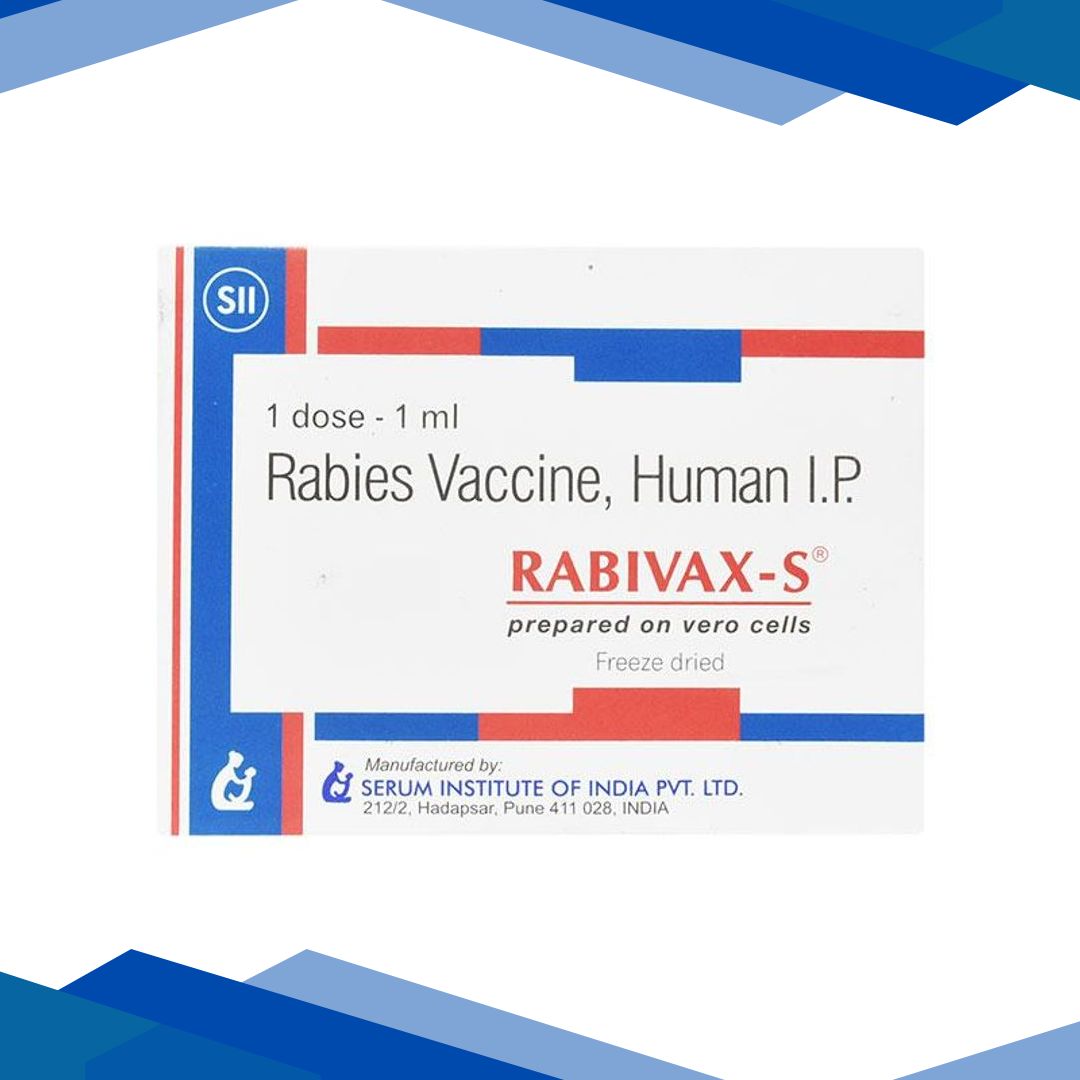
Rabivax S Vaccine 1ml
❌ Due to high demand, this product is currently out of stock. New stock will be available shortly.
👉 Click here to Buy Same Salt medicine
Rabivax S Vaccine is an immunosuppressive medicine made from antibodies that target certain human T cells, which are part of the body’s immune defense. By lowering the activity of these immune cells, it helps prevent the immune system from attacking transplanted organs or bone marrow. It is mainly used to treat or prevent organ rejection after transplantation and may also be used in some cases of severe aplastic anemia and other immune-related conditions under specialist care. Because it strongly affects the immune system, it is given in a hospital or closely monitored medical setting. Rabivax S Vaccine can be very effective when used for the right condition, but it should only be used under the supervision of a qualified healthcare professional.
Description
Rabivax S Vaccine is an immunosuppressive medicine used in selected serious conditions where the immune system must be deliberately weakened to prevent it from attacking the body. it is a biologic preparation made from antibodies that target human t-lymphocytes, which are a major part of the immune response. by reducing the activity and number of these immune cells, the medicine helps control harmful immune reactions that can damage transplanted organs or bone marrow, or worsen certain immune-related disorders.
this medicine is commonly used in hospital settings under close medical supervision because it can cause powerful effects on the immune system and may lead to significant side effects. it is generally given by intravenous infusion, and patients are monitored carefully during treatment for infusion-related reactions, infections, blood count changes, and signs of excessive immune suppression. because of its strength and complexity, Rabivax S Vaccine is not a routine medicine for self-use and should only be administered by trained healthcare professionals.
the main role of Rabivax S Vaccine is to suppress immune activity when the body’s own defenses are causing harm. in transplant medicine, it may be used to prevent rejection of a transplanted organ or to treat rejection episodes that are already occurring. in hematology, it may be used in some cases of severe aplastic anemia to help the bone marrow recover when immune cells are destroying blood-forming stem cells. in these situations, the medicine can be life-saving, but it requires careful selection of patients, laboratory monitoring, and supportive care.
because it works by lowering immune defenses, Rabivax S Vaccine can increase the risk of infections and certain blood-related complications. it is therefore reserved for situations where the potential benefits outweigh the risks. doctors consider the patient’s condition, medical history, blood tests, and concurrent medications before using it. if there is uncertainty about whether this medicine is appropriate, a transplant specialist, hematologist, or other qualified healthcare professional should be consulted.
ingredients
- Rabivax S Vaccine: the active biologic ingredient contains antibodies directed against human t-cells. its main function is to reduce immune-cell activity and lower the risk of immune-mediated damage, particularly in transplant rejection and certain autoimmune marrow failure states.
- antibody proteins: these are the therapeutic protein components responsible for the immunosuppressive action. they bind to antigens on t-lymphocytes and help remove or inactivate these cells from circulation.
- stabilizing agents: formulation components may be included to preserve the protein structure and maintain product stability during storage and infusion. the exact excipients can vary by manufacturer.
- buffering components: these help maintain the proper ph of the medicine, which is important for safety, stability, and tolerability during administration.
- purified water and saline-based diluents: depending on the product preparation, these are used to dissolve or dilute the medicine for infusion in a hospital setting.
key uses
- prevention of organ transplant rejection: Rabivax S Vaccine may be used after a transplant to lower the activity of the immune system and reduce the chance that the body will attack the new organ.
- treatment of acute rejection episodes: in some transplant patients, it is used when rejection is suspected or confirmed, especially when standard therapy is not enough.
- severe aplastic anemia: it may be used in selected patients with bone marrow failure caused by immune-mediated destruction of blood-forming cells, often as part of a specialist treatment plan.
- conditioning before stem cell transplant: in some cases, it is used in transplant protocols to suppress immune responses and improve the chance of successful engraftment.
- other specialist immunosuppressive uses: in carefully selected situations, experts may use it for other severe immune-mediated conditions, but only when evidence and clinical judgment support its use.
how to use
Rabivax S Vaccine is administered only by healthcare professionals, usually in a hospital or specialized infusion center. it is given slowly through a vein, and the infusion rate may be adjusted depending on how the patient responds. because infusion reactions can occur, patients are often premedicated with medicines such as corticosteroids, antihistamines, or antipyretics before treatment begins. vital signs are checked during and after infusion, and blood tests may be performed regularly to monitor blood counts, kidney function, liver function, and signs of infection.
the exact treatment schedule depends on the condition being treated, the type of transplant or blood disorder, and the patient’s overall health. patients should not try to self-administer this medicine or alter the infusion rate on their own. if a dose is delayed or a treatment session is missed, the healthcare team will decide the best next step based on clinical needs. during treatment, patients should promptly report fever, chills, rash, difficulty breathing, chest discomfort, unusual bleeding, or any new signs of illness.
safety information
- warnings: Rabivax S Vaccine can cause serious infusion reactions, including fever, chills, low blood pressure, rash, breathing difficulty, and allergic reactions. severe reactions may occur during the first infusion or at any time in treatment. because it suppresses the immune system, it can also increase the risk of bacterial, viral, fungal, and opportunistic infections. blood counts can drop, including white blood cells and platelets, which may increase infection risk or bleeding risk. patients need close medical monitoring throughout therapy.
- side effects: common side effects may include fever, chills, headache, nausea, vomiting, muscle aches, joint pain, fatigue, rash, and infusion-site discomfort. more serious side effects can include severe allergic reactions, trouble breathing, low blood pressure, irregular heartbeat, serum sickness-like reactions, severe infections, and marked reductions in blood cell counts. any severe or rapidly worsening symptom should be treated as urgent.
- precautions: people with active untreated infections, a history of severe allergy to similar biologic products, or significant blood count abnormalities may need extra caution or may not be suitable candidates. patients with heart disease, kidney disease, liver disease, or a history of asthma or severe allergic reactions should be assessed carefully before use. because the medicine can weaken the body’s defense system, vaccination status and infection history should be reviewed by the treating clinician.
- pregnancy/breastfeeding: safety data in pregnancy may be limited and the medicine should be used only when clearly needed and when the expected benefit outweighs the potential risk. if a patient is pregnant, planning pregnancy, or breastfeeding, the treating specialist should be informed before treatment begins. the doctor will decide whether the medicine is appropriate and whether any additional monitoring is needed.
- interactions: Rabivax S Vaccine may interact with other medicines that suppress the immune system, such as corticosteroids, calcineurin inhibitors, antiproliferative agents, or certain biologics, increasing infection risk. live vaccines should generally be avoided during significant immunosuppression because they may not be safe or effective. alcohol does not have a direct known chemical interaction, but it may worsen dehydration, liver strain, or overall illness in some patients, so medical advice should be followed carefully.
additional information
- storage: store the medicine exactly as directed by the manufacturer and healthcare facility. it is usually kept in a controlled refrigerated environment before use and protected from freezing or excessive heat. do not use the product if the solution appears discolored, contaminated, or otherwise abnormal. hospital staff are responsible for proper handling, dilution, and disposal.
- missed dose: because this medicine is administered in a clinical setting, missed doses are managed by the healthcare team. if an appointment is missed, the patient should contact the treating center as soon as possible. the next infusion timing depends on the treatment plan and the patient’s current condition.
- overdose: an overdose is unlikely in self-use because the medicine is administered by professionals, but excessive dosing or too-rapid infusion could increase the risk of severe immune suppression, blood pressure changes, allergic reactions, or toxicity. if an overdose is suspected, urgent medical evaluation is required immediately.
- habit forming: no. Rabivax S Vaccine is not habit forming and does not cause dependence or addiction. however, it is a serious prescription biologic that requires expert supervision because of its immune-suppressing effects and the need for laboratory monitoring.
frequently asked questions
Q: what is Rabivax S Vaccine used for?
A: it is mainly used in hospitals to suppress the immune system, especially to help prevent or treat organ transplant rejection and, in some cases, severe aplastic anemia or transplant conditioning. it is not a general-purpose medicine and should only be used under specialist supervision.
Q: how does Rabivax S Vaccine work?
A: it works by targeting t-lymphocytes, which are immune cells that can attack transplanted tissue or contribute to bone marrow failure. by reducing the activity and number of these cells, it helps control harmful immune reactions.
Q: is this medicine safe to take at home?
A: no. it is usually given as an intravenous infusion in a hospital or specialized center because serious side effects can occur and close monitoring is needed throughout treatment.
Q: what side effects should i watch for?
A: common effects include fever, chills, headache, nausea, and rash. serious warning signs include trouble breathing, severe dizziness, chest pain, unusual bleeding, or signs of infection such as persistent fever. seek urgent medical care if these occur.
Q: can Rabivax S Vaccine increase infection risk?
A: yes. because it suppresses the immune system, it can raise the risk of infections, sometimes severe ones. doctors monitor patients closely and may recommend precautions or preventive treatment depending on the situation.
Q: does it affect blood counts?
A: yes, it can lower white blood cells, platelets, and sometimes other blood components. this is why regular blood tests are important during and after treatment.
Q: can vaccines be given during treatment?
A: live vaccines are generally avoided during significant immunosuppression. any vaccination plan should be discussed with the treating doctor before or after therapy.
Q: is Rabivax S Vaccine the same as a steroid?
A: no. it is a biologic immunosuppressant made from antibodies, while steroids are a different class of anti-inflammatory and immunosuppressive medicines. they may sometimes be used together, but they are not the same.
Q: what should i tell my doctor before receiving it?
A: tell your doctor about any current infection, allergy history, blood disorders, liver or kidney disease, pregnancy or breastfeeding, and all medicines or supplements you are taking. this helps the team reduce risks and plan safe treatment.
Q: can i drink alcohol while on this medicine?
A: alcohol is not known to directly interact with the medicine, but it may worsen side effects or recovery in some patients. it is best to follow your specialist’s advice regarding alcohol use during treatment.
this information is for educational purposes only and should not be considered medical advice. always consult a qualified healthcare professional before use.
At Gem Pharmacy, we make every effort to provide accurate, expert-written, and thoroughly reviewed information related to medicines. However, this information should not be considered a substitute for professional medical advice, diagnosis, or treatment from a qualified doctor.
The purpose of this information is to educate users and improve communication between patients and healthcare professionals. It should not be used to diagnose or treat any condition.
Always consult a certified healthcare professional before taking any medication.


Related products