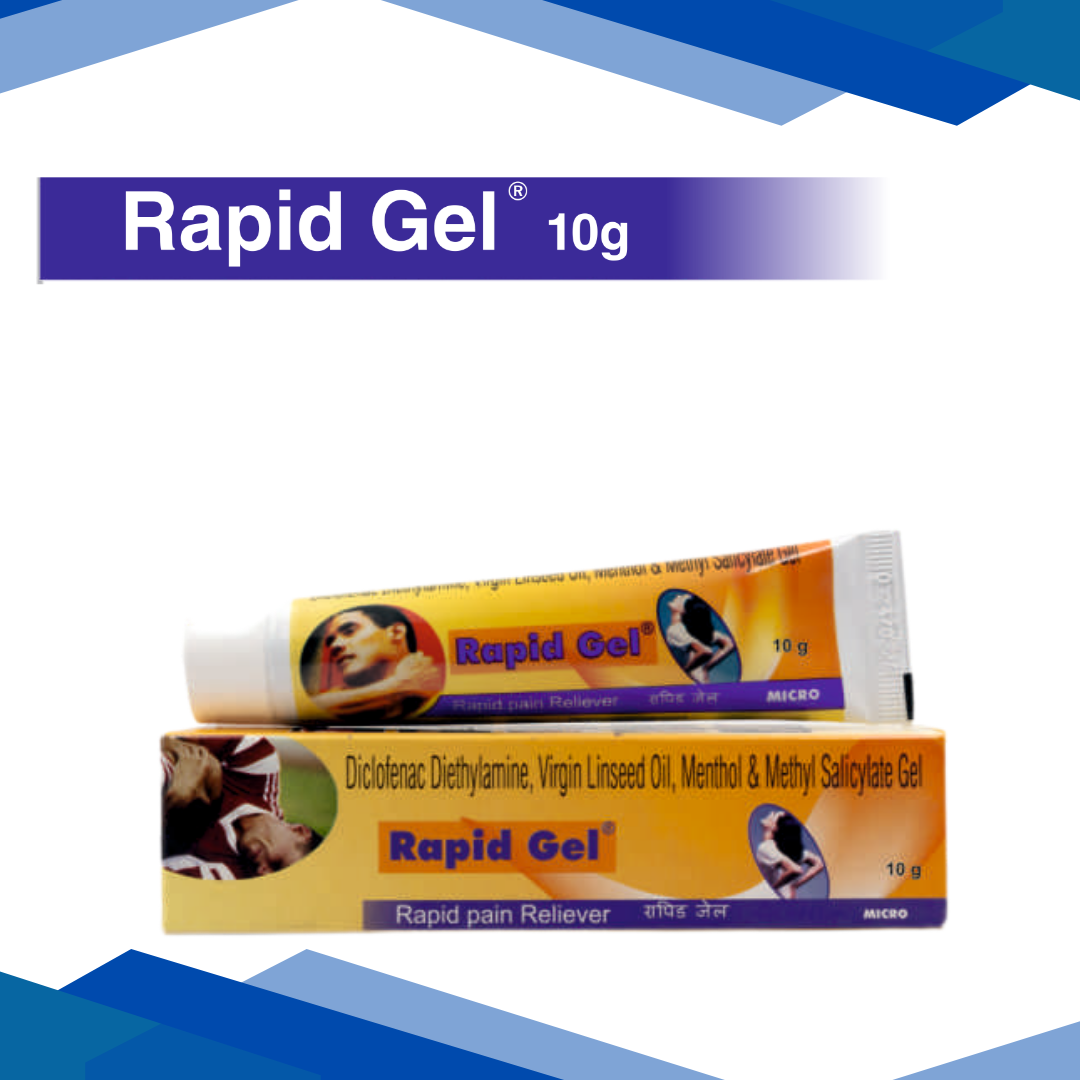
Rapid gel 10g
No Prescription yet? Don’t worry! Click Here to Get Online Consultation
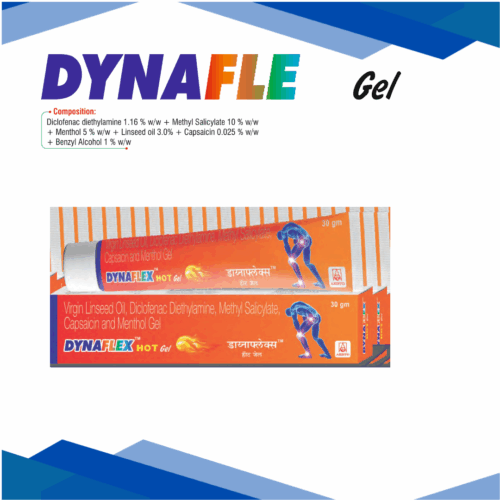
Diclofenac diethylamine, virgin linseed oil, menthol, and methyl salicylate are used together in topical preparations to relieve muscle and joint pain, inflammation, and stiffness. Benzyl alcohol acts as a preservative and provides mild local anesthetic and antimicrobial effects. For more details kindly click on Medicine Salts below:
Benzyl Alcohol
Benzyl Alcohol: Effective Antiseptic & Pediculicide Solution Benzyl Alcohol is a versatile organic compound used extensively in the pharmaceutical and cosmetic industries. It serves primarily as a local anesthetic, a potent antiseptic, and a preservative in injectable medications. Most notably, in higher concentrations (5%), it is a leading prescription-strength treatment for Pediculosis (head lice) in both adults and children. Key Therapeutic Roles Head Lice Treatment: Acting as a non-neurotoxic pediculicide, it effectively suffocates lice without the use of harsh pesticides. Topical Anesthetic: Provides temporary relief from pain and itching associated with minor skin irritations, insect bites, or rashes. Pharmaceutical Preservative: Prevents the growth of bacteria in multi-dose injectable vials and various topical creams. Solvent Properties: Used in the formulation of soaps, perfumes, and flavoring agents due to its mild, pleasant aroma and high solubility. How Benzyl Alcohol Works When applied to treat head lice, Benzyl Alcohol works through a mechanical process rather than a chemical one. It prevents the lice from closing their respiratory spiracles (breathing holes). When the lice attempt to breathe, the lotion clogs these openings, leading to death by asphyxiation. For skin irritations, its anesthetic properties temporarily "numb" the sensory nerve endings in the skin, providing immediate cooling and relief from discomfort. Usage & Application Guidelines For Head Lice: Apply the 5% lotion directly to dry hair, ensuring the scalp and hair are completely saturated. Leave it on for exactly 10 minutes before rinsing thoroughly with water. Repeat Treatment: Because it kills live lice but not the unhatched eggs (nits), a second application is strictly required 7 days after the first treatment to catch any newly hatched lice. Avoid Eye Contact: This solution can cause severe irritation if it comes into contact with the eyes. If accidental contact occurs, flush immediately with cool water. Safety & Side Effects Profile While Benzyl Alcohol is widely regarded as safe for topical use, it is important to monitor the skin for sensitivity. Potential Side Effect Frequency Recommended Action Scalp Redness / Itching Common Usually temporary; rinse well. Skin Flaking / Dryness Occasional Apply a mild, fragrance-free moisturizer. Numbness at Application Site Common Expected due to anesthetic properties. Severe Allergic Reaction Very Rare Seek emergency care if you experience hives or swelling. Benzyl Alcohol: Frequently Asked Questions (FAQs) Q: Can Benzyl Alcohol be used on infants? A: Benzyl Alcohol is contraindicated for use in premature infants and neonates. In older children (6 months and above), it is safe when used as directed for head lice. Always consult a pediatrician before applying it to young children. Q: Is this treatment a pesticide? A: No. Unlike many older lice treatments that use neurotoxic chemicals (like Permethrin), Benzyl Alcohol is a "mechanical killer." It suffocates the lice, which also makes it less likely for the lice to develop resistance to the treatment. Q: Does Benzyl Alcohol kill the nits (eggs)? A: It does not penetrate the shell of the egg. This is why a second application exactly one week later is vital to ensure any lice that hatched after the first treatment are eliminated. Q: Can I use Benzyl Alcohol on broken or infected skin? A: It is best to avoid applying concentrated Benzyl Alcohol to open wounds or severely infected skin unless directed by a doctor, as it may cause intense stinging or systemic absorption. Q: Can I use this during pregnancy? A: Benzyl Alcohol is classified as Pregnancy Category B. While it is generally considered low-risk, you should discuss its use with your OB-GYN to ensure it is the most appropriate option for your situation. Storage & Handling Keep the container tightly closed in a cool, dry place away from direct sunlight. Store at a controlled room temperature (20°C to 25°C). Keep out of reach of children and pets to prevent accidental ingestion.
Diclofenac
Diclofenac Sodium-Potassium Tablet Diclofenac, a powerful non-steroidal anti-inflammatory drug (NSAID), is used for relieving acute pain and chronic pain situations. The medicine carries out this job by inhibiting prostaglandin production, which itself is a naturally-occurring chemical of the body causing pain and promoting inflammation. Any range of pain scenarios, athletic or acute or chronic, acute or chronic, are ably managed with Diclofenac, all for the purpose of promoting movement by relieving the swelling and stiffness at the heart of the morbid condition. Principal Therapeutic Uses Arthritic Care: There is adequate relief should the usual symptoms arise from Osteoarthritis, Rheumatoid Arthritis, or Ankylosing Spondylitis. Acute Pain: Analgesia is for use in mild to moderate pain brought about by dental procedures, strains of muscles, postrrecovery from a surgery attack. Migraines and headache: Specific formulations like Diclofenac Potassium work great to treat an acute attack of headache, with a migraine. Primary Dysmenorrhea (painful period): Specific relief has been created for Menstrual Cup when it hurts too much. How to use Administration: Swallow the tablet whole with a full glass of water; do not crush or chew if it is a "Delayed-Release" or "Enteric-Coated". With Food: Taking Diclofenac with meals or milk will greatly reduce the chance of a belly upset. Dosage: Stick to the prescribed dose by your health provider. Common doses control between 25mg to 75 mg thrice daily depending on the clinical state of the condition. Common Side Effects Most people are able to tolerate short-term treatment with diclofen7ac; however, some usual symptoms can include: Nausea or Diarrhea Dizziness or Mild Headache Heartburn or Gas Swelling of the Ankles or Feet (edema) Warning: Immediate stoppage of medication and immediate seek medical aid if the following occurs after taking the tablet of diclofenac: the stools start turning black/tarry; the person experiences a severe pain in the stomach or gut; skin or eyes turn yellow color (jaundice). Precautions & Safety Information Heart Related: There is an increased risk of heart attack or stroke with NSAIDs like Diclofenac, especially if it is taken for the long term or at high doses. Kidney & Liver Function: It may be necessary to monitor renal and hepatic function in patients who have already had pre-existing conditions of the kidneys or liver. Asthma: Drug morality is advised to take caution for those with the history of Aspirin-sensitive asthma as they can induce an allergic reaction. Alcohol: Zero strip-type liquids in the mouth while on this medication; they would raise the risk of severe ulcers and hemorrhage in the stomach. Pregnancy: You should not take this medication after the 1st trimester because it might be harmful to the baby answered in utero. FAQs: Q: Difference between Diclofenac Sodium and Diclofenac Potassium? Yes, it is. The potassium formulation is absorbed more quickly by the body and thus is usually used for frequently encountered "immediate" pain like headaches or cramps. In contrast, the sodium formulation is often being looked at in cases for "delayed release" pain relief and long-term countering of inflammatory conditions like arthritis. Q: On an empty stomach, can I take Diclofenac? Diclofenac works faster on an empty stomach. However, it irritates the mucous membrane of the stomach wall. On the other hand, taking it with food is good for your stomach lining. Q: Is Diclofenac something that could be habit-forming? No. Diclofenac is not a narcotic or opioid, it carries no abuse potential, and does not cause physical or psychological dependence. Q: Can Diclofenac gel and tablets be used together? Using a combination of oral and topical adminstration of diclofenac will have the potential to increase the overall systemic concentration of the drug and possibly increase any chance of side effects. Ask your doctor before administering different forms of the drug simultaneously. Q: How long does Diclofenac take to work? Acute pain can be subsided within the first thirty-to-sixty minutes whereas for chronic conditions like arthritis, consistent use offers one a complete inhibition of inflammation beginning at week 1–2.
Linseed Oil + Methyl Salicylate
Linseed oil + methyl salicylate topical gel combination It is a common remedy for managing local pain. Linseed oil possesses anti-inflammatory, calming properties, while methyl salicylate encourages a deeper warming effect, helping replace discomfort without the side-effects of systemic analgesic remedies.
Double Active Formulae Linseed oil (linseed oil): Contains ALA (alpha-linolenic acid)—an essential omega-3 fatty acid—that provides a mild anti-inflammatory effect, helping to calm swollen muscle tissue and nourish the skin. Methyl salicylate: Also known as “Wintergreen Oil,” it stimulates vasodilation, where a cooling sensation is followed by warmth. This counterirritant action distracts the brain from pain and improves blood flow for better healing.
Uses and Benefits Muscle strain: Helps relieve muscle soreness after intense workouts or heavy lifting. Joint pain: Reduces joint stiffness associated with arthritis or age-related wear. Backache & Sciatica: Provides cost-effective relief for back pain and muscle spasms. Sprains & Bruises: Helps reduce local inflammation and manage soft tissue injuries.
While Application Clean the Area: Wash and dry the affected area before use. Light Massage (if comfortable): Apply a thin layer and gently rub until absorbed. Avoid pressure on inflamed joints. Application Frequency: Use 3–4 times daily or as advised by a physiotherapist. Wash Hands: Clean hands immediately after application to avoid contact with eyes or mouth.
Safety Caution: For external use only. Do not apply on open wounds, fractures, or damaged skin. Heat Alert: Avoid using heating pads or tight bandages over the area, as it may cause skin irritation or burns. Allergic Alert: If allergic to aspirin (salicylates), consult your doctor before use. Child Safety: Keep away from children. Methyl salicylate has a pleasant smell but is toxic if ingested.
Possible Side Effects Most users experience a pleasant warming sensation. Discontinue use if you notice:
- Skin redness, blisters, peeling, or flaking
- Severe itching or persistent hives
- Intense or worsening burning sensation
FAQs Q: I have chronic arthritis pain. Will this gel help? A: Yes. While not a permanent cure, the combination of linseed oil and methyl salicylate is effective in managing pain and stiffness episodes.
Q: Why does the area feel hot? A: This is due to methyl salicylate, which causes vasodilation, increasing blood flow. This counterirritant effect helps distract from deeper muscle or joint pain.
Q: Is it safe for pregnant women to use methyl salicylate? A: Consult your OB-GYN before use. Although topical absorption is lower, medical guidance is recommended during pregnancy.
Q: Can I use it alongside regular painkillers like Paracetamol? A: Generally yes, since systemic absorption is minimal. However, avoid combining with other topical NSAID gels without medical advice.
Q: How soon will I get relief? A: You may feel cooling or warming sensations within minutes, with maximum effect typically within 30 minutes.
Menthol
Menthol (Topical Analgesic) Menthol is natural ingredient that occurs organically and is extracted from peppermint and other mint oils. It has certain pharmacological properties due to the topical analgesic and counterirritant that is widely utilized in pharmaceutical applications. When applied to the skin, it binds to the cold-sensitive receptor termed TRPM8 nicotine, and thus generates a cooling sensation. It works by producing enough cooling sensation to distract the brain from underlying pain signals, therefore providing some relief, deceiving the skin's pain receptors and authors. It is commonly used in muscle-recovery products and patches to mitigate joint pain. Primary Indications Muscle & Joint Relief: Temporary relief of minor aches and pains, caused by arthritis, simple backaches, strains, and sprains. Counterirritant Action: Provides a cooling, slightly warming sensation with benefits of desensitization of pain nerve endings. Itch & Irritation Control: Effectively don't entertain the itching from insect bites, sunburn, or minor skin rashes. Respiratory comfort: Often used in chest rubs to emotionally relieve symptoms of feeling clear airways during common colds. Post-Workout Recovery: Helps reduce the perception of soreness in overworked muscles and tendons. The Product Specifications Drugs Group: Topical Analgesic/ Counterirritant. Formulations: Gels, sprays creams, ointments, medicated patches are available. Concentration: Ranges generally from 1% and 16% as per the strength. Appearance: Clear liquid or white crystalline material, characteristic of a minty aroma. Instructions of Use For Pain Relief: Clean and dry the affected area. Then apply a thin layer of gel or cream to the area 3-4 times daily. Sprays: Spray on the skin evenly from 4" to 6" distance. Do not rub unless otherwise specified. Patches: Stick one patch to the painful area and leave it for as long as 8 hours. Don't use more than one patch that has formed into a mass. Hygiene: Wash your hands thoroughly with soap after application to avoid any accidental contact with the eyes and mucosa. Safety Precautions & Warnings For external use only: Do not ingest menthol-based topical products. Avoid Over Broken Skin: Never apply to an open wound, damaged skin, or any irritated rashes. No Heat therapy: Whether using a heating pad, hot water bottle, or tight bandage applied to the area, do not apply heat either. This will increase permeation and cause severe skin burns. Flammability: Some menthol sprays and gels are flammable. Keep away from open flames or high heat until the product has completely dried on the skin. Children: Consult a pediatrician before using on children under 12. Frequently Asked Questions (FAQs) Q: How does Menthol actually stop pain? Menthol does not "numb" the pain as a local anesthetic does, but rather acts as a counterirritant. As the compound creates an intense cold sensation, it blocks the pain signals headed to the brain, effectively turning down the volume on discomfort. Q: Can Menthol be used with a heating pad? No. This is a major danger. Menthol causes the blood flow to the skin to increase, and the application of heat tends to make the medication be absorbed too quickly or cause some very bad burns and blisters. Q: Why do I instantly feel cold but end up feeling warm? This is essentially because of the 'counterirritant effect.' The menthol first activates the cold receptors, offering initial cooling effects. Then the local circulation is elevated when it is rubbed in, and the now-warm sensation is relaxing tight muscles. Q: Can Menthol be used with an oral pain medication? Yes, in practice, no! Since menthol is only used topically, so very little of it penetrates your bloodstream. However, let your doc know if you're on blood thinners, say, on Warfarin, because some of the topical formulations can have methyl salicylate, which can interact with them. Q: Will the Menthol smell "stick"? The very minty smell is the strongest during application and then dissipates as the product dries down. I would suggest many "vanishing scent gels" for a more subtle application, if the user prefers it that way.
At Gem Pharmacy, we make every effort to provide accurate, expert-written, and thoroughly reviewed information related to medicines. However, this information should not be considered a substitute for professional medical advice, diagnosis, or treatment from a qualified doctor.
The purpose of this information is to educate users and improve communication between patients and healthcare professionals. It should not be used to diagnose or treat any condition.
Always consult a certified healthcare professional before taking any medication.


Related products