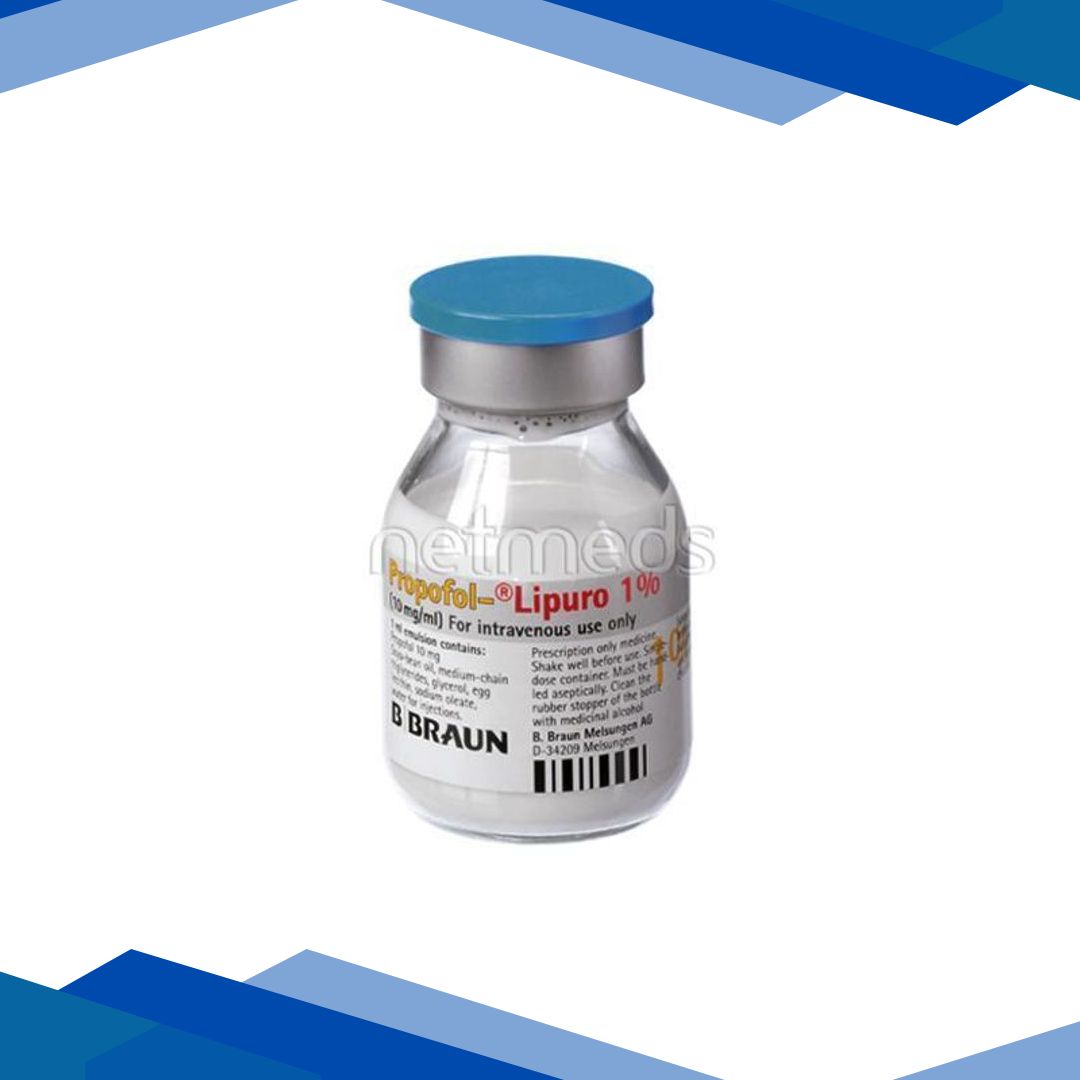
Rapifol 10mg Injection 20ml
❌ Due to high demand, this product is currently out of stock. New stock will be available shortly.
👉 Click here to Buy Same Salt medicine
Rapifol 10mg Injection is a fast-acting injectable medicine used to produce sedation and anesthesia under close medical supervision. It works by slowing down activity in the brain and central nervous system, helping a person become very sleepy, relaxed, or fully unconscious for a short time. Because it acts quickly and wears off relatively fast, Rapifol 10mg Injection is commonly used to start and maintain anesthesia during surgeries and procedures. It may also be used to help sedate patients in intensive care when strong calmness and reduced awareness are needed. This medicine is not meant for self-use and must be given by trained healthcare professionals, as it can affect breathing and blood pressure. Rapifol 10mg Injection is valued for its predictable effect and quick recovery after use.
Description
Rapifol 10mg Injection is a short-acting intravenous anesthetic medicine used mainly to induce and maintain anesthesia and to provide sedation in carefully monitored medical settings. it works very quickly after injection, which makes it especially useful when a rapid, controllable onset of unconsciousness or deep sedation is needed. because its effects appear and fade fast, clinicians can adjust the level of sedation more precisely than with many longer-acting agents. it is not a medicine used for routine self-administration; it is given by trained healthcare professionals in hospitals, operating rooms, intensive care units, or procedural suites.
Rapifol 10mg Injection acts on the central nervous system by enhancing the effect of the inhibitory neurotransmitter gamma-aminobutyric acid (gaba), which reduces brain activity and produces sedation, hypnosis, and loss of consciousness. in practical terms, it helps calm the brain so that a patient does not feel pain or remain aware during procedures when anesthesia is required. it is commonly used for starting anesthesia before surgery, maintaining anesthesia during surgery, and for sedation during certain procedures such as endoscopy, mechanical ventilation, or other interventions where deep relaxation is necessary. its rapid onset and quick recovery profile make it highly valued in modern anesthesia practice.
this medicine is used for specific medical situations and is suitable only for patients being closely monitored because it can affect breathing, blood pressure, and heart function. the dose and infusion rate must be individualized based on age, weight, health condition, and procedure type. Rapifol 10mg Injection is typically administered by professionals trained in airway management and resuscitation because sedation can deepen rapidly and unexpectedly. it is not appropriate for casual use, and its safety depends on careful monitoring of oxygen levels, blood pressure, heart rhythm, and level of consciousness throughout administration.
people may receive Rapifol 10mg Injection when a procedure must be performed without pain awareness or when a patient needs controlled sedation in critical care. it is especially useful when a very fast recovery is desired after the procedure ends. although it is generally considered effective and predictable, it has important risks, including low blood pressure, slowed breathing, and, in rare cases, serious complications related to infusion or allergy. for these reasons, it should only be used in settings equipped for advanced monitoring and emergency support.
ingredients
- Rapifol 10mg Injection: the active medicine that produces general anesthesia or deep sedation by depressing central nervous system activity. it provides rapid onset and short duration of action, allowing clinicians to control the depth of sedation precisely during procedures or intensive care management.
- soybean oil: a vehicle used to dissolve the medicine in the injectable formulation. it helps keep Rapifol 10mg Injection stable and deliverable in an oil-in-water emulsion. patients with severe allergy histories should be assessed carefully because formulation components may be relevant in rare sensitivity reactions.
- egg lecithin: an emulsifying agent that helps maintain the injectable emulsion. it contributes to the product’s physical stability, allowing the medicine to be administered safely as a liquid preparation under medical supervision.
- glycerol: included to adjust tonicity and support the formulation’s stability. it helps make the injectable solution suitable for intravenous use.
- sodium hydroxide: used to adjust the ph of the formulation. proper ph is important for product stability and compatibility during administration.
- water for injection: the solvent that forms the base of the injectable emulsion and allows the active ingredient and supporting components to be prepared for intravenous use.
key uses
- induction of anesthesia: Rapifol 10mg Injection is commonly used to start general anesthesia before surgical procedures. it works quickly, helping patients become unconscious within a short time under professional monitoring.
- maintenance of anesthesia: it may be continued during surgery or procedures to keep the patient asleep and unaware. its short-acting profile allows controlled adjustment throughout the operation.
- procedural sedation: it is used for selected diagnostic or therapeutic procedures, such as endoscopy or minor interventions, where deep sedation is needed but full anesthesia may not always be required.
- sedation in intensive care: in some critically ill patients on mechanical ventilation, Rapifol 10mg Injection is used to maintain a comfortable, controllable level of sedation. this can help improve tolerance of ventilation and reduce agitation.
- rapid recovery sedation: because its effects wear off relatively quickly once stopped, it is useful when a prompt return of consciousness is desired after a procedure.
how to use
Rapifol 10mg Injection must be used only by trained healthcare professionals in a monitored medical environment. it is administered intravenously, usually through a vein, and the speed and amount are determined by the anesthesiologist, intensivist, or procedural sedation team. the medicine may be given as a single injection to begin anesthesia or as a continuous infusion to maintain sedation. since it can quickly cause loss of consciousness, the patient’s breathing, oxygen level, pulse, and blood pressure are monitored continuously before, during, and after administration.
patients should not attempt to use this medicine themselves. before administration, the healthcare team will review the patient’s medical history, allergies, heart and lung status, current medications, and recent food or drink intake if surgery is planned. during use, supportive equipment such as oxygen delivery, suction, airway devices, and emergency medicines may be available. after the procedure, patients are observed until they are alert enough to breathe normally, respond appropriately, and maintain stable vital signs. driving, operating machinery, signing important documents, or making major decisions should be avoided for the rest of the day unless a clinician says otherwise.
safety information
- warnings: Rapifol 10mg Injection can cause breathing suppression, apnea, and low blood pressure, especially during initiation or dose increases. it must be used where airway support and cardiovascular monitoring are immediately available. long-term or high-dose infusions require close supervision because serious complications may occur. rarely, a severe reaction such as anaphylaxis can happen and requires emergency treatment.
- side effects: common side effects include pain at the injection site, drowsiness, dizziness, nausea, low blood pressure, and slowed breathing. some patients may experience cough, brief movement, headache, or temporary confusion after waking. serious side effects include severe respiratory depression, very low blood pressure, irregular heartbeat, allergic reactions, and rare but life-threatening infusion-related problems.
- precautions: use caution in patients with heart disease, low blood pressure, breathing disorders, epilepsy, liver disease, or poor overall physical condition. extra care is needed in older adults, critically ill patients, and those receiving other sedatives or opioids. it should be avoided or used only with specialist advice in people with known hypersensitivity to the formulation or a history of serious reaction to similar injectable preparations.
- pregnancy/breastfeeding: Rapifol 10mg Injection may be used during pregnancy only when the expected medical benefit outweighs potential risk, typically in urgent or necessary procedures. small amounts may pass into breast milk, but breastfeeding guidance depends on the clinical situation and timing of administration. patients should ask their clinician how long to wait before breastfeeding after anesthesia or sedation.
- interactions: Rapifol 10mg Injection may have stronger sedative effects when combined with alcohol, opioids, benzodiazepines, sleeping medicines, antihistamines, or other anesthetic agents. these combinations increase the risk of excessive drowsiness, breathing problems, and low blood pressure. it may also interact with medications that affect blood pressure or heart rate, so the full medication list should always be reviewed before use.
additional information
- storage: store as directed by the manufacturer and institutional protocols, usually in a controlled room temperature environment away from freezing, excessive heat, and direct light. because the medicine is an injectable emulsion that can support microbial growth, strict aseptic handling is essential. opened containers should be used according to hospital procedures and discarded appropriately after the recommended time.
- missed dose: this medicine is not taken at home on a schedule like a tablet, so a “missed dose” usually does not apply in the same way. if a planned dose or infusion is delayed in a clinical setting, the healthcare team will decide when and how to proceed safely based on the patient’s condition and procedure timing.
- overdose: too much Rapifol 10mg Injection can lead to profound unconsciousness, severe breathing suppression, dangerously low blood pressure, slowed heart rate, and cardiovascular collapse. this is a medical emergency requiring immediate airway support, oxygen, circulatory stabilization, and intensive monitoring. only trained clinicians should administer it because rapid rescue measures may be needed if an excessive effect occurs.
- habit forming: Rapifol 10mg Injection is not considered habit forming in the usual sense like many addictive outpatient medicines, but it can be misused and has a well-known potential for dependence in healthcare misuse situations. because it produces rapid euphoria or sedation in some settings, strict controlled handling and professional oversight are essential.
frequently asked questions
Q: what is Rapifol 10mg Injection used for?
A: Rapifol 10mg Injection is used by healthcare professionals to start and maintain anesthesia, provide deep procedural sedation, and sometimes sedate critically ill patients on mechanical ventilation. it works quickly and is chosen when fast recovery is desirable.
Q: how does Rapifol 10mg Injection work in the body?
A: Rapifol 10mg Injection enhances inhibitory signaling in the brain, mainly through the gaba system, which slows brain activity and produces sedation or unconsciousness. this effect makes the patient less aware of pain or the procedure.
Q: is Rapifol 10mg Injection the same as a sleep medicine?
A: no. although it causes unconsciousness and sedation, Rapifol 10mg Injection is an anesthetic used in medical procedures under close monitoring. it is not a regular sleep medicine for home use.
Q: why do doctors monitor blood pressure and breathing so closely with Rapifol 10mg Injection?
A: Rapifol 10mg Injection can lower blood pressure and suppress breathing, especially when it is first given or when the dose is increased. continuous monitoring helps the medical team respond quickly if these effects become significant.
Q: can Rapifol 10mg Injection be used outside the hospital?
A: it should generally not be used outside settings equipped for anesthesia-level monitoring and emergency airway support. it is intended for professional administration only.
Q: does Rapifol 10mg Injection cause pain when injected?
A: pain at the injection site is a known common side effect. clinicians may use techniques or supportive measures to reduce this discomfort when appropriate.
Q: how quickly does Rapifol 10mg Injection wear off?
A: its effects usually wear off quickly after the infusion or injection is stopped, which is one reason it is widely used for procedures needing rapid recovery. however, the exact recovery time varies by dose and patient condition.
Q: can older adults receive Rapifol 10mg Injection?
A: yes, but older adults may be more sensitive to its effects and may need extra caution and close monitoring. clinicians often adjust the approach based on overall health and response.
Q: is Rapifol 10mg Injection safe for people with egg or soy allergy?
A: the answer depends on the type and severity of the allergy and the specific product formulation. many patients tolerate Rapifol 10mg Injection, but anyone with a history of severe allergy should tell their healthcare team before use so the risk can be assessed carefully.
Q: what side effects should be reported immediately after Rapifol 10mg Injection?
A: severe breathing difficulty, chest pain, fainting, persistent low blood pressure, severe rash, swelling, or unusual weakness should be treated as urgent and reported immediately to medical staff.
Q: can Rapifol 10mg Injection affect driving after a procedure?
A: yes. it can impair alertness, judgment, and coordination for several hours after administration. patients should follow medical advice and usually avoid driving on the day of the procedure.
Q: is Rapifol 10mg Injection used for pain relief?
A: no, Rapifol 10mg Injection is not primarily a painkiller. it causes sedation and unconsciousness, but pain control often requires additional medicines depending on the procedure.
Q: what makes Rapifol 10mg Injection different from other anesthetics?
A: its main advantages are rapid onset, easy titration, and fast recovery. these properties make it highly useful in anesthesia and procedural sedation when close control is important.
Q: can Rapifol 10mg Injection be given to someone who is already very ill?
A: it can be used in critically ill patients, but extra caution is required because they may be more vulnerable to blood pressure drops and breathing problems. decisions are based on close clinical assessment.
Q: what should patients tell the doctor before receiving Rapifol 10mg Injection?
A: they should tell the doctor about all allergies, past anesthesia reactions, heart or lung problems, liver disease, pregnancy, breastfeeding, and all medicines including sedatives, opioids, and alcohol use.
this information is for educational purposes only and should not be considered medical advice. always consult a qualified healthcare professional before use.
At Gem Pharmacy, we make every effort to provide accurate, expert-written, and thoroughly reviewed information related to medicines. However, this information should not be considered a substitute for professional medical advice, diagnosis, or treatment from a qualified doctor.
The purpose of this information is to educate users and improve communication between patients and healthcare professionals. It should not be used to diagnose or treat any condition.
Always consult a certified healthcare professional before taking any medication.


Related products