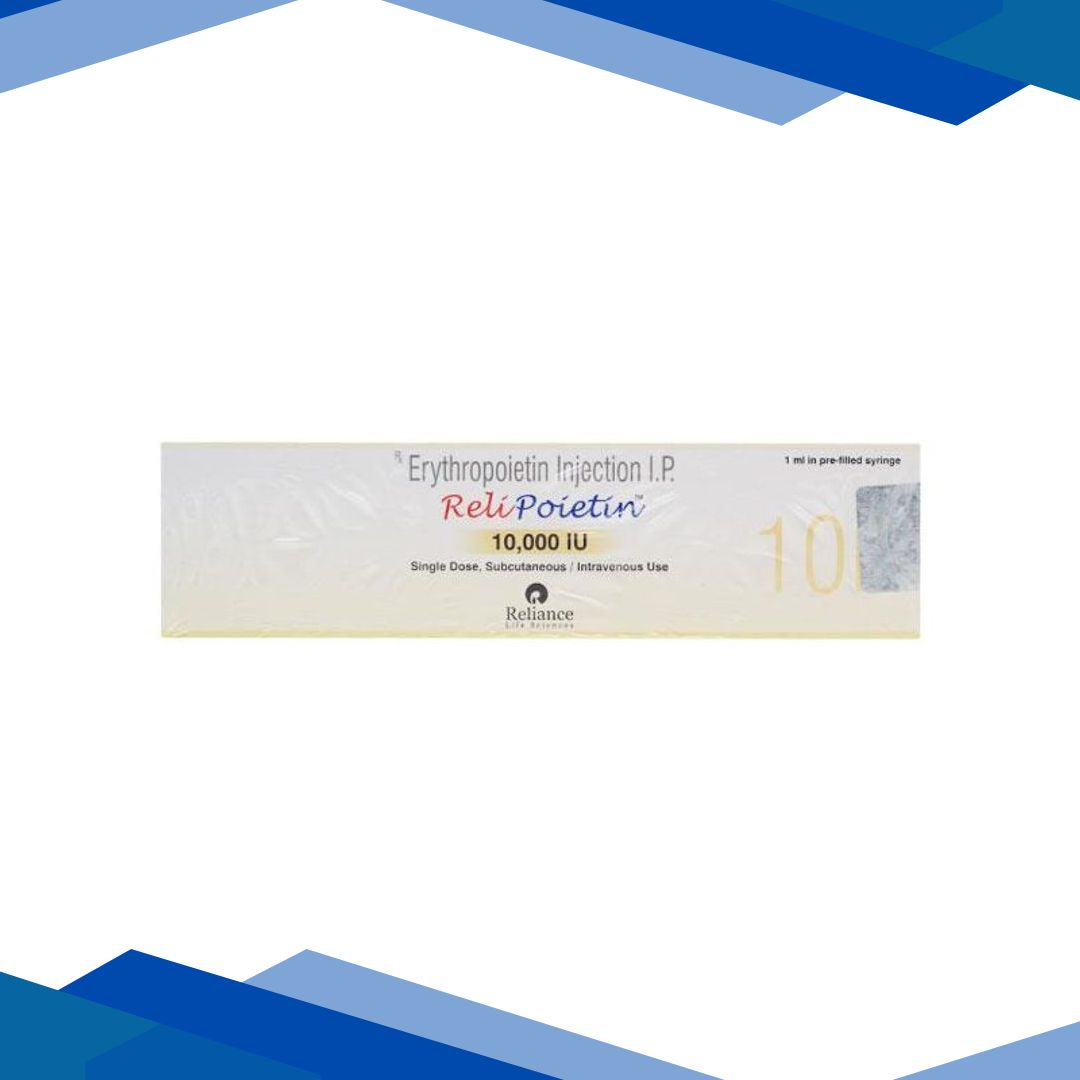
RELIPOIETIN 10000iu Injection 1’s
❌ Due to high demand, this product is currently out of stock. New stock will be available shortly.
👉 Click here to Buy Same Salt medicine
RELIPOIETIN 10000iu Injection is a medicine that combines aspirin with glycine to help relieve pain, reduce fever, and decrease inflammation. Aspirin works by blocking certain natural substances in the body that cause pain, swelling, and fever. Glycine is added to improve the tolerability of aspirin and support its use in the body. This medicine is commonly used for mild to moderate pain such as headache, toothache, muscle aches, and joint pain, as well as for fever and inflammation. In some cases, it may also be used under medical advice for cardiovascular protection. RELIPOIETIN 10000iu Injection should be used responsibly, especially in people with stomach problems, bleeding risk, or aspirin sensitivity, and it is best taken only when advised by a healthcare professional.
Description
RELIPOIETIN 10000iu Injection is a combination medicine that brings together aspirin, a well-known anti-inflammatory and antiplatelet agent, with glycine, an amino acid that is commonly used as a supportive component in certain formulations. in standard medical use, aspirin is the primary active ingredient responsible for most of the therapeutic effects. it works by reducing substances in the body that cause pain, fever, inflammation, and platelet aggregation. glycine is included in some formulations to support tolerability or formulation stability, and in some contexts it may help improve the handling of aspirin in the stomach. the exact role of glycine can vary depending on the product formulation, but the intended medical action of the combination remains centered on aspirin’s established pharmacological effects.
this medicine is generally used when a clinician wants the benefits of aspirin in a form that may be easier on the stomach or more suitable for specific treatment goals. aspirin is widely used for relief of mild to moderate pain, reduction of inflammation, lowering fever, and prevention of blood clots in certain patients at risk of heart attack or stroke. because aspirin can affect platelet function, it must be used carefully and is not appropriate for everyone. the presence of glycine does not remove aspirin’s important safety warnings, so the same precautions associated with aspirin still apply.
RELIPOIETIN 10000iu Injection may be recommended for adults who need aspirin-based therapy and who should be informed about its risks, interactions, and signs of overuse. it is important to understand that while this medicine can be very useful, it can also cause stomach irritation, bleeding, and other side effects, especially when taken with certain other medicines or in people with a history of ulcers or bleeding disorders. its use should always be based on a healthcare professional’s advice, particularly when it is being taken for heart protection or long-term treatment.
because aspirin can have serious effects even at usual doses in some people, this medicine should be selected thoughtfully. the most appropriate users are those for whom the benefits clearly outweigh the risks, such as patients needing antiplatelet therapy or relief from inflammatory discomfort under medical supervision. people who are pregnant, have active bleeding, have aspirin allergy, or have certain kidney, liver, or stomach conditions may need to avoid it or use it only with specialist guidance.
ingredients
- aspirin: the main active component. aspirin belongs to the salicylate class and works by blocking cyclooxygenase enzymes, which reduces prostaglandins and thromboxane. this leads to lower pain, less inflammation, reduced fever, and decreased platelet stickiness. in many patients, aspirin is also used in low-dose regimens to help prevent blood clots that can trigger heart attack or stroke.
- glycine: a naturally occurring amino acid included as part of the formulation. depending on the product design, glycine may help with stability, tolerability, or overall formulation performance. it does not replace aspirin’s activity but may support the medicinal preparation in a way that makes it more suitable for certain users.
- inactive ingredients: depending on the manufacturer, the tablet or capsule may contain additional non-medicinal substances such as binders, fillers, disintegrants, or coating agents. these do not provide therapeutic benefit but are used to make the product stable and easy to administer.
key uses
- pain relief: used for mild to moderate pain such as headache, muscle aches, dental discomfort, back pain, and other common painful conditions. aspirin reduces the chemical signals that contribute to pain perception.
- fever reduction: helps lower elevated body temperature caused by minor infections or inflammatory conditions. it may provide symptom relief, but the underlying cause of fever still needs proper assessment if symptoms are severe or persistent.
- inflammation control: can reduce swelling, redness, and joint stiffness in inflammatory conditions. this makes it useful in certain musculoskeletal or rheumatic conditions when recommended by a clinician.
- antiplatelet effect: in appropriate patients, aspirin helps prevent platelets from clumping together, which lowers the risk of clot-related events such as heart attack or ischemic stroke. this use is common in cardiovascular prevention when prescribed by a healthcare professional.
- supportive use in selected formulations: glycine-containing formulations may be used to improve product tolerability or formulation characteristics. the clinical purpose, however, still depends mainly on aspirin’s pharmacologic action.
how to use
RELIPOIETIN 10000iu Injection should be taken exactly as directed by a healthcare professional or according to the product label if it is an over-the-counter formulation. it is usually taken by mouth with a full glass of water. taking it with food or after meals may help reduce stomach upset, although some forms may have specific instructions based on how they are formulated. do not crush, chew, or break the medicine unless the label specifically says it is safe to do so, because altering the tablet may affect how it is absorbed or tolerated.
the timing of use depends on the reason for taking it. for pain or fever, it is generally used only for the shortest period needed to control symptoms. for heart or clot prevention, it may be used regularly as part of a longer-term plan, but only under medical supervision. because aspirin can affect bleeding, it is important not to start or stop regular use without discussing it with a doctor, especially if it is being used for cardiovascular protection. if you are unsure about how to take it, whether it should be taken with food, or whether it is appropriate to combine it with other medicines, seek professional advice.
safety information
- warnings: RELIPOIETIN 10000iu Injection can increase the risk of stomach irritation, ulcers, and bleeding. serious bleeding can occur in the digestive tract or elsewhere, particularly in older adults, people taking blood thinners, or those with a history of ulcers. it may also trigger allergic reactions in sensitive individuals, including wheezing, rash, swelling, or severe breathing difficulty. aspirin-containing products should not be given to children or teenagers with viral illnesses because of the risk of reye’s syndrome, a rare but serious condition.
- side effects: common side effects may include stomach discomfort, heartburn, nausea, mild indigestion, or easy bruising. some people may notice ringing in the ears, dizziness, or mild headache, especially if the dose is too high for them. serious side effects include black stools, vomiting blood, severe abdominal pain, asthma-like symptoms, facial swelling, severe rash, or signs of a major allergic reaction. any symptoms of unusual bleeding require prompt medical attention.
- precautions: use with caution if you have a history of peptic ulcer disease, gastrointestinal bleeding, asthma triggered by aspirin or nsaids, kidney disease, liver disease, gout, bleeding disorders, or planned surgery. people who drink alcohol regularly may have a higher risk of stomach bleeding. do not use it on your own if you are already taking another product that contains aspirin, salicylates, or similar pain relievers.
- pregnancy/breastfeeding: aspirin use in pregnancy requires medical guidance. it may be unsafe, especially later in pregnancy, because it can affect the baby’s circulation and increase bleeding risks. in breastfeeding, small amounts may pass into breast milk, so it should only be used if a healthcare professional says the benefit outweighs the risk. always ask for individualized advice if pregnant, trying to conceive, or nursing.
- interactions: RELIPOIETIN 10000iu Injection may interact with anticoagulants, antiplatelet medicines, other nsaids, corticosteroids, certain antidepressants, methotrexate, blood pressure medicines, and alcohol. these interactions can increase bleeding risk or alter how other treatments work. it may also reduce the safety or effectiveness of some medicines if taken together. always tell your doctor or pharmacist about every prescription, over-the-counter product, herbal supplement, or alcohol use before starting aspirin.
additional information
- storage: store at room temperature in a dry place away from excess heat, moisture, and direct light. keep the container tightly closed and out of reach of children. do not store in a bathroom if humidity is high. check the expiration date regularly and discard expired medicine safely.
- missed dose: if a dose is missed and the medicine is being taken on a schedule, take it as soon as remembered unless it is almost time for the next dose. do not take extra medicine to make up for a missed dose. if it is used only as needed for pain or fever, simply take it when symptoms warrant it, following label or clinician guidance.
- overdose: aspirin overdose can be dangerous and may cause ringing in the ears, rapid breathing, confusion, fever, vomiting, sweating, dizziness, drowsiness, or seizures. severe overdose can be life-threatening. if overdose is suspected, seek emergency help immediately or contact poison control right away. do not wait for symptoms to become severe.
- habit forming: no. RELIPOIETIN 10000iu Injection is not considered habit forming or addictive. however, long-term use may still be medically necessary in some patients, and stopping it suddenly without advice can be risky if it is being used for heart or stroke prevention.
frequently asked questions
Q: what is RELIPOIETIN 10000iu Injection used for?
A: RELIPOIETIN 10000iu Injection is commonly used for pain relief, fever reduction, inflammation control, and in some cases prevention of blood clots when aspirin therapy is medically indicated. the exact use depends on the formulation and your doctor’s recommendation.
Q: can i take RELIPOIETIN 10000iu Injection with food?
A: yes, it is often taken with food or after meals to help reduce stomach irritation. however, follow the specific instructions on the label or from your healthcare professional, since some formulations may have special directions.
Q: is RELIPOIETIN 10000iu Injection safe for children?
A: it is generally not recommended for children or teenagers with viral infections because aspirin can increase the risk of reye’s syndrome, a rare but serious condition. always ask a pediatrician before giving any aspirin-containing product to a child.
Q: what should i do if i notice black stools or vomiting blood?
A: these can be signs of gastrointestinal bleeding and need urgent medical attention. stop taking the medicine and seek immediate care or emergency help right away.
Q: can i use RELIPOIETIN 10000iu Injection with other painkillers?
A: not without advice. combining it with other nsaids, blood thinners, or certain prescription medicines can increase side effects and bleeding risk. a doctor or pharmacist should review your full medication list first.
Q: does RELIPOIETIN 10000iu Injection cause sleepiness?
A: sleepiness is not a common effect, but dizziness or general discomfort may occur in some people. if you feel unusually drowsy or unwell, especially after taking more than recommended, seek medical advice.
Q: can i stop RELIPOIETIN 10000iu Injection suddenly?
A: if you are taking it only occasionally for pain or fever, you can usually stop when no longer needed. but if it is being used regularly for heart or clot prevention, do not stop suddenly without medical guidance.
Q: is alcohol safe while taking RELIPOIETIN 10000iu Injection?
A: alcohol can increase the risk of stomach irritation and bleeding. it is best to limit or avoid alcohol while using this medicine, especially if you take it regularly or have a history of stomach problems.
Q: what if i have asthma?
A: some people with asthma are sensitive to aspirin and may develop wheezing or breathing difficulty. if you have asthma, particularly aspirin-sensitive asthma, consult a healthcare professional before use.
Q: why is glycine included in this medicine?
A: glycine is included as part of the formulation and may support stability or tolerability. it does not replace aspirin’s main medical action, which remains responsible for the medicine’s primary therapeutic effects.
this information is for educational purposes only and should not be considered medical advice. always consult a qualified healthcare professional before use.
At Gem Pharmacy, we make every effort to provide accurate, expert-written, and thoroughly reviewed information related to medicines. However, this information should not be considered a substitute for professional medical advice, diagnosis, or treatment from a qualified doctor.
The purpose of this information is to educate users and improve communication between patients and healthcare professionals. It should not be used to diagnose or treat any condition.
Always consult a certified healthcare professional before taking any medication.


Related products