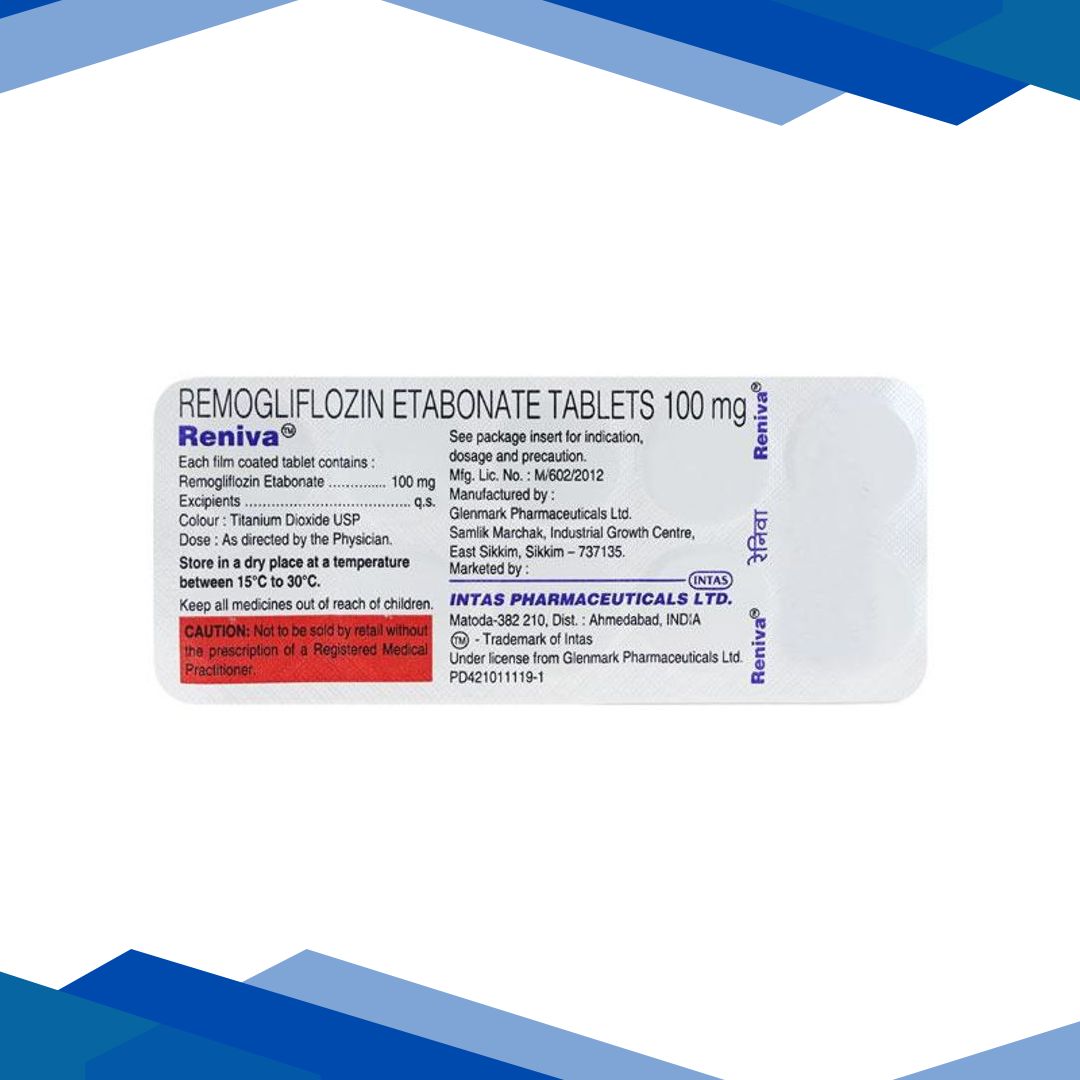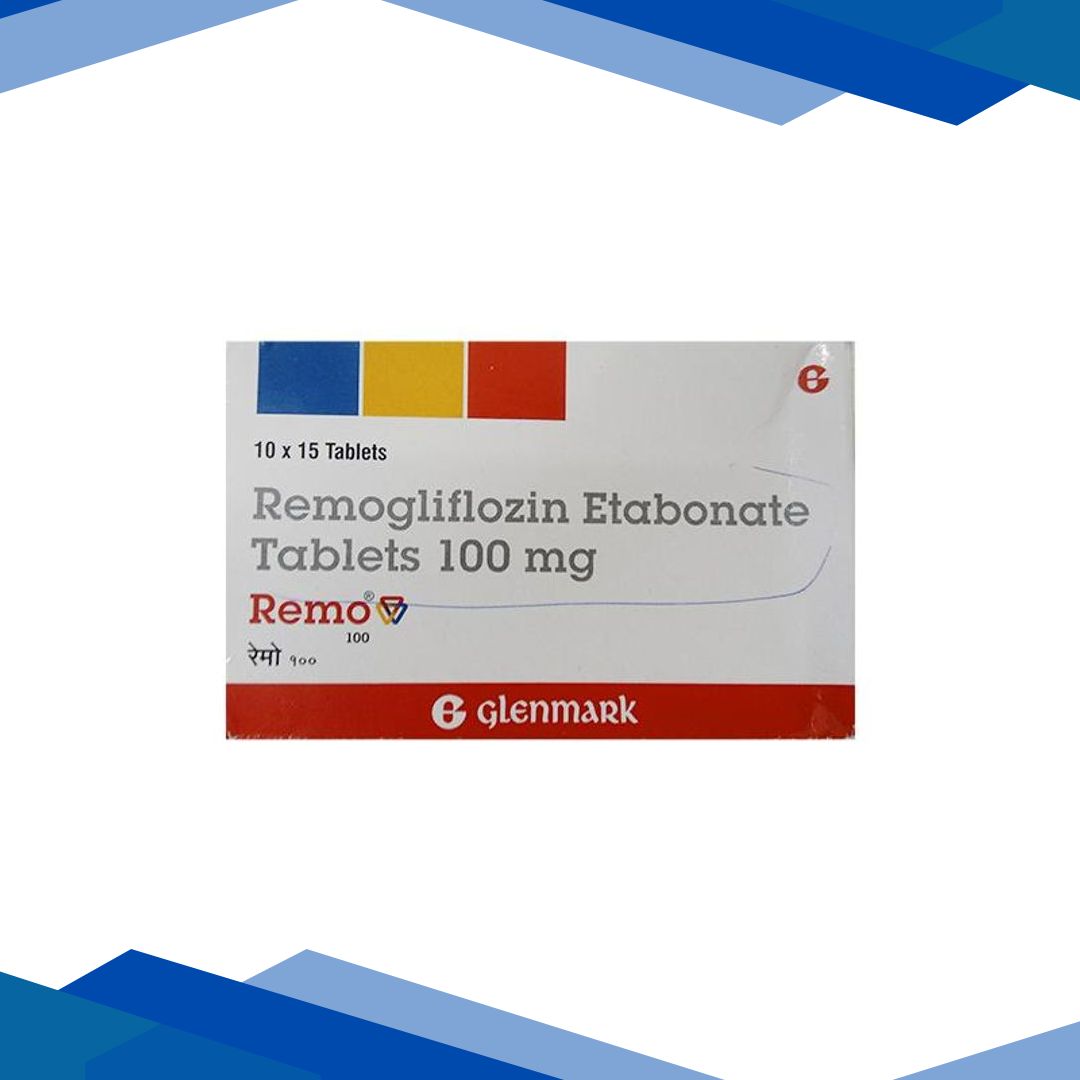
REMO 100 Tablet 15’s
REMO 100 Tablet is an oral medicine used to help manage type 2 diabetes. It belongs to a class of medicines that lower blood sugar by helping the kidneys remove extra glucose from the body through urine. This can reduce blood sugar levels and support better long-term diabetes control when used along with healthy eating, exercise, and regular medical care. REMO 100 Tablet is mainly prescribed for adults with type 2 diabetes, and in some cases it may also help lower the risk of diabetes-related complications when blood sugar is not well controlled. It is not used to treat type 1 diabetes or diabetic ketoacidosis. Like all diabetes medicines, it should be used under the guidance of a healthcare professional to ensure it is appropriate and safe for the individual.
Description
REMO 100 Tablet is a medicine used to help manage blood sugar levels in people with diabetes, especially type 2 diabetes, when lifestyle measures such as diet and exercise alone are not enough. it belongs to a group of medicines commonly known as sglt2 inhibitors. these medicines work in a unique way compared with many other diabetes drugs: instead of directly increasing insulin, they help the kidneys remove excess glucose through urine. by lowering the amount of glucose reabsorbed back into the bloodstream, REMO 100 Tablet can contribute to better long-term glycemic control.
this medicine is generally used as part of a broader diabetes management plan. that plan may include healthy eating, regular physical activity, weight control, and sometimes other glucose-lowering medicines. it is important to understand that REMO 100 Tablet does not cure diabetes, but it may help improve blood sugar control over time. in some patients, medicines in this class may also support modest weight reduction and can have favorable effects on blood pressure, though these effects are not the main purpose of treatment.
REMO 100 Tablet is typically considered for adults with type 2 diabetes who need additional support to reach blood sugar targets. it is not used for type 1 diabetes or for the emergency treatment of diabetic ketoacidosis. because it affects how the kidneys handle glucose and fluid balance, it requires careful use in people with kidney problems, dehydration risk, or certain other medical conditions. a healthcare professional should decide whether this medicine is suitable based on the person’s overall health, kidney function, and current medications.
like all medicines in this class, REMO 100 Tablet should be taken exactly as directed by a clinician. self-adjusting treatment, stopping other diabetes medicines suddenly, or failing to monitor blood sugar can lead to poor control or unwanted adverse effects. patients should also be aware of symptoms such as increased urination, thirst, genital infections, dizziness, and rare but serious complications like ketoacidosis. understanding how the medicine works and when to seek help is essential for safe use.
ingredients
- REMO 100 Tablet: this is the active medicinal ingredient. it helps lower blood glucose by blocking sodium-glucose cotransporter 2 (sglt2) in the kidneys, which reduces glucose reabsorption and increases glucose excretion in urine. this leads to improved glycemic control in people with type 2 diabetes.
- tablet or capsule excipients: depending on the product formulation, REMO 100 Tablet may be combined with inactive ingredients that help form the tablet, preserve stability, improve absorption, and support proper manufacturing. these may include binders, fillers, disintegrants, lubricants, or coating agents. inactive ingredients do not provide the therapeutic effect but are necessary for the medicine to be delivered properly.
key uses
- improving blood sugar control in type 2 diabetes: REMO 100 Tablet is used to help reduce elevated blood glucose when diet, exercise, and other measures are not enough. it is part of long-term diabetes management rather than a quick fix.
- as an add-on to other diabetes medicines: it may be prescribed together with other oral antidiabetic agents or insulin when a single medicine is not sufficient. this combination approach can help achieve better glucose control while using complementary mechanisms.
- support for overall metabolic management: in some patients, medicines of this class may help with modest weight reduction and small improvements in blood pressure due to fluid loss. these are additional effects and should not be considered the primary reason for treatment.
- reducing glucose burden on the kidneys and bloodstream: by helping the body eliminate excess sugar through urine, it can lower the circulating glucose load and improve day-to-day diabetes management.
how to use
REMO 100 Tablet should be taken only as advised by a healthcare professional. it is usually taken by mouth, and many patients are instructed to take it once daily, often at the same time each day to help maintain consistency. it may be taken with or without food, depending on the specific product instructions and the clinician’s recommendation. swallow the tablet or capsule with water and do not crush, split, or chew it unless your pharmacist or doctor specifically tells you that it is safe to do so.
because this medicine works by increasing glucose loss in urine, it may cause more frequent urination, especially at the beginning of treatment. it is important to maintain adequate fluid intake unless your doctor has instructed otherwise. blood sugar monitoring may still be required, especially if REMO 100 Tablet is used together with insulin or medicines that can cause low blood sugar. in those cases, the risk of hypoglycemia may be higher, and the overall treatment plan may need closer supervision.
patients should follow lifestyle advice carefully, including meal planning, regular exercise, and weight management. skipping meals, becoming dehydrated, or overexerting yourself may increase the risk of side effects. if any dose instructions are unclear, or if you have kidney disease, recurrent infections, or a history of diabetic ketoacidosis, it is especially important to discuss use with a healthcare professional before starting the medicine.
safety information
- warnings: REMO 100 Tablet can increase urination and may cause dehydration, dizziness, or low blood pressure, particularly in older adults or people taking diuretics. it can also increase the risk of genital fungal infections and urinary tract infections. rare but serious complications can include diabetic ketoacidosis, even when blood sugar is not extremely high. seek urgent medical help if you develop nausea, vomiting, abdominal pain, unusual tiredness, trouble breathing, or confusion.
- side effects: common side effects may include increased urination, thirst, urinary discomfort, genital itching or irritation, and mild dizziness. some people may also experience dehydration-related symptoms such as dry mouth or lightheadedness. serious side effects can include severe urinary infection, kidney function worsening, allergic reactions, or ketoacidosis. any severe, persistent, or unusual symptom should be assessed promptly by a healthcare professional.
- precautions: use caution in people with kidney impairment, recurrent urinary or genital infections, low blood pressure, dehydration, or a history of ketoacidosis. it may not be appropriate for people with type 1 diabetes or those with acute severe illness. older adults may be more sensitive to volume depletion and blood pressure drops. people who are fasting, vomiting, have reduced food intake, or are undergoing surgery may need special medical advice.
- pregnancy/breastfeeding: REMO 100 Tablet is generally not recommended during pregnancy unless a clinician determines the benefits outweigh the risks. diabetes management in pregnancy usually requires individualized treatment because fetal safety is a major concern. during breastfeeding, safety data may be limited, so medical advice is important before use. if you are pregnant, planning pregnancy, or breastfeeding, consult your healthcare professional before taking this medicine.
- interactions: REMO 100 Tablet may interact with other diabetes medicines, especially insulin or sulfonylureas, increasing the risk of low blood sugar when used together. diuretics may raise the chance of dehydration or low blood pressure. alcohol can increase the risk of dehydration and may also complicate blood sugar control. medicines that affect kidney function or blood pressure may require closer monitoring. always tell your doctor or pharmacist about all prescription, over-the-counter, and herbal products you use.
additional information
- storage: store REMO 100 Tablet at room temperature in a dry place, away from excess heat, moisture, and direct light. keep it in the original container if possible and out of reach of children and pets. do not store it in the bathroom unless the package specifically allows it, as humidity may affect product stability.
- missed dose: if you miss a dose, take it as soon as you remember unless it is almost time for the next scheduled dose. if the next dose is near, skip the missed dose and continue with your regular schedule. do not take two doses at once to make up for a missed one, as this may increase the risk of side effects.
- overdose: taking too much REMO 100 Tablet may lead to excessive urination, dehydration, dizziness, weakness, or low blood pressure. in severe cases, it could worsen kidney function or contribute to metabolic complications. if an overdose is suspected, seek immediate medical attention or contact poison control right away.
- habit forming: no. REMO 100 Tablet is not considered habit forming or addictive. however, it should be used regularly as prescribed to maintain blood sugar control. stopping it without medical guidance may cause blood glucose to rise again.
frequently asked questions
Q: what is REMO 100 Tablet used for?
A: REMO 100 Tablet is used to help lower blood sugar in adults with type 2 diabetes. it is usually part of a broader treatment plan that includes diet, exercise, and sometimes other medicines.
Q: how does REMO 100 Tablet work in the body?
A: it works by blocking sglt2 in the kidneys. this reduces the reabsorption of glucose and allows extra sugar to leave the body through urine, helping lower blood sugar levels.
Q: can REMO 100 Tablet cause low blood sugar?
A: by itself, it is less likely to cause low blood sugar than some other diabetes medicines. however, the risk can increase when it is taken with insulin or sulfonylureas, so monitoring may be needed.
Q: what are the most common side effects?
A: common side effects may include increased urination, thirst, dizziness, and genital or urinary tract infections. not everyone experiences these, but they should be reported if they become troublesome.
Q: should REMO 100 Tablet be used in type 1 diabetes?
A: no, it is generally not used in type 1 diabetes because it can increase the risk of serious ketoacidosis. a clinician should guide diabetes treatment choices based on the exact type of diabetes.
Q: can i take REMO 100 Tablet if i have kidney disease?
A: kidney function is very important with this medicine, and use may be limited or require caution depending on the severity of kidney disease. a healthcare professional should evaluate whether it is appropriate for you.
Q: does REMO 100 Tablet need to be taken with food?
A: it is often taken with or without food, but you should follow the specific directions given for your product. taking it at the same time each day can help you remember it better.
Q: what should i do if i feel dizzy or dehydrated while taking it?
A: drink fluids if appropriate and contact your healthcare professional, especially if symptoms are persistent, severe, or accompanied by fainting. dehydration may need medical evaluation, particularly if you are older or take water pills.
Q: can REMO 100 Tablet be stopped suddenly?
A: it should not be stopped without discussing it with your clinician, because blood sugar levels may rise again. if side effects or illness occur, medical advice can help determine the safest next step.
Q: is it safe to drink alcohol while taking REMO 100 Tablet?
A: alcohol may increase the risk of dehydration and can make blood sugar control less predictable. if you drink alcohol, do so only after discussing safety with your healthcare professional.
this information is for educational purposes only and should not be considered medical advice. always consult a qualified healthcare professional before use.
At Gem Pharmacy, we make every effort to provide accurate, expert-written, and thoroughly reviewed information related to medicines. However, this information should not be considered a substitute for professional medical advice, diagnosis, or treatment from a qualified doctor.
The purpose of this information is to educate users and improve communication between patients and healthcare professionals. It should not be used to diagnose or treat any condition.
Always consult a certified healthcare professional before taking any medication.


Related products