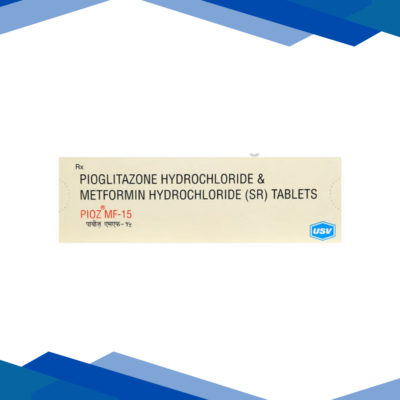
Metformin Hydrochloride
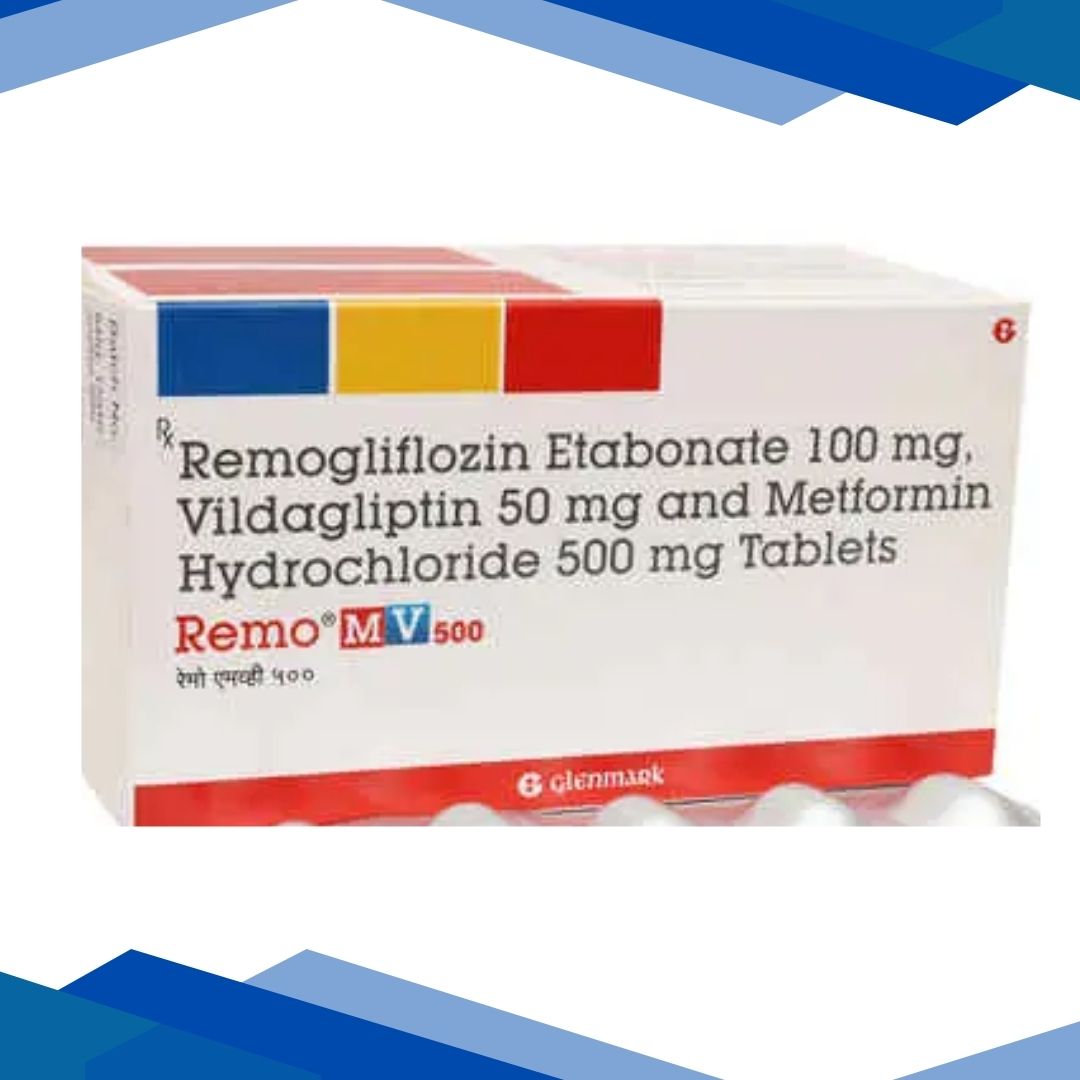
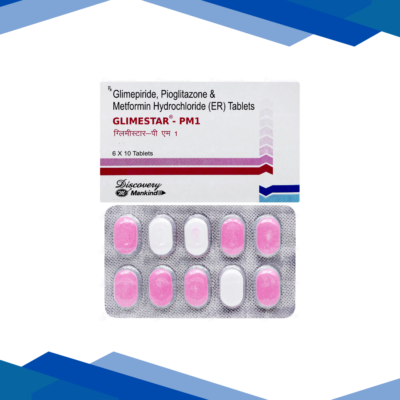
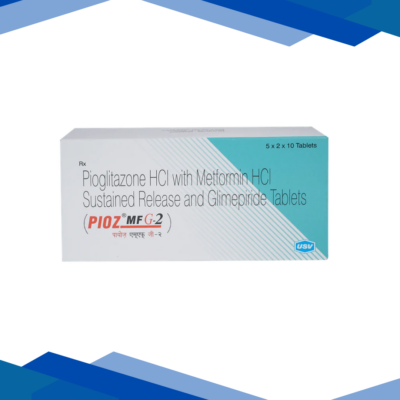
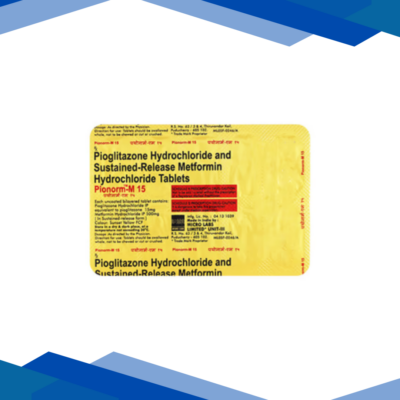
Metformin Hydrochloride Tablet
Metformin Hydrochloride is the most frequently bestowed as an initial monotherapy for Type 2 Diabetes Mellitus and belongs to the category of Biguanides (antidiabetics). Unlike several other antidiabetic agents, Metformin does not merely “add” insulin; it helps the body use insulin more effectively and reduces the release of glucose from the liver into the bloodstream.
Working
Decreasing Glucose Formation: Slows down the production of new glucose in the liver.
Boosting Insulin Sensitivity: Enhances the responsiveness of muscles and fat tissues to insulin, improving glucose uptake from blood.
Inhibiting Absorption: Delays intestinal absorption of glucose after meals, helping prevent sudden sugar spikes.
Advantages
Blood Sugar Monitoring: Effectively reduces HbA1c levels over time.
Weight Neutrality: Unlike some medications that cause weight gain, Metformin may lead to modest weight loss or remain weight-neutral.
Heart Protection: Long-term use may reduce cardiovascular risks in diabetic patients.
Polycystic Ovary Syndrome (PCOS): Often used off-label to regulate menstrual cycles and improve fertility.
Usage and Dosage Recommendations
Take with Food: Always take the medication with or after meals to reduce gastrointestinal side effects.
Swallow Whole: Especially for Sustained Release (SR) or Extended Release (ER) tablets—do not crush, chew, or break.
Consistency is Key: Take it at the same time daily to maintain stable blood levels.
Critical Considerations
Warning: Lactic Acidosis
Though rare, lactic acidosis is a serious condition, more likely in people with severe kidney impairment. Seek medical attention if you experience muscle pain, breathing difficulty, or unusual drowsiness.
Alcohol: Limit alcohol intake, as it may increase the risk of lactic acidosis or hypoglycemia.
Kidney Health: Regular monitoring of kidney function (Creatinine/eGFR) is essential during treatment.
Side Effects of Metformin
Most side effects are temporary and improve within a few weeks:
Diarrhea or loose stools
Nausea or vomiting
Metallic taste in the mouth
Abdominal bloating or gas
Note: Starting with a low dose and gradually increasing helps reduce these effects.
Frequently Asked Questions (FAQs)
Q: Will Metformin cause hypoglycemia?
A: The risk is low, as Metformin does not increase insulin production. However, hypoglycemia may occur when combined with insulin or sulfonylureas.
Q: Can I stop Metformin if my blood sugar is normal?
A: No. Metformin controls diabetes but does not cure it. Stopping suddenly may cause blood sugar levels to rise. Always consult your doctor.
Q: Can Metformin cause Vitamin B12 deficiency?
A: Yes, long-term use may reduce Vitamin B12 absorption. Watch for fatigue or tingling sensations and consult your doctor about supplementation.
Q: Why do I see a “shell” of the tablet in my stool?
A: This is normal with Extended Release (ER) tablets. The outer shell may pass intact after the medicine has been absorbed.
Q: Is it safe during pregnancy?
A: Generally considered safe when prescribed, especially for gestational diabetes or PCOS. Always consult your healthcare provider before use.
Remogliflozin Etabonate
Brand retrieved: Redensyl® Advanced Hair Growth Complex
Production: Givaudan (Swiss-formulated) / Different
Key Ingredients: DHQG, EGCG2, Zinc Chloride, Glycine
Application: Topical Leave-on Serum
Redensyl is considered to be the first cosmetic active ingredient for the hair based on regenerative medicine research. The higher specificity with which the molecular activation occurs within the stem cells of the hair follicle initiates a new growth cycle rather than just the age-old nourishing blood flow of some mainstream treatment methodologies. Redensyl, however, opens up a new era that is non-invasive and non-hormonal for those whose hair thinning and density problems are in the early-to-mid-stage.
How Redensyl Works: The Science
In summary, Redensyl is an integrated formula of four molecules acting together in a synergy for the scalp's return to health.
- DHQG: Dihydroquercetin-glucoside; a stabilized polyphenol that stimulates the division of hair follicle stem cells.
- EGCG2: Epigallocatechin gallate-glucoside, derived from green tea, fights inflammation on the scalp—an important reason behind hair fall.
- Zinc: Stimulates the addition of cystine into hair keratin, promoting strengthening of the hair shaft.
- Glycine: An essential amino acid, which is the most abundant hair protein.
achievement
Density Boost: Tri-cinical trials have shown an increase in hair density of up to 17% within 3 months.
Anti-shedding: Works to encourage the shedding hair from the Telogen phase to the Anagen phase.
No dependency: As opposed to some synthetic drugs that do not promise "rebound" hair loss upon ceasing use temporarily.
Scalp-friendly: Formulated to be non-oily and now generally free from the irritation arising from others like the alcohol-based minoxidil solution.
Usage & Safety
Feature
Guidance
Best Used For Pattern hair loss, thinning in the crown/parting, and postpartum hair fall.
Application Apply once daily (preferably at night) onto a clean, dry scalp. Do not rinse.
Expected Results Visible improvement usually begins at 8–12 weeks with consistent use.
Side Effects Minimal. Some rare patients may find some tingling on the scalp right after application or temporary redness.
Pregnancy Safe. Generally considered safe as it is non-hormonal, but always consult your OB-GYN first.
FAQs
Q: Can I apply Redensyl on oiled hair?
A: For maximum absorption, it is best applied to a clean, non-oily scalp. If you must oil your hair, do so at least 4–5 hours after applying the serum so the active molecules penetrate the follicles.
Vidagliptin
Vildagliptin 50mg Tablet
Vildagliptin is a DPP-4 inhibitor oral antidiabetic drug that is mainly used for the purpose of glucoregulation in adult Type 2 Diabetics. By raising the blood insulin produced by the body after meals and minimizing sugar from liver production, it prevents the deleterious effects of diabetes, such as kidney problems and nerve affections.
Its Main Benefits
Effectiveness in Glycemic Control: This helps maintain stable blood glucose values all day.
Weight Neutrality: Unlike certain types of antidiabetic drugs, Vildagliptin usage is only mildly burdened with body weight gain.
Low Risk of Hypoglycemia: There is no major risk of allergic reaction to hypoglycemia when using sulfonylureas.
Comfortable Dosage: Can be taken with or without food, hence can be conveniently included in daily routine.
How Does It Work
Working on the principle of inhibition of the DPP-4 enzyme, the following is seen to undo the otherwise fast breakdown of "incretin" hormones (GLP-1 and GIP). These hormones have a role in balancing blood sugar levels, leading to the following:
Pancreatic Stimulation: They stimulate insulin release when blood sugar is high.
Inhibition of Glucagon: Inhibits the hormone that tells the liver to release stored sugar.
Dosage Guidelines
Dose: Always stay with the dose given by your treating doctor. Normally, 50mg is to be taken either once or twice daily.
Method: The tablet should be swallowed whole with water. Breaking or chewing the tablet must be avoided.
What Should I Do if I Miss a Dose?
Take the skipped dose immediately. If it is about the timing of the next scheduled dose, reschedule the missed one. Never compensate by taking two doses.
Kids, Babies, and Pregnancies
For this cure, there is insufficient data on dwelling and utilization in children.
Known Side Effects
Some common side effects include:
Loose stools and insomnia
Muscle contractions
Local swelling in arms or legs
Extreme tiredness
Liver enzyme problems
Thrombocytopenia
Fever
Other serious actions include a panic attack, a sudden numbness in one arm with a weak muscle one side of the body, tension, nausea, observable blood values of a lowered number of white blood cells, and pain at the groin.
Kidney Concerns
The doctor may decide to carry out liver function tests (LFTs) before and during the treatment. Report any sign of yellowing of the eyes or skin to your doctor.
Alcohol
Minimize alcohol. If taken with the medication, alcohol can bring down sugar levels. It may also bring about some unforeseen outcomes.
Frequently Asked Questions (FAQs)
Q: Is Vildagliptin equal to Metformin?
A: No. They are not. Each treats Type 2 Diabetes in its own way. For example, Metformin improves insulin sensitivity while Vildagliptin supports hormone-enhanced insulin secretion. Both drugs may be prescribed together to attain better results.
Q: Could I quit using Vildagliptin when my sugar level is normal?
A: Definitely not. Diabetes demands constant treatment and medication. Stopping and starting therapy has the potential of creating a serious rout in your blood sugar levels causing long-term effects. Consult your physician before incorporating any changes.
Q: What shall I do if I forget to take a dose?
Take the missed dose as soon as you notice it; however, if the time left for your next scheduled dose is less than four hours, wait for it, and skip the missed dose. Never compensate with double doses.
Q: Can using Vildagliptin lead to weight loss?
Vildagliptin is weight-neutral. That is, unlike some of the older drugs for diabetes, it does not cause weight gain—neither is it intended to cause weight loss.
Q: How long does it take for Vildagliptin to work?
You may see an improvement in your blood sugar readings within a few days, but the full therapeutic effect usually takes 1–2 weeks of consistent use.