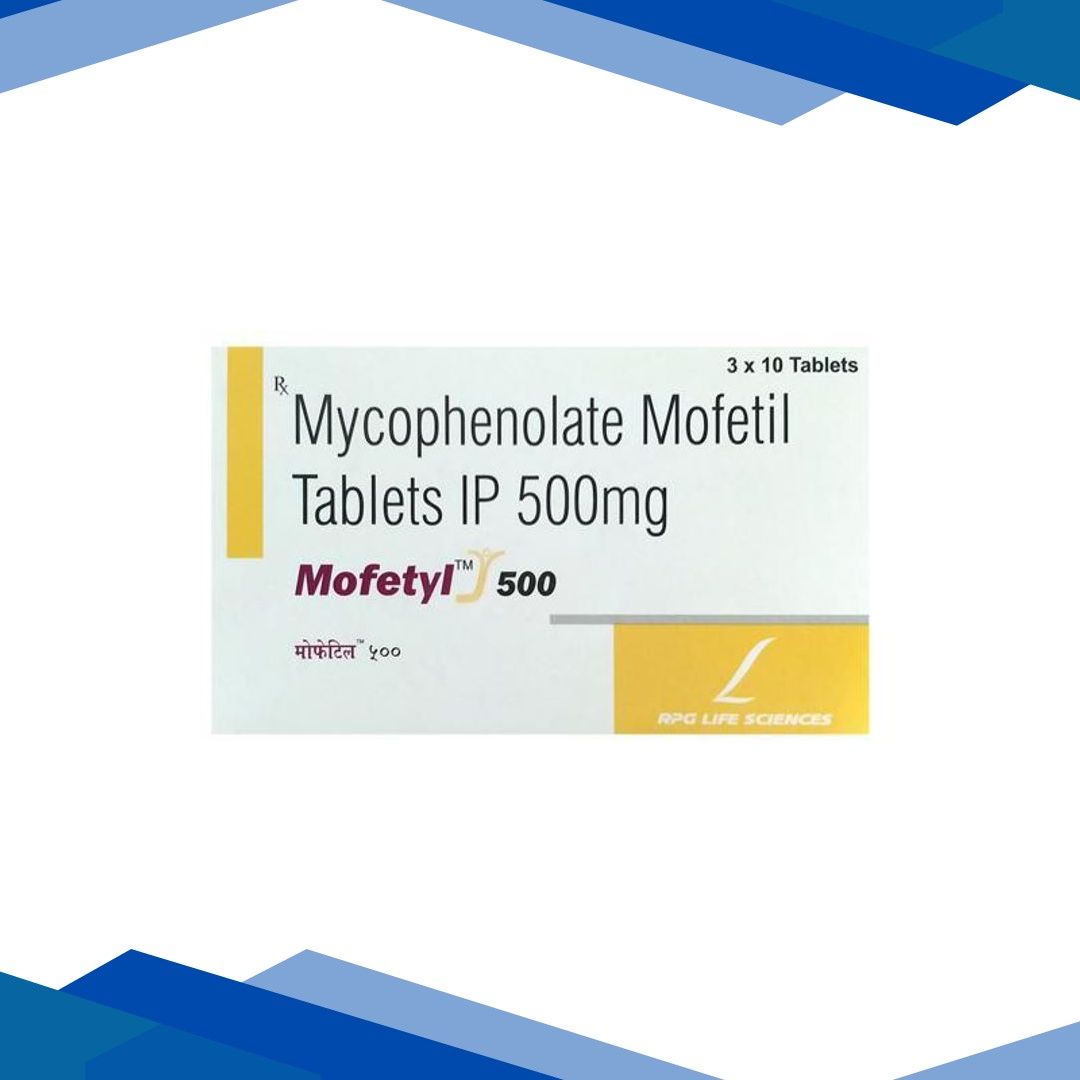
Renodapt 750mg Tablet 10’S
❌ Due to high demand, this product is currently out of stock. New stock will be available shortly.
👉 Click here to Buy Same Salt medicine
Renodapt 750mg Tablet is an immunosuppressive medicine that helps lower the activity of the body’s immune system. It works by blocking the growth of certain immune cells, which reduces inflammation and helps prevent the immune system from attacking healthy tissues or a transplanted organ. This medicine is mainly used to help prevent organ rejection after kidney, heart, or liver transplant. It may also be prescribed for certain autoimmune conditions, such as lupus or some kidney disorders, when a doctor feels it is appropriate. Because it can affect the immune system, Renodapt 750mg Tablet should be used under medical supervision. It is a well-established treatment in transplant care and selected immune-related conditions.
Description
Renodapt 750mg Tablet is a prescription immunosuppressive medicine used to help prevent the body from rejecting a transplanted organ and, in some cases, to manage certain autoimmune diseases under specialist care. it works by calming down an overactive immune response. this is important because the immune system is naturally designed to attack anything it sees as foreign, including a transplanted kidney, heart, or liver. by reducing the activity of specific immune cells, Renodapt 750mg Tablet helps protect the transplanted organ and supports long-term treatment success.
this medicine is not a pain reliever, antibiotic, or general anti-inflammatory drug. instead, it belongs to a class of medicines that suppress immune activity. its effects are most valuable when used exactly as prescribed and usually in combination with other medicines, such as calcineurin inhibitors and corticosteroids, depending on the condition being treated. because it affects the immune system, it can increase the risk of infections and certain blood-related side effects, so careful medical supervision is essential throughout treatment.
Renodapt 750mg Tablet is commonly used in transplant medicine, especially after kidney, heart, or liver transplantation, to lower the chance of acute rejection. in some patients, specialists may also use it off-label for immune-mediated diseases such as lupus nephritis or other autoimmune disorders when the expected benefit outweighs the risks. it is not suitable for self-treatment, and ongoing monitoring with blood tests and clinical review is a standard part of care.
the medicine is especially important for patients who need long-term immune suppression but must balance effectiveness with safety. since the immune system can be suppressed too much, the dose and overall treatment plan are individualized. people taking Renodapt 750mg Tablet should understand the purpose of the medicine, follow infection-prevention advice, attend laboratory monitoring appointments, and report symptoms such as fever, unusual bruising, diarrhea, or signs of organ rejection promptly.
ingredients
- Renodapt 750mg Tablet: this is the active ingredient. it is a prodrug, meaning the body converts it into its active form after absorption. the active form inhibits an enzyme needed for making purines, which are building blocks for dna. by limiting dna production, it reduces the ability of certain immune cells, especially lymphocytes, to multiply. this is the main reason it helps prevent transplant rejection and control autoimmune inflammation.
- tablet or capsule excipients: depending on the product, the medicine may also contain inactive ingredients such as fillers, binders, disintegrants, coloring agents, and coating materials. these ingredients help give the dosage form its shape, improve stability, and support proper absorption. they do not provide the therapeutic effect, but they are necessary for manufacturing and delivery.
- suspension base ingredients: if supplied as an oral suspension, additional ingredients may be present to maintain uniform mixing, improve taste, preserve the formulation, and ensure accurate dosing. these components vary by manufacturer and are not the medicinally active part of the product.
key uses
- prevention of organ rejection after transplantation: Renodapt 750mg Tablet is widely used to reduce the risk that the immune system will attack a transplanted organ. it is commonly part of combination therapy after kidney, heart, or liver transplant.
- maintenance immunosuppression: it helps maintain long-term suppression of the immune response after initial transplant stabilization. this lowers the likelihood of acute rejection episodes and helps support graft survival.
- autoimmune disease management under specialist supervision: in selected patients, clinicians may use Renodapt 750mg Tablet for certain autoimmune conditions, especially when immune suppression is needed to reduce organ inflammation or immune-driven tissue damage.
- reduction of immune-mediated inflammation: by lowering lymphocyte proliferation, the medicine can help decrease the immune attack that drives some chronic inflammatory and autoimmune processes, when prescribed appropriately by a specialist.
how to use
Renodapt 750mg Tablet should be taken exactly as directed by a healthcare professional. it is usually taken by mouth as tablets, capsules, or oral suspension, and the timing is often set to maintain steady levels in the body. many patients are instructed to take it at the same times each day, with or without food, depending on the prescribed regimen and how well it is tolerated. taking it consistently is important because missing doses or changing the schedule can reduce its effectiveness and increase the risk of transplant rejection or disease flare.
if the medicine causes stomach upset, taking it with food may help some people tolerate it better, although food can affect absorption in some cases. the oral suspension should be measured carefully using the provided device, not a household spoon, to avoid dosing errors. tablets and capsules should be swallowed as directed and not crushed, opened, or chewed unless a healthcare professional specifically says it is appropriate. patients should not stop the medicine suddenly without medical advice, because abrupt discontinuation may be dangerous, especially after transplantation.
because Renodapt 750mg Tablet is an immunosuppressant, monitoring is a normal part of treatment. doctors often order blood tests to check blood cell counts, kidney and liver function, and overall response to therapy. patients should also follow infection-prevention measures such as hand hygiene, avoiding close contact with people who are ill, and promptly reporting fever or other signs of infection. if a dose is missed, the advice may depend on how much time has passed, so patients should follow their prescriber’s instructions or the product guidance provided by their healthcare team.
safety information
- warnings: Renodapt 750mg Tablet can seriously weaken the immune system, making infections more likely and sometimes more severe. it may also increase the risk of certain cancers, especially skin cancers and lymphoproliferative disorders, with long-term use. regular medical monitoring is essential. patients should seek urgent care for fever, persistent cough, shortness of breath, painful urination, unusual bleeding, black stools, severe diarrhea, or symptoms of rejection such as swelling, tenderness over a transplant site, reduced organ function, or sudden changes in laboratory results.
- side effects: common side effects can include diarrhea, nausea, vomiting, abdominal pain, loss of appetite, tiredness, headache, and mild infections. more serious side effects may include low white blood cell count, anemia, low platelet count, severe gastrointestinal irritation or bleeding, serious infections, and rarely severe allergic reactions. some people may experience mouth sores or increased susceptibility to opportunistic infections because of immune suppression.
- precautions: people with active serious infections, significant blood count problems, or known allergy to the medicine should avoid it unless a specialist determines it is essential. extra caution is needed in people with liver or kidney disease, a history of cancers, gastrointestinal ulcers, or severe digestive problems. it should be used only under specialist supervision in transplant recipients and selected autoimmune disease patients. laboratory monitoring is important to detect toxicity early.
- pregnancy/breastfeeding: Renodapt 750mg Tablet can cause serious harm to an unborn baby and is strongly associated with pregnancy loss and congenital malformations. it should not be used during pregnancy unless there is no safer alternative and a specialist is closely involved. people who can become pregnant usually need pregnancy testing and effective contraception during treatment and for a period after stopping, as directed by a healthcare professional. breastfeeding is generally not recommended because the medicine may pass into breast milk and may affect the infant.
- interactions: Renodapt 750mg Tablet can interact with antacids containing magnesium or aluminum, cholestyramine, activated charcoal, some antibiotics, and certain medications that affect gut absorption or liver processing. other immunosuppressants may increase the risk of infection and blood problems when used together. live vaccines should generally be avoided while on this medicine because immune response may be impaired and vaccine-related infection could occur. alcohol does not have a classic direct interaction, but it may worsen stomach irritation or liver strain, so patients should ask their clinician whether alcohol is appropriate.
additional information
- storage: store the medicine at room temperature in a dry place, away from excessive heat, moisture, and direct sunlight, unless the label gives different instructions. keep it in its original container and out of reach of children and pets. oral suspension products may have special storage or handling requirements, so follow the manufacturer’s directions closely. do not use the medicine past its expiration date.
- missed dose: if a dose is missed, it should generally be taken as soon as remembered unless it is almost time for the next dose. if it is close to the next scheduled dose, skip the missed dose and return to the regular schedule. do not take two doses at once unless specifically instructed by a healthcare professional. because dosing consistency matters, patients should ask their prescriber what to do if doses are missed often.
- overdose: an overdose may increase the risk of severe diarrhea, vomiting, abdominal pain, low blood counts, and increased infection risk. serious overdose symptoms can include profound weakness, bleeding, or signs of infection. if an overdose is suspected, seek emergency medical help or contact poison control immediately. do not wait for symptoms to appear before getting advice.
- habit forming: no. Renodapt 750mg Tablet is not considered habit-forming or addictive. however, it must be taken consistently and only as prescribed because stopping it suddenly or taking it incorrectly can lead to serious medical problems, especially transplant rejection.
frequently asked questions
Q: what is Renodapt 750mg Tablet used for?
A: Renodapt 750mg Tablet is mainly used to help prevent organ rejection after transplantation. in some specialist-guided cases, it is also used for certain autoimmune diseases when immune suppression is needed.
Q: how does Renodapt 750mg Tablet work?
A: it reduces the ability of certain white blood cells, especially lymphocytes, to multiply. this lowers immune activity and helps protect a transplanted organ or calm autoimmune inflammation.
Q: can i take Renodapt 750mg Tablet with food?
A: it may be taken with or without food depending on your prescription and how you tolerate it. some people take it with food to reduce stomach upset, but you should follow your clinician’s instructions for best results.
Q: what are the most common side effects?
A: common side effects include diarrhea, nausea, vomiting, abdominal discomfort, headache, tiredness, and increased infection risk. blood count changes can also occur and are usually checked with laboratory tests.
Q: why are blood tests needed during treatment?
A: blood tests help monitor for low blood cell counts, organ function changes, and signs that the medicine is working safely. monitoring is important because some serious side effects may not be obvious at first.
Q: is Renodapt 750mg Tablet safe during pregnancy?
A: it is generally not safe during pregnancy because it can seriously harm an unborn baby. people who may become pregnant should use effective contraception and follow medical guidance before, during, and after treatment.
Q: can i receive vaccines while taking this medicine?
A: some vaccines may still be recommended, but live vaccines are usually avoided because the immune response may be weaker and safety may be a concern. always ask your healthcare professional before receiving any vaccine.
Q: should i stop the medicine if i feel better?
A: no. do not stop Renodapt 750mg Tablet on your own, especially after a transplant. stopping suddenly can increase the risk of rejection or disease flare, so any changes should be made only with medical advice.
Q: what should i do if i develop diarrhea?
A: diarrhea can happen with Renodapt 750mg Tablet and sometimes becomes severe. if it is persistent, watery, bloody, or associated with weakness or dehydration, contact your healthcare professional promptly for advice.
Q: can this medicine increase infection risk?
A: yes. because it suppresses immune function, it can make infections more likely and sometimes more severe. fever, cough, painful urination, or unusual symptoms should be reported to a clinician quickly.
Q: does it cause weight gain?
A: weight gain is not one of the most typical direct effects, although overall treatment plans, steroid co-therapy, appetite changes, or fluid balance may affect body weight in some patients.
Q: can i drink alcohol while taking it?
A: alcohol is not known for a major direct interaction, but it may worsen stomach irritation or liver-related concerns. it is best to ask your healthcare professional whether alcohol is appropriate for your situation.
Q: how long does it take to work?
A: the effect on immune suppression begins after the medicine is absorbed, but the full clinical benefit is usually seen over time and depends on the condition being treated and the rest of the treatment plan.
Q: is this medicine used alone?
A: often it is used as part of combination therapy, especially after transplantation. other medicines may be needed to provide stronger and safer immune control than a single drug alone.
Q: what if i miss more than one dose?
A: if you miss multiple doses, contact your healthcare professional for advice. repeated missed doses can reduce protection against organ rejection or disease flare, so it should be addressed promptly.
Q: can it affect blood counts?
A: yes. Renodapt 750mg Tablet can lower white blood cells, red blood cells, and sometimes platelets. this is one reason routine blood monitoring is important during therapy.
Q: why must i tell my doctor about all my medicines?
A: some medicines can reduce absorption, increase side effects, or interact with the immune-suppressing effect of Renodapt 750mg Tablet. sharing your full medication list helps prevent harmful interactions.
Q: is it safe for older adults?
A: it can be used in older adults when prescribed, but they may be more vulnerable to infections, blood count changes, and other side effects. careful monitoring is especially important in this group.
Q: can children take Renodapt 750mg Tablet?
A: in some cases, yes, but only when prescribed by a specialist familiar with pediatric dosing and monitoring. safety, effectiveness, and follow-up requirements depend on the child’s condition and treatment goals.
Q: what symptoms suggest rejection after a transplant?
A: symptoms vary by organ and may include reduced organ function, swelling, tenderness, fever, fatigue, decreased urine output, shortness of breath, or abnormal test results. contact the transplant team urgently if rejection is suspected.
this information is for educational purposes only and should not be considered medical advice. always consult a qualified healthcare professional before use.
At Gem Pharmacy, we make every effort to provide accurate, expert-written, and thoroughly reviewed information related to medicines. However, this information should not be considered a substitute for professional medical advice, diagnosis, or treatment from a qualified doctor.
The purpose of this information is to educate users and improve communication between patients and healthcare professionals. It should not be used to diagnose or treat any condition.
Always consult a certified healthcare professional before taking any medication.


Related products
Myfortic 180mg Tablet 10’S