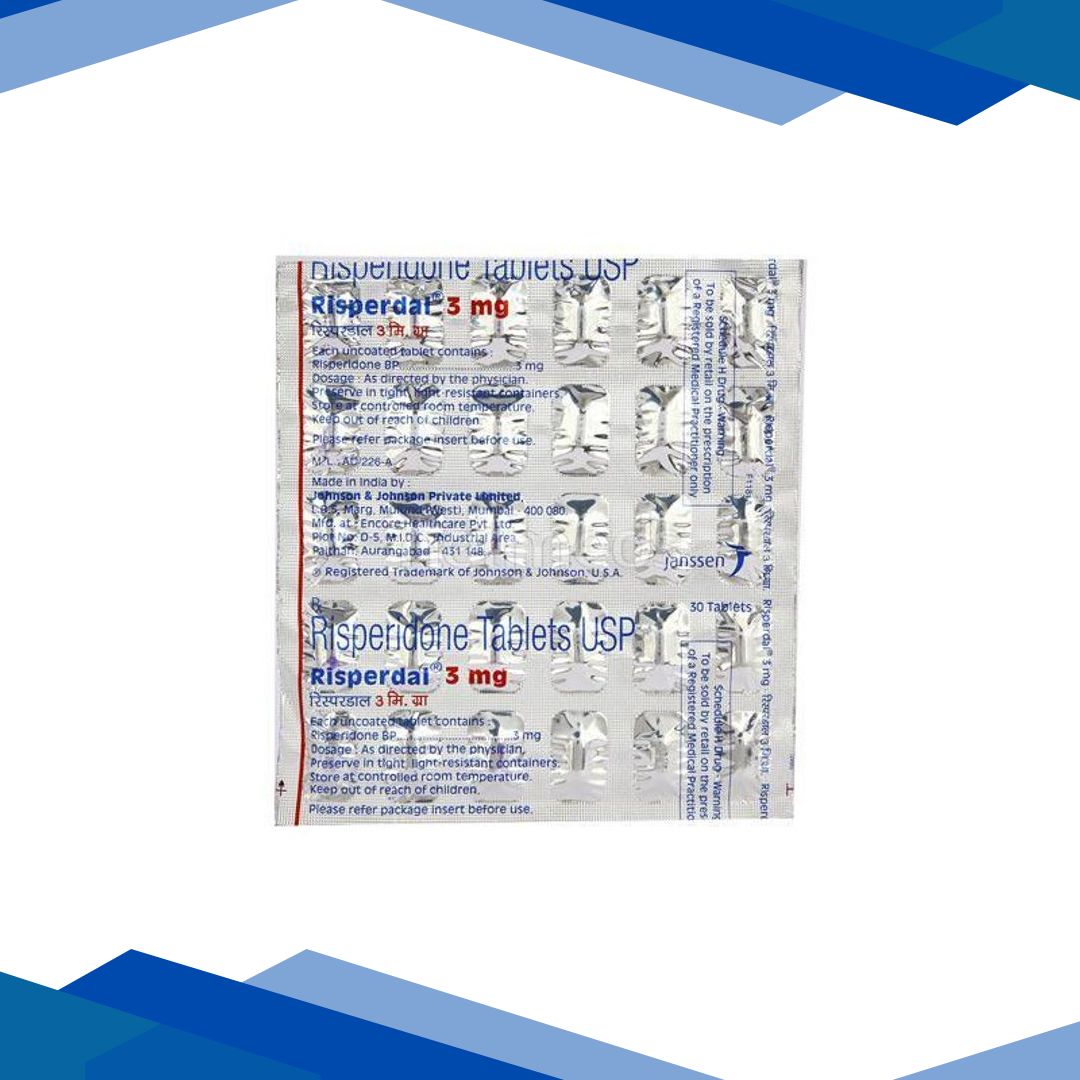
Risperdal 3mg Tablet 30’S
❌ Due to high demand, this product is currently out of stock. New stock will be available shortly.
👉 Click here to Buy Same Salt medicine
Risperdal 3mg Tablet is a combination medicine used mainly to help manage certain mental health conditions, especially schizophrenia and other psychotic disorders. It contains risperidone, an antipsychotic that works by helping balance certain natural chemicals in the brain, which can reduce symptoms such as hallucinations, delusions, agitation, and confused thinking. Trihexyphenidyl is added to help prevent or reduce movement-related side effects that may occur with antipsychotic treatment, such as stiffness, tremors, or muscle tightness. This combination may improve comfort and treatment tolerance in some patients. It should be used under medical supervision, as the right choice depends on the individual’s symptoms, overall health, and response to treatment.
Description
Risperdal 3mg Tablet is a fixed-dose combination medicine used mainly in the management of certain psychiatric and movement-related symptoms, especially when a person needs antipsychotic treatment along with protection against drug-induced stiffness, tremor, or restlessness. the combination brings together two medicines with different actions: risperidone, an atypical antipsychotic, and trihexyphenidyl, an anticholinergic medicine. together, they may help reduce symptoms such as hallucinations, delusions, severe agitation, disorganized thinking, and some movement side effects that can occur with antipsychotic therapy.
risperidone works by affecting the activity of dopamine and serotonin in the brain. these chemicals play major roles in mood, behavior, perception, and thought processes. by helping rebalance these signals, risperidone can reduce psychotic symptoms and improve emotional stability. trihexyphenidyl works differently: it helps reduce excessive acetylcholine activity in the nervous system, which can ease muscle stiffness, tremor, and other extrapyramidal symptoms that may occur with some antipsychotic medicines. this makes the combination useful in certain patients who are sensitive to movement-related side effects.
this medicine is generally prescribed for conditions where antipsychotic treatment is appropriate and where the prescriber believes that prevention or relief of tremor, rigidity, drooling, or involuntary muscle movements is needed. it is not a first-line medicine for all mental health conditions and should only be used under medical supervision. because both components can affect the brain and nervous system, careful monitoring is important, especially in older adults, people with heart problems, people with glaucoma, and those with urinary or bowel issues.
although Risperdal 3mg Tablet may improve symptoms significantly in the right patient, it can also cause sedation, dry mouth, constipation, dizziness, and confusion in some individuals. it is important to understand that this medicine does not cure the underlying psychiatric disorder; rather, it helps control symptoms. regular follow-up with a psychiatrist or qualified healthcare professional is essential to ensure the benefits continue to outweigh the risks.
ingredients
- risperidone: risperidone is the antipsychotic component of the combination. it helps control psychotic symptoms by blocking specific dopamine and serotonin receptors in the brain. this action can reduce hallucinations, delusions, aggression, severe irritability, and thought disturbances. it is also used in some patients to improve mood stability and behavioral control. because it influences brain signaling, risperidone must be used cautiously and monitored for metabolic, hormonal, and movement-related side effects.
- trihexyphenidyl: trihexyphenidyl is the anticholinergic component. it helps reduce muscle stiffness, tremor, slowed movement, and other extrapyramidal symptoms that may happen with antipsychotic medicines. it can also reduce uncomfortable involuntary movements in some patients. however, because it can dry secretions and slow body functions, it may cause dry mouth, blurred vision, constipation, urinary retention, and confusion, particularly in older adults.
- inactive ingredients: depending on the manufacturer, the tablet or capsule may contain excipients such as binders, fillers, disintegrants, and coating materials. these do not provide therapeutic effect but help with stability, absorption, manufacturing, and swallowing. patients with allergies or intolerance to specific excipients should check the product label or ask a pharmacist.
key uses
- schizophrenia and related psychotic disorders: this combination may be used to help control hallucinations, delusions, suspiciousness, and disorganized thinking. risperidone addresses the psychotic symptoms, while trihexyphenidyl helps reduce movement side effects if they occur.
- bipolar disorder with psychotic features or severe agitation: in selected cases, risperidone may help manage acute manic symptoms, aggression, or psychosis. trihexyphenidyl may be included when there is a risk of stiffness or tremor related to treatment.
- extrapyramidal symptom prevention or relief: trihexyphenidyl can help reduce tremor, muscle tightness, restlessness, and abnormal posturing that can develop with antipsychotic use. this is especially useful in patients who are prone to such side effects.
- behavioral stabilization in carefully selected patients: under specialist supervision, the combination may be used when a patient needs antipsychotic therapy and has a known history of movement side effects with similar medications.
how to use
Risperdal 3mg Tablet should be taken exactly as prescribed by a healthcare professional. it is usually taken by mouth, with or without food, depending on the product and the clinician’s instructions. taking it at the same time each day can help maintain steady medicine levels and improve adherence. some people may prefer taking it after food if stomach upset occurs, although this does not apply to every formulation.
do not change the dose, stop the medicine suddenly, or take extra tablets because symptoms are not improving quickly. antipsychotic medicines often take time to show their full benefit, and abrupt stopping may lead to symptom return or withdrawal-related problems. if the medicine causes sleepiness, the prescriber may suggest taking it in the evening, but timing should be based on professional advice. swallow the tablet/capsule with water and follow the specific instructions for your prescribed formulation.
if your healthcare professional has advised regular monitoring, attend all follow-up appointments. these may include checks of weight, blood sugar, lipids, blood pressure, movement symptoms, mental status, and sometimes heart rhythm. if you notice increasing stiffness, severe restlessness, confusion, extreme sleepiness, or trouble urinating, contact your prescriber promptly. never share this medicine with anyone else, even if their symptoms seem similar.
safety information
- warnings: this medicine can cause sedation, dizziness, low blood pressure, and changes in movement. risperidone may increase prolactin levels, which can affect menstrual cycles, sexual function, and breast symptoms. rare but serious reactions include neuroleptic malignant syndrome, severe allergic reactions, stroke risk in some elderly patients with dementia-related psychosis, and significant movement disorders. trihexyphenidyl can worsen glaucoma, urinary retention, constipation, and confusion.
- side effects: common side effects may include drowsiness, dry mouth, constipation, blurred vision, dizziness, nausea, weight gain, restlessness, and tremor. more serious side effects can include severe muscle rigidity, fever, confusion, uncontrollable movements, fainting, fast heartbeat, seizures, difficulty urinating, severe constipation, or signs of high blood sugar such as excessive thirst and frequent urination.
- precautions: use with caution in people with glaucoma, prostate enlargement, urinary retention, bowel obstruction, heart disease, diabetes, liver problems, kidney impairment, seizure disorders, parkinsonism, and a history of stroke. older adults may be more sensitive to confusion, falls, and anticholinergic effects. patients with dementia-related psychosis generally should not use antipsychotic medicines unless specifically directed by a specialist because of increased risk of serious adverse outcomes.
- pregnancy/breastfeeding: use during pregnancy only if the expected benefit justifies the potential risk. risperidone may affect the newborn if used late in pregnancy, and trihexyphenidyl safety data are limited. during breastfeeding, risperidone may pass into breast milk and trihexyphenidyl may reduce milk production or affect the infant. a doctor should assess the risks and benefits carefully before use.
- interactions: alcohol can increase drowsiness, dizziness, and impaired judgment and should generally be avoided. other central nervous system depressants, opioids, sleeping tablets, and some anxiety medicines may increase sedation. anticholinergic drugs can intensify dry mouth, constipation, and confusion. medicines that affect heart rhythm, blood pressure, dopamine, or serotonin may also interact. always tell your healthcare provider about all prescription medicines, over-the-counter products, supplements, and herbal products you use.
additional information
- storage: store in a cool, dry place away from direct sunlight, heat, and moisture. keep it in the original container, tightly closed, and out of reach of children and pets. do not store in bathrooms unless specifically recommended by the manufacturer.
- missed dose: if you miss a dose, take it when you remember unless it is almost time for the next dose. if it is nearly time for the next scheduled dose, skip the missed dose and continue as normal. do not double the dose to make up for the missed one.
- overdose: an overdose may cause severe drowsiness, confusion, fast or irregular heartbeat, fainting, agitation, severe restlessness, muscle stiffness, tremor, low blood pressure, or breathing problems. seek emergency medical help immediately or contact poison control right away if overdose is suspected. keep the medicine container available for identification.
- habit forming: no, this medicine is not considered habit forming in the way that addictive sedatives or narcotic medicines are. however, it should still be used carefully and only as directed, because sudden stopping or misuse can cause serious symptom recurrence or unwanted effects.
frequently asked questions
Q: what is Risperdal 3mg Tablet used for?
A: it is used for selected psychiatric conditions, especially when an antipsychotic is needed and there is a need to help prevent or treat movement-related side effects such as stiffness, tremor, or restlessness.
Q: how long does Risperdal 3mg Tablet take to work?
A: some effects such as calming or reduced agitation may appear earlier, but full benefit for psychiatric symptoms can take time. the exact response varies from person to person, so continue taking it only as directed and follow up with your doctor.
Q: can i stop this medicine suddenly if i feel better?
A: no, stopping suddenly is not recommended. abrupt discontinuation may cause symptoms to return or worsen and can also lead to other problems. any change should be made under medical supervision.
Q: does this medicine cause sleepiness?
A: yes, drowsiness or sleepiness can occur, especially when treatment is started or when the dose is adjusted. until you know how it affects you, avoid driving, operating machinery, or other tasks requiring alertness.
Q: can Risperdal 3mg Tablet cause weight gain?
A: weight gain can occur with risperidone in some people. maintaining a balanced diet, regular physical activity, and routine monitoring of weight and metabolic health may be advised by your healthcare professional.
Q: why is trihexyphenidyl added to risperidone?
A: trihexyphenidyl is added to help reduce or prevent movement-related side effects such as stiffness, tremor, or muscle spasms that may happen with antipsychotic treatment in certain patients.
Q: is alcohol safe with this medicine?
A: alcohol is generally not recommended because it can increase drowsiness, dizziness, and impaired coordination, and may make side effects more dangerous.
Q: what should i do if i feel very stiff, feverish, or confused?
A: seek urgent medical attention immediately. these can be signs of a serious reaction that requires prompt evaluation.
Q: can this medicine affect vision or urination?
A: yes, trihexyphenidyl can cause blurred vision and urinary retention. if these symptoms become troublesome or severe, contact your healthcare provider promptly.
Q: is this medicine suitable for older adults?
A: it may be used in some older adults only with careful supervision, because they are more likely to experience confusion, falls, constipation, urinary problems, and other side effects.
Q: can i take it with other psychiatric medicines?
A: sometimes yes, but only under medical supervision. many psychiatric medicines can interact, increase sedation, or alter movement symptoms, so the full treatment plan should be reviewed by a doctor or pharmacist.
Q: what if i forget to take a dose?
A: take it when remembered unless the next dose is close. if it is almost time for the next dose, skip the missed one and continue normally. do not take extra medicine to compensate.
this information is for educational purposes only and should not be considered medical advice. always consult a qualified healthcare professional before use.
At Gem Pharmacy, we make every effort to provide accurate, expert-written, and thoroughly reviewed information related to medicines. However, this information should not be considered a substitute for professional medical advice, diagnosis, or treatment from a qualified doctor.
The purpose of this information is to educate users and improve communication between patients and healthcare professionals. It should not be used to diagnose or treat any condition.
Always consult a certified healthcare professional before taking any medication.


Related products