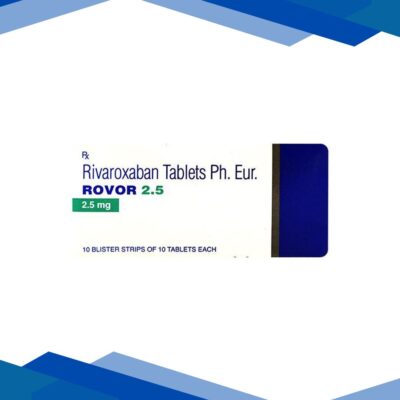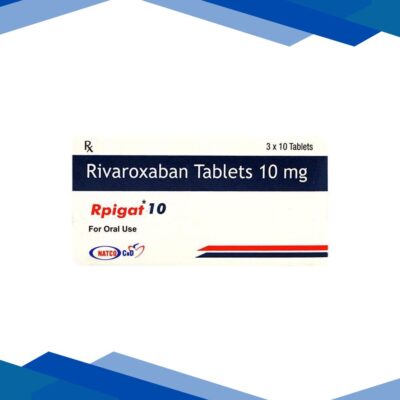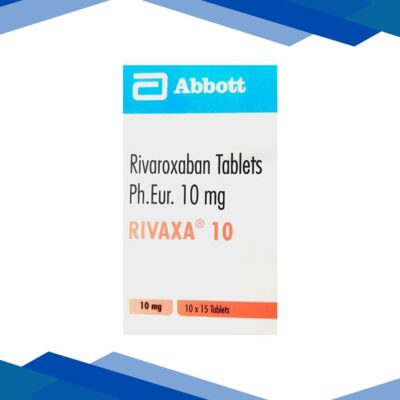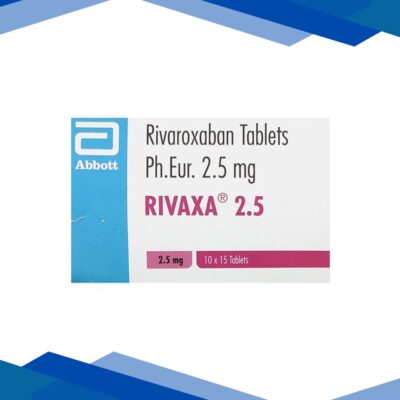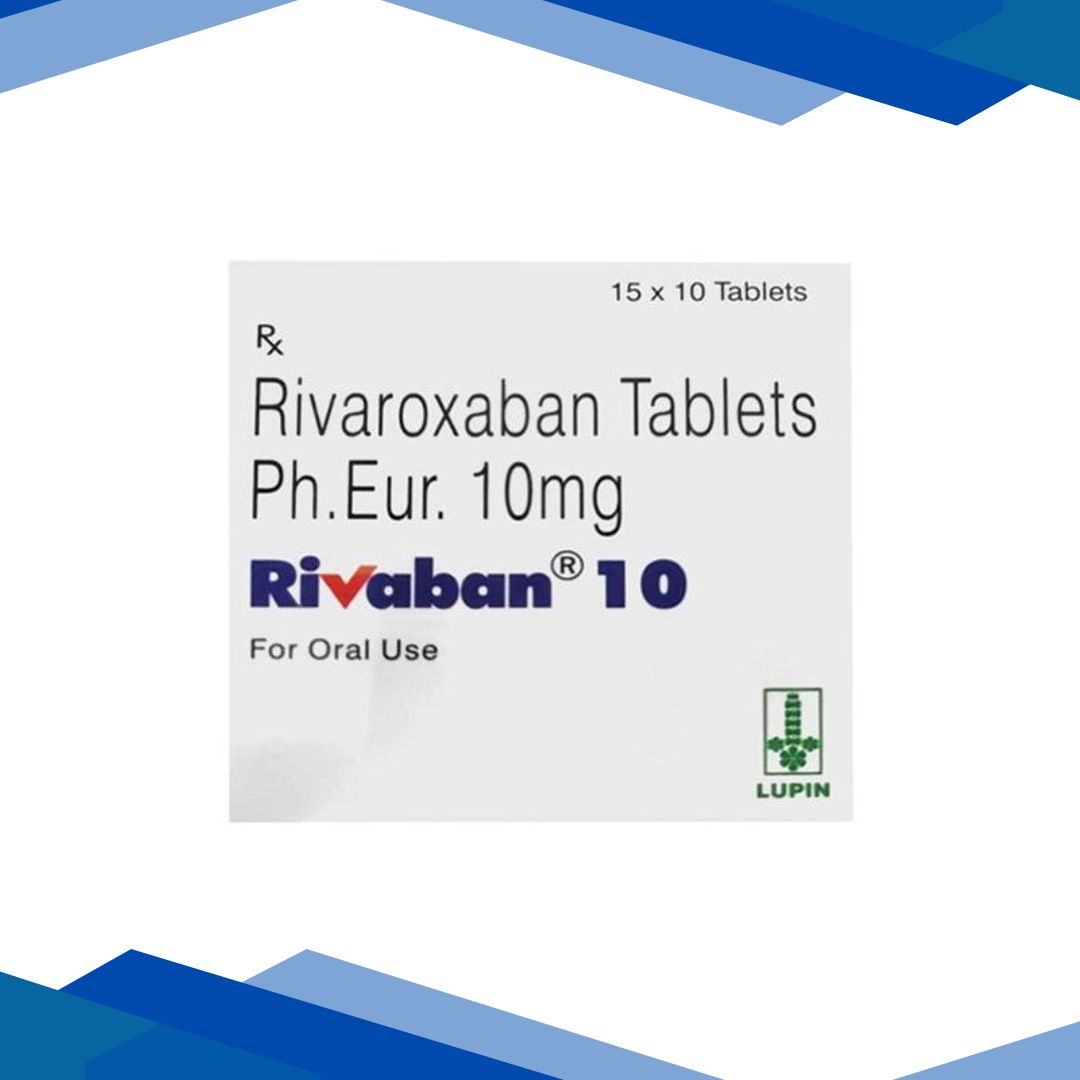
RIVABAN 10 Tablet 10’s
RIVABAN 10 Tablet is a blood-derived protein medicine that helps the body form stable blood clots. Fibrinogen is a natural substance found in blood, and when levels are low, bleeding can become difficult to control. This medicine works by replacing missing fibrinogen so the clotting process can continue normally, helping to stop or reduce bleeding. It is mainly used in people with fibrinogen deficiency, such as congenital fibrinogen disorders, or in certain medical situations where fibrinogen levels drop too low and bleeding risk is high. RIVABAN 10 Tablet is given under medical supervision because it is used in serious bleeding conditions and needs careful monitoring. It helps support clot formation, but it does not treat the cause of bleeding by itself.
Description
RIVABAN 10 Tablet is a human-derived blood protein preparation used to help restore normal blood clotting when fibrinogen levels are too low or when the body cannot form a stable clot effectively. fibrinogen is a naturally occurring protein made by the liver and present in the blood plasma. it plays a central role in hemostasis, the process by which bleeding stops after injury. when a blood vessel is damaged, fibrinogen is converted by thrombin into fibrin, which forms a mesh-like network that helps stabilize the clot and seal the wound. without enough fibrinogen, even small injuries or surgical procedures can lead to prolonged or excessive bleeding.
this medicine is typically used in hospital settings and is given by healthcare professionals, usually by intravenous infusion. because it is a plasma-derived product, it is carefully processed and tested to reduce the risk of transmitting infections, but like all blood products, it still requires cautious use and monitoring. RIVABAN 10 Tablet is not intended for routine self-use or everyday bleeding. it is reserved for specific medical situations where replacement of fibrinogen is necessary, such as congenital fibrinogen deficiency, acquired low fibrinogen due to massive bleeding, certain surgeries, trauma, or obstetric emergencies.
its main effect is to increase circulating fibrinogen levels so the body can generate stronger, more stable clots. by improving clot formation, it may reduce bleeding, support surgical hemostasis, and help prevent complications caused by severe fibrinogen deficiency. however, the medicine must be used carefully, because too much fibrinogen or inappropriate use can increase the risk of clot formation in blood vessels. the exact need for treatment is usually determined through laboratory tests, clinical assessment, and the patient’s bleeding status.
RIVABAN 10 Tablet is generally used for patients who have a documented fibrinogen deficiency or who are at high risk of bleeding and have low fibrinogen levels. this may include people with congenital disorders affecting fibrinogen production, patients with major trauma, those undergoing major surgery, or women with severe bleeding around childbirth in selected cases. it is not a pain reliever, not an antibiotic, and not a general “blood booster.” its role is specific: to replace a missing clotting factor and help the blood clot normally when fibrinogen is insufficient.
ingredients
- RIVABAN 10 Tablet: the active ingredient and the key clotting protein replaced by this medicine. it is responsible for forming fibrin, the structural basis of a stable blood clot. replenishing fibrinogen helps improve hemostasis in patients with deficiency or excessive blood loss.
- human plasma-derived stabilizing components: depending on the product formulation, the medicine may contain small amounts of stabilizers or excipients used during manufacturing to preserve the protein’s stability and maintain its effectiveness during storage and infusion. these are inactive ingredients but are important for product integrity.
- diluent or reconstitution materials: some presentations come as a powder that must be mixed with a specific sterile fluid before administration. the diluent itself is not part of the active medicine but is necessary to prepare it safely for infusion.
key uses
- congenital fibrinogen deficiency: used in people born with very low or absent fibrinogen levels, including conditions such as afibrinogenemia or hypofibrinogenemia, to help prevent spontaneous bleeding and bleeding after injury or procedures.
- acquired low fibrinogen in major bleeding: may be given when fibrinogen drops during severe blood loss, such as after trauma, major surgery, or obstetric hemorrhage, because fibrinogen is often the first clotting factor to become critically low.
- support during surgical procedures: helps reduce bleeding risk in selected patients who have known low fibrinogen or are expected to develop fibrinogen depletion during complex surgery.
- management of life-threatening hemorrhage: can be used as part of emergency treatment when rapid correction of fibrinogen deficiency is needed to help stabilize clot formation and control bleeding.
- replacement therapy guided by laboratory testing: used when blood tests show low fibrinogen levels and the clinician determines that replacement is necessary to improve coagulation status.
how to use
RIVABAN 10 Tablet is administered only by a trained healthcare professional, usually in a hospital, operating room, intensive care unit, or emergency setting. it is commonly given through a vein after it is prepared according to the manufacturer’s instructions. the product may require reconstitution before use, and the infusion is performed slowly with careful monitoring. because treatment is based on fibrinogen levels, bleeding severity, and the patient’s overall condition, the amount and timing are individualized rather than fixed for all patients.
before and during administration, clinicians typically monitor vital signs and may perform blood tests to assess fibrinogen levels and clotting function. the goal is to raise fibrinogen to a level that supports effective clotting without causing excessive clotting risk. patients should not attempt to self-administer this medicine unless specifically instructed and trained by a medical team for an approved home-care protocol, which is uncommon. if the product is given in a surgical or emergency situation, it is usually part of a broader treatment plan that may include fluid replacement, transfusion of other blood components, or treatment of the underlying cause of bleeding.
it is important to follow the healthcare team’s instructions exactly. the infusion should not be mixed with other medicines unless compatibility has been verified. any signs of allergy, breathing difficulty, chest pain, fever, or unusual discomfort during infusion should be reported immediately. since this medicine is used in high-risk bleeding situations, careful laboratory and clinical follow-up is essential.
safety information
- warnings: RIVABAN 10 Tablet can increase the risk of abnormal clot formation if used when not needed or if levels become too high. it should be used only when a healthcare professional confirms that fibrinogen replacement is appropriate. because it is a human plasma-derived product, there is a very small residual risk of transmitting infections despite extensive screening and viral inactivation steps. infusion-related allergic reactions can also occur, ranging from mild rash to severe anaphylaxis.
- side effects: common side effects may include headache, fever, chills, nausea, vomiting, flushing, dizziness, or discomfort at the infusion site. less common but serious effects can include allergic reactions, breathing problems, low blood pressure, rapid heartbeat, chest pain, swelling, or signs of a blood clot such as sudden leg pain, swelling, shortness of breath, or neurologic symptoms. seek urgent medical attention if severe reactions occur.
- precautions: use caution in patients with a history of thromboembolic disease, heart disease, stroke, clotting disorders, liver disease, or conditions that may increase clot risk. extra monitoring may be needed in pregnant patients, people undergoing major surgery, and those receiving multiple blood products. patients with known hypersensitivity to RIVABAN 10 Tablet or any component of the product should not receive it unless a specialist determines the benefits outweigh the risks.
- pregnancy/breastfeeding: in pregnancy, RIVABAN 10 Tablet may be used when clinically necessary, especially in obstetric bleeding or fibrinogen deficiency, because uncontrolled bleeding can be life-threatening. however, it should only be used under specialist supervision. information during breastfeeding is limited, but because it is a protein-based blood product, it is not expected to pass into breast milk in a clinically meaningful amount. always discuss individualized risks and benefits with a doctor.
- interactions: the medicine may interact indirectly with other drugs that affect clotting, such as anticoagulants, antiplatelet agents, thrombolytics, or certain hormonal therapies, because these can increase bleeding or clot risk depending on the clinical context. alcohol does not have a direct chemical interaction, but heavy alcohol use may worsen bleeding risk or affect liver function and clotting. always inform the healthcare team about all medicines, supplements, and herbal products being used.
additional information
- storage: store as directed on the product label, usually in a controlled temperature environment away from light and moisture. do not freeze unless the manufacturer specifically allows it. once reconstituted, the solution should be used according to the recommended time window and handled aseptically. because product stability can vary, follow the specific storage instructions provided with the medicine.
- missed dose: since RIVABAN 10 Tablet is administered in clinical settings and usually based on urgent medical need, a “missed dose” is handled by the treating team. if a scheduled infusion is delayed, the healthcare professional will decide whether the treatment is still needed based on fibrinogen levels, bleeding status, and clinical urgency. patients should not try to double a dose on their own.
- overdose: excessive fibrinogen replacement may raise clotting risk and could contribute to unwanted thrombosis. symptoms are not always immediate, so monitoring is important. if an overdose or too much product is suspected, urgent medical evaluation is necessary. treatment will depend on symptoms, lab results, and whether any clotting complications develop.
- habit forming: no. RIVABAN 10 Tablet is not habit forming or addictive. it is a replacement blood product used for a specific medical purpose and does not cause dependence. however, it should be used only when medically indicated because unnecessary use can be harmful.
frequently asked questions
Q: what is RIVABAN 10 Tablet used for?
A: RIVABAN 10 Tablet is used to replace low fibrinogen levels in patients who have bleeding due to congenital deficiency, major blood loss, surgery, trauma, or certain obstetric emergencies. it helps the blood clot more effectively.
Q: how does RIVABAN 10 Tablet help stop bleeding?
A: it supplies fibrinogen, which is converted into fibrin during clotting. fibrin forms the structural mesh that stabilizes a blood clot and helps stop bleeding.
Q: is RIVABAN 10 Tablet the same as a regular blood transfusion?
A: no. it is a specific clotting protein replacement, not a whole blood transfusion. it targets fibrinogen deficiency rather than replacing all blood components.
Q: can RIVABAN 10 Tablet cause blood clots?
A: yes, if used excessively or in people at high risk, it may increase the chance of thrombosis. that is why clinicians monitor levels and use it only when needed.
Q: is RIVABAN 10 Tablet safe during pregnancy?
A: it may be used when necessary, especially for serious bleeding or low fibrinogen in pregnancy, but only under specialist medical supervision because both bleeding and clotting risks must be considered.
Q: can i take RIVABAN 10 Tablet at home?
A: usually no. it is commonly administered in a hospital or supervised clinical setting because it requires careful preparation, infusion, and monitoring.
Q: what should i do if i develop fever or rash during infusion?
A: tell the healthcare professional immediately. fever, rash, itching, breathing difficulty, or swelling can be signs of an infusion reaction or allergy and may need urgent treatment.
Q: does RIVABAN 10 Tablet cure the underlying cause of low fibrinogen?
A: no. it replaces the missing protein temporarily. the underlying cause still needs to be diagnosed and managed separately by a healthcare professional.
Q: why is fibrinogen so important in bleeding control?
A: fibrinogen is essential for forming fibrin, the final mesh that stabilizes a clot. without enough fibrinogen, clots may be weak or fail to form properly, leading to ongoing bleeding.
Q: can RIVABAN 10 Tablet be used for every type of bleeding?
A: no. it is only appropriate when bleeding is linked to low fibrinogen or when a clinician determines fibrinogen replacement is necessary. it is not useful for all bleeding conditions.
this information is for educational purposes only and should not be considered medical advice. always consult a qualified healthcare professional before use.
At Gem Pharmacy, we make every effort to provide accurate, expert-written, and thoroughly reviewed information related to medicines. However, this information should not be considered a substitute for professional medical advice, diagnosis, or treatment from a qualified doctor.
The purpose of this information is to educate users and improve communication between patients and healthcare professionals. It should not be used to diagnose or treat any condition.
Always consult a certified healthcare professional before taking any medication.


Related products