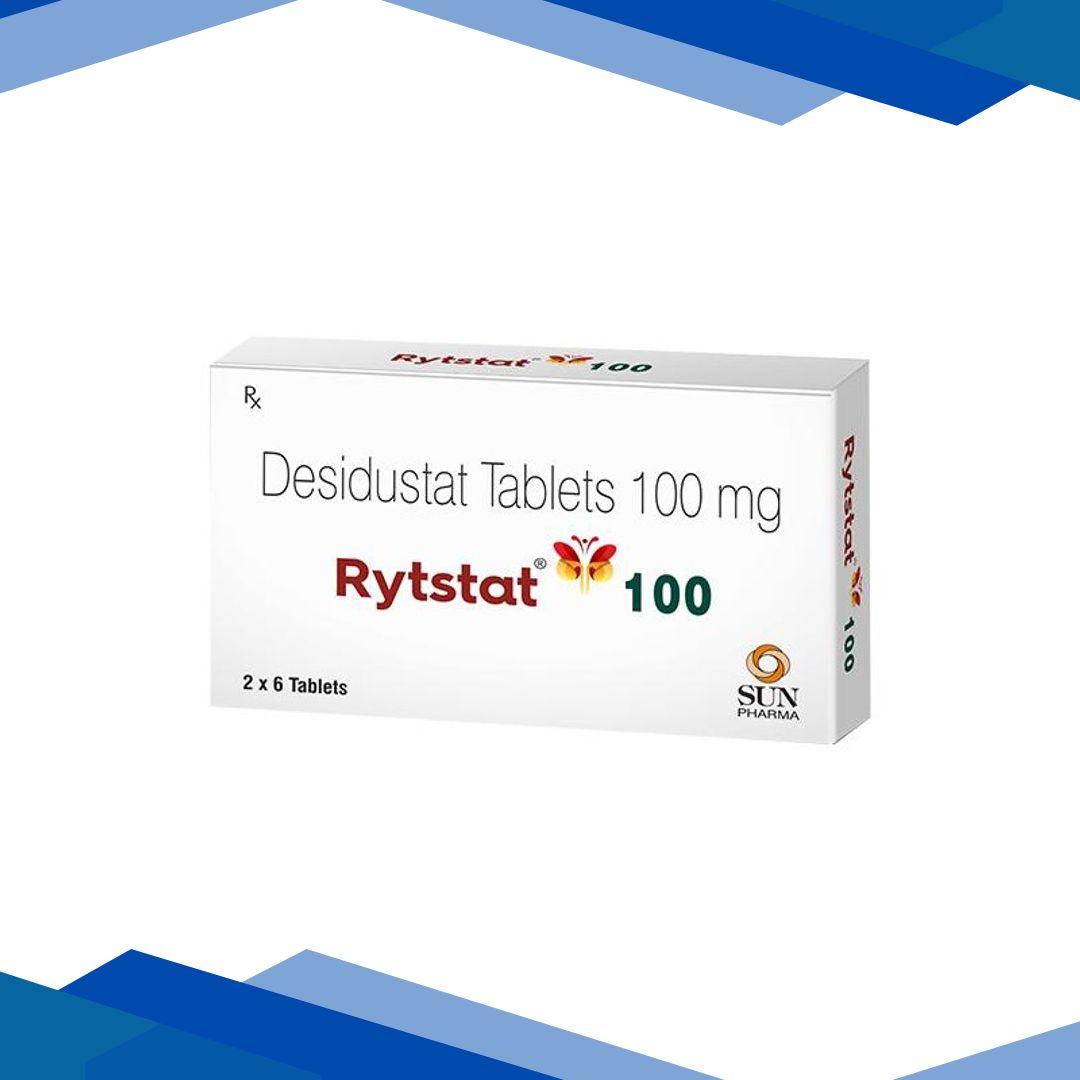
RYTSTAT 100 Tablet 6’s
RYTSTAT 100 Tablet is a combination supplement used to support nerve health, bone strength, and overall vitamin balance. Calcium citrate and vitamin D3 help the body absorb calcium and maintain healthy bones and teeth. Alpha lipoic acid, benfotiamine, pyridoxine hydrochloride, and vitamin B12 are nutrients that support nerve function and energy metabolism, and may help reduce symptoms linked to vitamin deficiency or nerve irritation, such as numbness, tingling, or weakness. This medicine is commonly used in people with poor dietary intake, vitamin deficiencies, diabetes-related nerve problems, or increased nutritional needs. It should be used under medical guidance, especially if you have ongoing health conditions or are taking other medicines.
Description
RYTSTAT 100 Tablet is a nutritional and nerve-support combination commonly used to help manage conditions where the body needs extra support for nerve health, bone health, and overall vitamin balance. it brings together minerals, antioxidants, and b-vitamins that work in different but complementary ways. calcium citrate and vitamin d3 support calcium absorption and bone mineralization, while alpha lipoic acid, benfotiamine, pyridoxine hydrochloride, and vitamin b12 help support healthy nerve function and may be used in people with vitamin deficiencies or symptoms related to nerve irritation, especially in settings such as diabetic neuropathy or generalized nutritional deficiency.
this combination is not a painkiller in the traditional sense, and it does not cure the underlying cause of nerve damage. instead, it provides the building blocks and supportive nutrients needed for normal nerve signaling, energy metabolism, antioxidant defense, and bone metabolism. alpha lipoic acid is known for its antioxidant properties and its potential role in reducing oxidative stress. benfotiamine is a fat-soluble form of vitamin b1 that helps support carbohydrate metabolism and nerve health. pyridoxine hydrochloride is vitamin b6, which is important for neurotransmitter synthesis. vitamin b12 is essential for myelin formation and nerve maintenance. together, these ingredients are often recommended when a healthcare professional suspects deficiency, increased nutrient needs, or neuropathic symptoms that may benefit from nutritional support.
people who may be prescribed or advised to use this combination include those with poor dietary intake, malabsorption, increased risk of vitamin deficiency, peripheral neuropathy symptoms, or bone-health concerns due to low calcium or low vitamin d levels. it may also be used in people with diabetes who are at risk of nerve complications, although it is important to understand that it should complement, not replace, proper diabetes control and other medical treatment. because this product contains multiple active ingredients, it should be used under medical guidance, especially in people with kidney disease, a history of kidney stones, or those taking medications that may interact with calcium, b-vitamins, or alpha lipoic acid.
ingredients
- calcium citrate: calcium is a vital mineral for building and maintaining strong bones and teeth. calcium citrate is a well-absorbed form of calcium that can be taken with or without food and is often preferred in people with lower stomach acid. it helps support bone strength, muscle contraction, nerve transmission, and normal blood clotting.
- alpha lipoic acid: alpha lipoic acid is a naturally occurring antioxidant that helps protect cells from oxidative stress. it plays a role in energy production and may help support nerve function, especially in conditions associated with neuropathic discomfort. it is commonly used as an adjunct in nutritional support for diabetic nerve symptoms.
- benfotiamine: benfotiamine is a lipid-soluble derivative of vitamin b1 (thiamine). it is better absorbed than standard thiamine in some situations and helps support carbohydrate metabolism, nerve function, and cellular energy production. it is often included in formulations aimed at neuropathy support and vitamin b1 replenishment.
- pyridoxine hydrochloride: pyridoxine hydrochloride is vitamin b6, an essential nutrient needed for amino acid metabolism, neurotransmitter synthesis, and red blood cell formation. adequate b6 levels are important for normal nervous system function, but excessive intake over time can itself cause nerve problems, so this ingredient should be used as directed.
- vitamin b12: vitamin b12 is essential for healthy nerve cells, dna synthesis, and red blood cell production. deficiency can lead to anemia, fatigue, numbness, tingling, and balance problems. it is especially important for people with restricted diets, absorption issues, or increased risk of deficiency.
- vitamin d3: vitamin d3 helps the body absorb calcium from the intestine and maintain proper blood calcium levels. it is important for bone health, muscle function, and immune regulation. in combination with calcium, it supports mineralization of bones and may reduce deficiency-related bone weakening when used appropriately.
key uses
- support for peripheral neuropathy: this combination may be used to help support nerve health in people with tingling, burning, numbness, or discomfort related to peripheral nerve irritation, especially when nutritional deficiency or diabetes-related nerve stress is suspected.
- nutritional deficiency correction: it can help replenish important nutrients such as calcium, vitamins b6, b12, b1-related benfotiamine, and vitamin d when dietary intake, absorption, or increased needs are not sufficient.
- bone and teeth support: calcium citrate and vitamin d3 work together to support bone mineralization and help maintain healthy bones and teeth, particularly in people at risk of low calcium or low vitamin d status.
- antioxidant and metabolic support: alpha lipoic acid provides antioxidant action that may help reduce oxidative stress, while the b-vitamin components support energy metabolism and normal cellular function.
- support during diabetic nutritional care: in people with diabetes, this type of formulation may be used alongside other treatment to help support nerve health and address possible vitamin insufficiency, though it does not replace glucose control or other prescribed therapies.
how to use
use this medicine exactly as advised by a healthcare professional or according to the product label. it is typically taken by mouth, and it may be recommended with food or after meals if stomach upset occurs. some components, such as calcium citrate, are often well tolerated, but alpha lipoic acid and b-vitamins can sometimes cause mild gastrointestinal discomfort in sensitive individuals. taking it with water and at the same time each day may help maintain consistency. do not exceed the recommended amount, because excess intake of certain vitamins, especially vitamin b6, can cause harm when used long term at high levels.
for best results, this combination is usually used regularly over time rather than as a quick-relief medicine. if you are taking other supplements or medications, check with a pharmacist or doctor before starting it, because calcium can interfere with the absorption of some drugs, and alpha lipoic acid may affect blood sugar in some people. if a dose is missed, the general approach is to take it when remembered unless it is almost time for the next dose; do not double up. the exact way to take it may differ based on the formulation, your health condition, and any lab results showing vitamin deficiency, so individualized advice is important.
safety information
- warnings: this product should be used cautiously in people with kidney disease, kidney stones, high blood calcium, parathyroid disorders, or a history of allergic reactions to vitamins or supplements. high calcium intake may increase the risk of hypercalcemia or kidney stones in susceptible people. long-term excessive vitamin b6 intake can cause nerve toxicity, including numbness or tingling. alpha lipoic acid may lower blood sugar, so people with diabetes should monitor for symptoms of hypoglycemia, especially if they use insulin or other glucose-lowering drugs.
- side effects: common side effects may include nausea, stomach upset, constipation, diarrhea, bloating, metallic taste, headache, or mild dizziness. some people may notice changes in appetite or mild skin reactions. less common but more serious effects include signs of high calcium such as confusion, unusual thirst, frequent urination, weakness, constipation, or vomiting; severe allergic reactions; or worsening numbness if vitamin b6 is taken in excess for a prolonged period.
- precautions: people with severe kidney impairment, hypercalcemia, recurrent kidney stones, sarcoidosis, hyperparathyroidism, or malabsorption syndromes should use only under medical supervision. extra caution is needed in older adults and people taking multiple supplements, since overlap can lead to unintended high nutrient intake. if you have diabetes, thyroid disease, anemia, or a known vitamin deficiency, your clinician may want to monitor your response and adjust treatment accordingly.
- pregnancy/breastfeeding: some ingredients in this combination are often used during pregnancy or breastfeeding when clinically needed, but the safety depends on the exact doses and the individual situation. because nutrient needs vary and excessive intake of certain vitamins can be harmful, pregnant or breastfeeding people should consult a doctor before use rather than self-starting the product.
- interactions: calcium can reduce absorption of certain medicines such as some antibiotics, bisphosphonates, levothyroxine, and iron supplements if taken together. alpha lipoic acid may interact with diabetes medicines by enhancing blood sugar-lowering effects. alcohol can worsen nutritional deficiencies and may reduce the overall benefit of the supplement. it is important to separate the timing of calcium from interacting medicines as advised by a healthcare professional.
additional information
- storage: store in a cool, dry place away from excess heat, moisture, and direct sunlight. keep the container tightly closed and out of reach of children. do not use the product after the expiration date, and avoid storing it in a bathroom where humidity may affect quality.
- missed dose: if a dose is missed, take it when you remember unless it is close to the time for the next dose. if it is almost time for the next scheduled dose, skip the missed one and continue normally. do not take two doses at once to make up for a missed dose.
- overdose: taking too much may lead to stomach upset, vomiting, constipation, confusion, weakness, or symptoms of high calcium. very high or prolonged intake of vitamin b6 can contribute to nerve damage, while excessive vitamin d3 and calcium can increase the risk of elevated calcium levels. if overdose is suspected, seek medical help or contact poison control promptly, especially if there are severe symptoms.
- habit forming: no. this medicine is not considered habit forming or addictive. however, it should still be used responsibly and only as needed, because unnecessary long-term use or excessive dosing can cause adverse effects rather than added benefit.
frequently asked questions
Q: what is RYTSTAT 100 Tablet used for?
A: it is mainly used as a nutritional supplement for nerve health, vitamin deficiency support, and bone health support. it may be recommended in peripheral neuropathy, low vitamin status, or conditions where calcium and vitamin d support is needed.
Q: can this medicine help with tingling or numbness?
A: it may help support nerve function and may reduce deficiency-related nerve symptoms over time, especially if the cause is low vitamin levels or diabetic nerve stress. however, it does not treat all causes of numbness, so persistent symptoms should be evaluated by a healthcare professional.
Q: should it be taken with food?
A: it can often be taken with food if it causes stomach upset, although calcium citrate is generally well tolerated. follow the directions on your specific product or the advice of your doctor or pharmacist.
Q: can i take it with my diabetes medicines?
A: possibly, but only with medical guidance. alpha lipoic acid may lower blood sugar, so it may interact with insulin or oral diabetes medicines. your blood sugar may need monitoring.
Q: is long-term use safe?
A: long-term use may be appropriate in some people if recommended by a clinician, especially when there is a documented deficiency or ongoing need. however, excessive or unnecessary long-term use can cause side effects, particularly from vitamin b6 or excess calcium and vitamin d.
Q: who should avoid this supplement?
A: people with kidney disease, high calcium levels, recurrent kidney stones, or certain endocrine disorders should use caution and seek medical advice first. anyone with a complex medical history should consult a healthcare professional before starting it.
Q: can i take other vitamins along with it?
A: you should be careful not to duplicate ingredients from other multivitamins or supplements, especially calcium, vitamin d, vitamin b6, and vitamin b12. too much of some nutrients may cause harm.
Q: does it work immediately?
A: no, this type of medicine usually works gradually. benefits related to vitamin repletion or nerve support may take time, depending on the cause of symptoms and how deficient you were before treatment.
Q: can it cause stomach upset?
A: yes, some people may experience nausea, constipation, bloating, or diarrhea. taking it with food and water may reduce mild stomach-related side effects.
Q: why is vitamin d3 included with calcium citrate?
A: vitamin d3 helps the body absorb calcium and use it effectively for bone health. the combination is commonly used when both calcium intake and vitamin d support are important.
Q: can alcohol affect this medicine?
A: alcohol may worsen nutritional deficiencies and can interfere with overall nerve and bone health. it may also increase the chance of stomach irritation or reduce the benefit of supplementation.
Q: is this medicine a painkiller?
A: no, it is not a conventional painkiller. it is a supportive nutritional formulation that may help address underlying deficiencies and nerve health, which can indirectly improve symptoms in some people.
Q: what should i do if i feel worse after taking it?
A: stop using it and contact a healthcare professional if you develop severe stomach symptoms, rash, swelling, breathing trouble, marked weakness, or worsening numbness. these could signal intolerance, allergy, or another medical problem.
Q: do i need a blood test before using it?
A: not always, but blood tests may be helpful in some cases to check calcium, vitamin d, vitamin b12, or other related levels, especially if symptoms suggest deficiency or if you have a chronic condition.
this information is for educational purposes only and should not be considered medical advice. always consult a qualified healthcare professional before use.
At Gem Pharmacy, we make every effort to provide accurate, expert-written, and thoroughly reviewed information related to medicines. However, this information should not be considered a substitute for professional medical advice, diagnosis, or treatment from a qualified doctor.
The purpose of this information is to educate users and improve communication between patients and healthcare professionals. It should not be used to diagnose or treat any condition.
Always consult a certified healthcare professional before taking any medication.


Related products
OXEMIA 100 Tablet 6’s