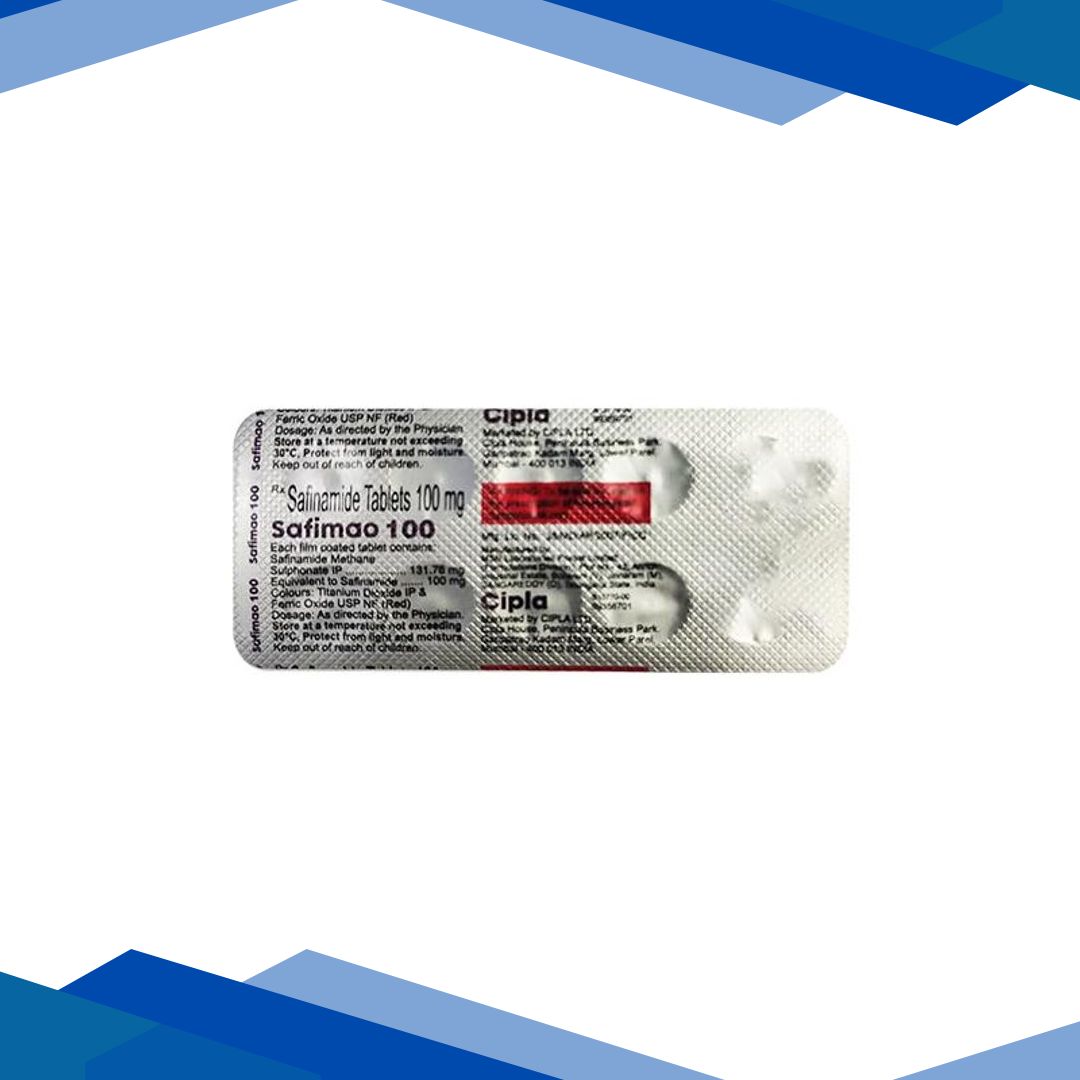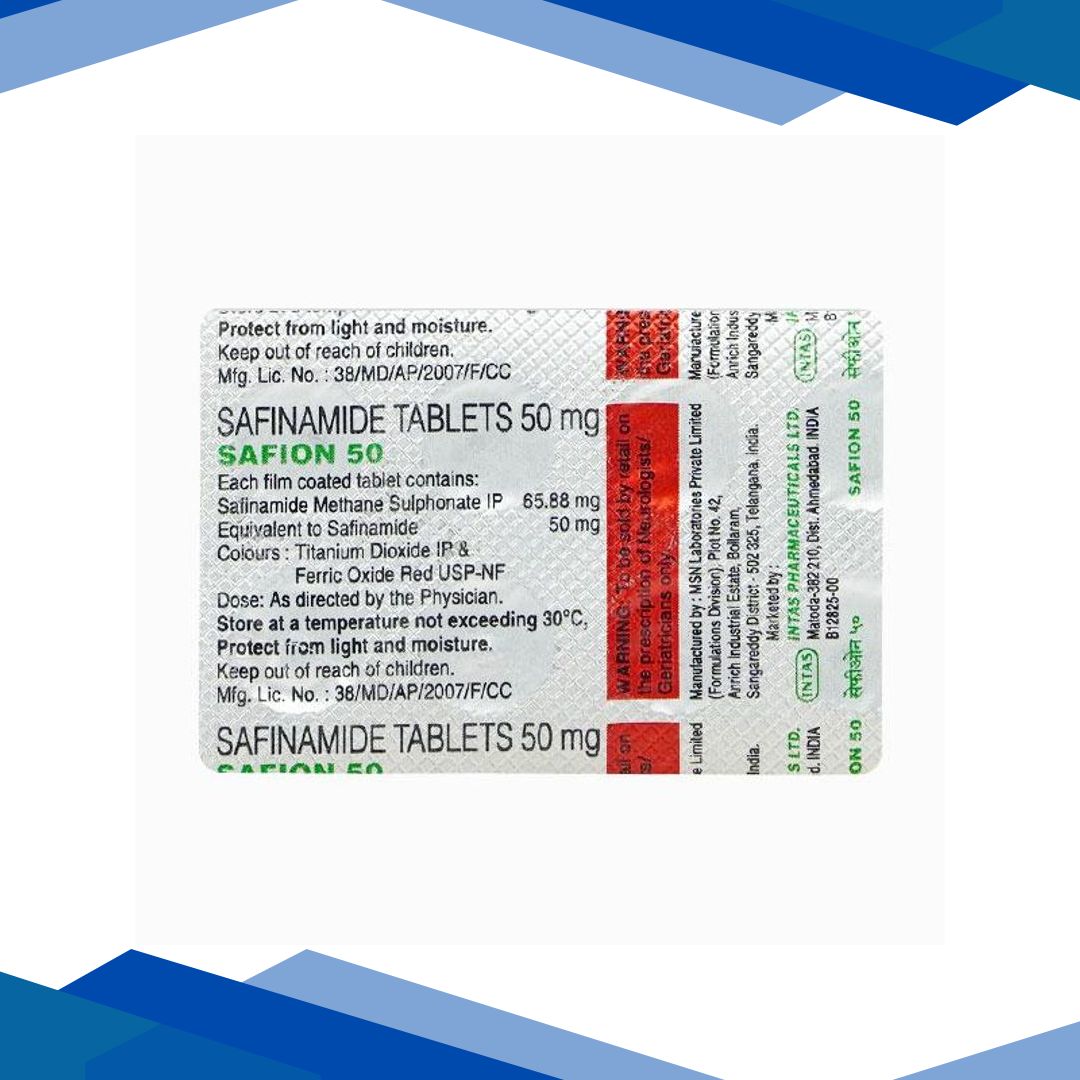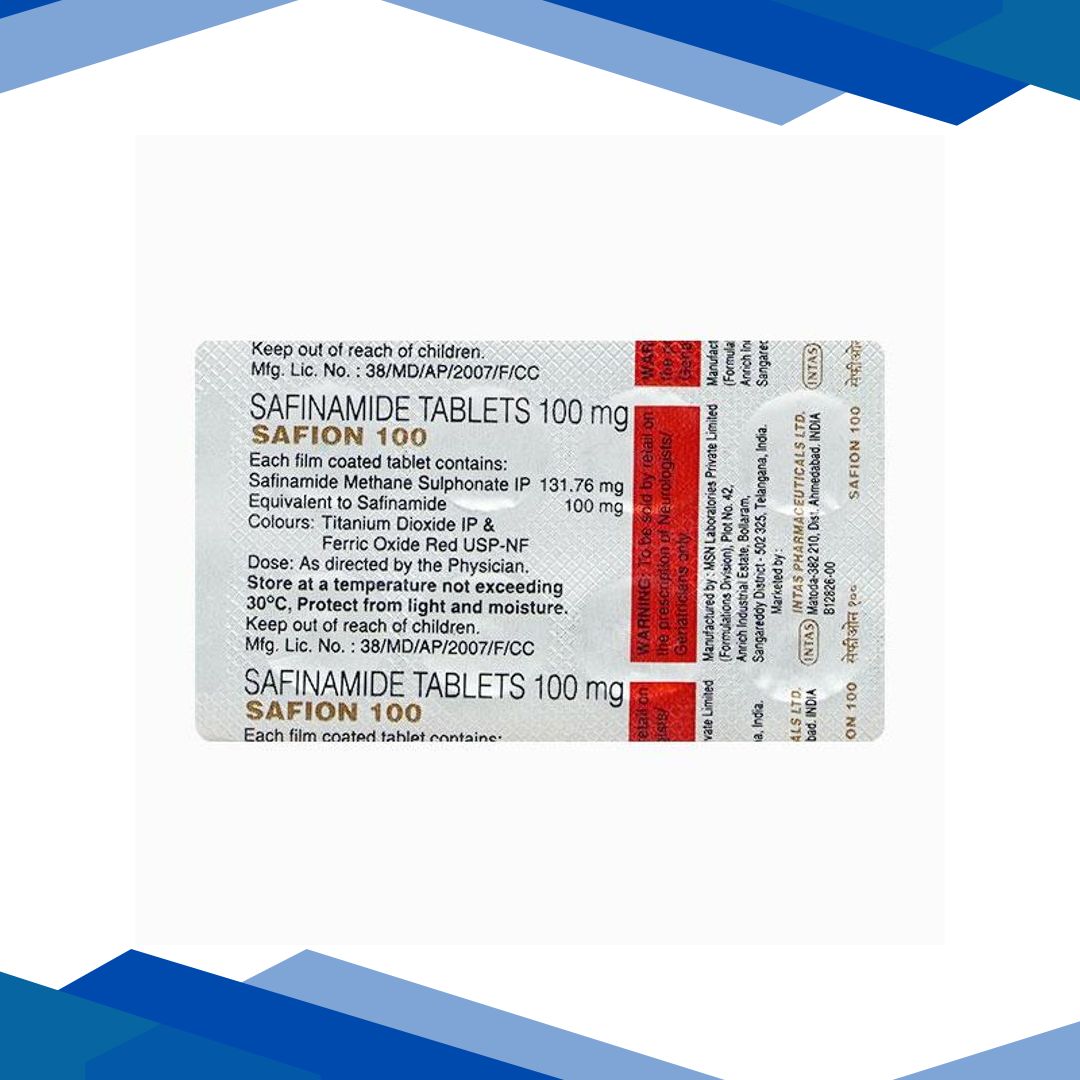
SAFION 100 Tablet 10’s
SAFION 100 Tablet is a prescription medicine used to help manage the symptoms of Parkinson’s disease, usually along with other treatments such as levodopa. It works by increasing the activity of certain chemicals in the brain, especially dopamine, which helps improve movement control. SAFION 100 Tablet also helps prevent the breakdown of dopamine and may reduce abnormal brain signals that can contribute to “off” episodes, when Parkinson’s symptoms return or become worse between doses of other medicines. By supporting steadier dopamine levels, it may help reduce stiffness, slowness, and movement difficulties. This medicine is not a cure for Parkinson’s disease, but it can be an important part of treatment for some adults under medical supervision.
Description
SAFION 100 Tablet is a prescription medicine used as an add-on treatment for parkinson’s disease, especially in people who are already taking levodopa-based therapy and still have “off” episodes, where symptoms temporarily return or worsen as the effect of the main parkinson’s medicine wears off. it is not a cure for parkinson’s disease, but it can help improve movement control and reduce fluctuations in daily symptom relief. because parkinson’s disease gradually affects dopamine-producing nerve cells in the brain, treatments like SAFION 100 Tablet are designed to support smoother motor function and make symptom control more consistent.
this medicine works through two important actions. first, it selectively inhibits monoamine oxidase-b (mao-b), an enzyme that breaks down dopamine in the brain. by slowing dopamine breakdown, SAFION 100 Tablet helps increase the amount of dopamine available to support movement and coordination. second, it also blocks sodium channels in a way that may help reduce excessive abnormal nerve signaling in the brain. this dual action is part of why it is used as an add-on medicine rather than a stand-alone cure. it is intended to complement, not replace, the patient’s existing parkinson’s regimen.
SAFION 100 Tablet is generally used in adults with parkinson’s disease who experience wearing-off symptoms despite standard treatment. it may help reduce time spent in the “off” state and improve motor performance during daily activities. however, because it affects brain chemistry, it must be used carefully and under medical supervision. people taking SAFION 100 Tablet should be monitored for side effects, possible interactions, and changes in symptoms, especially if they are also taking antidepressants, opioid pain medicines, cough/cold products, or other drugs that influence serotonin or monoamine pathways.
like all parkinson’s medicines, SAFION 100 Tablet does not work the same way for every person. some patients may notice steadier symptom control, while others may need dose adjustments in their background therapy to get the best balance between benefit and side effects. it is important to take it exactly as prescribed and to speak with a healthcare professional before starting, stopping, or changing any related medication.
ingredients
- SAFION 100 Tablet: the active medicinal ingredient. it is responsible for the main therapeutic effects by helping preserve dopamine activity in the brain and reducing abnormal nerve signaling. this action supports better control of parkinson’s symptoms, especially motor fluctuations and “off” periods.
- tablet/capsule excipients: depending on the manufacturer, the product may contain inactive ingredients such as fillers, binders, disintegrants, coating agents, and lubricants. these do not treat the disease directly, but they help form the dosage unit, maintain stability, ensure consistent drug release, and improve swallowing and shelf life.
key uses
- adjunct treatment for parkinson’s disease: SAFION 100 Tablet is used along with levodopa and/or other parkinson’s medicines to improve symptom control when standard therapy alone is no longer enough.
- reduction of “off” episodes: it helps decrease the amount of time symptoms such as stiffness, slowness, and movement difficulty return as the effects of levodopa wear off between doses.
- improvement in motor fluctuations: by supporting more stable dopamine activity, it may smooth out day-to-day changes in movement function and help some patients have more predictable symptom relief.
- support for daily functioning: in appropriate patients, better motor control may make activities such as walking, dressing, and general mobility somewhat easier, though results vary from person to person.
how to use
SAFION 100 Tablet should be taken exactly as directed by the prescribing clinician. it is usually taken once daily, with or without food, but the timing and overall regimen should match the patient’s broader parkinson’s treatment plan. because it is commonly used as add-on therapy, it is important to continue the other prescribed medicines unless a doctor specifically changes them. stopping parkinson’s treatments abruptly can worsen symptoms or cause complications.
the medicine should be swallowed whole with water unless a healthcare professional gives different instructions. if the patient has difficulty remembering doses, it may help to take the medicine at the same time each day. if the treatment causes dizziness, nausea, or other side effects, the prescriber may review the full medication list and adjust the therapy plan. patients should not increase the dose on their own, and they should never combine SAFION 100 Tablet with other serotonergic, stimulant, or monoamine-acting medicines without medical guidance.
it is also important to attend follow-up appointments. the doctor may monitor blood pressure, movement symptoms, sleep, mood, and any involuntary movements or mental changes. patients should report any new or worsening symptoms promptly, especially agitation, confusion, hallucinations, unusual drowsiness, or changes in impulse control.
safety information
- warnings: SAFION 100 Tablet can interact with several medicines and may increase the risk of serious reactions, including serotonin syndrome when combined with certain antidepressants, opioids, or other serotonergic agents. it may also cause or worsen high blood pressure in some situations. patients with a history of liver problems, unusual sleepiness, hallucinations, or severe mental health symptoms require careful assessment before use. because it is used with parkinson’s medicines, it may sometimes increase involuntary movements if dopaminergic therapy becomes too strong.
- side effects: common side effects may include nausea, dizziness, trouble sleeping, headache, falls, constipation, and increased involuntary movements (dyskinesia). some people may experience anxiety, blurred vision, dry mouth, or sleep disturbances. serious side effects, though less common, can include serotonin syndrome, severe blood pressure changes, hallucinations, confusion, worsening psychosis, severe allergic reactions, and significant changes in movement control. any unusual fever, muscle stiffness, agitation, sweating, or rapid heartbeat needs urgent medical attention.
- precautions: SAFION 100 Tablet should be used cautiously in older adults, people with psychiatric illness, those prone to falls, and anyone with liver impairment. it is not suitable for everyone with parkinson’s disease, and it may not be appropriate if a patient is taking interacting medicines that cannot be safely stopped or changed. patients should tell their doctor about all prescription drugs, over-the-counter products, vitamins, and herbal supplements before starting treatment.
- pregnancy/breastfeeding: safety data in pregnancy and breastfeeding are limited. SAFION 100 Tablet should only be used if the expected benefit is considered to outweigh the possible risks. if someone is pregnant, planning pregnancy, or breastfeeding, they should discuss the situation with a neurologist or other qualified healthcare professional before use.
- interactions: SAFION 100 Tablet may interact with antidepressants such as ssris, snris, tricyclics, and other serotonin-increasing medicines; opioid pain relievers such as tramadol, meperidine, methadone, and related agents; cough and cold products containing dextromethorphan; stimulants; and certain migraine medicines. alcohol may worsen dizziness, drowsiness, and balance problems. patients should also be cautious with medications that affect blood pressure or sleep, because combined effects can increase the risk of fainting or falls.
additional information
- storage: store SAFION 100 Tablet in a cool, dry place away from excess heat, moisture, and direct light. keep it in the original container if possible and out of reach of children and pets. do not store it in the bathroom unless specifically recommended, since humidity can damage tablets.
- missed dose: if a dose is missed, it should generally be taken as soon as remembered on the same day unless it is almost time for the next dose. if it is close to the next scheduled dose, the missed dose is usually skipped. do not double the dose to make up for a missed one unless a healthcare professional specifically instructs otherwise.
- overdose: taking too much SAFION 100 Tablet may increase the risk of severe dizziness, agitation, confusion, sleep problems, blood pressure changes, abnormal movements, or serotonin syndrome, especially if other interacting medicines were also taken. if an overdose is suspected, seek emergency medical help or contact a poison control center immediately.
- habit forming: no, SAFION 100 Tablet is not known to be habit forming. it does not produce addiction in the typical sense. however, it must still be used carefully because sudden changes in treatment can worsen parkinson’s symptoms or trigger unwanted effects.
frequently asked questions
Q: what is SAFION 100 Tablet used for?
A: SAFION 100 Tablet is used as an add-on treatment for parkinson’s disease in adults who continue to have motor fluctuations or 'off' episodes despite taking levodopa-based therapy.
Q: how does SAFION 100 Tablet work in parkinson’s disease?
A: it helps by reducing the breakdown of dopamine in the brain through mao-b inhibition and may also reduce abnormal nerve firing through sodium channel effects, leading to smoother symptom control.
Q: can SAFION 100 Tablet be taken alone?
A: it is generally not used as a stand-alone treatment. it is commonly prescribed together with other parkinson’s medicines, especially levodopa, to improve symptom control.
Q: does SAFION 100 Tablet cure parkinson’s disease?
A: no, SAFION 100 Tablet does not cure parkinson’s disease. it helps manage symptoms and reduce wearing-off periods, but it does not stop the underlying disease process.
Q: what are the most common side effects of SAFION 100 Tablet?
A: common side effects may include dizziness, nausea, headache, insomnia, constipation, falls, and involuntary movements. some people may also experience mood or sleep changes.
Q: can SAFION 100 Tablet cause hallucinations?
A: yes, hallucinations and other mental changes can occur, especially in older adults or in people taking multiple parkinson’s medicines. any new confusion or hallucinations should be reported promptly.
Q: is SAFION 100 Tablet safe with antidepressants?
A: not always. some antidepressants can increase the risk of serotonin syndrome when used with SAFION 100 Tablet, so the full medication list must be reviewed by a doctor or pharmacist before use.
Q: can i drink alcohol while taking SAFION 100 Tablet?
A: alcohol may worsen dizziness, drowsiness, and balance problems, so it is best to avoid or strictly limit alcohol unless a healthcare professional says it is acceptable.
Q: what should i do if i miss a dose of SAFION 100 Tablet?
A: take it when remembered on the same day if possible. if it is almost time for the next dose, skip the missed dose and continue with the regular schedule. do not double up.
Q: who should be careful before starting SAFION 100 Tablet?
A: people with liver disease, a history of hallucinations or psychosis, frequent falls, or those taking antidepressants, certain pain medicines, cough remedies, or stimulants should be especially careful and discuss all risks with a clinician.
Q: can SAFION 100 Tablet cause high blood pressure?
A: it can contribute to blood pressure changes in some patients, especially when combined with certain interacting medicines or dietary factors. blood pressure monitoring may be recommended in some cases.
Q: what symptoms require urgent medical help while taking SAFION 100 Tablet?
A: seek urgent help for fever, severe agitation, confusion, muscle stiffness, fast heartbeat, heavy sweating, severe dizziness, fainting, trouble breathing, or signs of an allergic reaction.
Q: is SAFION 100 Tablet addictive?
A: no, it is not considered addictive or habit forming. however, it should still be taken only as prescribed because it can interact with other medicines and cause significant side effects.
Q: can SAFION 100 Tablet be used during pregnancy?
A: there is limited safety information in pregnancy, so it should only be used if a healthcare professional decides that the expected benefit outweighs the potential risks.
Q: can SAFION 100 Tablet be used while breastfeeding?
A: breastfeeding safety is not well established. a clinician should evaluate the need for treatment and discuss the potential risks and benefits before use.
Q: how long does SAFION 100 Tablet take to work?
A: some improvement may be noticed after treatment begins, but the exact response varies. it is usually assessed over time as part of the overall parkinson’s treatment plan.
Q: should i stop SAFION 100 Tablet if i feel better?
A: no, do not stop it on your own. parkinson’s symptoms may worsen if treatment is changed suddenly, so any adjustment should be done by a healthcare professional.
Q: can SAFION 100 Tablet affect sleep?
A: yes, some people experience insomnia or other sleep disturbances. if sleep problems become troublesome, the prescriber may review the medicine schedule and overall therapy.
Q: why is SAFION 100 Tablet prescribed with levodopa?
A: it is often added to levodopa to help reduce wearing-off periods and improve symptom consistency, because levodopa remains the core treatment for many people with parkinson’s disease.
this information is for educational purposes only and should not be considered medical advice. always consult a qualified healthcare professional before use.
At Gem Pharmacy, we make every effort to provide accurate, expert-written, and thoroughly reviewed information related to medicines. However, this information should not be considered a substitute for professional medical advice, diagnosis, or treatment from a qualified doctor.
The purpose of this information is to educate users and improve communication between patients and healthcare professionals. It should not be used to diagnose or treat any condition.
Always consult a certified healthcare professional before taking any medication.


Related products