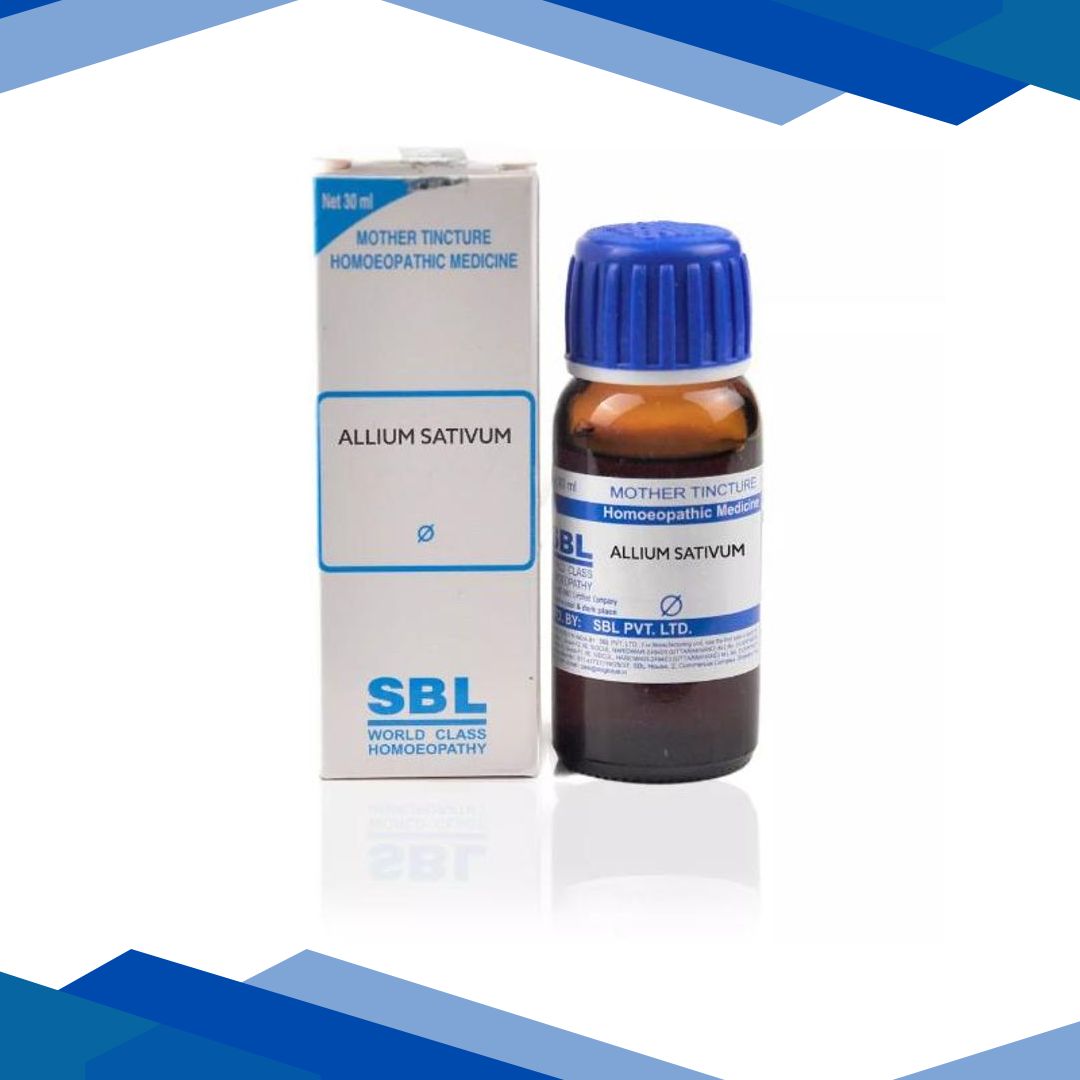
SBL Allium Sativum Q Liquid 30 ml
SBL Allium Sativum Q Liquid 30 is a combination medicine used on the skin to treat mixed infections with inflammation. Clobetasol helps reduce redness, swelling, and itching by calming the skin’s immune response. Miconazole works against fungal growth, while neomycin helps fight certain bacterial infections. Borax is included in some formulations to support the overall antiseptic effect. Together, this medicine is mainly used for skin problems such as infected rashes, fungal skin infections with irritation, and other inflamed conditions where both fungi and bacteria may be present. It can help relieve discomfort and improve healing when used appropriately under medical advice. Because it contains a strong steroid and antibiotics, it should be used only as directed by a healthcare professional.
Description
SBL Allium Sativum Q Liquid 30 is a combination topical medicine used to treat certain inflammatory skin conditions complicated by fungal and bacterial infection, especially when the affected area is red, itchy, swollen, and may also show signs of irritation or secondary infection. each ingredient serves a distinct purpose: clobetasol helps reduce strong inflammation and itching, miconazole works against fungi, neomycin helps control susceptible bacterial infections, and borax is included in some formulations as an antiseptic or supportive component to help maintain a less favorable environment for microbial growth. because it combines multiple actions in one product, it is often used when a clinician believes more than one process is contributing to the skin problem.
this medicine is generally intended for short-term use on the skin only. it is not a “routine moisturizer” or a simple itch cream. clobetasol is a very potent corticosteroid, so while it can rapidly calm redness, swelling, and itching, it also carries a higher risk of skin thinning and other steroid-related side effects if used too long or on large areas. miconazole targets fungal organisms such as dermatophytes or yeast-like fungi that can cause ringworm-like rashes, athlete’s foot, jock itch, or candidal skin infections. neomycin is an antibiotic effective against certain bacteria that may infect broken or irritated skin. together, these ingredients may be prescribed when the skin condition is mixed, inflamed, and possibly infected.
because the product contains a strong steroid and an antibiotic, it should be used only when appropriate and usually under medical supervision. it is not suitable for every rash, and using it on the wrong condition can make matters worse. for example, steroid-containing creams can mask symptoms of untreated fungal infections if used improperly, and long-term antibiotic exposure can contribute to resistance or allergic reactions. people should follow the advice of a healthcare professional, avoid overuse, and stop treatment if irritation worsens or if no improvement occurs as expected.
this medicine is for people who have been diagnosed with a skin condition where inflammation, fungal infection, and/or bacterial involvement are all suspected or confirmed. it is commonly considered for localized skin problems rather than widespread disease. it may be used on areas such as the body folds, limbs, or other limited patches of affected skin, but extra caution is needed on delicate skin regions, especially the face, groin, armpits, and around the eyes. proper diagnosis is important because similar-looking skin conditions can require very different treatment approaches.
ingredients
- borax: borax is sometimes included as a supportive antiseptic or cleansing component in topical preparations. its role is generally to help limit microbial growth and support the overall formulation in controlling surface contamination. it is not the primary active agent for treating severe infection, but it may contribute to the product’s overall skin-soothing or preservative-related function depending on the specific formulation.
- clobetasol: clobetasol is a super-potent corticosteroid that reduces inflammation by suppressing the release of inflammatory mediators in the skin. it helps relieve redness, swelling, itching, and discomfort, especially in intense inflammatory flare-ups. because it is very potent, it should be used carefully and typically for a limited period to avoid skin thinning, stretch marks, and other steroid-related adverse effects.
- miconazole: miconazole is an antifungal medicine that interferes with the production of ergosterol, a key part of fungal cell membranes. this weakens the fungal cell wall and stops the fungus from growing. it is helpful in common superficial fungal infections and can reduce itching, scaling, and redness caused by fungal overgrowth.
- neomycin: neomycin is an aminoglycoside antibiotic used topically to treat certain susceptible bacterial skin infections or secondary bacterial contamination of irritated skin. it works by interfering with bacterial protein synthesis, which stops bacteria from multiplying. some people develop allergic contact dermatitis to neomycin, so any worsening rash should be reported promptly.
key uses
- inflamed skin with suspected mixed infection: this medicine may be used when a skin rash is both highly inflamed and complicated by fungal and/or bacterial involvement. it can help address itching, redness, and infection-related irritation together.
- fungal skin infections with significant irritation: miconazole helps treat superficial fungal infections such as ringworm-type rashes or yeast-associated dermatitis, while clobetasol reduces severe inflammation and discomfort.
- secondary bacterial infection of an itchy rash: if scratched skin becomes secondarily infected with susceptible bacteria, neomycin may help control the bacterial component while the steroid calms the inflammation.
- localized dermatitis with microbial involvement: in some cases of dermatitis or eczema-like lesions where infection is present or strongly suspected, a clinician may choose a combination product to simplify treatment and improve symptoms.
how to use
use SBL Allium Sativum Q Liquid 30 only on the skin and exactly as directed by a healthcare professional. in general, the affected area should be gently cleaned and dried before a thin layer is applied to the rash. the medicine should be spread lightly and not rubbed in aggressively. hands should be washed before and after application unless the hands are the area being treated. avoid applying it under tight bandages, dressings, or diapers unless specifically instructed, because occlusion can increase absorption of clobetasol and raise the risk of side effects.
this product is usually intended for short-term use. because clobetasol is very potent, prolonged or repeated use on large areas can lead to skin thinning, visible blood vessels, stretch marks, or hormonal effects if absorbed in sufficient amounts. do not use it more often or for longer than advised, and do not cover the treated area unless told to do so. if the infection seems to spread, the skin becomes more painful, there is pus, fever develops, or there is no improvement after a reasonable period, medical review is important. if you are unsure whether the rash is fungal, bacterial, or something else entirely, do not self-treat for long; a clinician should confirm the diagnosis.
safety information
- warnings: this medicine contains a very potent steroid, so misuse can cause skin thinning, steroid acne, pigment changes, delayed healing, and worsening of undiagnosed infections. it should not be used on untreated viral skin infections such as herpes, chickenpox, or warts unless a clinician specifically directs otherwise. avoid contact with the eyes, mouth, and mucous membranes. do not use on broken skin, large body areas, or for long periods without supervision.
- side effects: common side effects may include mild burning, stinging, dryness, itching, redness, or irritation at the site of application. more serious effects can include allergic contact dermatitis, worsening rash, thinning of the skin, stretch marks, skin discoloration, excessive hair growth in the treated area, and secondary infection. rarely, excessive steroid absorption may affect the body’s hormone system, especially with prolonged use or application over large areas.
- precautions: people with a history of allergy to neomycin, other aminoglycosides, clobetasol, miconazole, or boron-containing compounds should avoid this product unless a clinician confirms it is safe. extra caution is needed in children, older adults with fragile skin, and anyone with very extensive skin disease. use carefully on the face, groin, armpits, and skin folds because these areas absorb more medication and are more prone to adverse effects.
- pregnancy/breastfeeding: safety during pregnancy depends on the area treated, amount used, and duration. because clobetasol is a potent corticosteroid, pregnant individuals should use it only if clearly needed and advised by a clinician. during breastfeeding, avoid applying it to the breast or nipple area unless specifically instructed, and prevent the infant from contacting treated skin. a healthcare professional should weigh the benefits and risks.
- interactions: topical medicines can still interact with other products by increasing irritation or absorption. avoid using other strong topical steroids, antifungals, or antibiotics on the same area unless directed. using multiple harsh skin products, alcohol-based preparations, or abrasive cleansers can worsen irritation. if you are using other medicines that suppress the immune system or if large areas are treated, inform a healthcare professional, as steroid absorption may become more relevant.
additional information
- storage: store at room temperature in a tightly closed container, away from excess heat, moisture, and direct sunlight. keep it out of reach of children and do not freeze unless the label specifically says so. do not use the product after the expiry date.
- missed dose: if a dose is missed, apply it when remembered unless it is almost time for the next scheduled application. do not apply extra medicine to make up for the missed dose. using more than directed does not improve results and may increase side effects.
- overdose: excessive topical use may cause marked skin irritation, increased absorption of clobetasol, and in severe cases steroid-related systemic effects such as fatigue or hormone suppression. if a large amount has been applied, wash the area gently if advised and contact a healthcare professional or poison center for guidance, especially if symptoms develop.
- habit forming: no, this medicine is not habit forming. however, people may become dependent on the rapid relief from the steroid component and continue using it too long, which is unsafe. it should be used only for the indicated condition and duration.
frequently asked questions
Q: what is SBL Allium Sativum Q Liquid 30 used for?
A: it is used for certain inflammatory skin conditions where fungal infection, bacterial infection, and significant itching or redness may all be present. a clinician may prescribe it when a single medicine is needed to address multiple causes at once.
Q: how quickly does it work?
A: some symptom relief, especially from itching and redness, may begin relatively quickly because clobetasol is a strong anti-inflammatory agent. however, infection control may take longer, and the exact response depends on the cause and severity of the skin condition.
Q: can i use it for ordinary itching or a simple rash?
A: no, not without medical advice. because it contains a very potent steroid and an antibiotic, it is not meant for routine minor rashes or unexplained itching. using it unnecessarily can cause side effects and may hide the real cause of the problem.
Q: can it be used on the face?
A: it should generally be avoided on the face unless a healthcare professional specifically tells you to use it there. facial skin is thin and more likely to develop side effects from clobetasol, including irritation, thinning, and steroid-related acne-like eruptions.
Q: what should i do if the rash gets worse after applying it?
A: stop using the product and seek medical advice. worsening may indicate irritation, allergy, an incorrect diagnosis, or a resistant infection. neomycin can cause allergic reactions in some people, and steroid use can sometimes mask worsening infection.
Q: can i use this medicine with other creams?
A: only if your healthcare professional approves. using several creams at the same site can increase irritation or interfere with treatment. if another product is needed, it is usually best to apply it at a different time or on a different area only under guidance.
Q: is this medicine safe for children?
A: children are more likely to absorb topical steroids and develop side effects, so this medicine should only be used in children if a clinician has specifically recommended it. careful supervision and limited duration are especially important.
Q: does this medicine cure fungal infections completely?
A: miconazole can treat susceptible fungal infections, but success depends on the correct diagnosis, consistent use, and whether the infection is truly fungal. if symptoms return or do not improve, the area should be reassessed by a healthcare professional.
Q: why is clobetasol included in a combination cream?
A: clobetasol is included to quickly reduce severe inflammation, redness, and itching. this can make the rash feel better faster, but because it is very strong, the medicine must be used carefully and usually only for a short time.
Q: what are the signs of allergy to this medicine?
A: signs may include worsening redness, itching, swelling, rash spreading beyond the treated area, blistering, or a new itchy dermatitis-like reaction. neomycin allergy is relatively common in topical products, so any unexpected worsening should be evaluated.
Q: can i cover the treated area with a bandage?
A: only if a healthcare professional has told you to. covering the area can increase absorption of clobetasol and raise the risk of side effects. in many cases, open application is preferred unless wound care instructions say otherwise.
Q: what if i accidentally get it near my eyes?
A: rinse the area gently with plenty of water and seek medical advice if irritation persists. the eyes are sensitive to both steroid and antibiotic exposure, so avoiding contact is important.
Q: can alcohol affect this medicine?
A: alcohol does not usually interact directly with topical use, but alcohol-based skin products can irritate the area and worsen dryness or burning. if you drink alcohol, it typically does not change the medicine’s action on the skin, but overall skin irritation should still be avoided.
Q: should i stop using it once the rash looks better?
A: do not change the treatment plan without guidance. because clobetasol is potent, the duration is usually deliberately limited, but stopping too early or continuing too long can both be problematic. follow the clinician’s instructions carefully.
Q: can this medicine be used for viral infections like herpes?
A: no, not unless a healthcare professional specifically recommends it for a different, clearly defined purpose. steroid-containing creams can worsen some viral skin infections or hide their symptoms, delaying proper treatment.
Q: what if there is pus or fever?
A: pus, increasing pain, spreading redness, or fever may indicate a more serious infection that needs medical attention. seek prompt evaluation rather than continuing self-treatment.
this information is for educational purposes only and should not be considered medical advice. always consult a qualified healthcare professional before use.
At Gem Pharmacy, we make every effort to provide accurate, expert-written, and thoroughly reviewed information related to medicines. However, this information should not be considered a substitute for professional medical advice, diagnosis, or treatment from a qualified doctor.
The purpose of this information is to educate users and improve communication between patients and healthcare professionals. It should not be used to diagnose or treat any condition.
Always consult a certified healthcare professional before taking any medication.


Related products
Similia Mother Tincture Mullein Liquid 30 ml
Similia Mother Tincture Curcuma Longa Liquid 30 ml
Dr.Willmar Schwabe Verbena Officinalis Ø Liquid 30 ml