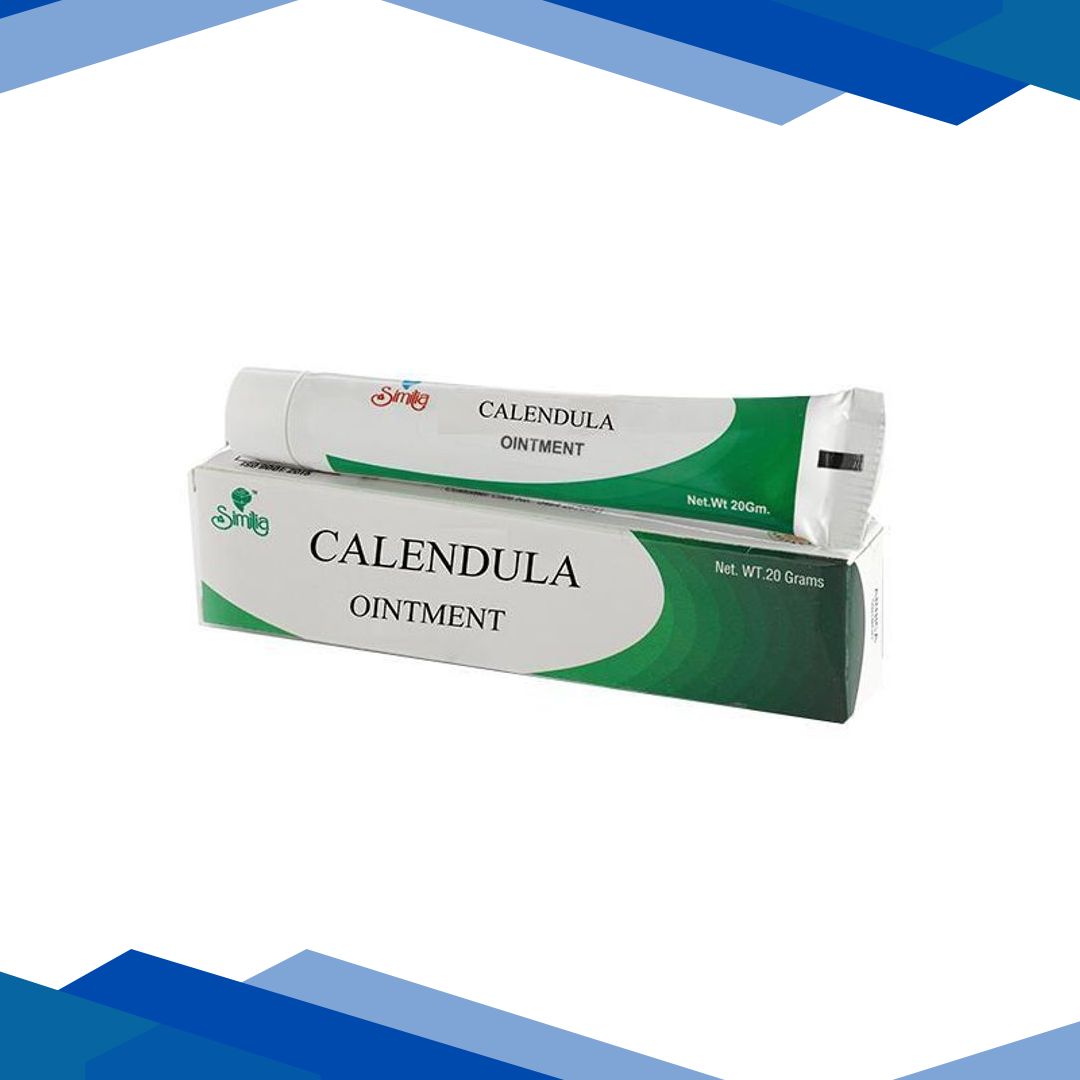
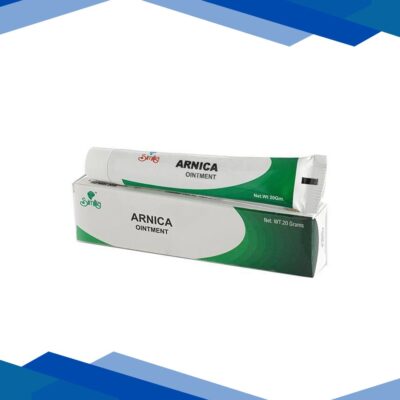
Similia Calendula Ointment 20 gm
❌ Due to high demand, this product is currently out of stock. New stock will be available shortly.
👉 Click here to Buy Same Salt medicine
Similia Calendula Ointment 20 is an eye preparation used to help relieve irritation, redness, itching, and watery eyes caused by minor eye allergies or mild environmental irritation. It combines several ingredients that work together: boric acid helps soothe and cleanse the eye, chlorpheniramine maleate helps reduce allergy-related itching, naphazoline and phenylephrine help reduce redness by narrowing small blood vessels, while menthol and camphor provide a cooling, calming effect. Hydroxypropylmethylcellulose helps keep the eye surface moist and comfortable. This medicine is mainly used for short-term relief of uncomfortable eye symptoms, but it does not treat the underlying cause of serious eye problems, so medical advice may be needed if symptoms persist or worsen.
Description
this medicine combination of Similia Calendula Ointment 20 is commonly used in eye care formulations to provide temporary relief from irritation, redness, itching, watering, and mild discomfort caused by minor eye conditions. it brings together several agents that work in different ways: some help reduce redness by narrowing swollen blood vessels, some ease allergy-related itching and tearing, while others provide a soothing, lubricating effect that helps protect the surface of the eye. because of this multi-action approach, it may be used for short-term symptomatic relief rather than for treating the underlying cause of eye disease.
the exact benefit of this combination depends on the cause of the symptoms. for example, it may help when the eyes are irritated by dust, smoke, wind, pollution, allergies, or general minor inflammation. the lubricating ingredient helps keep the eye surface moist, while the cooling and soothing ingredients may improve comfort. meanwhile, the decongestant and antihistamine components target visible redness and allergy-driven symptoms. this combination is not intended to replace proper diagnosis, especially if symptoms are severe, persistent, or associated with pain, vision changes, discharge, or injury.
it is important to use this medicine carefully because the presence of multiple active ingredients also means a greater chance of irritation or side effects in sensitive people. some ingredients may temporarily relieve symptoms, but overuse can sometimes worsen redness or cause rebound congestion of the eye. if symptoms do not improve quickly or if they keep coming back, medical evaluation is recommended to rule out conditions such as conjunctivitis, dry eye disease, corneal injury, or more serious eye disorders.
ingredients
- boric acid: boric acid is used in eye preparations mainly for its mild antiseptic, buffering, and soothing properties. it helps maintain a stable and comfortable ph in the formulation and may support cleansing of minor eye irritation. in some eye products, it contributes to a gentle washing or calming effect, although it is not a substitute for proper treatment of infection.
- camphor: camphor provides a cooling and soothing sensation that may help reduce the feeling of eye discomfort. it is often included in small amounts in external preparations for its refreshing effect. in eye care products, it is used with great caution because the eye surface is highly sensitive, and the formulation must be designed to avoid irritation.
- chlorpheniramine maleate: chlorpheniramine maleate is an antihistamine that helps reduce allergy-related symptoms such as itching, watering, and irritation. it works by blocking histamine, a chemical involved in allergic responses. this makes it useful when eye symptoms are related to allergic conjunctival irritation.
- hydroxypropylmethylcellulose: hydroxypropylmethylcellulose is a lubricating and thickening agent that helps retain moisture on the eye surface. it improves comfort by reducing dryness and friction between the eyelid and the eye. this ingredient can also help the drops stay on the eye longer, allowing other ingredients to remain in contact with the surface for a short period.
- menthol: menthol produces a cooling sensation that can make the eyes feel refreshed and more comfortable. it does not treat the cause of the problem, but it may help temporarily relieve the perception of irritation. like camphor, it must be used in carefully controlled concentrations in ophthalmic products.
- naphazoline: naphazoline is a sympathomimetic decongestant that helps reduce redness by narrowing the small blood vessels in the eye. this decreases the appearance of bloodshot eyes and may provide short-term cosmetic and symptomatic relief. it should be used carefully because frequent or prolonged use may cause rebound redness.
- phenylephrine: phenylephrine is another vasoconstrictor that helps shrink dilated blood vessels in the conjunctiva, thereby reducing redness and swelling. it is commonly used in eye drops to produce temporary relief from ocular congestion. overuse can lead to irritation, increased eye pressure in susceptible individuals, or rebound symptoms.
key uses
- relief from eye redness: the vasoconstrictor components, especially naphazoline and phenylephrine, help reduce visible redness caused by mild irritation or congestion. this can improve comfort and appearance temporarily, but it does not treat the underlying trigger.
- relief from itching and watering due to allergies: chlorpheniramine maleate helps reduce histamine-mediated symptoms such as itching, tearing, and mild swelling when the eyes react to allergens like pollen, dust, or pet dander.
- soothing minor irritation: boric acid, menthol, camphor, and hydroxypropylmethylcellulose may help calm irritation caused by environmental factors such as smoke, dry air, wind, or pollution. the lubrication component can reduce friction and dryness.
- temporary comfort in mild conjunctival discomfort: this combination may be used for short-term relief of non-serious eye discomfort when the cause is mild and not associated with infection, injury, or significant inflammation.
- supportive care for dry or tired eyes: the lubricating ingredient can help improve the feeling of dryness or fatigue, especially when symptoms are mild and occasional. it is not a definitive treatment for chronic dry eye disease.
how to use
use this medicine exactly as directed by a healthcare professional or according to the product label. it is typically intended for eye use only, and care should be taken not to let the tip of the container touch the eye, eyelids, fingers, or any surface, since contamination can lead to eye infection. wash your hands before and after use. if contact lenses are worn, they are usually removed before application, because eye drops may interact with lenses or preservatives and worsen irritation. the product is generally used for short-term relief, and frequent or prolonged use should be avoided unless specifically advised by a clinician.
before application, tilt the head back slightly and instill the recommended number of drops into the affected eye as directed. after instilling the drops, gently close the eyes for a short period without squeezing tightly, which may help the medicine remain on the eye surface. if more than one ophthalmic product is being used, separate them by several minutes so that one does not wash out the other. do not use the product more often than recommended, since overuse of decongestant ingredients may increase the risk of rebound redness and irritation. if symptoms persist beyond a short period, worsen, or recur frequently, seek medical advice rather than continuing self-treatment.
safety information
- warnings: this medicine should be used carefully in people with eye pain, vision changes, severe redness, thick discharge, injury to the eye, or suspected infection, because these symptoms may indicate a more serious condition needing proper medical treatment. do not use it as a long-term solution for chronic redness. overuse can cause rebound redness, irritation, or dependence on frequent dosing for temporary comfort. avoid touching the dropper tip to the eye to reduce the risk of contamination and infection.
- side effects: common side effects may include mild burning, stinging, temporary blurred vision, eye discomfort, dryness, or a slight cooling sensation after use. some people may notice increased redness if the drops are used too frequently. less common but more serious effects can include worsening irritation, allergic reaction, eye pain, marked sensitivity to light, increased eye pressure in susceptible individuals, or persistent blurred vision. stop use and seek medical attention if severe symptoms occur.
- precautions: use caution in people with glaucoma or a history of increased eye pressure, cardiovascular disease, high blood pressure, hyperthyroidism, diabetes, enlarged prostate, or sensitivity to sympathomimetic drugs, because decongestant ingredients may not be suitable for everyone. extra caution is also needed in people with dry eye disease, contact lens wearers, children, and older adults. if you have a history of allergy to antihistamines, vasoconstrictors, or any component of the formula, avoid use unless a clinician says it is safe.
- pregnancy/breastfeeding: safety data may be limited for some components in pregnancy and breastfeeding. because this combination includes multiple active ingredients, use only if clearly needed and after discussing it with a doctor or pharmacist. the lowest effective exposure for the shortest possible time is generally preferred, and alternatives may be recommended depending on the symptoms and medical history.
- interactions: tell your healthcare professional about all medicines you take. decongestant ingredients such as naphazoline and phenylephrine may interact with certain blood pressure medicines, monoamine oxidase inhibitors, tricyclic antidepressants, and other sympathomimetic drugs. oral antihistamines or sedating medicines may increase drowsiness or dryness when combined with chlorpheniramine maleate. alcohol can worsen dryness or drowsiness in some people and may make side effects less tolerable. if you are using other eye drops, ointments, or allergy medicines, spacing and compatibility should be checked.
additional information
- storage: store the product according to the label instructions, usually at room temperature, away from excessive heat, moisture, and direct light. keep the container tightly closed when not in use. do not freeze unless specifically directed. keep out of reach of children and do not use the drops after the expiration date or if the solution becomes discolored or contaminated.
- missed dose: if a dose is missed, use it when you remember unless it is almost time for the next scheduled use. do not double the amount to make up for a missed dose. because this type of medicine is generally used for temporary symptom relief, many people use it only as needed rather than on a strict schedule.
- overdose: overuse, especially of decongestant ingredients, may cause increased eye irritation, marked redness, headache, blurred vision, dizziness, or systemic effects if absorbed in significant amounts. if too much is used, rinse the eyes with clean water or saline if advised by the product instructions, and seek medical help if symptoms are severe or persistent. accidental swallowing should be treated as a medical concern, particularly in children.
- habit forming: no, this medicine is not considered habit forming in the addiction sense. however, some people may develop a pattern of repeated use because the temporary redness relief feels helpful. this can be problematic if it leads to rebound redness or delayed treatment of an underlying eye condition, so short-term and appropriate use is important.
frequently asked questions
Q: what is Similia Calendula Ointment 20 used for?
A: it is generally used for temporary relief of eye redness, itching, watering, and mild irritation caused by allergies or minor environmental factors. it may also soothe dryness and discomfort by lubricating the eye surface. it is not a cure for infections or serious eye disease.
Q: can i use this medicine every day?
A: daily or frequent use is not usually recommended unless a healthcare professional specifically advises it. repeated use of redness-relieving ingredients may cause rebound redness or mask a more serious problem. if you need it often, an eye examination is advisable.
Q: will this medicine help eye infection?
A: not necessarily. although boric acid may have mild antiseptic properties, this combination is not a substitute for proper treatment of bacterial, viral, or fungal eye infections. if you have pus, severe pain, swelling, or vision changes, seek medical care promptly.
Q: can it be used with contact lenses?
A: contact lenses are usually removed before using eye drops unless the product label specifically allows use with lenses. some ingredients or preservatives can irritate the eye or discolor lenses. your pharmacist or eye doctor can advise when lenses can be reinserted.
Q: why does my eye sting after using it?
A: a brief mild stinging or burning sensation can happen with many eye drops, especially if the eye is already irritated or dry. if stinging is strong, lasts a long time, or is accompanied by swelling or worsening redness, stop using the product and get medical advice.
Q: what should i do if my redness keeps coming back?
A: recurring redness may mean the underlying cause has not been addressed, such as allergy, dry eye, blepharitis, infection, or another eye condition. if symptoms keep returning, an eye specialist should evaluate you instead of continuing self-treatment.
Q: can children use this medicine?
A: use in children should be guided by a healthcare professional, because children may be more sensitive to side effects and accidental exposure. always follow pediatric advice and keep all medicines out of reach of children.
Q: does this medicine cause blurred vision?
A: temporary blurred vision can occur after eye drop use, especially right after instillation. if blurred vision is severe, persistent, or associated with pain or headache, medical evaluation is needed.
Q: is it safe to use other eye drops with this product?
A: sometimes multiple eye products can be used, but timing and compatibility matter. different drops are usually separated by several minutes to prevent washing out the medicine. ask a pharmacist if you are using lubricants, antibiotics, or glaucoma medicines.
this information is for educational purposes only and should not be considered medical advice. always consult a qualified healthcare professional before use.
At Gem Pharmacy, we make every effort to provide accurate, expert-written, and thoroughly reviewed information related to medicines. However, this information should not be considered a substitute for professional medical advice, diagnosis, or treatment from a qualified doctor.
The purpose of this information is to educate users and improve communication between patients and healthcare professionals. It should not be used to diagnose or treat any condition.
Always consult a certified healthcare professional before taking any medication.


Related products
Similia Arnica Ointment 20 gm