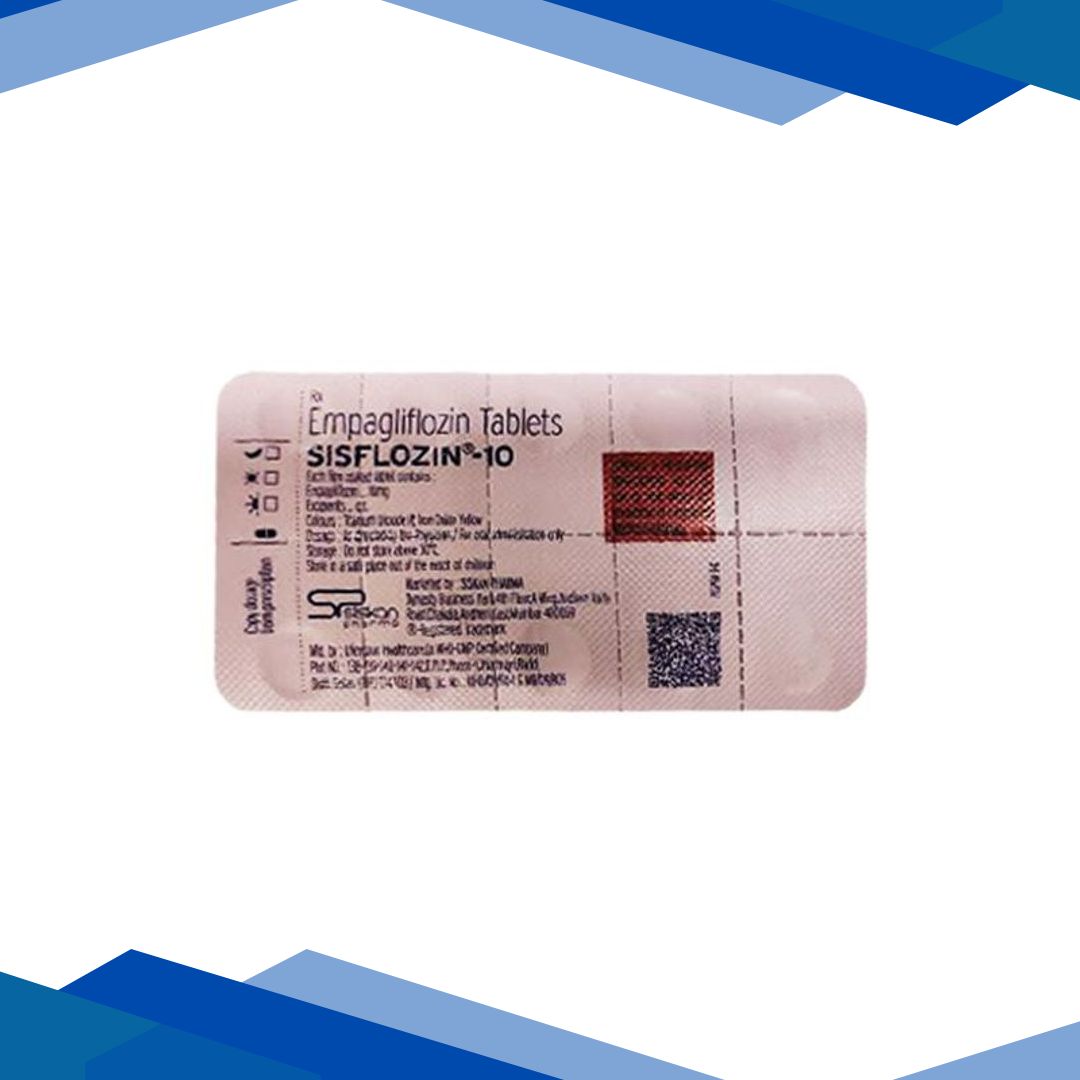
SISFLOZIN 10 Tablet 10’s
SISFLOZIN 10 Tablet is a combination medicine used to help control blood sugar levels in adults with type 2 diabetes. It brings together three medicines that work in different ways. EMPAGLIFLOZIN helps the body remove extra sugar through the urine, METFORMIN lowers the amount of sugar made by the liver and improves the body’s response to insulin, and SITAGLIPTIN helps the body release more insulin after meals and reduces the sugar made by the liver. Together, they can improve blood sugar control when diet and exercise alone are not enough or when one medicine is not sufficient. This medicine is not used for type 1 diabetes or diabetic ketoacidosis. It should be used under the guidance of a healthcare professional as part of a complete diabetes care plan.
Description
SISFLOZIN 10 Tablet is a combination medicine used to help improve blood sugar control in people with type 2 diabetes mellitus when diet, exercise, and a single medicine are not enough. it combines three different antidiabetic agents that work through complementary mechanisms, which can make treatment more effective than using one drug alone. because each ingredient lowers glucose in a different way, this combination may help reduce fasting and after-meal blood sugar levels while also supporting overall long-term glycemic control.
empagliflozin belongs to a group of medicines that help the kidneys remove excess glucose through urine. metformin primarily reduces the amount of glucose produced by the liver and helps the body respond better to insulin. sitagliptin helps increase natural incretin hormones, which support insulin release after meals and reduce the liver’s glucose output. together, these actions provide broader blood sugar management throughout the day. this medicine is generally prescribed for adults with type 2 diabetes, especially when multiple therapies are needed to reach blood sugar targets.
it is important to understand that SISFLOZIN 10 Tablet is not used for type 1 diabetes and is not a substitute for lifestyle changes. healthy eating, regular physical activity, weight management, and routine monitoring remain essential parts of treatment. this medicine may also help reduce the risk of diabetes-related complications by improving long-term glucose control, but it must be used carefully because it can cause side effects such as dehydration, stomach upset, genital infections, or low blood sugar when combined with other diabetes medicines.
because this product contains three active ingredients, it is usually reserved for people who need stronger, multi-pathway glucose lowering. a healthcare professional will decide if it is suitable based on current blood sugar levels, kidney function, other medicines being taken, and overall medical history. the exact formulation and strength may vary by product, so patients should always follow the instructions provided by their doctor or pharmacist.
ingredients
- empagliflozin: empagliflozin is an sglt2 inhibitor that works in the kidneys by blocking glucose reabsorption. this causes the body to excrete excess sugar in the urine, which helps lower blood glucose levels. it may also lead to a modest reduction in body weight and blood pressure in some patients, though these effects are secondary to its glucose-lowering action.
- metformin: metformin is a biguanide and is widely used as a first-line therapy for type 2 diabetes. it decreases glucose production by the liver, improves insulin sensitivity, and helps the body use insulin more effectively. it generally does not cause weight gain and has a long history of use in diabetes management.
- sitagliptin: sitagliptin is a dpp-4 inhibitor that helps preserve incretin hormones, especially glp-1 and gip. these hormones increase insulin release after meals and decrease glucagon secretion, which helps reduce blood sugar spikes after eating. sitagliptin is generally well tolerated and is often used when additional glucose control is needed.
key uses
- type 2 diabetes mellitus: this combination is used to improve blood sugar control in adults with type 2 diabetes when single-agent therapy or lifestyle measures are insufficient. it helps lower both fasting and post-meal glucose levels through three complementary mechanisms.
- additional glycemic control when multiple medicines are needed: it may be used in patients who need more than one oral antidiabetic medicine to reach individualized glucose targets. the triple-action approach can simplify treatment compared with taking separate tablets.
- support for long-term diabetes management: by improving overall glycemic control, the medicine may help reduce the risk of diabetes-related complications over time. good blood sugar control is associated with lower risk of eye, kidney, nerve, and cardiovascular complications, although this medicine is not a cure.
how to use
SISFLOZIN 10 Tablet should be taken exactly as prescribed by a healthcare professional. it is commonly taken once or more daily depending on the specific product formulation, and it should be swallowed with water. taking it with food can help reduce stomach-related side effects, especially those caused by metformin. do not crush, chew, or split the tablet unless your pharmacist or doctor specifically says it is appropriate for your formulation.
try to take the medicine at the same time each day to maintain consistent blood levels and to make it easier to remember. because empagliflozin increases glucose excretion in the urine, staying well hydrated is important unless your doctor has told you to restrict fluids. you should also continue following your meal plan, physical activity routine, and blood glucose monitoring schedule. if you are taking insulin or other diabetes medicines that can cause hypoglycemia, your healthcare professional may need to adjust therapy to reduce the risk of low blood sugar.
this medicine is not intended for sudden correction of very high blood sugar or diabetic emergencies. if you become ill, are unable to eat or drink normally, are severely dehydrated, or are scheduled for surgery or certain medical procedures, you should ask your doctor whether the medicine should be temporarily stopped. never change the dose on your own, and do not stop treatment without professional advice, because blood sugar may rise again.
safety information
- warnings: this medicine can cause dehydration, especially in older adults or people taking diuretics, because empagliflozin increases urination. rare but serious complications may include diabetic ketoacidosis, even when blood sugar is not extremely high, particularly during illness, fasting, or reduced food intake. metformin carries a rare risk of lactic acidosis, a medical emergency that is more likely in people with severe kidney problems, liver disease, or conditions causing low oxygen levels. seek urgent medical attention if you have severe weakness, rapid breathing, abdominal pain, persistent vomiting, unusual sleepiness, or confusion.
- side effects: common side effects may include nausea, diarrhea, stomach discomfort, headache, increased urination, thirst, nasal congestion, or upper respiratory tract symptoms. empagliflozin may increase the risk of genital yeast infections and urinary tract infections. some people may experience dizziness, especially when standing up quickly. serious side effects can include severe allergic reactions, pancreatitis, kidney function problems, severe dehydration, ketoacidosis, lactic acidosis, or severe urinary/genital infections.
- precautions: use caution in people with kidney disease, recurrent urinary or genital infections, heart failure, liver disease, advanced age, dehydration, or a history of pancreatitis. it may not be suitable for people with significant renal impairment, depending on the specific product labeling and kidney function tests. regular monitoring of kidney function, blood sugar, and sometimes vitamin b12 may be needed during prolonged metformin use. inform your healthcare provider about all medical conditions before starting therapy.
- pregnancy/breastfeeding: blood sugar control during pregnancy is very important, but this combination is generally not the preferred choice during pregnancy, and the safety of empagliflozin in pregnancy is a concern. breastfeeding safety is also uncertain, and components may not be recommended depending on the clinical situation. if you are pregnant, planning pregnancy, or breastfeeding, discuss safer alternatives with your doctor promptly.
- interactions: this medicine may interact with insulin, sulfonylureas, alcohol, diuretics, contrast dye used in imaging studies, certain blood pressure medicines, and other drugs that affect kidney function or hydration status. combining it with insulin or sulfonylureas can increase the risk of hypoglycemia. alcohol may raise the risk of lactic acidosis with metformin and can worsen blood sugar instability. always tell your clinician about all prescription drugs, over-the-counter products, and herbal supplements you use.
additional information
- storage: store the medicine at room temperature in a dry place, away from moisture, heat, and direct sunlight. keep it in its original container and out of reach of children and pets. do not store it in the bathroom, and do not use tablets that are damaged, discolored, or expired.
- missed dose: if you miss a dose, take it when you remember unless it is almost time for the next dose. if the next dose is near, skip the missed dose and return to your regular schedule. do not take extra medicine to make up for a missed dose, because this may increase side effects without improving control.
- overdose: overdose may cause severe nausea, vomiting, abdominal pain, dizziness, dehydration, low blood sugar, or signs of acidosis. in serious cases, overdose can lead to dangerous metabolic disturbances that require urgent medical care. if an overdose is suspected, seek emergency help immediately or contact a poison center right away.
- habit forming: no. SISFLOZIN 10 Tablet is not habit forming and does not cause dependence. however, it should still be taken regularly as directed to maintain blood sugar control and prevent rebound hyperglycemia.
frequently asked questions
Q: what is SISFLOZIN 10 Tablet used for?
A: it is used to improve blood sugar control in adults with type 2 diabetes when one medicine or lifestyle measures are not enough. it combines three medicines that work in different ways to lower glucose throughout the day.
Q: can this medicine be used for type 1 diabetes?
A: no. it is not used to treat type 1 diabetes or diabetic ketoacidosis. people with type 1 diabetes need a different treatment plan, usually involving insulin.
Q: should i take this medicine with food?
A: taking it with food may help reduce stomach upset, especially from metformin. your healthcare professional may advise the best time based on the specific product and your tolerance.
Q: does SISFLOZIN 10 Tablet cause low blood sugar?
A: it can cause low blood sugar, especially when used with insulin or sulfonylureas. on its own, the risk is usually lower, but symptoms should still be recognized and treated quickly.
Q: what are the most common side effects?
A: common side effects include nausea, diarrhea, stomach discomfort, increased urination, thirst, headache, and sometimes genital or urinary tract infections. most side effects are manageable, but persistent or severe symptoms should be reported to a healthcare professional.
Q: can this medicine affect my kidneys?
A: it may not be suitable for people with significant kidney problems, and kidney function should be monitored regularly. metformin and empagliflozin both require careful use when kidney function is reduced.
Q: why do i need to drink more water while taking it?
A: empagliflozin causes the kidneys to remove glucose through urine, which can increase urination and fluid loss. staying hydrated helps reduce the risk of dehydration, dizziness, and related complications unless your doctor has limited your fluid intake.
Q: can i drink alcohol while taking this medicine?
A: alcohol should be used cautiously because it can increase the risk of low blood sugar and may raise the risk of lactic acidosis with metformin. ask your healthcare professional what level, if any, is safe for you.
Q: what should i do if i get sick or cannot eat normally?
A: illness, vomiting, reduced food intake, or dehydration can increase the risk of complications such as ketoacidosis or lactic acidosis. contact your doctor for guidance, especially if you have trouble keeping fluids down or if your blood sugar becomes unstable.
Q: is this medicine a cure for diabetes?
A: no. it helps control blood sugar but does not cure diabetes. long-term management still requires healthy lifestyle habits, monitoring, and regular follow-up with a healthcare professional.
Q: can this medicine help with weight loss?
A: some people may lose a small amount of weight, mainly because empagliflozin causes glucose loss in urine. however, it is not primarily a weight-loss medicine, and results vary from person to person.
Q: do i need regular tests while taking it?
A: yes. regular monitoring may include blood sugar checks, kidney function tests, and sometimes other labs based on your medical condition. these tests help ensure the medicine is working safely and effectively.
Q: what signs mean i should seek urgent medical help?
A: seek urgent help for symptoms such as severe vomiting, abdominal pain, deep or rapid breathing, marked weakness, confusion, fainting, severe dehydration, or signs of a serious allergic reaction. these may indicate a medical emergency.
Q: can i stop the medicine once my sugar improves?
A: do not stop it on your own even if your blood sugar improves. diabetes treatment is usually long term, and stopping suddenly can cause blood sugar levels to rise again. your doctor should decide if any change is needed.
Q: what if i am scheduled for surgery or a scan with contrast dye?
A: tell your healthcare provider in advance, because this medicine may need to be temporarily stopped around surgery or certain imaging procedures. this helps reduce the risk of dehydration, kidney stress, or lactic acidosis.
this information is for educational purposes only and should not be considered medical advice. always consult a qualified healthcare professional before use.
At Gem Pharmacy, we make every effort to provide accurate, expert-written, and thoroughly reviewed information related to medicines. However, this information should not be considered a substitute for professional medical advice, diagnosis, or treatment from a qualified doctor.
The purpose of this information is to educate users and improve communication between patients and healthcare professionals. It should not be used to diagnose or treat any condition.
Always consult a certified healthcare professional before taking any medication.


Related products
SITAXA E 25+100 Tablet 10’s
Glyxambi 25/5mg Tablet 10’S
EMPASOV M 12.5/500 Tablet 10’s