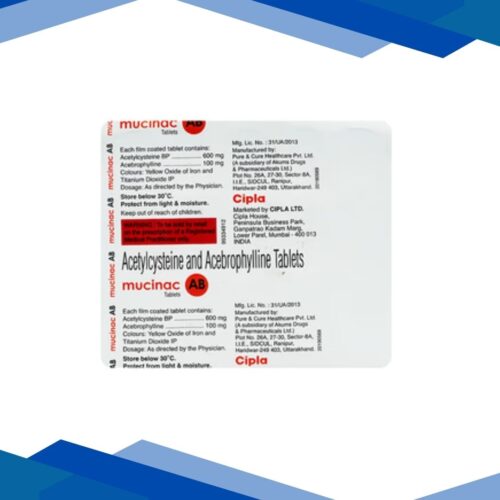
MUCINAC AB Tablet 15’s
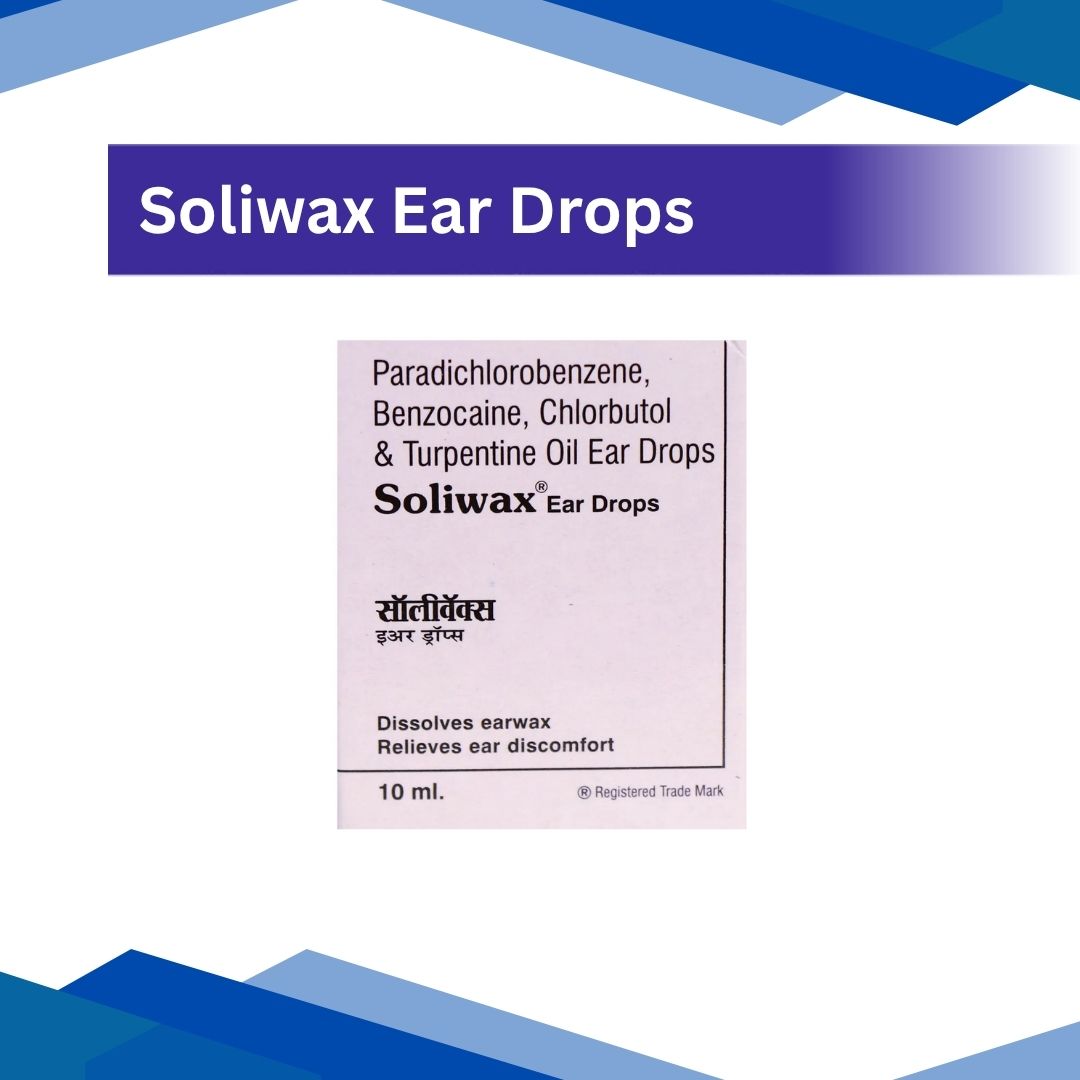
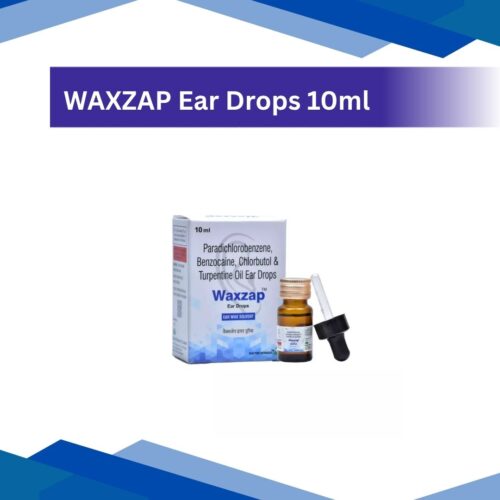
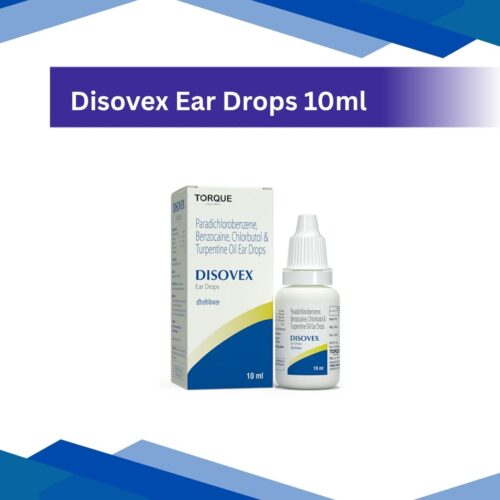
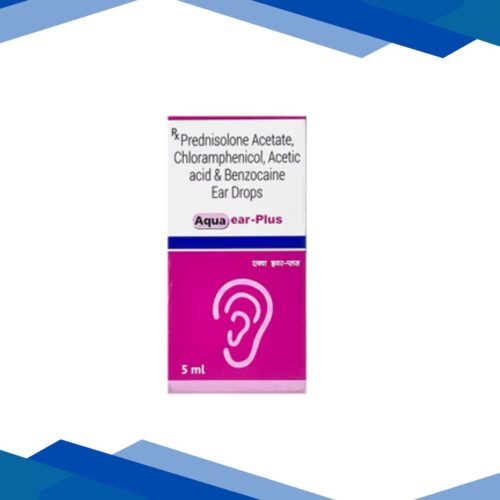
Soliwax Ear Drops
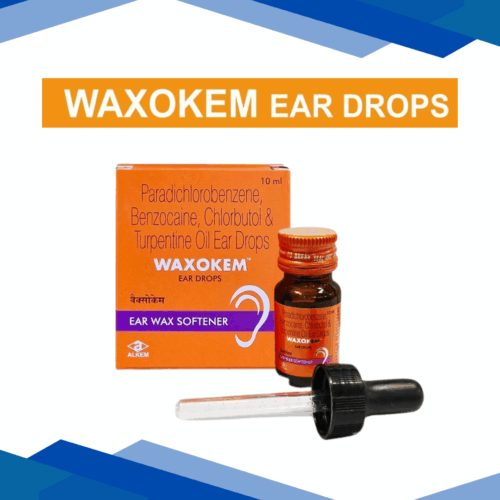
Soliwax Ear Drops is an over-the-counter solution formulated to soften and remove impacted earwax, alleviating discomfort such as muffled hearing, itching, and ear fullness. It combines multiple active ingredients to effectively address earwax buildup. For more details kindly click on Medicine Salts below:
Benzocaine
Benzocaine: Quick Relief for Minor Pain & Irritations
Benzocaine is a well-established local anesthetic used to provide temporary relief from pain and itching. Whether it’s a stubborn sore throat, a nagging toothache, or minor skin irritation, Benzocaine works by numbing the affected area quickly, allowing you to get back to your day without the constant distraction of discomfort.
How Benzocaine Works
Benzocaine belongs to the class of local anesthetics known as esters. It functions by creating a temporary barrier on your nerve endings. When applied, it stops sodium ions from entering the nerve ending, which effectively prevents pain signals from being sent to your brain.
Key Uses & Benefits
Benzocaine is versatile and available in various forms, including gels, sprays, lozenges, and creams. It is commonly used for:
-
Oral Pain: Relief from mouth ulcers, canker sores, and gum pain.
-
Sore Throats: Found in medicated lozenges to soothe irritation.
-
Skin Irritation: Temporary relief from minor burns, insect bites, and scrapes.
-
Ear Care: Used in specific drops to manage pain from ear pressure or wax buildup.
Usage Guidelines
To get the most out of your treatment and ensure safety, follow these general steps:
-
Clean the Area: Ensure the affected area is clean and dry before application.
-
Apply Sparingly: Use only the amount recommended on the product packaging or by your healthcare provider.
-
Frequency: Do not use more than 3–4 times a day unless directed otherwise.
-
Avoid Eyes: Keep all Benzocaine products away from your eyes and inner nose.
Safety Information & Precautions
While Benzocaine is generally safe for over-the-counter use, it is important to keep the following in mind:
-
Methemoglobinemia: This is a rare but serious condition where the amount of oxygen carried through the blood is greatly reduced. Seek medical help immediately if you notice pale, gray, or blue-colored skin/lips.
-
Age Restrictions: Benzocaine products should not be used for teething in infants or children under 2 years of age.
-
Allergies: If you have a known allergy to ester-type anesthetics (like procaine or tetracaine), consult your doctor before use.
Frequently Asked Questions (FAQs)
1. How long does it take for Benzocaine to start working?
Typically, you will feel a numbing sensation within 30 to 60 seconds of application. The peak effect usually lasts between 15 to 20 minutes.
2. Can I use Benzocaine for a toothache?
Yes, Benzocaine gels are frequently used for temporary toothache relief. However, it is a “band-aid” solution. You should visit a dentist to address the underlying cause of the pain.
3. Is Benzocaine safe during pregnancy?
If you are pregnant or breastfeeding, it is best to consult your OB-GYN before using Benzocaine. While topical absorption is generally low, professional medical advice ensures the safety of both mother and child.
4. What should I do if I accidentally swallow Benzocaine spray or gel?
While small amounts used for sore throats are generally safe to swallow, ingesting large quantities can be harmful. If you feel nauseous or dizzy after accidental ingestion, contact a poison control center immediately.
5. Can I use Benzocaine on open wounds?
You should avoid applying Benzocaine to deep puncture wounds, severe burns, or large areas of blistered skin unless a doctor specifically instructs you to do so.
Chlorbutol
Chlorobutanol: Applications, Advantages, and Safety Information
Chlorobutanol (also called Chlorbutol) is a compound with vast and varied applications in the pharmaceutical industry. It is a mild sedative, an antiseptic, and a somewhat local anesthetic. It is also an important base for the preservation of numerous multiple-dose clinical preparations.
Pharmachologics
Chlorobutanol, when used intranasally, is said to have a very high rate of administration. When orally administered, the chemical is sedative and hypnotic. In fact, there are some anxiety-reducing properties related to the drug. For this reason, some tricyclic antidepressants (such as amitriptyline) have been in use along with chlorobutanol.
Clinical Use:
Eye: Prepares antibiotic opthalmic drops for maintaining asepsis production.
Ear: Softening ear drops exhibit elevated values of its preservation in the presence of wax as compared to the tetracaine base.
Injection: Injectible solutions containing procaine are preserved at higher standards than chlorobutanol can maintain.
Questions and Answers
1. In what conditions is Chlorobutanol used in?
Chlorbutol is most commonly used to relieve ear pain and irritation (as part of otic drop formulations) and as a preservative to prevent bacteria in the medications from growing (some sedative effects may be expected).
2. Is Chlorbutol a safe medication for everyone?
Though it is immensely effective, it may not be for everyone. Avoid Chlorbutol products if you have a known allergy to it or other local anesthetic medications. Please consult a healthcare practitioner if you are pregnant or breastfeeding.
3. Are there any side effects?
Just like any other active ingredients, some patients may experience certain side effects.
These include:
Local skin irritation or redness (topical use).
Drowsiness (if ingested).
Dizziness.
If there are symptoms of swelling on your face or if you have an itchy feeling during breathing, do see your doctor immediately.
4. Can I use Chlorbutol drops in the long term?
No. Chlorbutol products are generally intended for temporary therapy. Taking long time combined with direct ear irrigation may lead to skin sensitivity or irritation. If manifestations persist for more than a few days, contact your doctor.
5. How do I store medicines containing this salt?
Store it in a cool, dry place preferably away from the sun. Be sure on capping the bottle tightly, every time you load the medication that the effectiveness of the preserving agent remains vibrant.