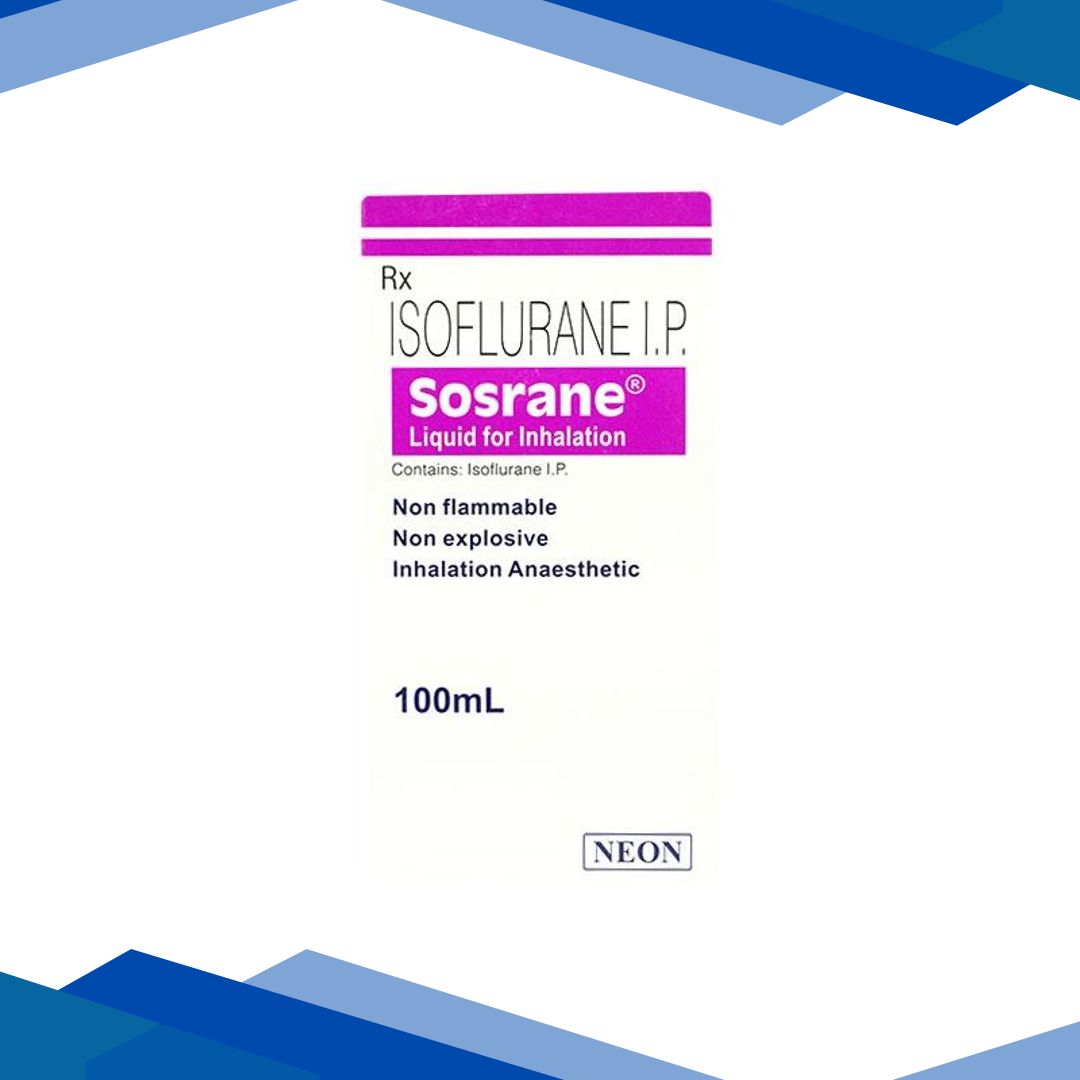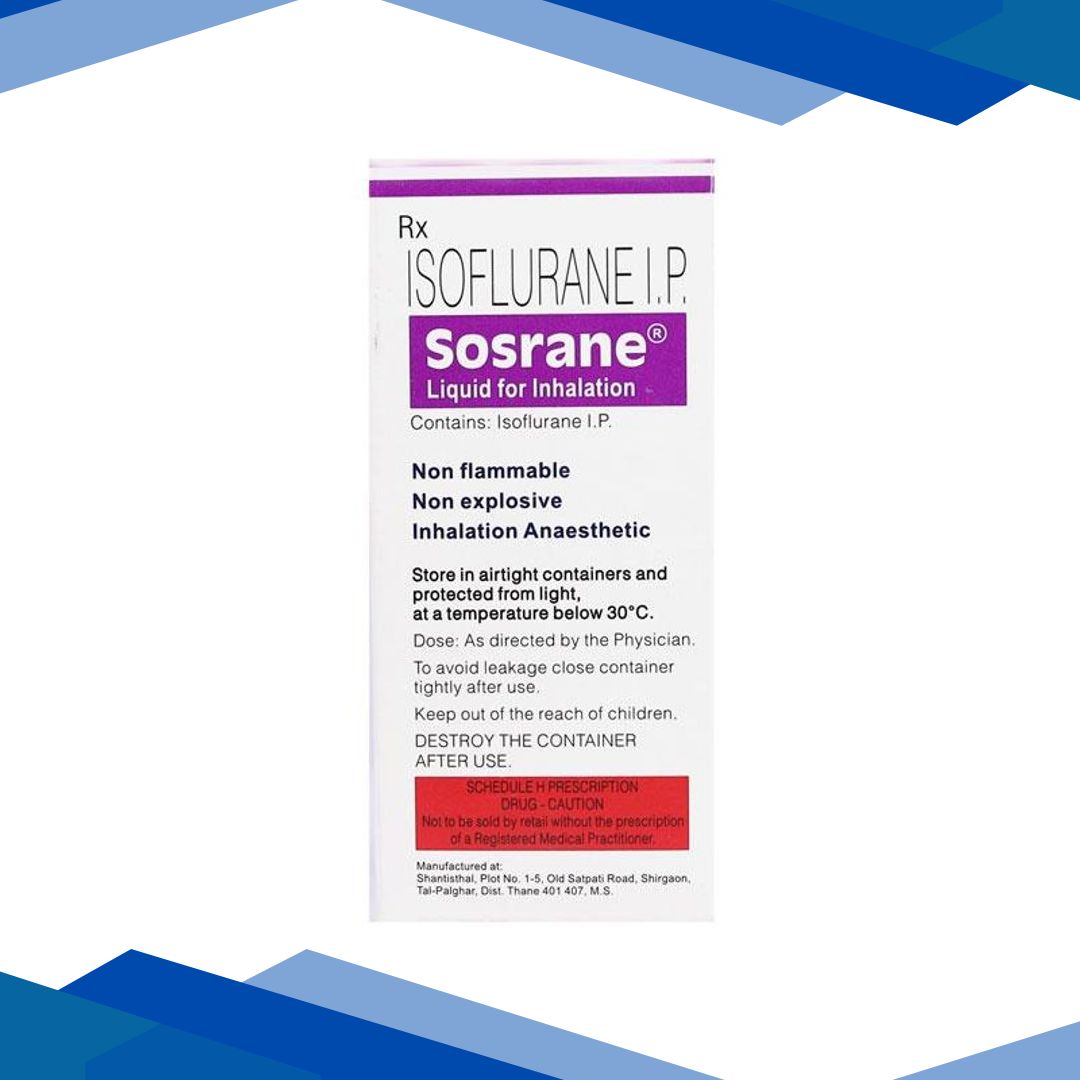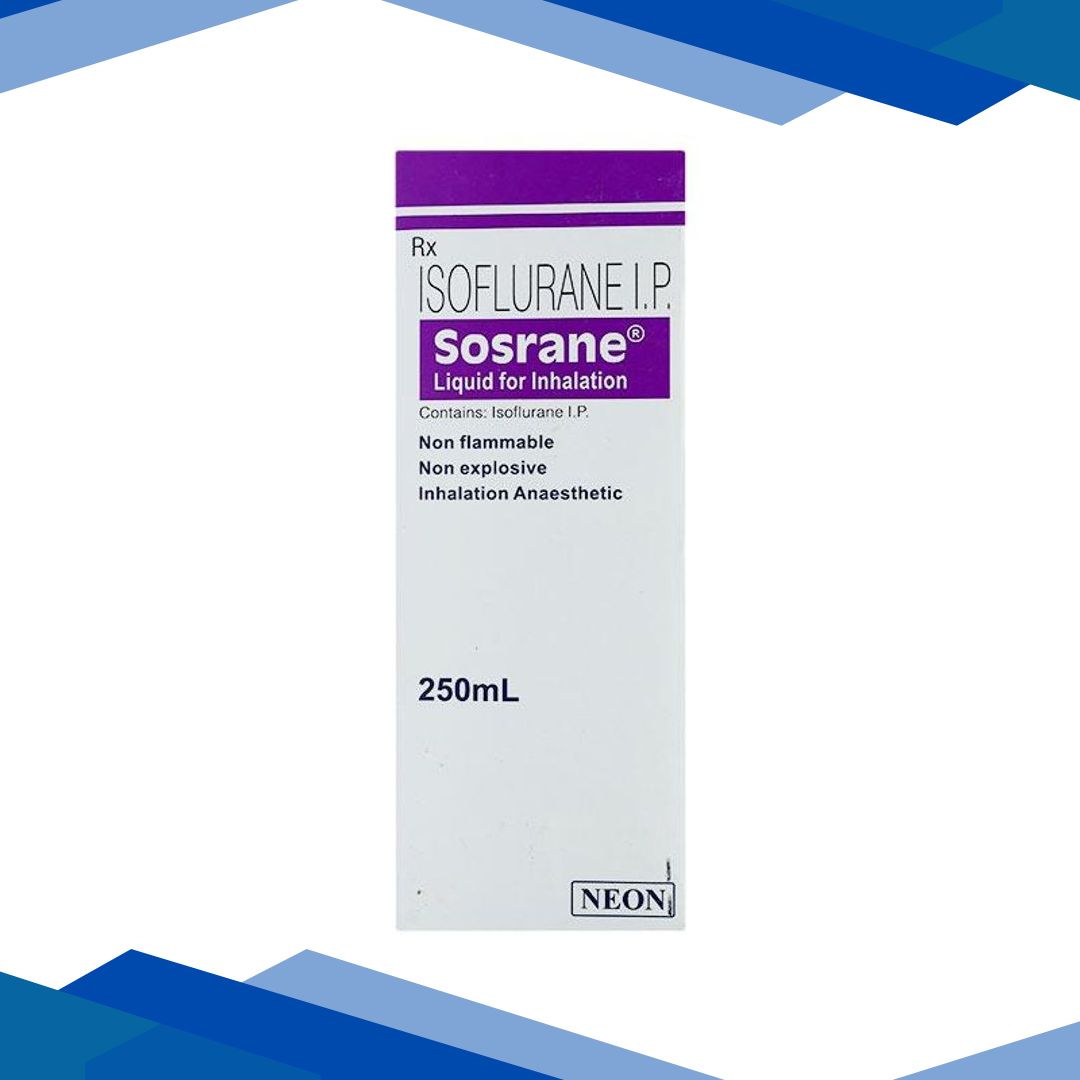
Sosrane Liquid 250ml
❌ Due to high demand, this product is currently out of stock. New stock will be available shortly.
👉 Click here to Buy Same Salt medicine
Sosrane Liquid is a general anesthetic used to help patients stay asleep and pain-free during surgery or other medical procedures. It is given by inhalation through a special machine, and it works by slowing down activity in the brain and central nervous system, leading to a controlled loss of consciousness. Doctors use Sosrane Liquid mainly to maintain anesthesia after a patient has been put to sleep, especially during longer operations. It helps create a stable, adjustable level of anesthesia so the surgical team can perform procedures safely and comfortably. Because it can affect breathing, blood pressure, and heart function, it is used only under close medical supervision by trained healthcare professionals.
Description
Sosrane Liquid is a volatile inhalational anesthetic used to produce and maintain general anesthesia during surgical procedures. it is not a pain medicine in the usual sense, but a potent anesthetic agent that helps patients become unconscious, unresponsive, and unable to remember the operation while allowing the healthcare team to perform procedures safely. because it is administered as a vapor through specialized anesthesia equipment, Sosrane Liquid is used only in hospitals or surgical centers under the direct supervision of trained anesthesia professionals.
Sosrane Liquid works by depressing the central nervous system in a controlled and reversible way. it reduces awareness, sensation, and response to pain by affecting communication between nerve cells in the brain and spinal cord. this makes it especially useful for maintaining anesthesia after a patient has been initially put to sleep with another induction agent or, in some cases, for continuing anesthesia throughout a procedure. its effects begin and end relatively quickly compared with some older anesthetic agents, which allows anesthesiologists to adjust the depth of anesthesia during surgery with precision.
this medicine is intended for patients undergoing operations or invasive procedures that require complete unconsciousness. it is not used for routine home treatment, and it is not something a patient administers themselves. Sosrane Liquid may be chosen because of its reliable anesthetic action and predictable recovery profile, but it must be handled carefully since it can affect breathing, blood pressure, and heart function. for this reason, continuous monitoring of oxygenation, circulation, and anesthetic depth is essential throughout its use.
in modern practice, Sosrane Liquid is one of several inhaled anesthetics that may be selected based on the patient’s age, medical condition, and the type of surgery being performed. while highly effective, it is also a medication with important safety considerations. patients with certain heart rhythm disorders, susceptibility to malignant hyperthermia, severe liver disease, or other specific conditions may need special assessment before exposure. if there is any uncertainty about whether Sosrane Liquid is appropriate, a qualified anesthesiologist or physician should evaluate the risks and benefits.
ingredients
- Sosrane Liquid: the active anesthetic ingredient. it is a halogenated ether inhalation agent that produces general anesthesia by lowering brain activity and suppressing the body’s response to surgical stimulation. its main benefit is the ability to maintain a stable anesthetic state during procedures, with rapid adjustment possible by changing the vapor concentration delivered through anesthesia equipment.
- inhalation vapor vehicle: Sosrane Liquid is administered as a vaporized gas through a calibrated anesthesia delivery system. the delivery system itself is not an ingredient in the medicine, but it is essential for converting the liquid anesthetic into a controlled inhaled form so the correct concentration can be delivered safely.
- medical oxygen and/or mixed anesthetic gases: in clinical use, Sosrane Liquid is commonly administered together with oxygen and sometimes nitrous oxide or other gases. these are supportive components of anesthesia administration rather than ingredients in the bottle, but they are important because they help ensure adequate oxygenation and allow safe anesthetic delivery.
key uses
- maintenance of general anesthesia: Sosrane Liquid is primarily used to keep a patient unconscious during surgery after anesthesia has been initiated. it helps maintain a stable level of sedation, immobility, and amnesia throughout the procedure.
- control of surgical awareness: by depressing consciousness and memory formation, it helps prevent awareness of the operation and reduces the chance of remembering painful or distressing events during surgery.
- support for major operations: it may be used in a wide range of surgeries where full general anesthesia is needed, especially when careful control of anesthetic depth is required.
- adjunct to balanced anesthesia: Sosrane Liquid can be part of a broader anesthesia plan that includes pain medicines, muscle relaxants, and oxygen support. this balanced approach helps optimize safety and recovery.
how to use
Sosrane Liquid should only be used by anesthesia professionals in a monitored clinical environment. it is administered by inhalation using a vaporizer connected to an anesthesia machine, which precisely controls the amount of anesthetic the patient receives. the medicine is usually introduced after the patient has been prepared for surgery, and the anesthesiologist adjusts the dose based on the patient’s response, the type of operation, and the desired depth of anesthesia. patients do not inhale it on their own, and it is not taken like a home medication.
because Sosrane Liquid is a potent anesthetic, its effects depend on continuous monitoring of breathing, oxygen levels, heart rate, blood pressure, and other vital signs. the clinical team may also use additional medicines before, during, or after surgery to manage pain, nausea, muscle relaxation, and anxiety. recovery begins after the anesthetic is stopped, and the patient is observed until consciousness, breathing, and circulation are stable enough for safe recovery. exact administration decisions are made only by qualified healthcare professionals.
safety information
- warnings: Sosrane Liquid can cause a drop in blood pressure, slow breathing, and reduced protective reflexes. it must be used with proper airway management and close monitoring. it may also trigger malignant hyperthermia in susceptible individuals, a rare but life-threatening reaction characterized by high fever, muscle rigidity, rapid heart rate, and severe metabolic disturbance. emergency treatment must be available wherever Sosrane Liquid is used.
- side effects: common effects include low blood pressure, nausea, vomiting, shivering, dizziness, drowsiness, and slowed awakening from anesthesia. more serious effects can include breathing suppression, abnormal heart rhythms, severe blood pressure changes, liver injury, and malignant hyperthermia. some patients may also experience confusion or agitation during recovery, especially older adults or children.
- precautions: use caution in patients with a personal or family history of malignant hyperthermia, significant heart disease, unstable blood pressure, severe liver problems, or conditions where increased intracranial pressure is a concern. patients with breathing disorders or weakened overall health may require special monitoring. Sosrane Liquid is not suitable for unsupervised use and should only be given by trained clinicians.
- pregnancy/breastfeeding: Sosrane Liquid may be used during pregnancy only when the potential benefit outweighs the risk, such as when surgery is medically necessary. general anesthesia can affect both mother and fetus, so careful obstetric and anesthetic planning is essential. breastfeeding after anesthesia is often possible after an appropriate recovery period, but the patient should follow the advice of the treating clinician, as recommendations can vary depending on the procedure and other medicines used.
- interactions: Sosrane Liquid can interact with other anesthetics, sedatives, opioids, benzodiazepines, alcohol, and medicines that lower blood pressure or depress breathing, increasing the risk of excessive sedation and respiratory suppression. it may also interact with certain heart medicines and drugs that affect the central nervous system. alcohol should be avoided before and after surgery as advised, since it can intensify sedation and delay recovery.
additional information
- storage: Sosrane Liquid should be stored according to manufacturer instructions in a tightly closed container, protected from excessive heat, direct sunlight, and incompatible chemicals. it must be kept in a controlled clinical setting and handled only by authorized personnel. storage conditions may vary by product packaging, so the label and hospital protocol should always be followed.
- missed dose: this medicine is not taken on a regular self-administered schedule, so a “missed dose” is generally not applicable. if a planned procedure is delayed or rescheduled, the anesthesia team will determine the correct timing and whether any pre-anesthesia instructions need to be repeated.
- overdose: too much Sosrane Liquid can cause dangerously deep anesthesia, very low blood pressure, severe breathing depression, poor oxygen delivery, and heart rhythm disturbances. in a clinical setting, overdose is managed immediately by stopping the anesthetic and providing supportive care such as oxygen, ventilation, fluids, and cardiovascular support. this is a medical emergency requiring trained personnel.
- habit forming: no, Sosrane Liquid is not considered habit forming. it is used only under professional supervision for anesthesia and does not typically cause addiction or dependence. its purpose is procedural anesthesia rather than long-term symptom control.
frequently asked questions
Q: what is Sosrane Liquid used for?
A: Sosrane Liquid is used to maintain general anesthesia during surgery. it helps keep the patient unconscious, immobile, and unaware of the procedure while the medical team performs the operation.
Q: can Sosrane Liquid be used at home?
A: no. Sosrane Liquid is a hospital-only anesthetic that must be given through specialized equipment by trained anesthesia professionals. it is not safe for home use.
Q: how does Sosrane Liquid work in the body?
A: it depresses the central nervous system, reducing awareness, memory, and reaction to surgical pain. its effects are controlled by the anesthesiologist through the vapor concentration delivered during the procedure.
Q: is Sosrane Liquid safe?
A: Sosrane Liquid is generally safe when used by trained professionals with proper monitoring. however, it can cause serious effects in some patients, so a full medical evaluation is important before anesthesia.
Q: what are the common side effects of Sosrane Liquid?
A: common side effects may include low blood pressure, nausea, vomiting, drowsiness, shivering, and slow recovery from anesthesia. serious side effects are less common but can include breathing problems, abnormal heart rhythms, and malignant hyperthermia.
Q: who should avoid Sosrane Liquid?
A: people with a history of malignant hyperthermia, severe liver disease, unstable heart conditions, or major breathing problems may need special assessment or an alternative anesthetic. the anesthesiologist will decide based on individual risk.
Q: does Sosrane Liquid cause pain relief?
A: Sosrane Liquid mainly provides unconsciousness and amnesia rather than direct pain relief. pain control during surgery is usually achieved by combining it with other medicines such as opioids or local anesthetics.
Q: can Sosrane Liquid affect blood pressure?
A: yes. Sosrane Liquid can lower blood pressure, especially at higher anesthetic levels or in patients who are already medically fragile. that is why continuous monitoring is necessary during its use.
Q: what is malignant hyperthermia?
A: malignant hyperthermia is a rare but life-threatening reaction to certain anesthetic agents, including Sosrane Liquid, in susceptible individuals. it causes rapid fever, muscle rigidity, fast heart rate, and severe metabolic changes and requires immediate emergency treatment.
Q: can pregnant patients receive Sosrane Liquid?
A: it may be used during pregnancy if surgery is medically necessary and the benefits outweigh the risks. the anesthesia plan should be tailored carefully by specialists to protect both mother and baby.
Q: is it normal to feel sleepy after Sosrane Liquid?
A: yes. drowsiness and slowed reaction times are common as the anesthetic wears off. patients should not drive, operate machinery, or make important decisions until fully recovered and cleared by the healthcare team.
Q: can Sosrane Liquid cause nausea?
A: yes. nausea and vomiting can occur after anesthesia, including with Sosrane Liquid. preventive anti-nausea medicines are often used when appropriate to reduce this effect.
this information is for educational purposes only and should not be considered medical advice. always consult a qualified healthcare professional before use.
At Gem Pharmacy, we make every effort to provide accurate, expert-written, and thoroughly reviewed information related to medicines. However, this information should not be considered a substitute for professional medical advice, diagnosis, or treatment from a qualified doctor.
The purpose of this information is to educate users and improve communication between patients and healthcare professionals. It should not be used to diagnose or treat any condition.
Always consult a certified healthcare professional before taking any medication.


Related products
ISIFRANE 250 Liquid For Inhalation 250ml