



















SUCRAFIL ANO Cream 20gm
No Prescription yet? Don’t worry! Click Here to Get Online Consultation
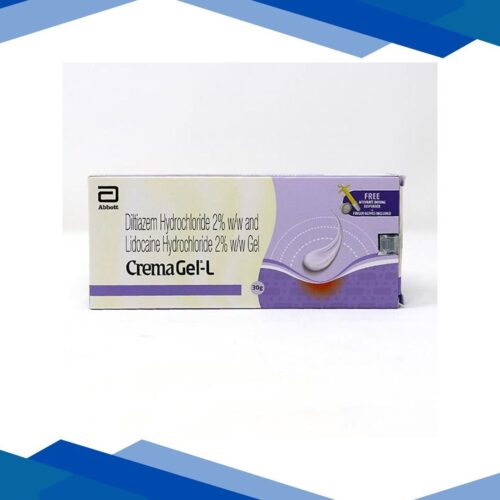
Sucrafil ANO Cream with Finger Gloves Free is a medicine used in the treatment of anal fissure (tear in the lining of the anus). It helps reduce pain, burning, and swelling. It also protects from infection and promotes the healing of fissures.
Lidocaine
Lidocaine (Topical/Injectable) Lidocaine is a local anesthetic drug with multifarious uses for causing some temporary form of numbness or loss of feeling in a specific area. Its effect is completed by blocking the nerves to transmit 'pain' signals to the brain. It is essential for current pain management, meaning that it largely treats minor skin injuries using a topical gel and provides anesthesia for minor surgeries upon injectable administration.
Principal Applications: Skin Numbing: Good for minor burns, insect bites, or scrapes. Leading-edge Applications: Often used before injections, tattoo needles, and catheterization to minimize pain. Dental Signs: For application, gels help to soothe sores or relieve dental work discomfort. Surgery Use: Used by specialists to numb an area for suturing or for small cytological examination.
How to Apply (Topical) Clean Site: Wash and dry the affected skin before applying the cream or gel. Thin Layer: Apply only on the area that needs treatment; never apply over a large area of the body. Hands on: Washing hands is important right after application to keep the medicine away from the eyes or mouth. Dosage: Follow your prescription regarding how often it has to be used. Excessive usage permits systemic absorption, a potentially serious occurrence.
Precautions Word of Warning: Lidocaine should never be placed on open, blistered, or 3rd-degree burned areas unless the physician tells you so. Also avoid tight bandaging or heating pads over the treated area, as this may increase drug absorption into the bloodstream. Heart Physiology: If you have a history of arrhythmia or other heart conditions, consult your doctor before use. Hepatic Cases: Patients with liver disease should use Lidocaine with care, as it is metabolized in the liver. Allergies: Check for sensitivity to "amide-type" local anesthetics before use.
Possible Side Effects
- Mild redness, swelling, or irritation at the site of application
- Brief stinging or burning sensation
- Pallor (lightening of skin) at the application site
Frequently Asked Questions (FAQs) Q: How Long Does It Take for Lidocaine to Take Effect? A: With topical gels and creams, a numbing sensation usually begins within 2 to 5 minutes. The peak effect is achieved in about 15–30 minutes.
Q: Can I Use Lidocaine for a Sore Throat? A: Use only specific oral Lidocaine viscous solutions for throat pain. Do not use skin creams or gels inside the mouth or throat.
Q: Is It Safe to Use Lidocaine Every Day? A: Lidocaine should be used only as directed by your doctor. Avoid unnecessary or prolonged use.
Q: When should I avoid using Lidocaine? A: Avoid long-term use without medical advice. If symptoms persist, consult a physician.
Q: Is there any time-limit for the consumption of Lidocaine? A: It should not be used daily for extended periods, as side effects may accumulate with prolonged use.
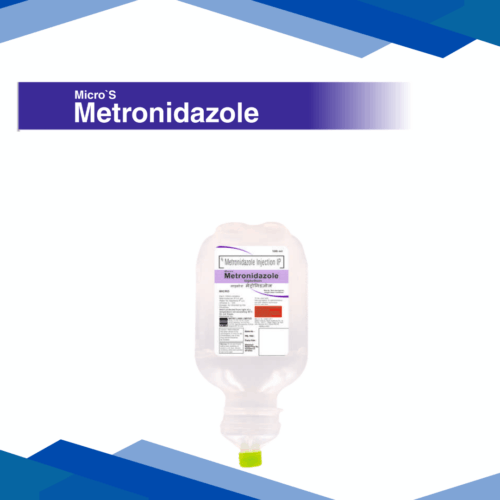
Metronidazole
Metronidazole 400 mg Tablet Metronidazole is an antibiotic widely marketed under the brand name Flagyl. It is a powerful antiprotozoal agent used to treat infections caused by anaerobic bacteria and parasites such as amoebiasis and giardiasis. It works by entering the DNA of microorganisms, preventing replication and thereby eliminating the infection.
Therapeutic Uses Bacterial Infections: Used for abdominal, liver, skin, joint, and respiratory tract infections caused by anaerobic bacteria. GI-Related Disorders: Effective in H. pylori infection and amoebiasis. Dental Abscess: Used to treat oral bacterial infections, including dental caries-related infections and gingivitis. Specific Infections: Indicated for bacterial vaginosis and trichomoniasis.
Proper Use Complete Full Course: Always finish the entire prescribed course even if symptoms improve early. Incomplete use may lead to infection recurrence or antibiotic resistance. Swallow Whole: Do not crush or chew the tablet. With Food: Take with a meal, water, or milk to reduce stomach irritation. Missed Dose: Take as soon as remembered. If it is close to the next dose, skip the missed dose. Do not double dose.
Important Safety Measures Alcohol Warning: Avoid alcohol completely during treatment and for 48–72 hours after the last dose. It may cause a disulfiram-like reaction including nausea, vomiting, abdominal cramps, headache, and flushing. Pregnancy & Breastfeeding: Inform your doctor if you are pregnant, especially in the first trimester. Nerve Health: Long-term use may cause neurological symptoms such as tingling or numbness in limbs. Report any such signs immediately. Liver Function: Dose adjustment may be required in liver impairment.
Potential Side Effects Most are mild and temporary: Metallic taste in mouth Nausea or abdominal cramps Loss of appetite Headache ⚠️ Rare but serious effects may include pancreatic irritation or peptic ulcer complications.
Frequently Asked Questions (FAQs)
Q: Why does my mouth taste like metal? A: A metallic taste is a common and temporary side effect. It usually resolves within 1–7 days after stopping treatment. Chewing sugar-free gum or mint may help.
Q: Can Metronidazole be used for common cold or flu? A: No. It is effective only against bacterial and protozoal infections, not viral infections like cold, flu, or COVID-19.
Q: How soon will I feel better? A: Improvement often occurs within 24–48 hours, but the full course must be completed to ensure complete eradication of infection.
Q: Is it safe to drive while taking this medicine? A: Generally yes, but avoid driving if you experience dizziness or confusion.
Q: Can I take it with other medications? A: Metronidazole may interact with warfarin and lithium. Always inform your doctor about all medications and supplements.
Sucralfate
Imipramine Tablet (Tricyclic Antidepressant): Imipramine is a versatile tricyclic antidepressant (TCA) that is primarily indicated to treat Depression. A very rare monument is found, with the indication of Enuresis (Bed-wetting) in children above 6 years of age. It balances mood by increasing the level of chemicals like serotonin and norepinephrine and improving nerve conductions of the bladder. Major Applications Major depressive disorders when sedating or inducing sleep is beneficial. Nocturnal enuresis aids in relieving bed-wetting in children by automatically stiffening their sleep cyclones and contraction of the bladder muscle. Panic disorders are treated off-label sometimes to lessen the incidence and severity of panic attacks. Management of chronic pain is referred to a certain level like in neuropathic (nerve) pain or fibromyalgia. How It Works Imipramine acts by reducing reabsorption of norepinephrine and serotonin. This widens emotion stability by increasing the length of time they take to reabsorb these 'feel-good' chemicals in the gaps between nerve cells while promoting rationality. It convenes help when working with bed-wetting issues in children 2 to 6 years old and eliminates the major depth of sleep and enhances the capacity of the urine with patient adherence to training. Instructions for Use Dose: Should always be in accordance with prescription. For depression treatment, an usual initiation includes a low dose of between 25–75mg, which is incrementally increased over time. How Frequently: Usually taken 1 hour before sleep for bed-wetting; Depression is divided odously or once nightly. Evenness: It will take approximately 2 to 4 weeks of steady (not inconsistent) use before benefits start working. Do not quit abruptly without medical consent for the medicine to be stopped. Safety Information & Merge Pregnancy/ Nursing: It is generally not recommended during pregnancy or whilst nursing unless deemed essential by a specialist. Heart Health: Patients with a history of heart diseases or recent heart attacks must inform their doctor. ECG is indicated if heart disease is of potential concern. Sunscreen: The drug causes heightened sensitivity to sunlight. Adequate sun protection must be used. Glaucoma: The drug is contraindicated in narrow-angle glaucoma patients as it can increase intraocular pressure. Alcohol: Maintain abstinence from alcohol during treatment with Imipramine to avoid dangerous levels of drowsiness and poor coordination. Commonly Reported Side Effects Dry mouth and blurred vision Constipation or difficulty while urinating Feeling dizzy when you get up suddenly (orthostatic hypotension) Sweat more Nervousness or drowsiness especially in children. Discontinue straightaway and seek medical attention if you have a fast heartbeat, severe confusion, or react strongly to an allergic reaction of rash, swelling, or difficulty breathing. Q&A (Frequently Asked Questions) Q: Who should is allowed to take Imipramine for bedwetting? No. Typically, it would only prove useful for kids above 6 with no response to other treatments if they can use alarms, counseling, or such behavioral therapies as well at the same time. Q: Is Imipramine addictive? No, it is not addictive. However, sudden withdrawal can result in "withdrawal-like" experiences like headaches, nausea, and irritability. So, tapering under a doctor's supervision is highly recommended. Q: What do I do if I miss a dosage? Take the missed dosage as soon as you can recall. If it is close to the next dosage, you can miss the missed dosage. Never double up your dose. Q: Will I be able to drive after administering Imipramine? Be careful as this medication can make you feel drowsy with blurred vision. Do not drive or use heavy machinery until you know how this will affect your alertness. Q: Does Imipramine increase weight through weight gain? In some patients, increased appetite may take place or metabolism may change, leading to weight gain. Eat a balanced diet and exercise regularly to help manage this side effect.
At Gem Pharmacy, we make every effort to provide accurate, expert-written, and thoroughly reviewed information related to medicines. However, this information should not be considered a substitute for professional medical advice, diagnosis, or treatment from a qualified doctor.
The purpose of this information is to educate users and improve communication between patients and healthcare professionals. It should not be used to diagnose or treat any condition.
Always consult a certified healthcare professional before taking any medication.


Related products


CO Mupimet Collagen Particles