
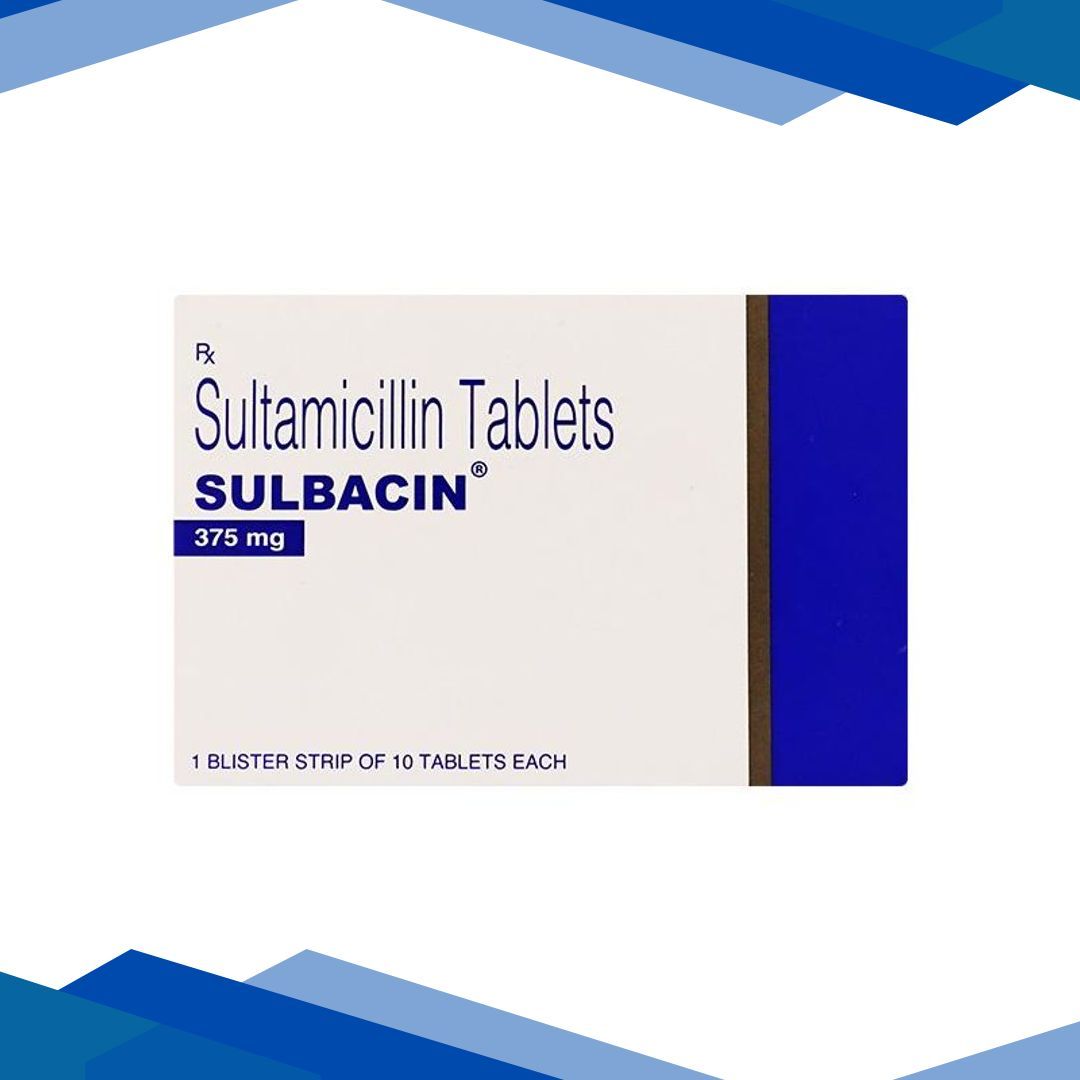
Sulbacin Tablet 10’s
No Prescription yet? Don’t worry! Click Here to Get Online Consultation
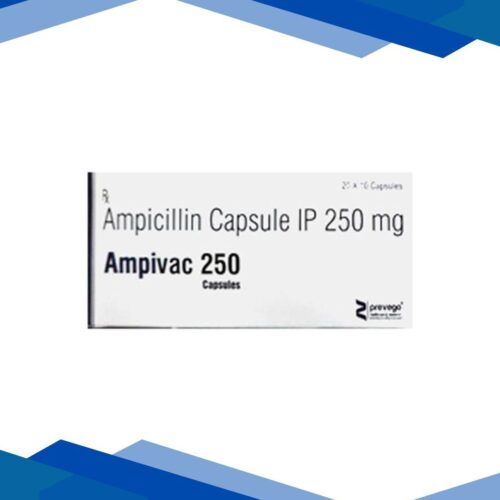
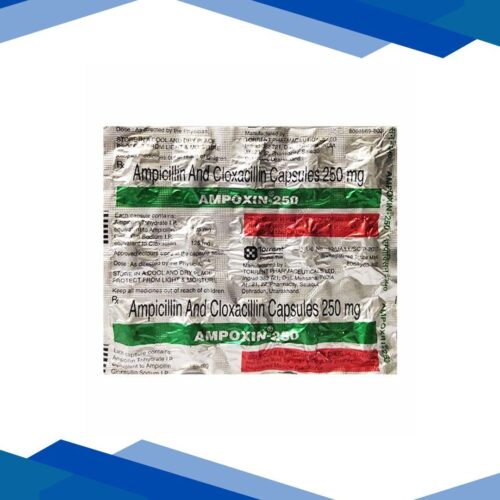
Ampicillin is a broad-spectrum penicillin antibiotic used to treat a variety of bacterial infections. It works by stopping the growth of bacteria by interfering with the formation of their cell walls. Ampicillin is commonly prescribed for infections of the respiratory tract, urinary tract, gastrointestinal tract, and meningitis caused by susceptible bacteria.
Ampicillin
Ampicillin 500mg Capsule
Ampicillin is a broad-spectrum penicillin-type antibiotic used for a wide variety of bacterial infections. It works by interfering with the formation of the bacterial cell wall, thus efficiently inhibiting bacterial growth. It is often prescribed for infections of the respiratory tract, urinary tract (UTI), gastrointestinal tract, and conditions such as meningitis or endocarditis.
Medical Uses
Respiratory Infections: Effective against pneumonia, bronchitis, and tonsillitis.
Urinary Tract Infections (UTIs): Targets bacteria causing bladder or kidney infections.
Gastrointestinal Infections: Used for conditions like Salmonellosis and Shigellosis.
ENT (Ear, Nose, and Throat) Infections: Used for the treatment of acute sinusitis and otitis media (middle ear infection).
Meningitis: Often used in hospital settings for bacterial infections of the brain and spinal cord.
Important Features
Broad Spectrum: Acts against both Gram-positive and limited strains of Gram-negative bacteria.
Proven to Work: A well-known antibiotic with a high safety parameter.
Many Forms: Available to be taken as capsules, oral suspension, or injections according to what the sufferer needs at the time, or prefers.
How to Take Ampicillin
- Timing of administration: For it to be absorbed at the highest possible rate, it is best to take Ampicillin on an empty stomach, at least an hour before a meal or two hours after a meal.
- Consistency: Take the medications at uniform intervals to keep a steady level of the drug in your blood.
- Your Full Course: Make sure that you finish the complete course of antibiotics, even if you start to feel better after a couple of days. By stopping early, you risk the infection coming back resistant to antibiotics.
- How This Drug Is Taken: Whole capsule must be swallowed with a full glass of water instead of crushing or chewing.
Some common side effects include:
Nausea or vomiting
Loose bowel movements
Abdominal pain
Rash, with itchiness
Unfortunately, the symptoms appearing overdappled, furry tongue, which is very typically temporary.
Heeding: If a patient experiences watery stools with blood, as well as fever and a colic cramp, they are suggested not to delay to contact their doctor during or after treatment. An antidiarrheal drug should not be used without a prescription.
Precautionary Measures and Safety Requirements
Penicillin Allergy: Do not use it if you have experienced an allergic reaction to it or have been diagnosed with an allergy to Penicillins or Cephalosporins, especially Co-amoxiclav.
Renal Function: Regular assimilation might necessitate dose adjustments in patients with renal impairment.
Mononucleosis Patients with infectious mononucleosis ("Mono") should always bring about an antibiotic-induced skin rash extraordinarily frequently.
Pregnancy-Breastfeeding-Mothers Medicine: Its safety in pregnant or breastfeeding mothers is still on the hold, but the doctor can offer advice.
Oral Contraceptives: Ampicillin may reduce the effectiveness of hormone birth control pills. Condoms are a recommended alternative while on ampicillin treatment.
Frequently Asked Questions
Q: Does Ampicillin treat common cold or flu?
No. Ampicillin is an antibiotic that works only against bacterial infections and it is not an effective drug against viral infections like the common cold, the flu, or most sore throats.
Q: What do I do if I've taken the wrong dose?
You may take it as soon as you think about it. If it is nearer to your next dose, bypass the missed one instead. Do not double the dose that you missed.
Q: Can I drink beer while taking Ampicillin?
Alcohol is not a direct contraindication if you are on Ampicillin; however, alcohol can subvert your ability to fight an infection and amplify your side effects of which some may be unpleasant. Refrain from consumption until you have fully recuperated from your infection.
Q: Since pretty effective, how long does it take for Ampicillin to work?
Most patients see a difference in a few days, typically between 2 to 3 days. However, it is always recommended that you stick to the entire medication course.
Q: Does Ampicillin cause yeast infections?
There is a slight possibility that various antibiotics such as Ampicillin will kill off natural microscopic flora in your body, thus leading to oral candidiasis or just a yeast infection in the vagina. If you find yourself with white patches in your mouth, see a doctor immediately after having noticed some unusual vaginal discharge with or without itching.
Sulbactam
Sulbactam: At a Glance, Uses, and Safety Precautions
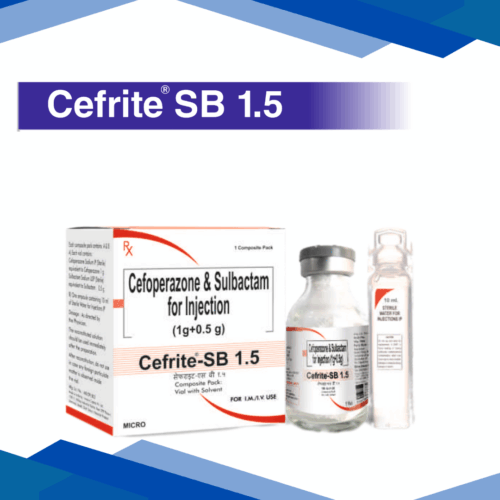
Sulbactam constitutes an efficient β-lactamase inhibitor. The drug has certain antibacterial properties of its own against organisms such as Acinetobacter baumannii and is mainly used in combination with antibiotics (such as Ampicillin or Cefoperazone). Sulbactam prevents the action of bacteria that would normally interrupt the potency of the antibiotic, thus ensuring that the therapy remains effective against resistant strains.
How Sulbactam Works
Many bacteria produce an enzyme called beta-lactamase, which breaks down antibiotics before they can kill the bacteria. Sulbactam acts as a "shield." It binds to these enzymes and neutralizes them, allowing the primary antibiotic to do its job and clear the infection effectively.
Common Uses and Indications
Physicians typically prescribe Sulbactam combinations for treating a variety of bacterial infections, including:
Gynecological Infections: Like pelvic inflammatory disease.
Intra-abdominal Infections: Including peritonitis.
Skin and Soft Tissue Infections: Such as severe skin and structural infections.
Respiratory Tract Infections: Such as pneumonia.
Urinary Tract Infections (UTIs): Especially nosocomial infections.
Important Safety Tips
Alcohol: It is generally advisable to avoid alcohol while on this medication to prevent increased dizziness or gastrointestinal upset.
Pregnancy: Consult a doctor; to be used only when the benefits outweigh risks.
Breastfeeding: Sulbactam passes into breast milk in small amounts. Watch for diarrhea or rash in the infant.
Driving: If you experience dizziness or fatigue, avoid driving or operating heavy machinery.
Kidney/Liver: Dose adjustments may be necessary for patients with kidney or liver impairment.
Common Side Effects
While most patients tolerate Sulbactam well, some may experience:
Diarrhea or loose stools
Nausea or vomiting
Pain or swelling at the injection site
Skin rash or itching
Fungal infections (oral thrush or vaginal yeast infection) with prolonged use
Note: If you experience signs of a severe allergic reaction—such as swelling of the face, tongue, or throat, or difficulty breathing—seek urgent medical help immediately.
Frequently Asked Questions (FAQs)
1. Is Sulbactam an antibiotic by itself?
While it has some minor antibacterial properties, Sulbactam is primarily a beta-lactamase inhibitor. It is almost always paired with an antibiotic to enhance effectiveness against resistant bacteria.
2. Can I stop the medication once I feel better?
No. Even if symptoms improve, you must complete the full prescribed course. Stopping early can lead to antibiotic resistance.
3. How is Sulbactam usually administered?
Clinically, it is administered via IV (intravenous) or IM (intramuscular) injection. Dosage and frequency depend on the severity of infection and patient condition.
4. What should I do if I miss a dose?
If administered in a hospital, your provider will manage dosing. For outpatient use, contact your healthcare provider immediately. Do not double the dose.
5. Can Sulbactam cure viral infections like flu or COVID-19?
No. Sulbactam is effective only against bacterial infections and does not work for viral illnesses such as the common cold, flu, or COVID-19.
Disclaimers
The content in this document is for informational purposes only and is not a substitute for professional medical advice. Always consult a qualified healthcare provider for diagnosis and treatment.
At Gem Pharmacy, we make every effort to provide accurate, expert-written, and thoroughly reviewed information related to medicines. However, this information should not be considered a substitute for professional medical advice, diagnosis, or treatment from a qualified doctor.
The purpose of this information is to educate users and improve communication between patients and healthcare professionals. It should not be used to diagnose or treat any condition.
Always consult a certified healthcare professional before taking any medication.


Related products