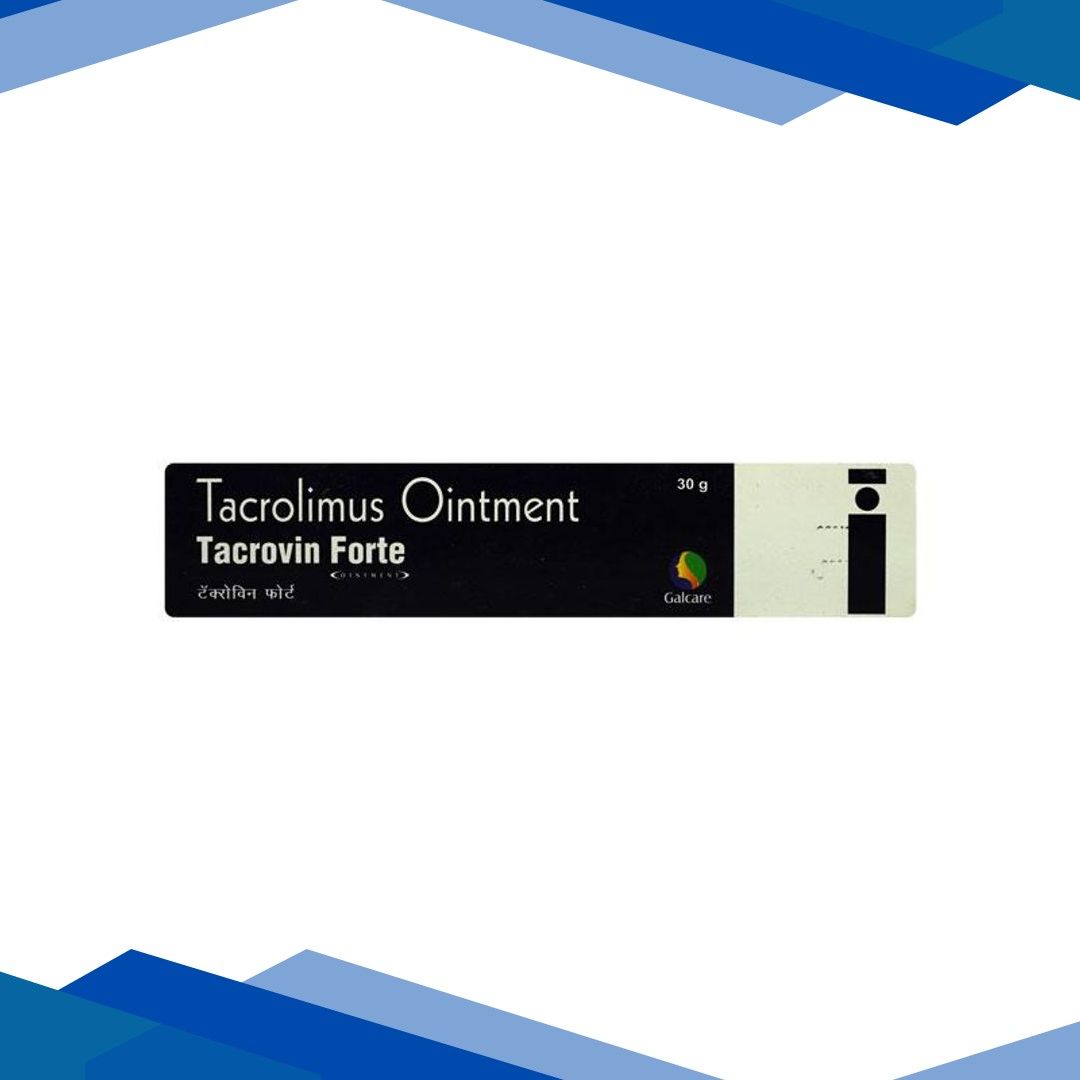
TBIS XL Ointment 50gm
❌ Due to high demand, this product is currently out of stock. New stock will be available shortly.
👉 Click here to Buy Same Salt medicine
TBIS XL Ointment is a prescription medicine that helps control the immune system. It works by reducing the activity of certain immune cells, which lowers inflammation and the body’s immune response. Because of this, it is mainly used to help prevent organ rejection after transplant surgery, such as kidney, liver, or heart transplants. TBIS XL Ointment is also used in some forms to treat certain skin conditions, such as moderate to severe eczema, when other treatments are not suitable. By calming an overactive immune response, it can help protect transplanted organs and relieve symptoms linked to inflammation. Since it can affect the body in important ways, TBIS XL Ointment should be used under medical supervision to make sure it is safe and effective for the person taking it.
Description
TBIS XL Ointment is a potent immunosuppressive medicine used to help prevent the body from rejecting a transplanted organ and, in certain formulations, to treat inflammatory skin conditions such as atopic dermatitis. it works by calming down an overactive immune response. in organ transplantation, the immune system naturally recognizes the new organ as foreign and may attack it; TBIS XL Ointment helps reduce that attack so the transplanted organ can function properly. because it suppresses immune activity, it is considered a specialized medicine that must be used carefully and under medical supervision.
at a cellular level, TBIS XL Ointment inhibits the activity of calcineurin, an enzyme involved in activating t-lymphocytes, which are key immune cells responsible for immune signaling. by blocking calcineurin, TBIS XL Ointment reduces the production of inflammatory substances, especially interleukins, that drive immune activation. this mechanism makes it very effective in preventing transplant rejection. in topical form, the same immune-calming effect helps reduce the redness, itching, and inflammation seen in eczema by slowing the local immune overactivity in the skin.
depending on the formulation and route of administration, TBIS XL Ointment may be used in different clinical settings. oral and injectable forms are primarily used in transplant medicine, while topical preparations are used for skin inflammation. because the medicine lowers immune defenses, people using it are more vulnerable to infections and may need regular monitoring of blood levels, kidney function, liver function, and overall treatment response. it is not a medicine for casual use and should only be taken exactly as directed by a healthcare professional.
TBIS XL Ointment is generally intended for patients who need strong immune suppression or targeted anti-inflammatory treatment. this includes adults and sometimes children, depending on the form and medical indication. the exact product, strength, and dosing schedule vary widely by condition, age, organ transplanted, and other medicines being used at the same time. never adjust the dose on your own, as even small changes can affect safety and effectiveness.
ingredients
- TBIS XL Ointment: the active medicinal ingredient. it is the main therapeutic component responsible for suppressing immune activity by inhibiting calcineurin. in transplant care, this helps reduce the risk of organ rejection. in topical dermatologic use, it helps reduce immune-driven skin inflammation, itching, and redness.
- inactive ingredients / excipients: depending on the product form, TBIS XL Ointment may contain additional non-medicinal ingredients that help with stability, absorption, preservation, texture, or delivery. these may vary between capsules, oral solutions, injection-related formulations, and topical products. the exact excipients are manufacturer-specific and should be checked on the product label or package insert, especially for people with allergies or sensitivities.
key uses
- prevention of organ rejection after transplantation: TBIS XL Ointment is commonly used to help prevent rejection of transplanted organs such as the kidney, liver, heart, or others. it reduces the immune system’s attack on the donor organ, improving the chance that the transplant will continue to work.
- management of atopic dermatitis (eczema) in topical form: in skin formulations, TBIS XL Ointment is used to treat inflammatory skin conditions when steroid-sparing treatment is needed or when other therapies are not appropriate. it can help reduce itching, redness, and flare severity.
- immune suppression in specialized medical settings: in certain cases, healthcare professionals may use TBIS XL Ointment as part of a broader immunosuppressive regimen to control excessive immune activity. this use is highly individualized and depends on the medical condition being treated.
how to use
TBIS XL Ointment should always be used exactly as prescribed by a qualified healthcare professional. the way it is taken depends on the formulation. oral TBIS XL Ointment is usually taken consistently at the same time each day, often with attention to food timing because food can affect absorption. it is important to follow the same routine every day so that blood levels remain stable. do not crush, chew, or alter capsules unless your pharmacist or doctor specifically instructs you to do so. if you are using the oral solution, measure it carefully with an appropriate dosing device, not a household spoon.
for topical TBIS XL Ointment, the medicine is usually applied as a thin layer to the affected skin only. wash and dry the area first, then apply gently and avoid rubbing excessively. hands should be washed after application unless the hands are the area being treated. do not apply it to infected skin unless directed by a clinician. avoid covering the treated area with tight bandages unless instructed, and be cautious with exposure to sunlight or artificial uv light because the skin may become more sensitive.
because TBIS XL Ointment is often part of long-term therapy, regular monitoring is essential. your healthcare provider may order blood tests to check TBIS XL Ointment levels and assess kidney and liver function, blood pressure, blood sugar, and signs of infection. do not start, stop, or change the dose without medical advice, even if you feel well. if any side effects develop, especially signs of infection or kidney problems, contact a healthcare professional promptly.
safety information
- warnings: TBIS XL Ointment suppresses the immune system, which can increase the risk of serious infections, including bacterial, viral, fungal, and opportunistic infections. it may also increase the risk of certain cancers, particularly lymphoma and skin cancers, with long-term immunosuppression. kidney toxicity is a major concern with systemic TBIS XL Ointment, and blood pressure, kidney function, and drug levels may need close monitoring. never take extra doses to make up for missed medicine unless instructed by a healthcare professional.
- side effects: common side effects may include tremor, headache, nausea, diarrhea, stomach upset, loss of appetite, sleep disturbance, and increased sensitivity to infections. more serious side effects can include kidney dysfunction, high blood pressure, elevated blood sugar or diabetes, electrolyte abnormalities such as low magnesium or high potassium, severe infections, seizures, confusion, vision changes, and rare but serious heart rhythm or neurologic effects. topical TBIS XL Ointment may cause burning, stinging, itching, redness, or warmth where applied, especially at the beginning of treatment.
- precautions: use extra caution if you have kidney disease, liver disease, diabetes, high blood pressure, a history of recurrent infections, or a history of cancer. people who have recently received live vaccines, or who may need vaccines, should discuss this with their healthcare provider because immune suppression may affect vaccine safety and effectiveness. avoid excessive sun exposure and use protective clothing and sunscreen as recommended, since immunosuppression can raise skin cancer risk. do not consume grapefruit or grapefruit juice unless your doctor says it is safe, as it can alter TBIS XL Ointment levels.
- pregnancy/breastfeeding: TBIS XL Ointment may be used during pregnancy only when the potential benefit outweighs the potential risk, especially in transplant recipients where stopping treatment can endanger both parent and fetus. it can pass into breast milk in small amounts, and breastfeeding decisions should be made with medical guidance based on the specific formulation, dose, and clinical situation. always discuss family planning, pregnancy, and breastfeeding with your doctor before using TBIS XL Ointment.
- interactions: TBIS XL Ointment has many important drug interactions. certain antibiotics, antifungals, antivirals, calcium channel blockers, anticonvulsants, and herbal products can raise or lower TBIS XL Ointment levels, sometimes dangerously. st. john’s wort can reduce effectiveness. other medicines that may harm the kidneys can increase toxicity risk. alcohol may worsen side effects such as dizziness or stomach upset in some people, and it should be discussed with a healthcare professional. always provide a full medication list, including over-the-counter medicines and supplements, before starting TBIS XL Ointment.
additional information
- storage: store TBIS XL Ointment exactly as directed on the product label. keep it in a cool, dry place away from excess heat, moisture, and direct sunlight. do not freeze unless the package specifically allows it. keep all medicines out of reach of children and pets. topical and oral forms should be stored separately from food and household items, and any special handling instructions from the manufacturer should be followed carefully.
- missed dose: if you miss a dose, take it as soon as you remember unless it is almost time for the next dose. if it is close to the next scheduled dose, skip the missed dose and return to your regular schedule. do not double up to make up for a missed dose, because this can increase the risk of toxicity or side effects. if missed doses happen often, talk to your healthcare provider about improving adherence.
- overdose: an overdose of TBIS XL Ointment can be serious and may cause severe tremor, headache, confusion, vomiting, high blood pressure, kidney injury, abnormal heart rhythm, or other dangerous effects. if an overdose is suspected, seek emergency medical help or contact poison control immediately. bring the medicine container with you if possible so healthcare professionals can identify the product and amount taken.
- habit forming: no. TBIS XL Ointment is not considered habit forming or addictive. however, it must be taken consistently when prescribed because stopping it suddenly can be dangerous, especially in transplant patients, as it may lead to rejection of the transplanted organ or worsening of the underlying condition.
frequently asked questions
Q: what is TBIS XL Ointment mainly used for?
A: TBIS XL Ointment is mainly used to prevent organ rejection after transplantation. in topical form, it is also used for inflammatory skin conditions such as atopic dermatitis when prescribed by a healthcare professional.
Q: how does TBIS XL Ointment work in the body?
A: TBIS XL Ointment blocks calcineurin, a protein involved in activating immune cells. this lowers immune activity and helps prevent rejection of transplanted organs or reduce inflammation in the skin.
Q: can TBIS XL Ointment cause infections?
A: yes. because it suppresses the immune system, TBIS XL Ointment can increase the risk of infections. report fever, cough, sore throat, burning urination, or any unusual illness to your doctor promptly.
Q: does TBIS XL Ointment need regular monitoring?
A: yes. systemic TBIS XL Ointment often requires blood tests to monitor drug levels and check kidney function, liver function, blood pressure, and other safety markers.
Q: can i eat grapefruit while taking TBIS XL Ointment?
A: grapefruit and grapefruit juice can interfere with TBIS XL Ointment metabolism and change blood levels. it is generally advised to avoid them unless your healthcare provider says otherwise.
Q: what are the common side effects of TBIS XL Ointment?
A: common side effects may include tremor, headache, nausea, diarrhea, stomach upset, burning or itching at the application site in topical use, and increased risk of infections.
Q: is TBIS XL Ointment safe during pregnancy?
A: it may be used in pregnancy only when clearly needed and under close medical supervision. the risks and benefits must be reviewed with your doctor, especially in transplant patients.
Q: can TBIS XL Ointment be stopped suddenly?
A: no, not without medical advice. suddenly stopping systemic TBIS XL Ointment can increase the risk of transplant rejection or worsening of the condition being treated.
Q: why is TBIS XL Ointment considered a high-alert medicine?
A: it has a narrow therapeutic range and many drug interactions. small changes in dose, formulation, or interacting medicines can lead to under-treatment or serious toxicity.
Q: should i avoid sun exposure while using TBIS XL Ointment?
A: yes, caution with sun exposure is recommended because immune suppression can raise the risk of skin damage and skin cancer. use protective measures and follow your clinician’s advice.
this information is for educational purposes only and should not be considered medical advice. always consult a qualified healthcare professional before use.
At Gem Pharmacy, we make every effort to provide accurate, expert-written, and thoroughly reviewed information related to medicines. However, this information should not be considered a substitute for professional medical advice, diagnosis, or treatment from a qualified doctor.
The purpose of this information is to educate users and improve communication between patients and healthcare professionals. It should not be used to diagnose or treat any condition.
Always consult a certified healthcare professional before taking any medication.


Related products
Pangraf 0.25mg Capsule 10’S