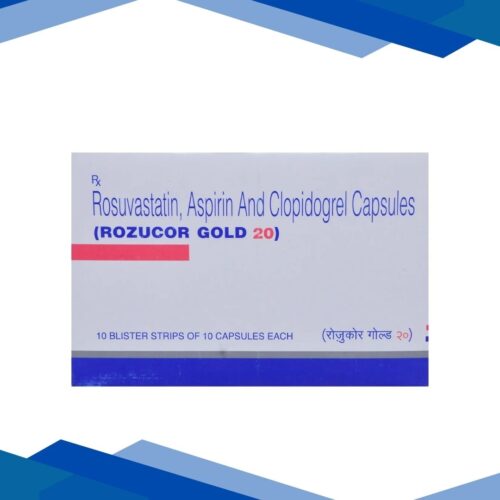
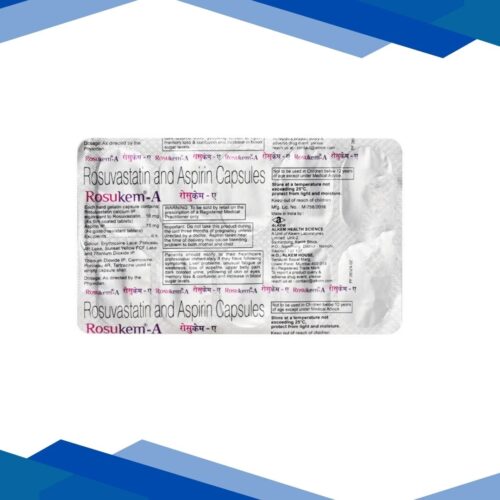
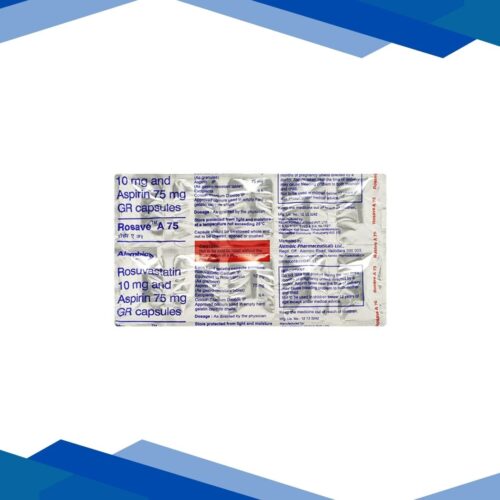
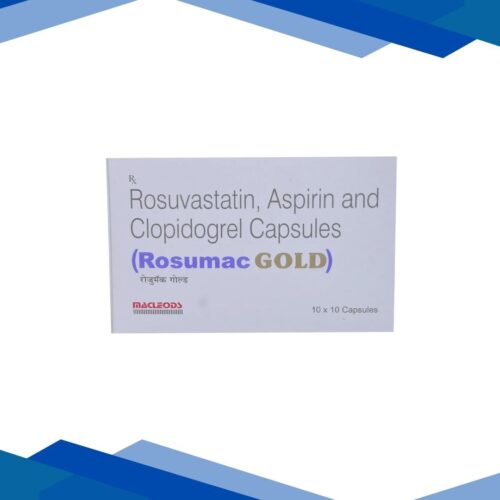
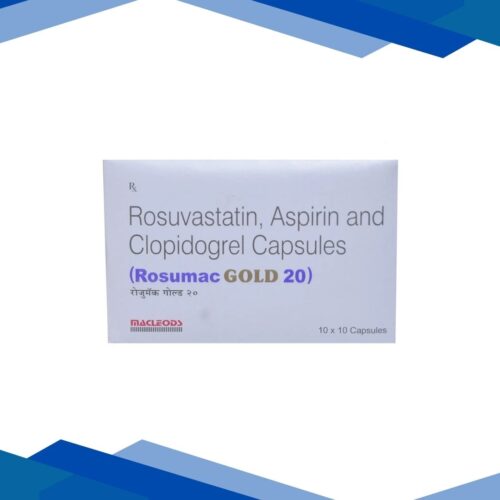
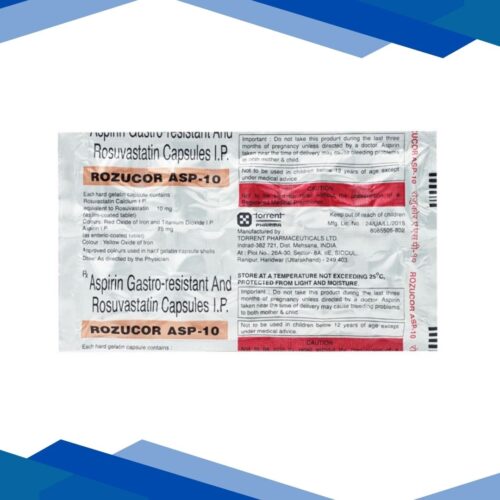
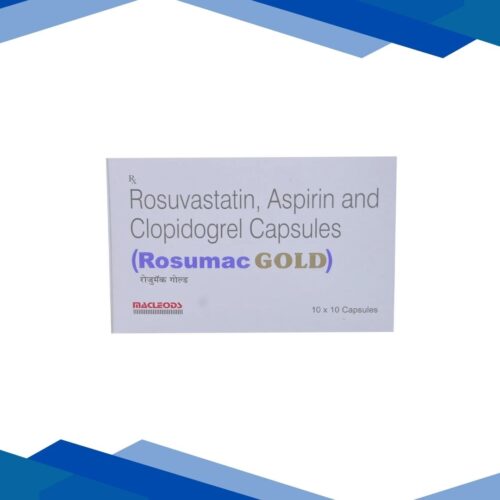
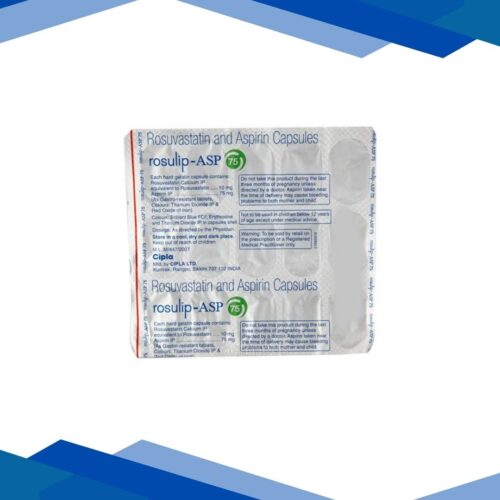
Aspirin
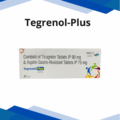
ASPIRIN
Overview:
Aspirin is a well-known and widely used medicine that helps relieve pain, bring down fever, reduce swelling, and in lower doses, protect the heart. It’s been around for a long time and is used for both short-term discomfort and long-term heart care.
Classification: Non-steroidal anti-inflammatory drug (NSAID)
Uses:
Ease mild to moderate pain like headaches, toothaches, and muscle aches
Lower fever during infections or flu
Reduce inflammation in conditions like arthritis
Prevent heart attacks or strokes by making the blood thinner in people at risk
Help in managing chest pain (angina) and after certain heart surgeries
How It Works:
Aspirin works by blocking the body’s production of prostaglandins—chemicals that cause pain, fever, and swelling. It also prevents blood platelets from clumping together, making it useful in reducing the risk of clots in the heart or brain.
Dosage: As prescribed by your doctor.
Side effects:
Stomach irritation, pain, or heartburn
Nausea or vomiting
Increased risk of bleeding or bruising easily
Ringing in the ears
Allergic reactions like rash or breathing trouble
Precautions:
Avoid taking aspirin if you have a history of stomach ulcers, bleeding problems, or asthma
Don’t give aspirin to children under 12, especially during viral illnesses, due to the risk of Reye’s syndrome
Use with caution if you’re taking blood thinners or other NSAIDs
Let your doctor know if you’re pregnant, breastfeeding, or have kidney or liver issues
Always take with food or milk to protect your stomach lining
Avoid alcohol while on aspirin as it can raise the risk of stomach bleeding
Disclaimer:
This content is for informational purposes only. Always consult a healthcare provider for medical advice and proper dosage
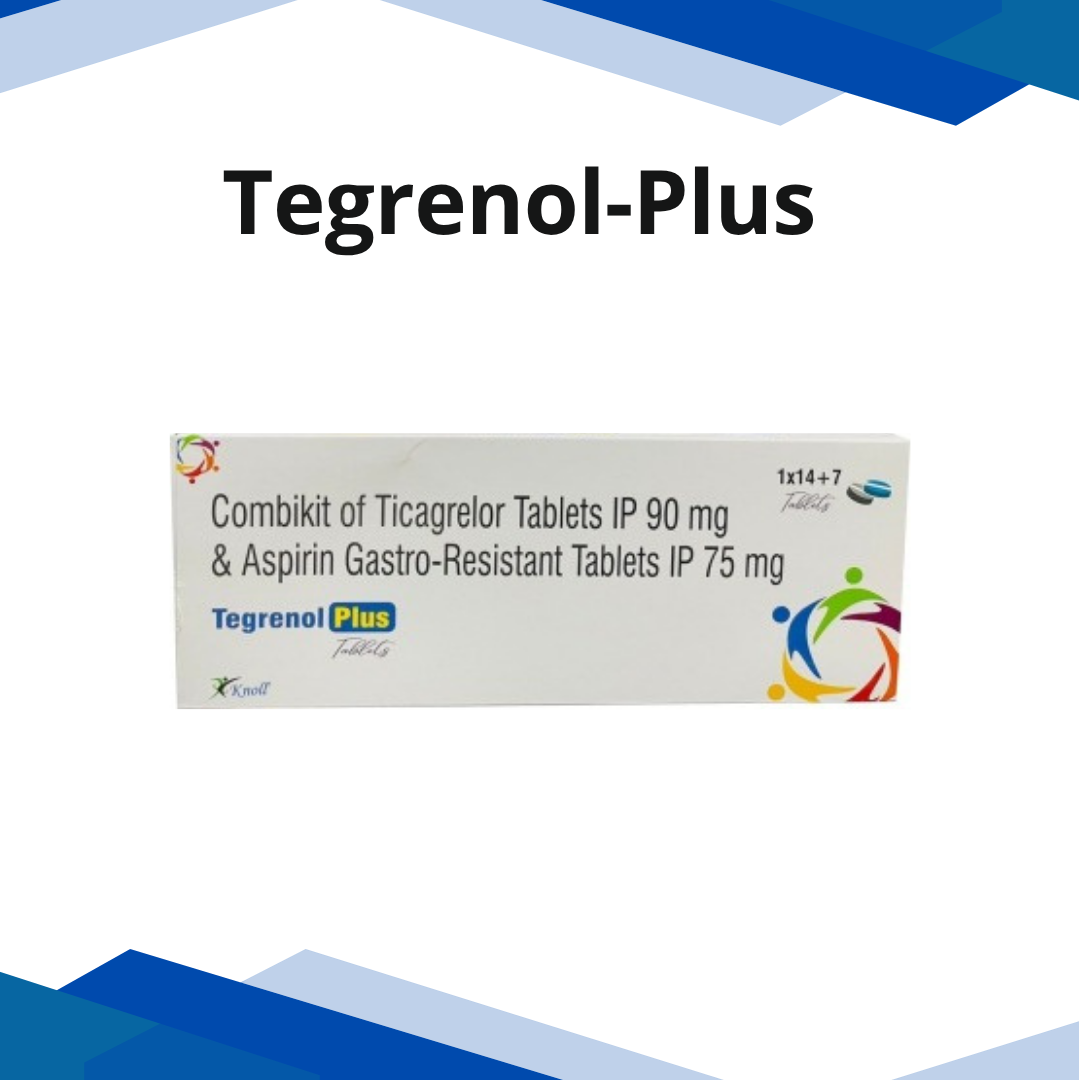
Ticagrelor
TICAGRELOR
Overview:
Ticagrelor is a drug that promotes healthy blood circulation and prevents clots that could cause heart attacks or strokes . It works by stopping platelets from sticking together, which lowers the risk of blockages in your arteries. Doctors usually prescribe it for people who have heart problems, like after a heart attack, or those with stents.
Classification: P2Y12 receptor antagonist
Uses:
Ticagrelor is mainly used to prevent blood clots in people at risk of heart attacks, strokes, or complications after a heart procedure.Ticagrelor is used for patients with acute coronary conditions or arterial stents, supporting arterial patency and decreasing future heart risk.
How it works:
Ticagrelor works by blocking a receptor called P2Y12 on platelets, which normally helps them stick together and form clots. By preventing platelets from clumping, it reduces the risk of dangerous blood clots in the arteries. This keeps blood flowing smoothly, lowering the chances of heart attacks, strokes, and problems after stent placement.
Dosage: As prescribed by your doctor.
Side Effects:
- Bleeding or easy bruising
- Shortness of breath (dyspnea)
- Dizziness or lightheadedness
- Headache
- Nausea or upset stomach
Precautions:
Before taking Ticagrelor, it’s important to tell your doctor about any history of bleeding disorders, recent surgery, or strokes, since the drug increases the risk of bleeding. People taking other blood-thinning medications should use it carefully to avoid excessive bleeding. Inform your physician about all drugs and supplements you use to avoid interactions. If you develop unexpected bleeding, severe bruises, or shortness of breath, get medical attention immediately.
Disclaimer:This content is for informational purposes only. Always consult a healthcare provider for medical advice and proper dosage.