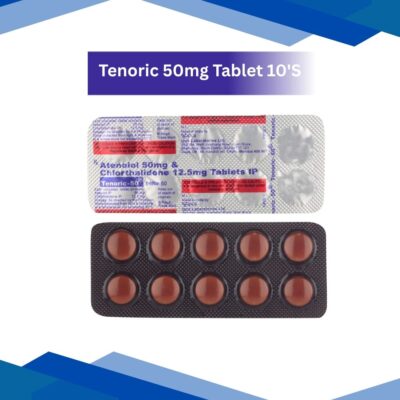
Tenoric 100mg Tablet 10’S
Tenoric 100mg Tablet is a combination medicine used to help control high blood pressure. It contains two medicines that work together in different ways: Atenolol slows the heart rate and reduces the heart’s workload, while Chlortalidone helps the body remove extra salt and water through urine, which lowers blood pressure. By reducing pressure in the blood vessels, this medicine may also help lower the risk of serious problems such as stroke, heart attack, and kidney damage over time. It is mainly prescribed for hypertension and may be used when one medicine alone does not control blood pressure well enough. This medicine should be used under medical supervision, as blood pressure and electrolyte levels may need regular monitoring.
Description
Tenoric 100mg Tablet is a combination medicine commonly used to help control high blood pressure. it brings together two well-established medicines that work in different but complementary ways. atenolol is a beta-blocker that slows the heart rate and reduces the force with which the heart pumps, which lowers blood pressure and decreases the heart’s workload. chlortalidone is a thiazide-like diuretic, often called a “water pill,” that helps the body remove excess salt and water through the urine. together, these actions can provide better blood pressure control than either medicine alone in many patients.
this combination is generally prescribed for adults who need long-term management of hypertension, especially when blood pressure is not adequately controlled with a single medicine. lowering blood pressure is important because it helps reduce the risk of serious complications such as stroke, heart attack, heart failure, kidney damage, and other cardiovascular problems. Tenoric 100mg Tablet does not cure hypertension, but it can help keep blood pressure within a safer range when taken consistently and as directed.
the medicine works best as part of a broader treatment plan that may include reducing salt intake, maintaining a healthy body weight, regular exercise, limiting alcohol, avoiding smoking, and managing stress. because it affects both the heart and the kidneys, it must be used carefully, especially in people with certain medical conditions such as diabetes, asthma, kidney disease, gout, slow heartbeat, or electrolyte imbalances. a healthcare professional should determine whether this combination is appropriate based on the individual’s overall health status.
Tenoric 100mg Tablet is also used in situations where a patient may benefit from the combined effect of a beta-blocker and a diuretic. the beta-blocker component helps reduce the strain on the cardiovascular system, while the diuretic component helps lower blood volume and, over time, reduces peripheral resistance. this dual mechanism can be useful for sustained blood pressure control, but it also means patients should be monitored for symptoms such as dizziness, tiredness, dehydration, or changes in heart rate and electrolytes.
ingredients
- atenolol: atenolol is a selective beta-1 blocker that mainly acts on the heart. it helps slow the heart rate, reduces the force of heart contraction, and lowers blood pressure by decreasing the heart’s demand for oxygen and reducing cardiac output. this can be especially helpful in people with hypertension and certain heart-related conditions. it may also reduce palpitations and stress-related increases in heart activity.
- chlortalidone: chlortalidone is a thiazide-like diuretic that helps the kidneys eliminate excess sodium and water. by reducing fluid volume in the bloodstream, it lowers blood pressure and helps ease the workload on the heart and blood vessels. it can also help prevent fluid retention, but because it increases urine output, it may cause dehydration or electrolyte changes if not monitored properly.
key uses
- high blood pressure (hypertension): the main use of Tenoric 100mg Tablet is to lower elevated blood pressure and help maintain long-term control. consistent blood pressure reduction lowers the risk of stroke, heart attack, and kidney complications.
- when a single medicine is not enough: this combination may be used when blood pressure remains above target despite treatment with one agent. using two medicines with different mechanisms can improve effectiveness while sometimes allowing lower doses of each component.
- cardiovascular risk reduction: by controlling blood pressure and reducing strain on the heart, the medicine can contribute to lowering the risk of long-term damage to blood vessels, the heart, and other organs.
- fluid-related contribution to blood pressure: in some patients, excess sodium and fluid retention can contribute to higher blood pressure. chlortalidone helps remove this excess fluid, supporting better pressure control.
how to use
Tenoric 100mg Tablet should be taken exactly as prescribed by a healthcare professional. it is usually taken by mouth once daily, but the exact schedule depends on the individual’s condition and response to treatment. it is important to take it at the same time each day to help maintain steady blood levels and consistent blood pressure control. some people prefer taking it in the morning because the diuretic component may increase urination, which could disrupt sleep if taken late in the day.
the tablet should be swallowed with water. it can often be taken with or without food, but taking it consistently in the same way each day may help reduce stomach upset and make the routine easier to follow. blood pressure medicines work best when used regularly, even if the person feels well. high blood pressure often has no obvious symptoms, so stopping the medicine on your own can allow blood pressure to rise again without warning.
patients should not change the dose, skip doses frequently, or stop the medicine suddenly without medical advice. sudden discontinuation of atenolol may cause rebound effects in some people, such as a rapid rise in blood pressure, palpitations, chest discomfort, or worsening of underlying heart problems. people taking this medicine may also need periodic monitoring of blood pressure, pulse rate, kidney function, and electrolyte levels, especially if they are older or have other medical conditions.
safety information
- warnings: Tenoric 100mg Tablet can lower heart rate and blood pressure too much in some patients, leading to dizziness, fainting, weakness, or fatigue. chlortalidone may cause low potassium, low sodium, dehydration, or increased uric acid. atenolol may mask warning signs of low blood sugar in people with diabetes, such as a fast heartbeat. patients should use caution when standing up quickly, driving, or performing tasks that require alertness until they know how the medicine affects them.
- side effects: common side effects may include tiredness, dizziness, lightheadedness, slower pulse, cold hands or feet, increased urination, and mild stomach discomfort. some people may experience sleep disturbances or reduced exercise tolerance. serious side effects can include severe bradycardia, very low blood pressure, shortness of breath, wheezing, worsening heart failure, significant electrolyte imbalance, confusion, severe dehydration, fainting, or signs of allergic reaction such as rash, swelling, or trouble breathing. seek urgent medical help if serious symptoms occur.
- precautions: this medicine may not be suitable for people with asthma or certain breathing disorders because beta-blockers can sometimes worsen bronchospasm, even though atenolol is relatively beta-1 selective. it should be used carefully in people with slow heartbeat, heart block, heart failure, severe peripheral circulation problems, diabetes, thyroid disorders, kidney disease, gout, or a history of electrolyte disturbances. older adults may be more sensitive to its blood pressure-lowering and dehydrating effects.
- pregnancy/breastfeeding: use during pregnancy should be considered only if the expected benefit outweighs the potential risk, and the prescriber should evaluate safer alternatives when appropriate. beta-blockers and diuretics may affect fetal growth or blood flow in some circumstances. during breastfeeding, small amounts may pass into breast milk and could affect the infant’s heart rate or feeding in some cases. a healthcare professional should guide use during pregnancy or lactation.
- interactions: Tenoric 100mg Tablet may interact with other blood pressure medicines, which can increase the risk of excessive hypotension or slow heartbeat. it may interact with insulin or diabetes medicines by masking symptoms of low blood sugar. nonsteroidal anti-inflammatory drugs (nsaids) may reduce the blood pressure-lowering effect. digoxin, certain calcium channel blockers, antiarrhythmics, and some anesthetic agents may increase the risk of heart rhythm problems or low heart rate. alcohol can worsen dizziness and low blood pressure. always inform a healthcare professional about all prescription drugs, over-the-counter medicines, vitamins, and herbal products being used.
additional information
- storage: store Tenoric 100mg Tablet at room temperature in a dry place, away from excess heat, moisture, and direct sunlight. keep it in the original container with the lid closed tightly, and store it out of reach of children and pets. do not use tablets that are expired, discolored, or damaged unless advised by a pharmacist.
- missed dose: if a dose is missed, take it as soon as remembered unless it is almost time for the next scheduled dose. if it is close to the next dose, skip the missed dose and continue the regular schedule. do not double the dose to make up for a missed one, because this can increase the risk of low blood pressure, slow pulse, or dizziness.
- overdose: overdose may cause severe dizziness, extreme weakness, very slow heartbeat, fainting, trouble breathing, confusion, low blood pressure, or dehydration. in serious cases, it can become life-threatening. if an overdose is suspected, seek emergency medical attention immediately or contact poison control right away. do not wait for symptoms to worsen.
- habit forming: no, Tenoric 100mg Tablet is not habit forming and does not cause addiction. however, it should not be stopped abruptly, especially atenolol, because sudden discontinuation may cause rebound hypertension or worsen heart-related symptoms. any change in therapy should be made under medical supervision.
frequently asked questions
Q: what is Tenoric 100mg Tablet used for?
A: Tenoric 100mg Tablet is mainly used to treat high blood pressure. it combines a beta-blocker and a diuretic to help lower blood pressure and reduce the risk of long-term cardiovascular complications.
Q: how does Tenoric 100mg Tablet work?
A: atenolol slows the heart and reduces its workload, while chlortalidone helps the kidneys remove extra salt and water. together, they reduce blood volume and blood pressure through complementary mechanisms.
Q: can i stop taking Tenoric 100mg Tablet if my blood pressure becomes normal?
A: no, not without medical advice. blood pressure may rise again if treatment is stopped, and suddenly stopping atenolol can sometimes cause rebound effects. a doctor should decide if any change is appropriate.
Q: does Tenoric 100mg Tablet cause frequent urination?
A: chlortalidone can increase urination, especially after taking a dose. this effect may be more noticeable at the beginning of treatment and usually becomes easier to manage over time.
Q: can this medicine make me feel tired or dizzy?
A: yes. tiredness and dizziness are common, especially when starting treatment or changing dose. these effects may happen because the medicine lowers blood pressure and heart rate. rise slowly from sitting or lying positions and tell your healthcare professional if symptoms are persistent or severe.
Q: is it safe to take Tenoric 100mg Tablet with diabetes?
A: it may be used in people with diabetes, but extra caution is needed because atenolol can mask some symptoms of low blood sugar. blood sugar should be monitored carefully, and the healthcare professional may adjust therapy if needed.
Q: can people with asthma use Tenoric 100mg Tablet?
A: it should be used cautiously in people with asthma or other breathing problems because beta-blockers can sometimes trigger wheezing or breathing difficulty. a doctor must decide whether the benefits outweigh the risks.
Q: what should i do if i feel my pulse is too slow?
A: if you notice a very slow pulse, faintness, weakness, or trouble breathing, contact a healthcare professional promptly. severe bradycardia can be serious and may require dose adjustment or a different treatment.
Q: does this medicine affect electrolytes?
A: yes. chlortalidone can lower potassium and sodium levels and may also affect other electrolytes. periodic laboratory tests are often recommended to monitor safety, especially in older adults or people taking other medicines that affect electrolytes.
Q: can i drink alcohol while taking Tenoric 100mg Tablet?
A: alcohol can increase dizziness and low blood pressure, especially when standing up. if alcohol is consumed, it should be done cautiously and only after discussing it with a healthcare professional.
Q: will i need regular checkups while taking this medicine?
A: yes. regular monitoring helps ensure blood pressure is controlled and allows early detection of low heart rate, dehydration, kidney changes, or electrolyte imbalance. follow-up visits and lab work are important parts of safe treatment.
Q: is Tenoric 100mg Tablet used for sudden blood pressure emergencies?
A: no, it is generally used for long-term blood pressure control rather than immediate treatment of a sudden emergency. acute severe blood pressure problems require urgent medical evaluation and specific management.
this information is for educational purposes only and should not be considered medical advice. always consult a qualified healthcare professional before use.
At Gem Pharmacy, we make every effort to provide accurate, expert-written, and thoroughly reviewed information related to medicines. However, this information should not be considered a substitute for professional medical advice, diagnosis, or treatment from a qualified doctor.
The purpose of this information is to educate users and improve communication between patients and healthcare professionals. It should not be used to diagnose or treat any condition.
Always consult a certified healthcare professional before taking any medication.


Related products