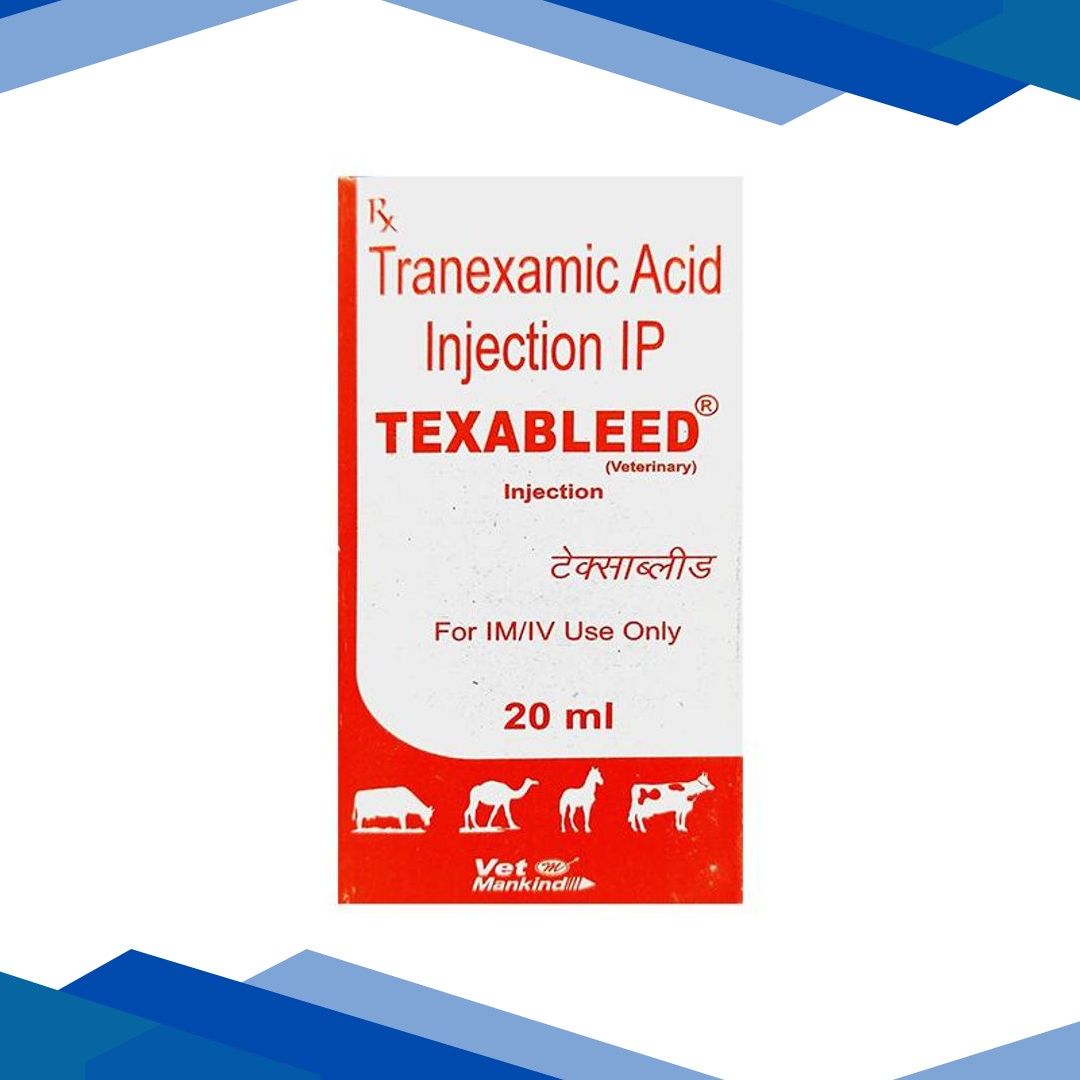
TEXABLEED (VET) Injection 20ml
❌ Due to high demand, this product is currently out of stock. New stock will be available shortly.
👉 Click here to Buy Same Salt medicine
TEXABLEED (VET) Injection is a combination medicine commonly used to help manage skin conditions linked to pigmentation and inflammation, especially melasma and dark patches. PROANTHOCYANIDIN and POLYPODIUM LEUCOTOMOS EXTRACT act as antioxidant ingredients that help protect the skin from damage caused by free radicals and sun exposure, while supporting healthier-looking skin. TRANEXAMIC ACID helps reduce excess pigment formation by limiting processes that can trigger darkening of the skin. Together, these ingredients may help improve uneven skin tone and support gradual fading of discoloration over time. This medicine is usually used as part of a dermatologist-guided treatment plan, often along with sun protection and other skincare measures for best results.
Description
TEXABLEED (VET) Injection is a combination that is commonly used in dermatology-oriented products aimed at supporting skin health, especially in conditions related to uneven skin tone, dark patches, and visible pigmentation concerns. each ingredient contributes differently: tranexamic acid helps reduce excessive pigment formation signals in the skin, polypodium leucotomos extract provides antioxidant and photoprotective support, and proanthocyanidins offer additional antioxidant activity that may help protect skin cells from oxidative stress. together, they are often used as part of a broader plan for pigment-related concerns, typically alongside sun protection and other skin care measures recommended by a clinician.
this combination is not a quick fix for pigmentation and should not be expected to “bleach” the skin or produce overnight results. in standard medical use, it is generally considered a supportive therapy that may help reduce the appearance of melasma, sun-related pigmentation, or post-inflammatory hyperpigmentation in appropriately selected patients. the response varies depending on the underlying cause of the pigmentation, sun exposure, hormonal influences, and whether the medicine is used consistently as directed. because pigmentation disorders are often chronic and multifactorial, this product is usually most effective when combined with strict photoprotection and skin-care guidance.
from a pharmacological perspective, tranexamic acid works by interfering with pathways involved in pigment production, especially those activated by inflammation and ultraviolet exposure. polypodium leucotomos extract is a plant-derived ingredient known for antioxidant and photoprotective properties; it may help the skin better tolerate uv-related stress and reduce free-radical damage. proanthocyanidins are natural polyphenolic compounds with strong antioxidant capacity, and they may support skin defense mechanisms by limiting oxidative injury and helping maintain healthier skin function. because the formulation includes ingredients with different roles, it is often chosen for patients who need a multi-target approach to pigmentation management.
this medicine is generally intended for adults who have been advised by a dermatologist or healthcare professional to manage pigmentation problems. it may be used in people whose skin discoloration is worsened by sunlight, inflammation, acne, hormonal changes, or previous skin injury. however, it is not suitable for everyone, and tranexamic acid in particular requires caution in patients with a history of blood clots or other clotting risk factors. a medical evaluation is important before starting treatment, especially if the skin condition is extensive, recurrent, or associated with other symptoms.
ingredients
- proanthocyanidin: proanthocyanidins are powerful plant-based antioxidants found in sources such as grape seed and other botanical extracts. in skin-focused formulations, they help protect cells from oxidative stress caused by uv exposure and environmental damage. by reducing free-radical injury, they may support overall skin resilience and contribute to a healthier appearance over time. their role is supportive rather than curative, and they are usually used as part of a broader pigmentation-management approach.
- polypodium leucotomos extract: this is a fern-derived extract known for photoprotective and antioxidant properties. it may help reduce the damaging effects of ultraviolet radiation on the skin, which is especially relevant in conditions such as melasma and other sun-exacerbated pigmentation disorders. it can support the skin’s natural defense systems and may help lessen inflammation triggered by sun exposure. it is not a substitute for sunscreen, but it can complement sun protection strategies.
- tranexamic acid: tranexamic acid is an antifibrinolytic medicine that also has important dermatologic uses in pigmentation disorders. in skin care contexts, it is used to help reduce overactive pigment formation by influencing pathways linked to inflammation, vascular signaling, and melanocyte activity. it is particularly known for use in melasma management in selected patients. because it can affect clotting pathways, it must be used carefully and is not appropriate for everyone.
key uses
- melasma support: this combination is often used to help reduce the appearance of melasma, a common condition causing brown or gray-brown facial patches. it may work best when paired with daily sun protection and consistent skin-care routines.
- sun-induced pigmentation: the ingredients may help in pigmentation that becomes more noticeable with uv exposure. polypodium leucotomos extract and proanthocyanidins can support antioxidant defense, while tranexamic acid may help reduce pigment signaling.
- post-inflammatory hyperpigmentation: after acne, irritation, or minor skin inflammation, dark marks may remain. this combination may be used as a supportive option to help improve the look of these marks over time, depending on the cause and severity.
- adjunctive dermatologic therapy: in some patients, it may be used alongside topical treatments, chemical peels, laser procedures, or other dermatologist-directed therapies to improve overall pigment control. it is usually not used as a stand-alone solution for severe pigment disorders.
- photoprotection support: polypodium leucotomos extract and proanthocyanidins may help the skin cope with oxidative stress from sunlight, making the combination useful in people who are prone to pigment worsening after uv exposure.
how to use
use this medicine exactly as directed by your healthcare professional or according to the product label. it is commonly taken by mouth, and many people are advised to take it consistently at the same time each day to maintain regular support. it may be taken with or after food if stomach upset occurs, although specific instructions can vary depending on the product formulation and clinician advice. because pigmentation treatments often take time to show visible improvement, it is important to use the product regularly and not stop or start it unpredictably.
this medicine should be used as part of a complete skin-management plan. in most cases, strict sun protection is essential, including broad-spectrum sunscreen, protective clothing, hats, and avoiding peak sunlight when possible. without sun protection, pigmentation may continue to worsen even when the medicine is taken properly. do not increase the dose or use it more often than recommended, because doing so will not necessarily improve results and may increase the risk of side effects, especially from tranexamic acid.
if you are using other skin treatments such as topical lightening agents, retinoids, exfoliants, or in-office procedures, follow your clinician’s guidance carefully so the therapies complement each other safely. if your symptoms do not improve, or if they worsen, a healthcare professional should reassess the diagnosis and treatment plan.
safety information
- warnings: tranexamic acid can increase the risk of clot-related problems in susceptible individuals, so this product should be used cautiously in anyone with a personal or family history of blood clots, stroke, heart attack, or conditions that increase clotting risk. it should also be used carefully in people who smoke, are obese, have prolonged immobility, or use estrogen-containing medicines, because these factors may raise clot risk. stop and seek urgent medical help if you develop chest pain, sudden shortness of breath, coughing blood, one-sided leg swelling, sudden weakness, facial droop, or trouble speaking.
- side effects: common side effects may include mild stomach upset, nausea, abdominal discomfort, headache, dizziness, or a feeling of fullness. some people may experience skin-related symptoms such as itching or rash, though these are less common. serious side effects are uncommon but may include signs of blood clots, vision changes, severe allergic reactions, or unusual neurological symptoms. any sudden or severe symptom should be evaluated promptly.
- precautions: avoid or use only under close medical supervision if you have a history of thromboembolism, clotting disorders, unexplained bleeding problems, kidney disease, seizures, or significant cardiovascular risk. extra caution is needed if you are taking hormonal contraceptives, hormone replacement therapy, or other medicines that may affect clotting. it is also important to tell your doctor about all medications and supplements you use, including herbal products.
- pregnancy/breastfeeding: safety during pregnancy and breastfeeding may depend on the specific formulation, the reason for use, and the individual patient’s risk factors. tranexamic acid may be used in some medical situations during pregnancy under clinician supervision, but cosmetic or pigmentation use during pregnancy should be discussed carefully with a doctor. during breastfeeding, a healthcare professional should be consulted before use to weigh potential benefits and risks.
- interactions: tranexamic acid may interact with medicines that affect blood clotting or increase clot risk, including estrogen-containing contraceptives and some hormonal therapies. caution is also needed with other agents that may raise the chance of thrombosis. alcohol does not have a direct known chemical interaction with the ingredients, but excessive alcohol use may worsen overall health and skin recovery and should be avoided if possible. always check with a pharmacist or physician before combining this product with other prescription or over-the-counter medicines.
additional information
- storage: store in a cool, dry place away from direct light, heat, and moisture. keep the container tightly closed and out of reach of children. do not use the product after the expiration date.
- missed dose: if you miss a dose, take it when you remember unless it is almost time for the next one. do not take extra medicine to make up for a missed dose. if you are unsure what to do, follow the label instructions or ask a healthcare professional.
- overdose: taking too much may increase the chance of side effects such as nausea, vomiting, dizziness, headache, or, in more serious situations, clot-related complications. if an overdose is suspected, seek immediate medical advice or contact emergency services, especially if severe symptoms occur.
- habit forming: no, this medicine is not considered habit forming. it does not cause dependence in the way addictive medicines can, but it should still be used only as directed because unnecessary or prolonged use may not be appropriate for everyone.
frequently asked questions
Q: what is TEXABLEED (VET) Injection used for?
A: it is commonly used to support the management of pigmentation disorders such as melasma, sun-related dark patches, and some forms of post-inflammatory hyperpigmentation. it is usually part of a broader treatment plan that includes sun protection and sometimes other dermatologic therapies.
Q: how long does it take to see results?
A: improvement is usually gradual and may take several weeks to a few months, depending on the cause of pigmentation, sun exposure, and consistency of use. results vary from person to person, and some patients may need additional treatments recommended by a dermatologist.
Q: can i use this medicine without sunscreen?
A: it is not recommended. sun protection is very important because ultraviolet exposure can worsen pigmentation and reduce the benefit of treatment. daily broad-spectrum sunscreen and protective measures are usually essential for best results.
Q: is this medicine safe for everyone?
A: no. it may not be suitable for people with a history of blood clots, certain cardiovascular risks, kidney disease, or other conditions that require caution with tranexamic acid. a healthcare professional should review your medical history before use.
Q: does it work alone or with other treatments?
A: it is often used as an adjunct, meaning it may be combined with topical treatments, sunscreen, and sometimes procedures such as chemical peels or laser therapy. a clinician can decide which combination is most appropriate for your skin condition.
Q: can i take it with birth control pills?
A: this requires medical advice. medicines containing estrogen can increase clot risk, and tranexamic acid may add to that risk in some people. a doctor or pharmacist should review the full situation before you use them together.
Q: what side effects should i watch for?
A: common side effects may include nausea, stomach discomfort, headache, or dizziness. seek urgent help if you notice symptoms suggestive of a blood clot, such as chest pain, shortness of breath, one-sided leg swelling, or sudden weakness.
Q: can this medicine lighten normal skin tone?
A: no. it is intended to help manage excessive pigmentation and dark patches, not to change your natural skin tone. it should not be used for unsafe or inappropriate skin lightening purposes.
Q: should i stop it if my skin improves?
A: do not stop or continue it based only on appearance without checking with your healthcare professional. pigmentation conditions often recur, and treatment duration should be guided by a clinician based on your response and risk factors.
Q: can i use it during a pregnancy?
A: pregnancy use should only be considered after discussing it with a qualified healthcare professional. because tranexamic acid requires caution, the decision depends on the medical need, the stage of pregnancy, and the overall risk-benefit assessment.
Q: what if i have a sensitive stomach?
A: taking the medicine with food may help reduce stomach upset in some people, but follow the specific product directions. if nausea or abdominal discomfort is persistent, speak with a healthcare professional.
Q: is this a steroid or bleaching cream?
A: no. this is not a steroid and it is not a topical bleaching cream. it is a combination with antioxidant, photoprotective, and pigment-modulating actions used to support skin-discoloration management.
this information is for educational purposes only and should not be considered medical advice. always consult a qualified healthcare professional before use.
At Gem Pharmacy, we make every effort to provide accurate, expert-written, and thoroughly reviewed information related to medicines. However, this information should not be considered a substitute for professional medical advice, diagnosis, or treatment from a qualified doctor.
The purpose of this information is to educate users and improve communication between patients and healthcare professionals. It should not be used to diagnose or treat any condition.
Always consult a certified healthcare professional before taking any medication.


Related products